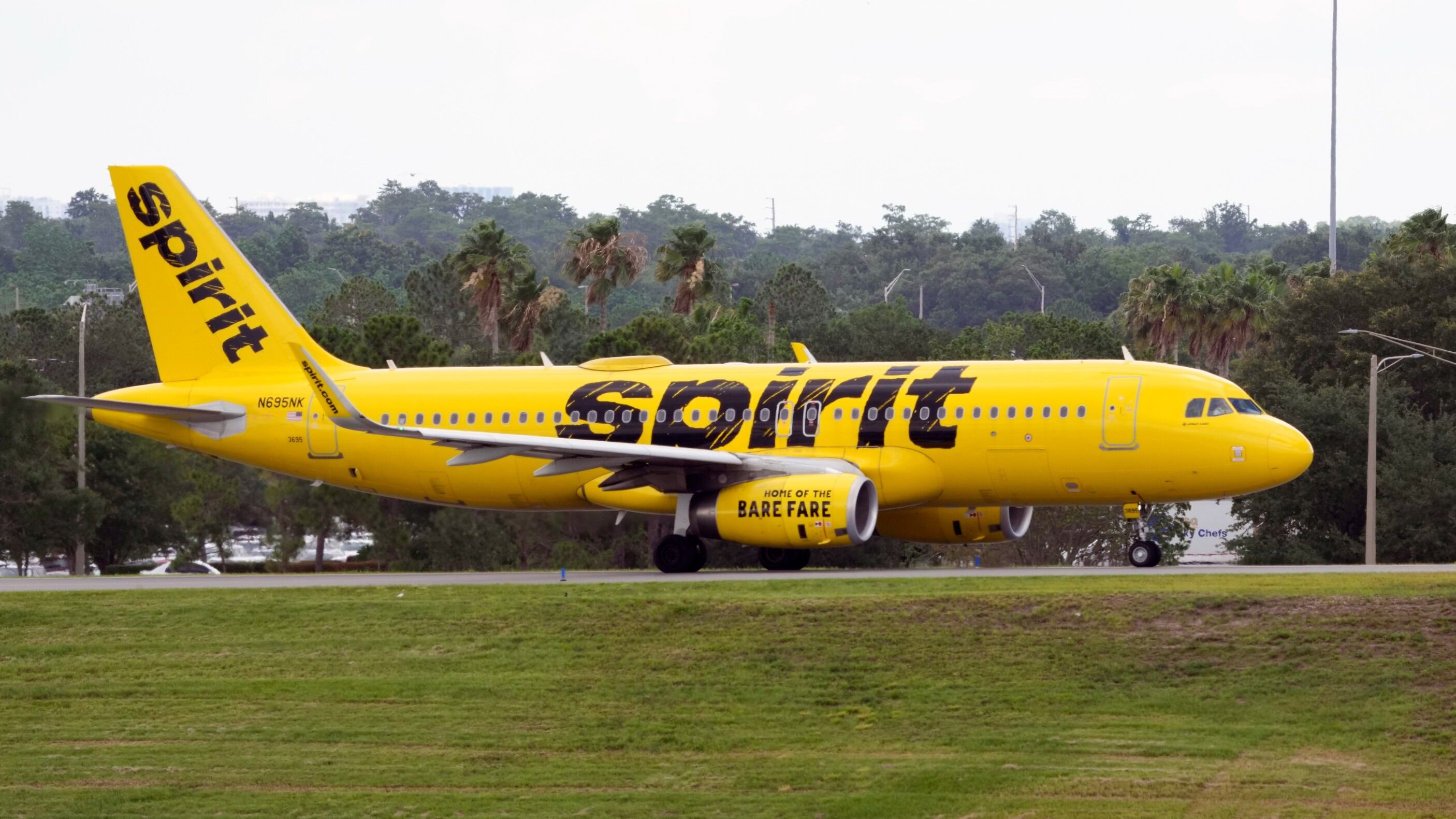
A Spirit Airlines plane taxis to a runway at Orlando International Airport Thursday, June 1, 2023, in Orlando, Fla. (AP Photo/John Raoux, File)
Spirit Airlines canceled about 100 flights on Friday after pulling some planes out of service for inspections, and the airline expects the disruptions to last several days.
Spirit did not describe the nature of the inspections and did not respond when asked for further information.
By Friday afternoon, Spirit had canceled 11% of its schedule for the day, easily the highest percentage of scrubbed flights among leading U.S. carriers, according to tracking service FlightAware.
“We’ve cancelled a portion of our scheduled flights to perform a necessary inspection of a small section of 25 of our aircraft,” Spirit said in a statement. “The impact to our network is expected to last several days as we complete the inspections and work to return to normal operations.”
The Federal Aviation Administration said it was aware of Spirit's decision to pull the planes from service for a “mandatory maintenance inspection." The FAA did not describe the inspections either, but said it "will ensure that the matter is addressed before the airplanes are returned to service.”
Spirit had 198 planes as of June 30, all of them variants of the Airbus A320 family, according to a company regulatory filing.
The airline told customers to check the status of their flight before going to the airport.
About half of the Spirit cancellations were at Florida’s Orlando International Airport, where Spirit is the second-largest carrier.
Spirit, which is based in Miramar, Florida, has canceled more than 3,600 flights this year, or 1.5% of its schedule. That is lower than the 2% cancellation rate at Frontier Airlines, a similar budget carrier, and rates for JetBlue Airways and United Airlines.
U.S. stocks fell sharply to close Tuesday's session, with the Nasdaq dropping 3.95% and hitting a new one-year low. Frances Newton Stacy, Director of Strategy for Optimal Capital, joins Cheddar News to discuss her reaction to how markets closed the session, and to break down Q3 2022 earnings from Microsoft. "Netflix was sort of the big warning, and I think Big Tech was down today in anticipation of these earnings," she says.
Ryan Glasspiegel, sports and entertainment reporter for the New York Post, explains why we're seeing teams and leagues gravitate towards Las Vegas, and sheds light on the recent report that Amazon is pushing for a Black Friday NFL game.
With Netflix losing 200,000 subscribers in one quarter, and CNN+ shutting down just weeks after launch, the streaming industry is in a place of uncertainty. Hundreds of people who once thought they had steady jobs now face potential unemployment as streamers figure out how to navigate the constantly changing landscape. Greg Martin, co-founder of Rainmaker Securities, joined Cheddar's Opening Bell to discuss the state of streaming, its troubles, and how its impacting hundreds of workers.
Lance Ippolito, Head Trader at the Future Of Wealth, breaks down the most significant headwinds facing big tech and highlights how companies will fair amid high inflation.
In honor of Earth Day, Peter Krull, Founder and CEO of Earth Equity Advisors, joined Cheddar's Opening Bell to discuss how we can keep corporations accountable to their climate change promises. He argued the recent focus on ESGs and sustainable investing in some ways "has made it easier and more accessible to folks, but it's also made it easier for companies to be misleading in how they portray themselves."
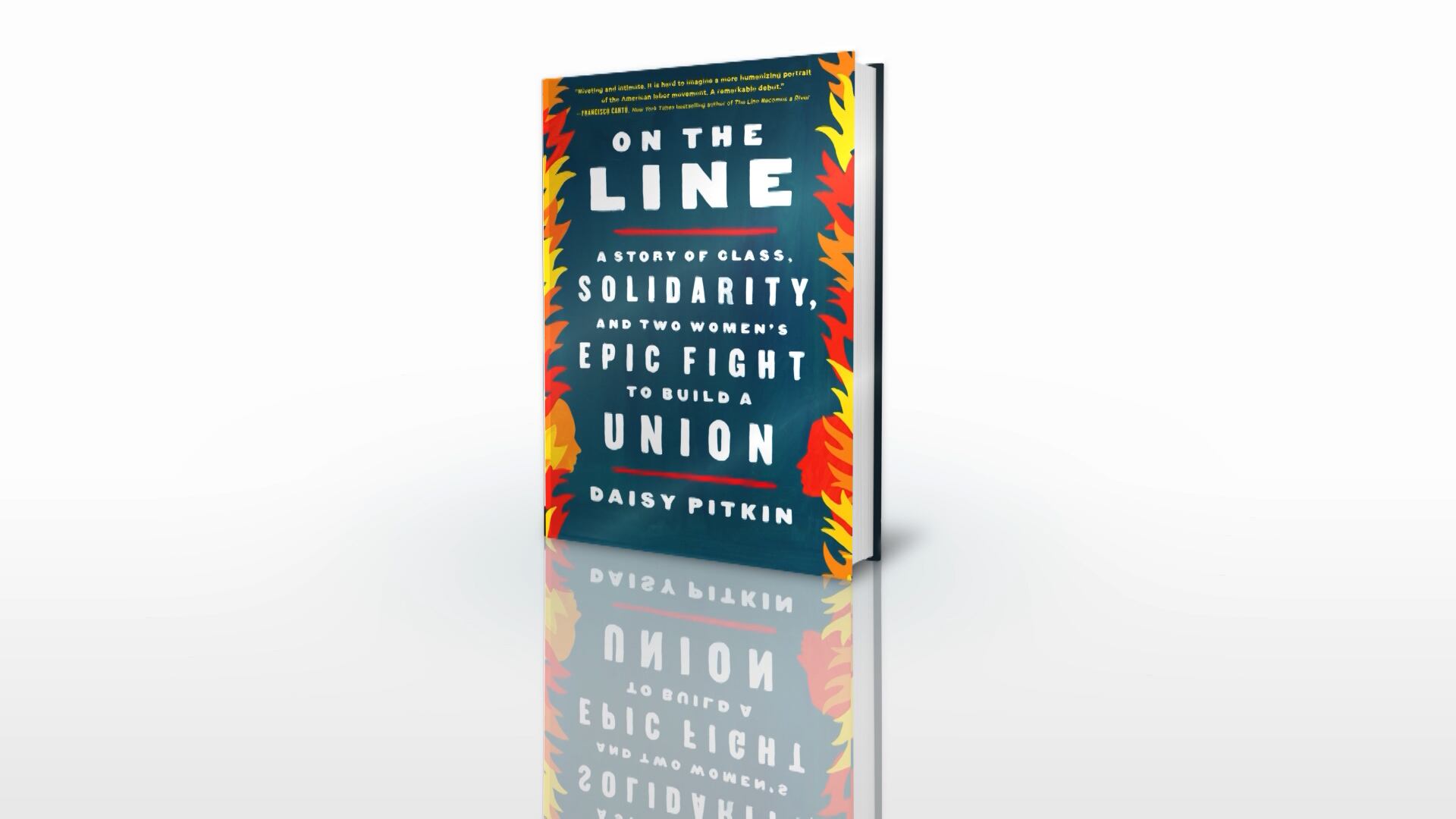
Daisy Pitkin, author of "On The Line: A Story of Class, Solidarity, and Two Women's Epic Fight to Build a Union," joined Cheddar's Opening Bell to discuss her work as a union organizer at Workers United, helping Starbucks workers to organize. Pitkin expressed her enthusiasm for the recent labor push across the country, and explained how the movement can gain even more momentum in the future.
Lance Ippolito, Head Trader at the Future of Wealth, talks about the investor concerns leading to Big Tech earnings and how the shift in consumer buying habits may signal weakness for the overall market.