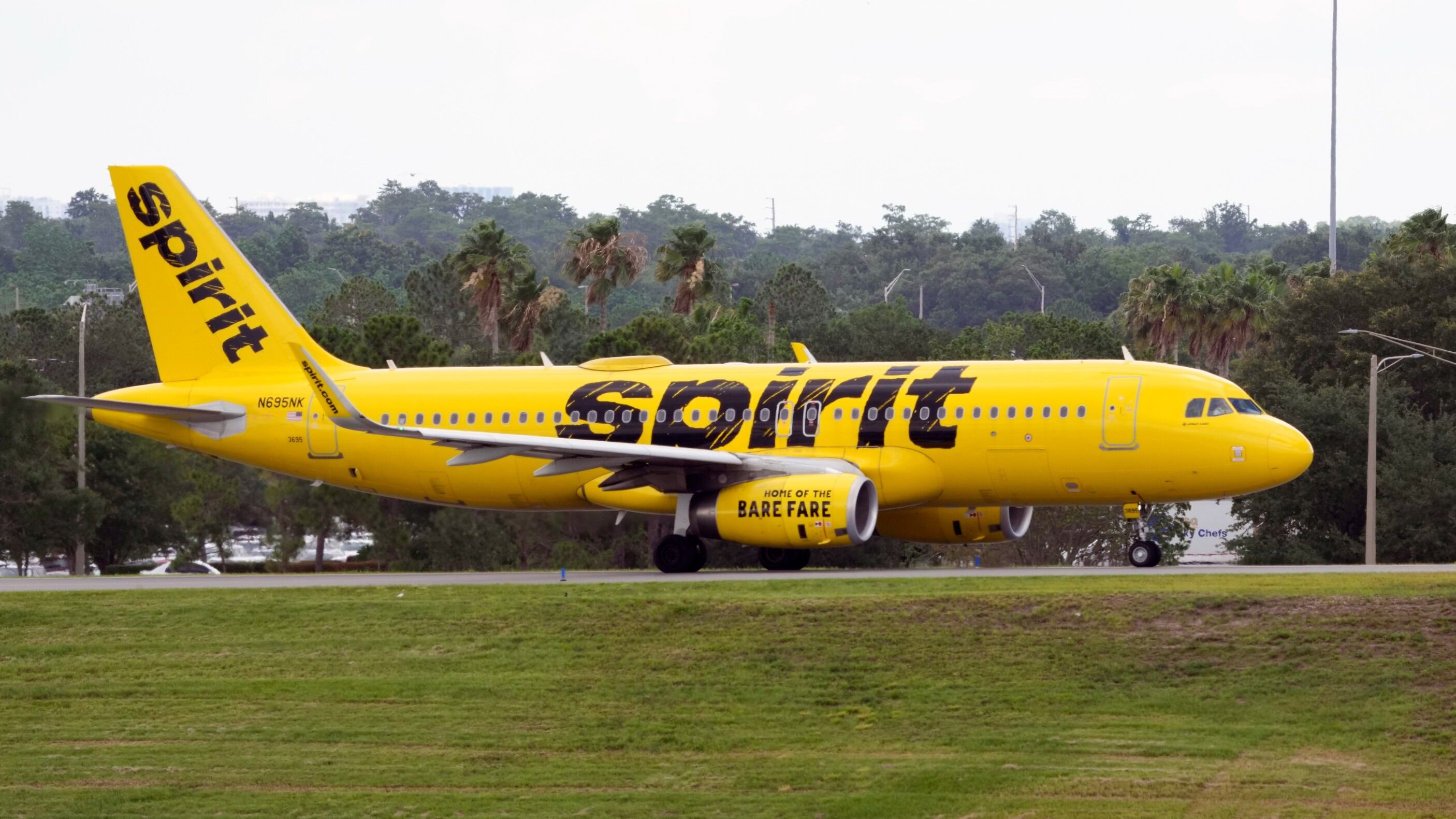
A Spirit Airlines plane taxis to a runway at Orlando International Airport Thursday, June 1, 2023, in Orlando, Fla. (AP Photo/John Raoux, File)
Spirit Airlines canceled about 100 flights on Friday after pulling some planes out of service for inspections, and the airline expects the disruptions to last several days.
Spirit did not describe the nature of the inspections and did not respond when asked for further information.
By Friday afternoon, Spirit had canceled 11% of its schedule for the day, easily the highest percentage of scrubbed flights among leading U.S. carriers, according to tracking service FlightAware.
“We’ve cancelled a portion of our scheduled flights to perform a necessary inspection of a small section of 25 of our aircraft,” Spirit said in a statement. “The impact to our network is expected to last several days as we complete the inspections and work to return to normal operations.”
The Federal Aviation Administration said it was aware of Spirit's decision to pull the planes from service for a “mandatory maintenance inspection." The FAA did not describe the inspections either, but said it "will ensure that the matter is addressed before the airplanes are returned to service.”
Spirit had 198 planes as of June 30, all of them variants of the Airbus A320 family, according to a company regulatory filing.
The airline told customers to check the status of their flight before going to the airport.
About half of the Spirit cancellations were at Florida’s Orlando International Airport, where Spirit is the second-largest carrier.
Spirit, which is based in Miramar, Florida, has canceled more than 3,600 flights this year, or 1.5% of its schedule. That is lower than the 2% cancellation rate at Frontier Airlines, a similar budget carrier, and rates for JetBlue Airways and United Airlines.
Online broker TradeStation Group has landed on Wall Street. The company went public via SPAC deal, valuing the combined venture at $1.4 billion. John Bartleman , President & CEO TradeStation Group, Inc. joined Cheddar's Opening Bell to discuss.
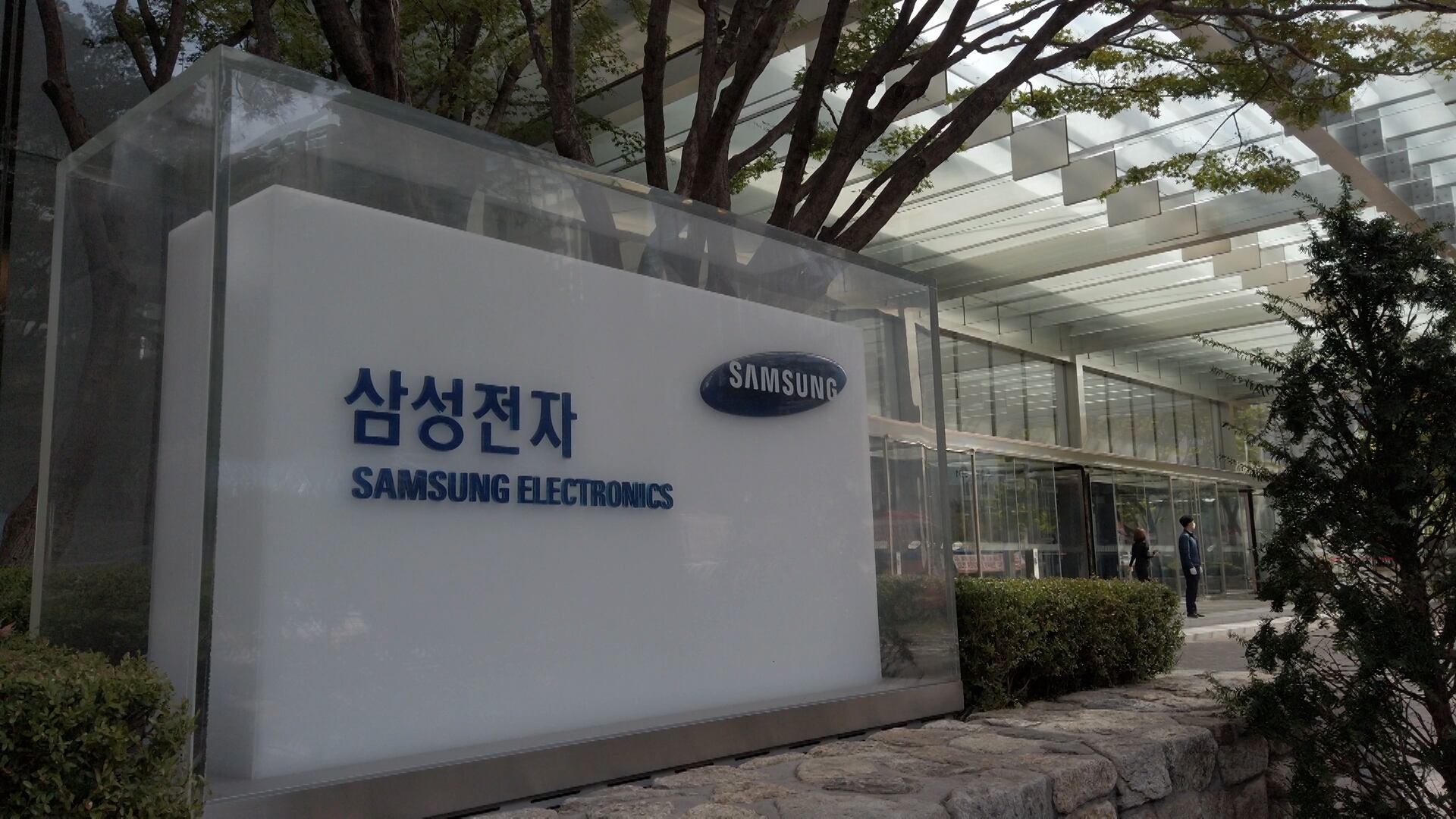
Samsung is getting a major shake-up. In its biggest reshuffle since 2017, the South Korean company is merging its mobile and consumer electronics divisions and replacing its three CEOs with two new leaders. The move is seen as an effort to simplify its structure and focus more on the semiconductor business. Paulina Likos, investing reporter for U.S. News & World Report, explains why Samsung is merging these two units now, and its potential priorities moving forward.
U.S. markets opened lower despite positive jobs data, which saw weekly claims drop to a 52-year low. Kevin Nicholson, Co-CIO Global Fixed Income, RiverFront Investment Group joined Cheddar's Opening Bell to discuss the labor market, inflation, and the impact of the Omicron variant on global markets.
Sarah E. Needleman, reporter at The Wall Street Journal joins Cheddar News to discuss the recent AWS outage and if the internet is too dependent on Amazon.
Italy's antitrust regulators have fined Amazon $1.28 billion for pushing sellers on the platform to use its own logistic services over third parties. The e-commerce giant said it plans to appeal the decision.
Dr. Susan Garfield, Chief Public Health Officer of EY Americas, joins Cheddar News to discuss companies' adjustments and mindsets as the Omicron variant spreads, and what companies must do to address health inequities.
A packed Thursday pod: Carlo and Baker cover the latest developments in the Ghislaine Maxwell, Jussie Smollett and Elizabeth Holmes trials. Plus, Dems are losing the Hispanic vote, Boris Johnson in trouble again, and is it possible that Adele has peaked?