A Southwest Airlines executive apologized for the company's holiday season meltdown in front of a panel of senators on Thursday.
The airline company canceled nearly 17,000 flights and stranded more than two million customers between December 21 and December 31 following a winter storm, far more than any other airline. The Senate Commerce Committee questioned executives in a hearing that focused on those disruptions.
"Let me be clear, we messed up," Southwest Chief Operating Officer Andrew Watterson told senators. "I want to sincerely and humbly apologize to those impacted by the disruption,"
"In hindsight, we did not have enough winter operational resiliency," Watterson explained.
The Southwest executive assured the committee that the company has been working to improve its systems.
"We are doing a system-wide review of our preparedness for winter operations and will implement any measures necessary to mitigate the risk of an event like this occurring in the future," Watterson said.
The company has budgeted $1.3 billion for 2023 investments, upgrades, and maintenance of their IT systems.
Democratic Senator Ed Markey, unsatisfied with the executive's explanation, demanded the airline company give a "cash hardship payment" to those affected.
Some Republicans, however, were more sympathetic with the airline company.
"I've had multiple conversations with senior leadership at Southwest. I'm confident they understand it was an epic screw-up and that they are committed to doing everything possible to prevent its recurrence," Sen.Ted Cruz of Texas said.
Watterson testified the airline had reimbursed 273,406 customers, and that every impacted customer had been emailed flyer points, along with an apology.
But, the airline company would not pay customers directly for their inconvenience unless it was "reimbursement of a flight they took in the disruption," Watterson said.
The U.S. Transportation Department is also investigating Southwest for its flight scheduling throughout the disruption.
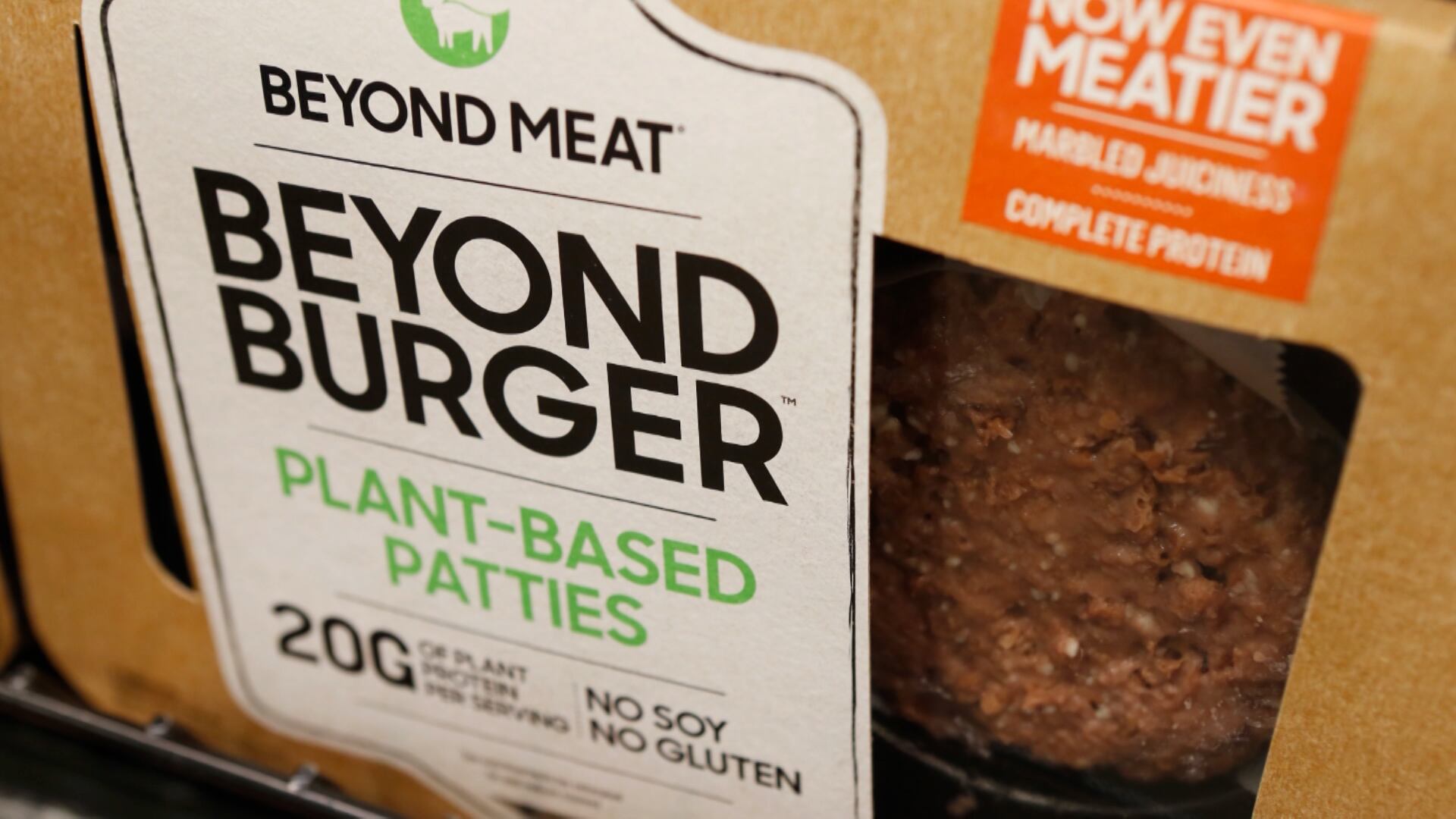
The U.S. market value of the plant-based food industry reached an all-time high last year. According to a new report from the Plant Based Food Association, retail sales of plant-based foods reached $7.4 billion, but questions are arising over whether the industry can sustain the levels of growth it had in the past few years. Julie Emmett, senior director of marketplace development at the Plant Based Food Association, joined Cheddar News' Closing Bell to discuss.
Jimmy Lee, CEO of Wealth Consulting Group, joins Cheddar News' Closing Bell, where he explains why he and his firm remain bullish on the market despite the volatility brought on by the Russia-Ukraine conflict and rising inflation.
Saint Peter's University - a small school in New Jersey school - has skyrocketed to the center of the sports world in a 'Cinderella' story for the record books. The ultimate underdog of the men's March Madness tournament is just the third 15-seed to reach the Sweet 16, after beating Murray State and college basketball powerhouse Kentucky. Throughout the university's historic run, Saint Pete's has reportedly been earning what amounts to millions of dollars in publicity. Amanda Christovich, reporter for Front Office Sports, joins Cheddar News' Closing Bell to discuss.
Kyte, a company that delivers rental cars to customers on-demand, closed an asset-backed credit financing of up to $200 million from Goldman Sachs and the Ares Global Management Alternative Credit Team to accelerate the company's fleet growth and margin expansion. Kyte and its financing providers will create a more robust trip economy that services a more demanding customer with a shared vision of an electrified, autonomous future. Ludwig Schoenack, co-founder and co-CEO of Kyte, joins Cheddar News' Closing Bell to discuss.
Volatility continues to be the name of the game when it comes to crypto. Bitcoin, the most valuable digital token, saw a small jump today - one of several small rallies throughout the month of March. Caitlin Cook, vice president of crypto education company Onramp Academy, joins Cheddar News' Closing Bell to discuss.
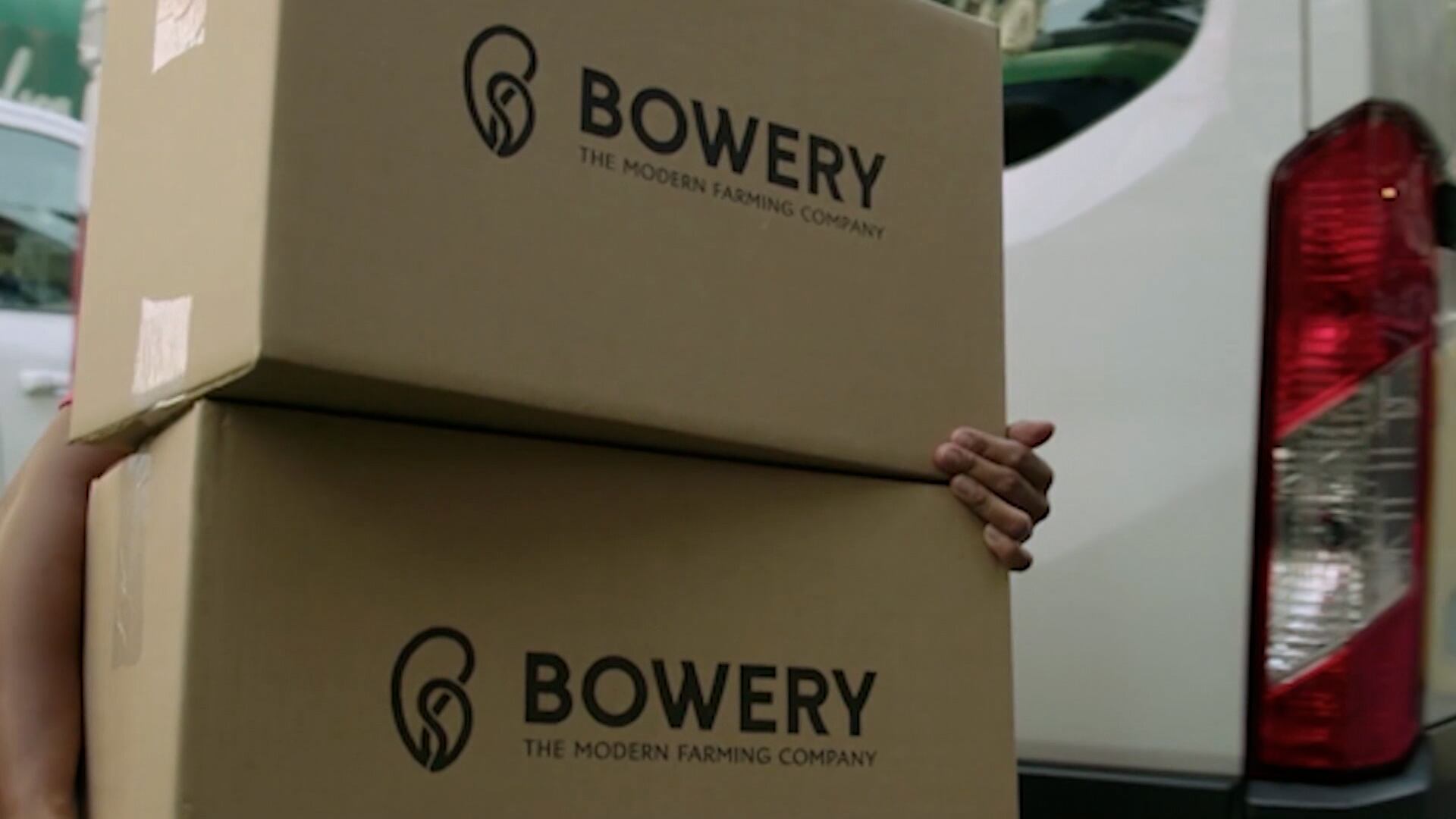
Bowery Farming's vertical growing process allows it to cultivate 13 types of greens — and now, strawberries — in a sustainable way that's also faster than traditional farming. Bowery focuses on sustainability from start to finish, using unique technology to provide plants with what they need at the right time while eliminating waste and cutting down on carbon dioxide emissions. Katie Seawell, Chief Commercial Officer of Bowery Farming, joins Closing Bell to discuss the company's vertical farming process, sustainability focus, fixing the food supply chain, and more.