A Southwest Airlines executive apologized for the company's holiday season meltdown in front of a panel of senators on Thursday.
The airline company canceled nearly 17,000 flights and stranded more than two million customers between December 21 and December 31 following a winter storm, far more than any other airline. The Senate Commerce Committee questioned executives in a hearing that focused on those disruptions.
"Let me be clear, we messed up," Southwest Chief Operating Officer Andrew Watterson told senators. "I want to sincerely and humbly apologize to those impacted by the disruption,"
"In hindsight, we did not have enough winter operational resiliency," Watterson explained.
The Southwest executive assured the committee that the company has been working to improve its systems.
"We are doing a system-wide review of our preparedness for winter operations and will implement any measures necessary to mitigate the risk of an event like this occurring in the future," Watterson said.
The company has budgeted $1.3 billion for 2023 investments, upgrades, and maintenance of their IT systems.
Democratic Senator Ed Markey, unsatisfied with the executive's explanation, demanded the airline company give a "cash hardship payment" to those affected.
Some Republicans, however, were more sympathetic with the airline company.
"I've had multiple conversations with senior leadership at Southwest. I'm confident they understand it was an epic screw-up and that they are committed to doing everything possible to prevent its recurrence," Sen.Ted Cruz of Texas said.
Watterson testified the airline had reimbursed 273,406 customers, and that every impacted customer had been emailed flyer points, along with an apology.
But, the airline company would not pay customers directly for their inconvenience unless it was "reimbursement of a flight they took in the disruption," Watterson said.
The U.S. Transportation Department is also investigating Southwest for its flight scheduling throughout the disruption.
Despite headwinds from COVID-19, Omni Hotels and Resorts has been able to stay on track, with many new properties in the works. The hotel and resorts chain has also seen a 50% uptick in revenue across all of its locations compared to its levels in 2019. Peter Strebel, President & CEO of Omni Hotels & Resorts, joined Cheddar to talk about how Omni was able to emerge from the pandemic stronger than ever, and give insight into the expected summer travel surge.
Keri Miller, HOA Treasurer at Mallard Creek, and Mike Hunter, Attorney at Offit Kurman, discuss how residents feel about the rise in corporate rentals and what is being done to curtail the short-term rentals trend.
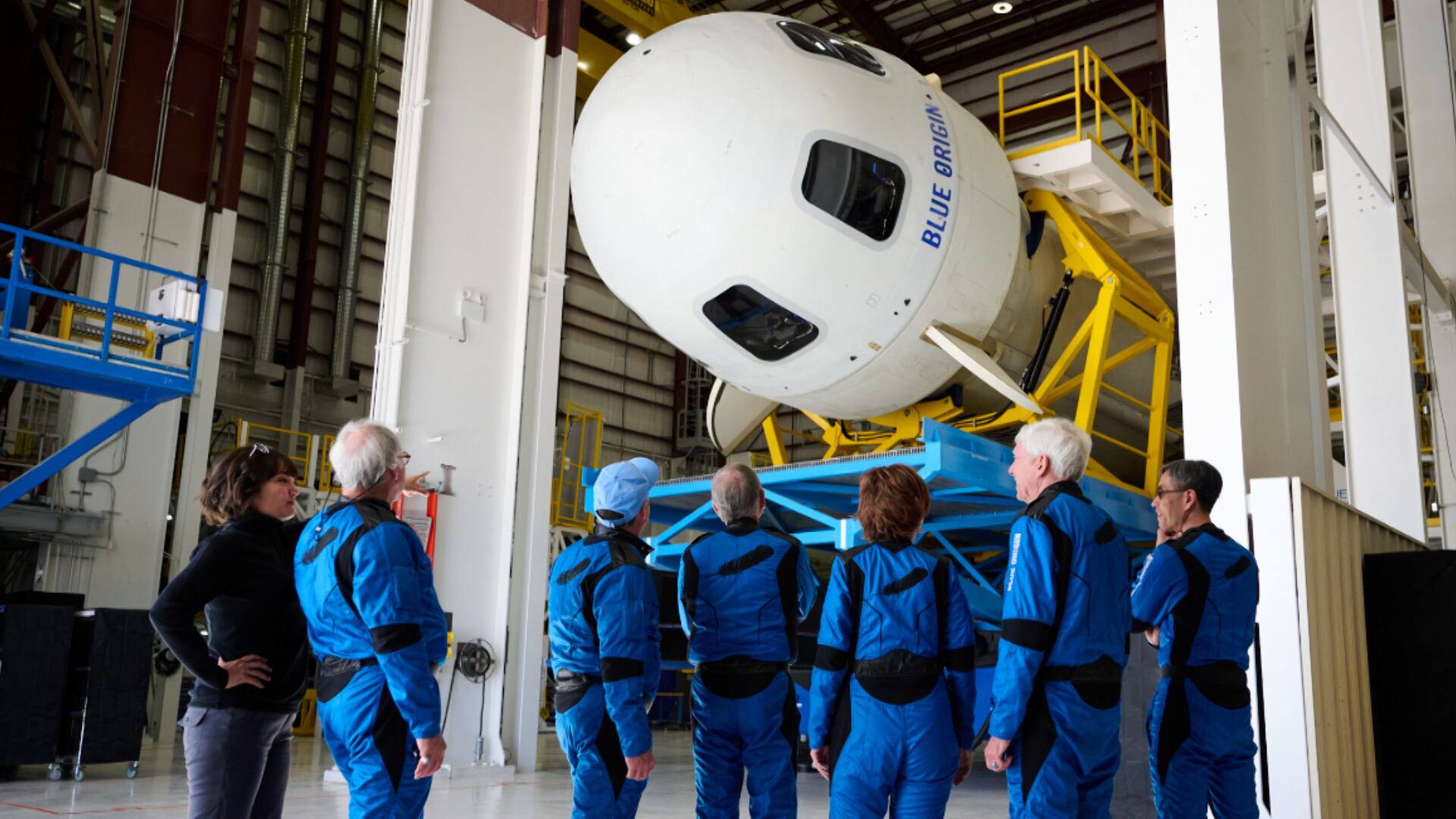
Rick Tumlinson, Founding Partner of SpaceFund, discusses the industries driving the space economy and what should investors look for when investing in space companies.
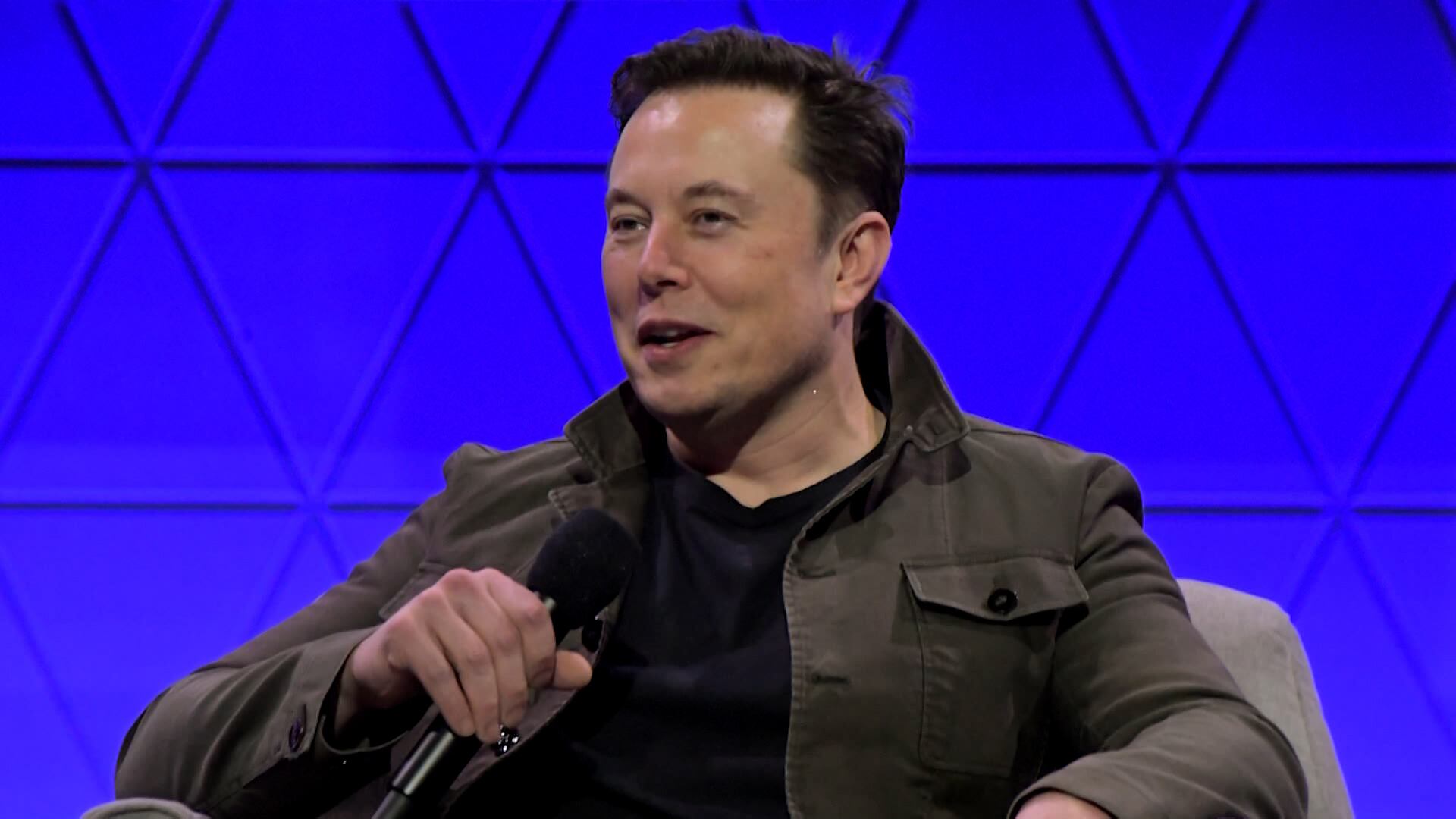
Elon Musk is set to join Twitter's board of directors. This comes shortly after the Tesla CEO purchased a 9.2% stake in Twitter, sending shares surging as much as 27% and making him the largest shareholder in the social media company. Angelo Zino, Senior Industry Analyst at CFRA Research, joined Cheddar's Opening Bell to gives his take on the social media saga.
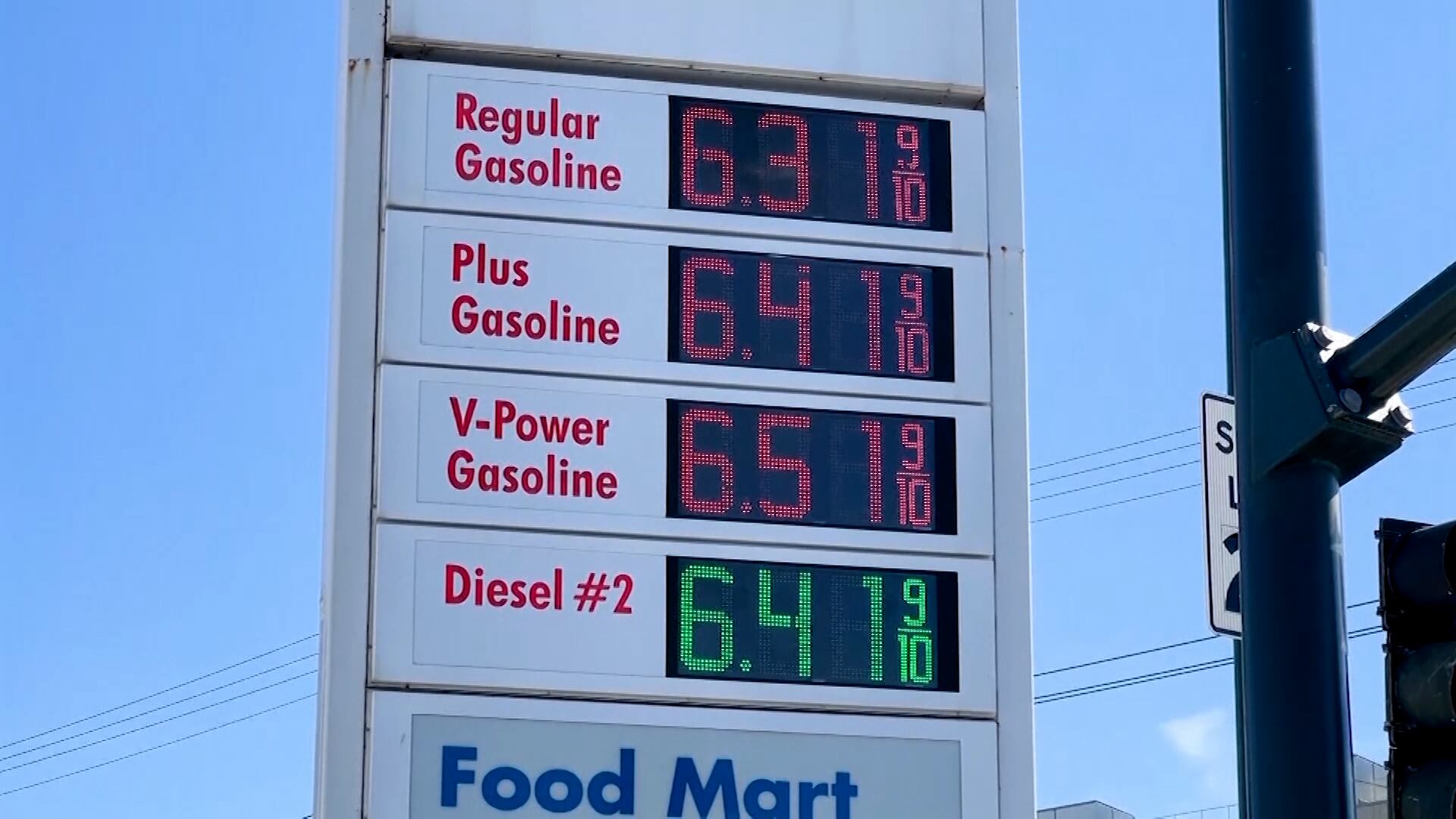
President Biden has announced a historic release of oil from the U.S. reserves in an attempt to cut down surging gas prices across the country. The administration will release 1 million barrels of oil per day for the next six months, marking the largest withdrawal in the nearly 50-year history of the country's emergency supply of oil. Patrick DeHaan, Head of Petroleum Analysis at GasBuddy, breaks down why the Biden administration is making this unprecedented move, and what impact it could have on prices at the pump.
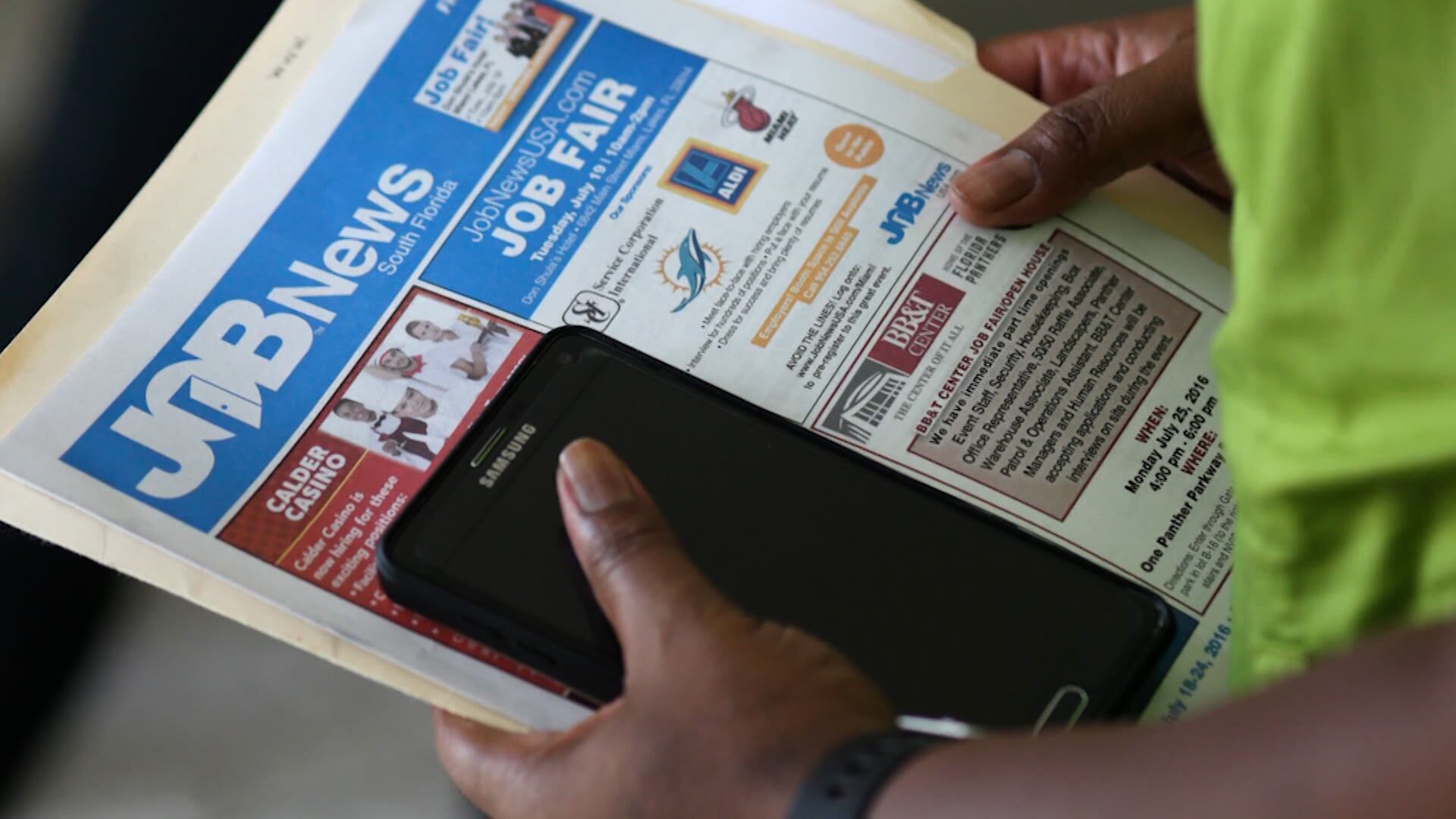
Rhea Thomas, Senior Economist at Wilmington Trust, breaks down the highlights from the latest jobs report and discusses how inflation could impact economic growth.
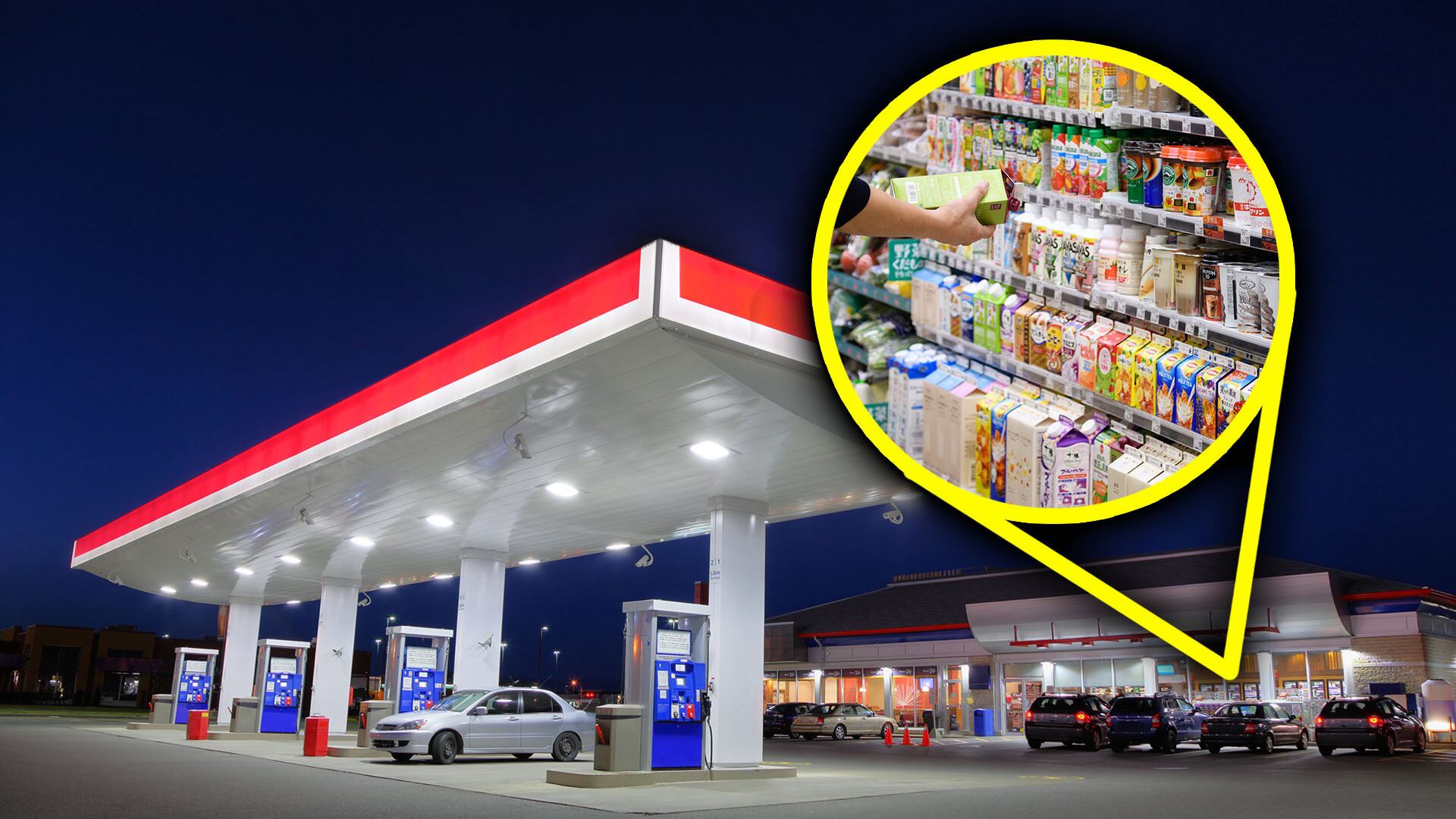
American gas stations are massive and only getting bigger. That's because most chains like Wawa, Sheetz, and Buc-ee's sell way more than just gas. So when and why did gas stations change from single-pump service garages to supersized, all-in-one travel hubs?