A Southwest Airlines executive apologized for the company's holiday season meltdown in front of a panel of senators on Thursday.
The airline company canceled nearly 17,000 flights and stranded more than two million customers between December 21 and December 31 following a winter storm, far more than any other airline. The Senate Commerce Committee questioned executives in a hearing that focused on those disruptions.
"Let me be clear, we messed up," Southwest Chief Operating Officer Andrew Watterson told senators. "I want to sincerely and humbly apologize to those impacted by the disruption,"
"In hindsight, we did not have enough winter operational resiliency," Watterson explained.
The Southwest executive assured the committee that the company has been working to improve its systems.
"We are doing a system-wide review of our preparedness for winter operations and will implement any measures necessary to mitigate the risk of an event like this occurring in the future," Watterson said.
The company has budgeted $1.3 billion for 2023 investments, upgrades, and maintenance of their IT systems.
Democratic Senator Ed Markey, unsatisfied with the executive's explanation, demanded the airline company give a "cash hardship payment" to those affected.
Some Republicans, however, were more sympathetic with the airline company.
"I've had multiple conversations with senior leadership at Southwest. I'm confident they understand it was an epic screw-up and that they are committed to doing everything possible to prevent its recurrence," Sen.Ted Cruz of Texas said.
Watterson testified the airline had reimbursed 273,406 customers, and that every impacted customer had been emailed flyer points, along with an apology.
But, the airline company would not pay customers directly for their inconvenience unless it was "reimbursement of a flight they took in the disruption," Watterson said.
The U.S. Transportation Department is also investigating Southwest for its flight scheduling throughout the disruption.
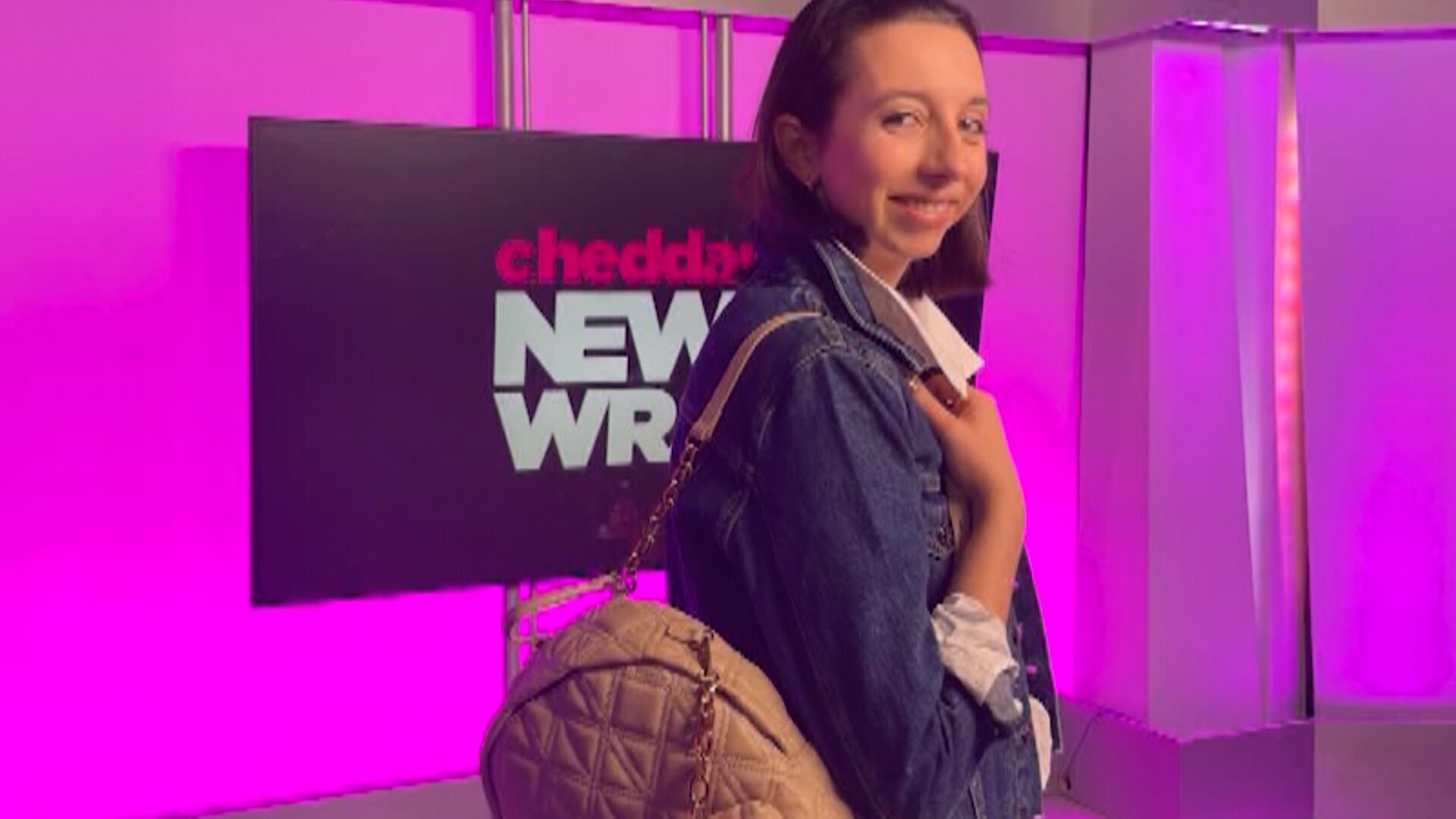
As life inches toward a post-pandemic world, many people are trying to navigate how to transition from their work-from-home look to a new back-to-office style for the first time in two years. Dina Scherer, the owner of Modnitsa Styling, joined Cheddar News to provide some styling suggestions for those returning to the office. 'I do hear this from a lot of my clients that they just have no idea how to transition from sweat pants, athleisure, into a work office environment outfit that's both appropriate and comfortable,' she noted.
Kelly Johnson, Portfolio Strategist, Charles Schwab, joins Cheddar News' Closing Bell, where he breaks down the results of the 2022 Ariel-Schwab Black Investor Survey. In doing so, he dives into why White American investing activity is at an all-time low and why more Black Americans are gravitating toward cryptocurrencies.
U.S. stocks closed Friday's session mostly lower to end the first full trading week of April. For the week, the S& 500 dropped 1.26%, the Dow fell 0.27%, and the Nasdsaq saw a more significant decline of 3.86%. Melissa Armo, founder and owner of The Stock Swoosh, joined Cheddar News' Closing Bell to discuss.
U.S. stocks saw a jump in the final hour of Thursday's session, and ultimately closed slightly higher for the day. Tim Pagliara, Chief Investment Officer of CapWealth, joined Cheddar News' Closing Bell to discuss. "The markets have had to digest a lot of action from the federal reserve this quarter and it's affecting everything from mortgage rates to how they value stocks," he said.
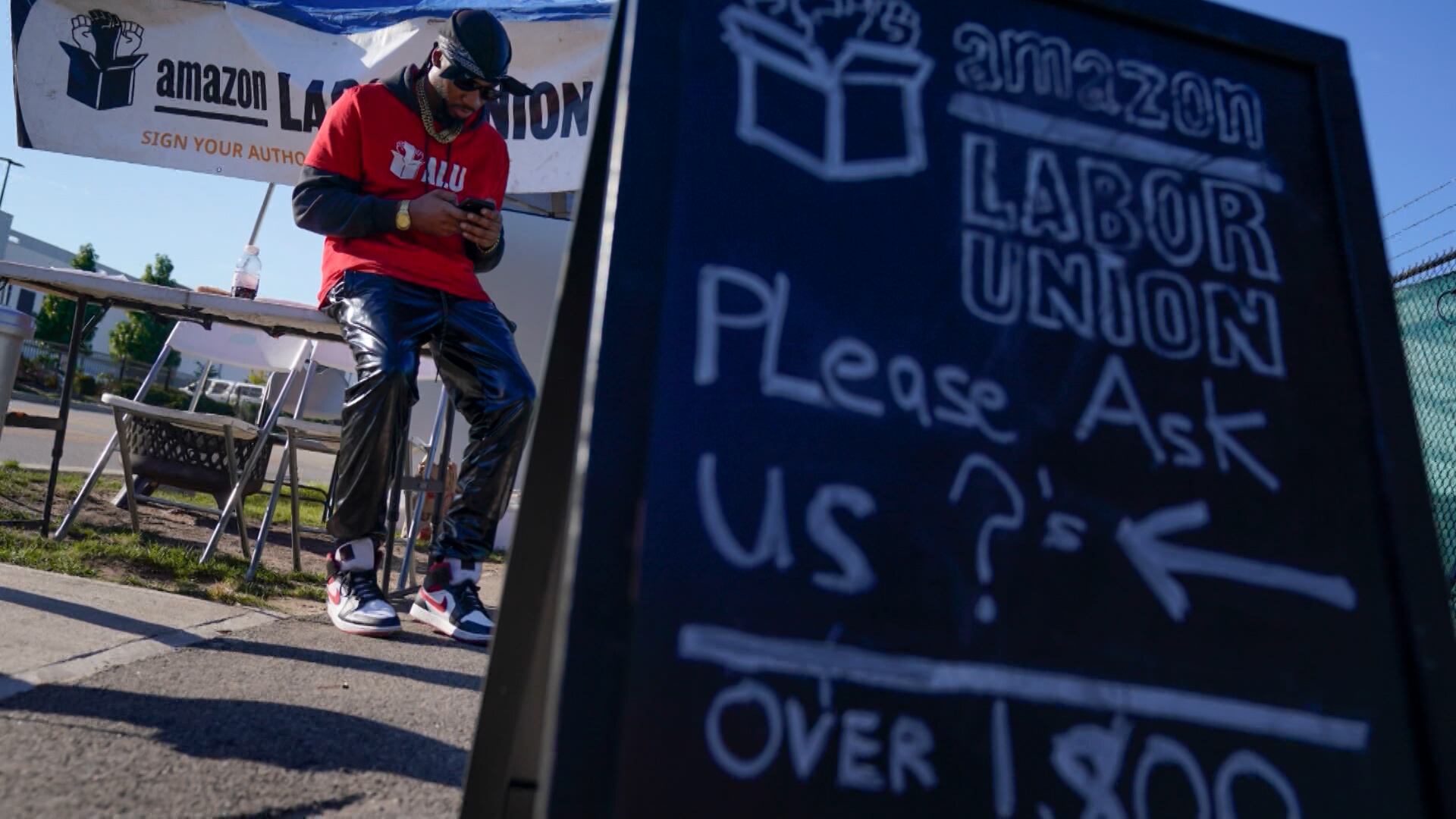
Herold Meyerson, Editor at Large of 'The American Prospect,' joined Closing Bell to discuss the recent uptick in unionization efforts across the U.S. and what it might mean for large corporations like Amazon and Starbucks, where workers are increasingly pushing to unionize.
Alma Angotti, a former SEC Enforcement Attorney and Global Regulatory Risk Leader at the consulting firm Guidehouse, joined Closing Bell to discuss the SEC probe of Amazon's business practices related to third-party seller data, and whether it will have any impact.
The month of April is also known as financial literacy month, and Investopdia marked the occasion this year by surveying 4,000 U.S. adults - 1,000 each from Generation Z, millennial, Generation X, and baby boomer generations - to try to get a better sense of where each generation stands when it comes to their understanding of all things money. The survey found that while many Americans have invested in crypto, most have much more to learn about digital currency. Investopedia Editor in Chief Caleb Silver joins Cheddar News' Closing Bell to discuss.