A Southwest Airlines executive apologized for the company's holiday season meltdown in front of a panel of senators on Thursday.
The airline company canceled nearly 17,000 flights and stranded more than two million customers between December 21 and December 31 following a winter storm, far more than any other airline. The Senate Commerce Committee questioned executives in a hearing that focused on those disruptions.
"Let me be clear, we messed up," Southwest Chief Operating Officer Andrew Watterson told senators. "I want to sincerely and humbly apologize to those impacted by the disruption,"
"In hindsight, we did not have enough winter operational resiliency," Watterson explained.
The Southwest executive assured the committee that the company has been working to improve its systems.
"We are doing a system-wide review of our preparedness for winter operations and will implement any measures necessary to mitigate the risk of an event like this occurring in the future," Watterson said.
The company has budgeted $1.3 billion for 2023 investments, upgrades, and maintenance of their IT systems.
Democratic Senator Ed Markey, unsatisfied with the executive's explanation, demanded the airline company give a "cash hardship payment" to those affected.
Some Republicans, however, were more sympathetic with the airline company.
"I've had multiple conversations with senior leadership at Southwest. I'm confident they understand it was an epic screw-up and that they are committed to doing everything possible to prevent its recurrence," Sen.Ted Cruz of Texas said.
Watterson testified the airline had reimbursed 273,406 customers, and that every impacted customer had been emailed flyer points, along with an apology.
But, the airline company would not pay customers directly for their inconvenience unless it was "reimbursement of a flight they took in the disruption," Watterson said.
The U.S. Transportation Department is also investigating Southwest for its flight scheduling throughout the disruption.
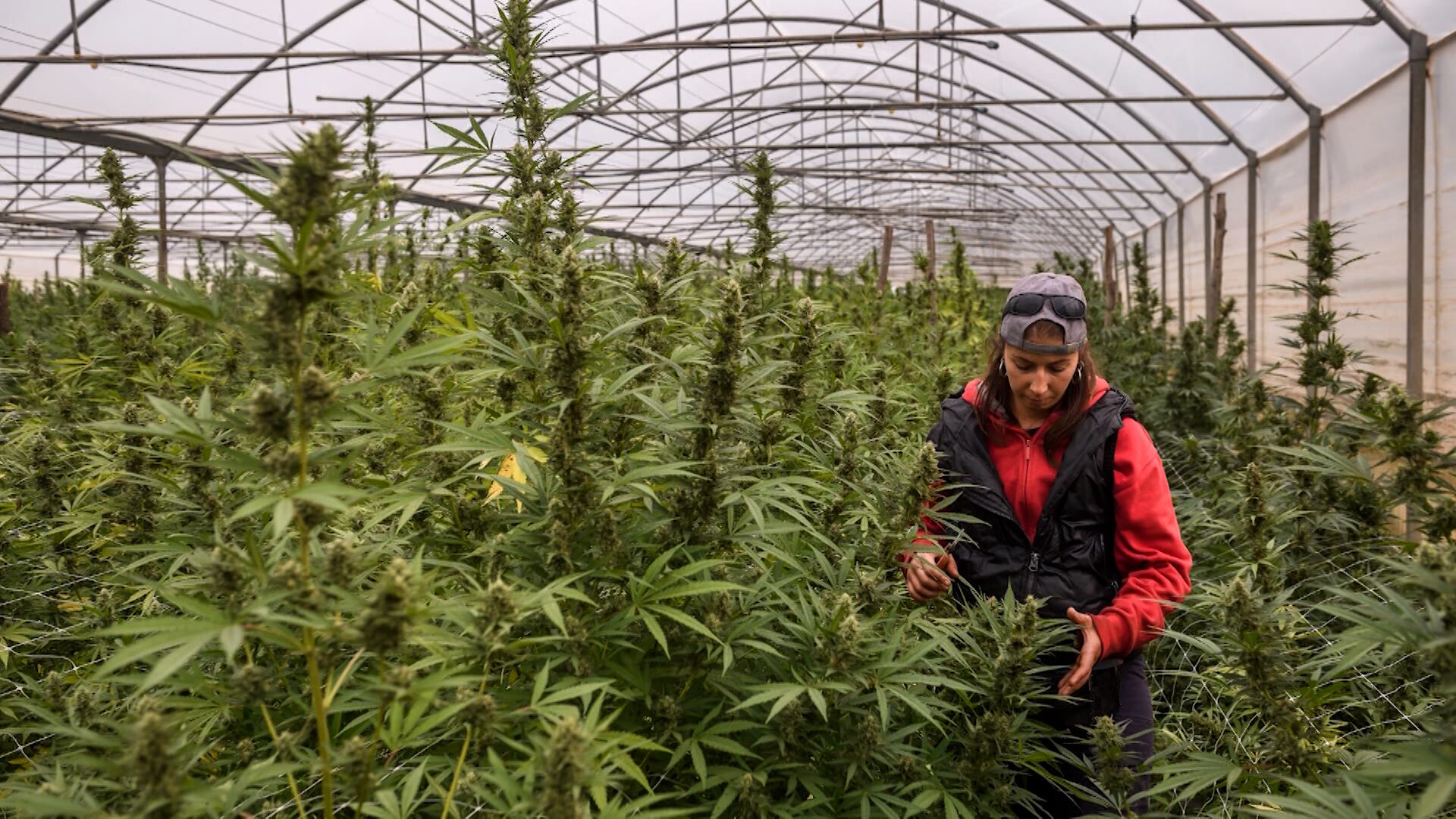
Cheddar's Chloe Aiello has our cannabis year-in-review, breaking down how several states legalized adult recreational use and greenlit medicinal use in 2021. She noted that while a cannabis legalization and decriminalization bill was introduced in Congress this year, potential FDA involvement in the industry, as well as a 25 percent excise tax, killed any chance the bill had of moving forward. Aiello also speculated that some form of cannabis reform could be rolled out in 2022, as the midterm elections draw closer.
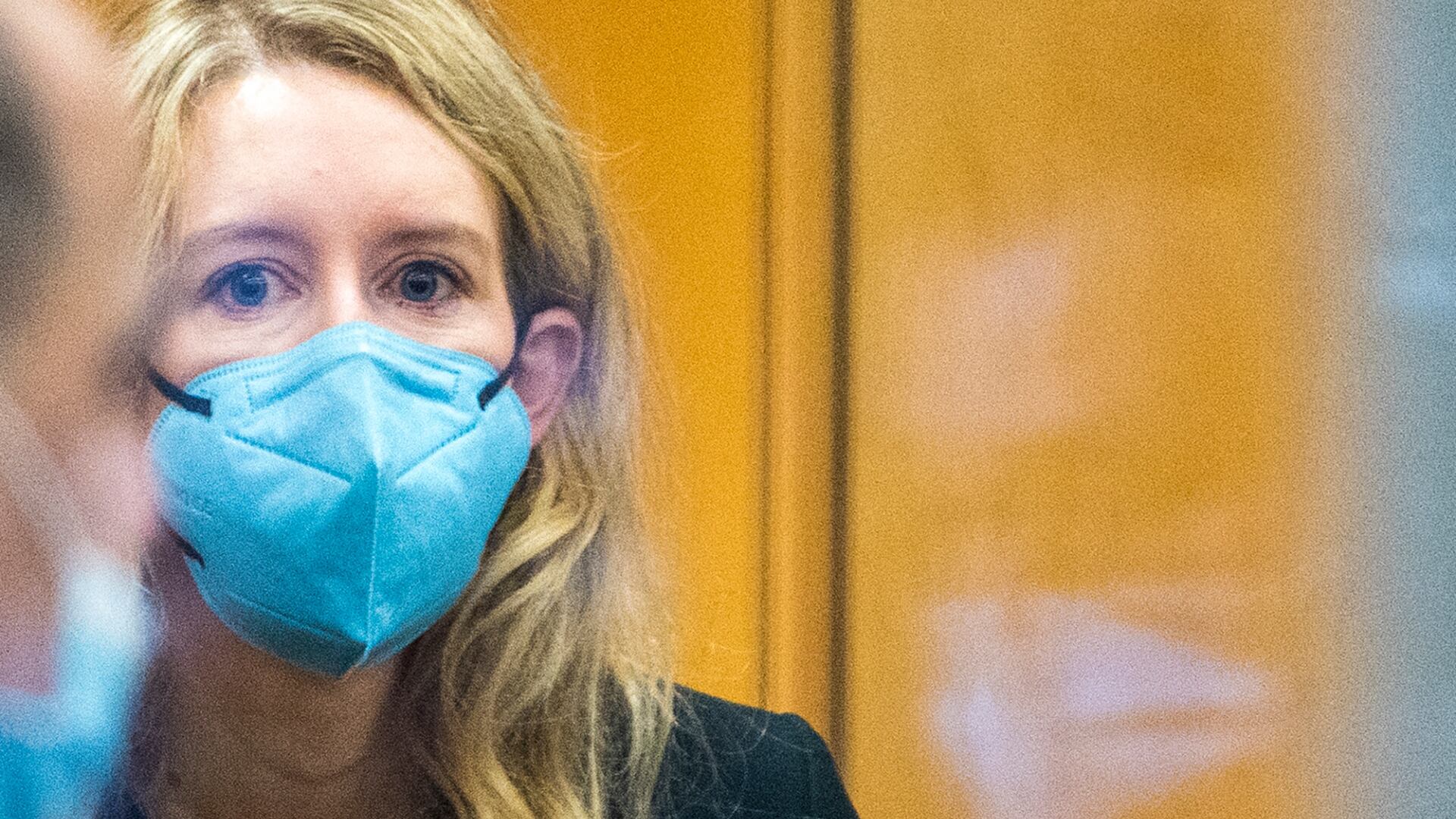
Jurors in the trial against Theranos CEO Elizabeth Holmes have entered day six of deliberations. Holmes is accused of lying to investors about the functionality of a newly developed blood-testing technology. Andrew George, partner at Baker Botts, joined Cheddar to break down key points in the case and what the jury might be considering during their deliberations. He also noted that the rest of Silicon Valley, including Holmes' business partner, Ramesh "Sunny" Balwani, who is facing identical charges, is closely watching the outcome of deliberations — as it could set the tone for future regulations and Balwani's own trial.
While slumps within the crypto market have typically correlated with major developments, such as China's crypto crackdown or Tesla reversing course on accepting bitcoin, the current slide is coming at a time when the stock market is at or near record levels. Reporter Alex Vuocolo talks about the role of the crypto derivatives market in bitcoin's latest price drop, as well as the future of sustainability in the space.
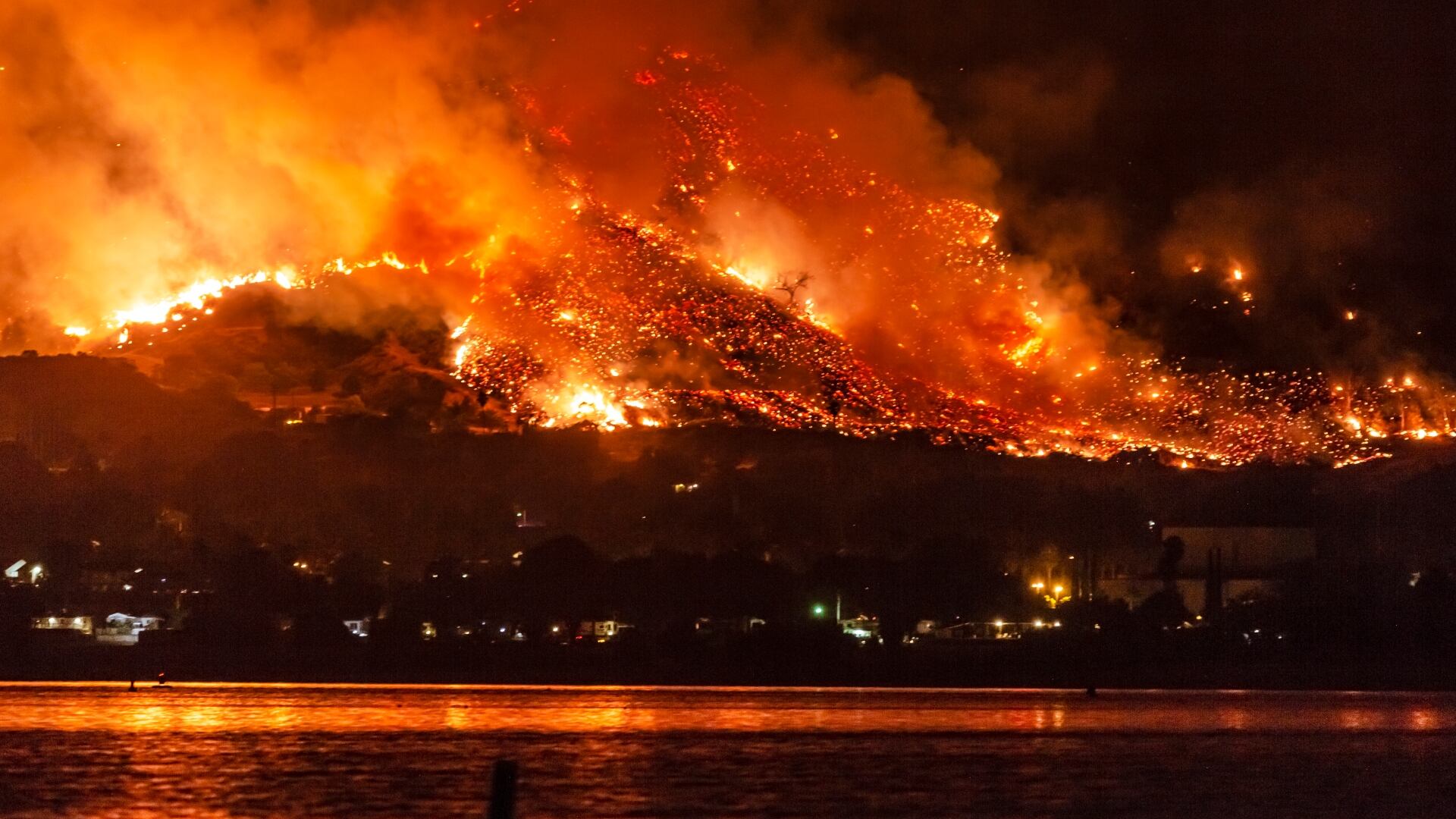
According to researchers, the state of California's cap-and-trade program is currently being undermined by forest fires caused primarily by climate change. Over the past few years, trees that were set aside for the program have been releasing carbon as they continue to burn in fires. Climate Researcher and Policy Director at CarbonPlan Danny Cullenward, joined Cheddar to discuss more.
Daniel Folkman, senior vice president of business at Gopuff, joined Cheddar to talk about the company's year of hypergrowth in 2021, particularly amid the COVID-19 pandemic, and what consumers can expect from the quick delivery market in 2022. He noted that the company's delivery sector performed at a high level this year but its e-commerce business is still in its infancy, with less than 10 percent of customers purchasing items sold by Gopuff. Folkman also talked about production expansion, including freshly-made pizza and milkshakes that people can order along with their cleaning supplies.