A Southwest Airlines executive apologized for the company's holiday season meltdown in front of a panel of senators on Thursday.
The airline company canceled nearly 17,000 flights and stranded more than two million customers between December 21 and December 31 following a winter storm, far more than any other airline. The Senate Commerce Committee questioned executives in a hearing that focused on those disruptions.
"Let me be clear, we messed up," Southwest Chief Operating Officer Andrew Watterson told senators. "I want to sincerely and humbly apologize to those impacted by the disruption,"
"In hindsight, we did not have enough winter operational resiliency," Watterson explained.
The Southwest executive assured the committee that the company has been working to improve its systems.
"We are doing a system-wide review of our preparedness for winter operations and will implement any measures necessary to mitigate the risk of an event like this occurring in the future," Watterson said.
The company has budgeted $1.3 billion for 2023 investments, upgrades, and maintenance of their IT systems.
Democratic Senator Ed Markey, unsatisfied with the executive's explanation, demanded the airline company give a "cash hardship payment" to those affected.
Some Republicans, however, were more sympathetic with the airline company.
"I've had multiple conversations with senior leadership at Southwest. I'm confident they understand it was an epic screw-up and that they are committed to doing everything possible to prevent its recurrence," Sen.Ted Cruz of Texas said.
Watterson testified the airline had reimbursed 273,406 customers, and that every impacted customer had been emailed flyer points, along with an apology.
But, the airline company would not pay customers directly for their inconvenience unless it was "reimbursement of a flight they took in the disruption," Watterson said.
The U.S. Transportation Department is also investigating Southwest for its flight scheduling throughout the disruption.
Satoshi Island is looking to become the world's first blockchain-driven economy. James Law, the chief architect of the planned private community, joined Cheddar to discuss the vision for the potential crypto capital of the world and how it will be brought to life. For people looking to live on the island, Law said they will be able to purchase land and homes and even design their own dwellings both in real life and via the metaverse. "Satoshi Island has already been digitally scanned. We have an absolute digital twin already in our metaverse," he said. Citizenship applications are expected to be launched via NFTs, he told Cheddar.
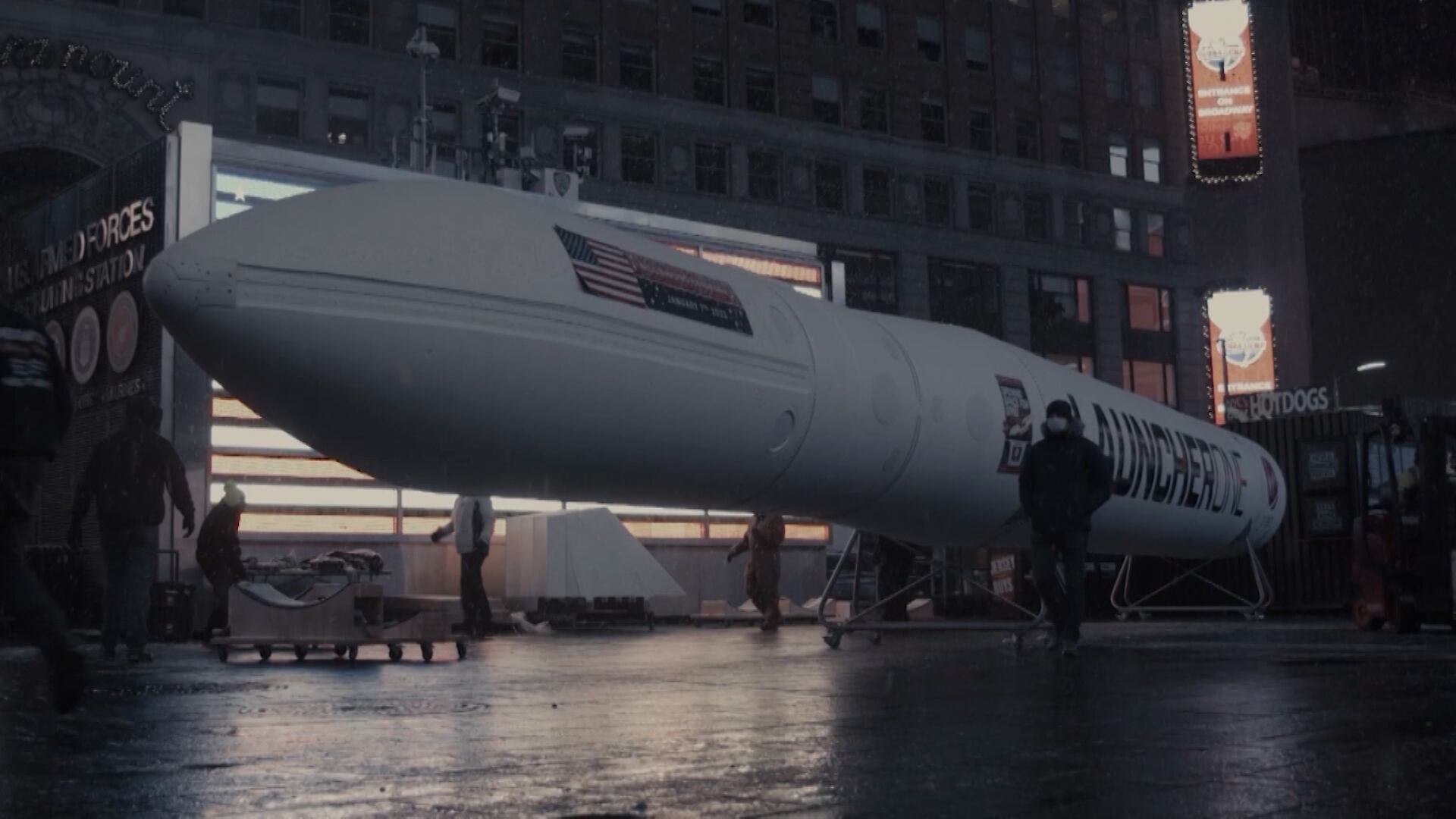
Satellite launch service Virgin Orbit has gone public on the Nasdaq via a SPAC merger with NextGen Acquisitions with a valuation of about $3.2 billion. CEO Dan Hart joined Cheddar's "Between Bells" from in front of his LauncherOne rocket in New York City's Times Square to talk about what's next after the IPO, an upcoming "Above the Clouds" mission to deliver commercial and national security payloads, and the benefits of their rockets being launched from commercial 747 aircraft. "We can launch anywhere in the world," he said. "There are almost 80 space agencies across the world, for instance, and about 10 of them have space launch. We can give them a space flight capability overnight by taking a runway and turning it into a spaceport."
CEO Tim Cook made a staggering $98.7 million in total compensation for 2021. The majority of Cook's earnings came from stocks along with his salary of $3 million. Apple recently became the first publicly traded U.S. company to have crossed the $3 trillion valuation mark.
Tech and entertainment giant Sony appears to be getting serious about automaking. An electric concept SUV — the Vision S-02 — was unveiled at CES 2022 and is slated to be produced by a new subdivision, Sony Mobility. This comes after the company revealed the Vision S concept Sedan at CES 2020.
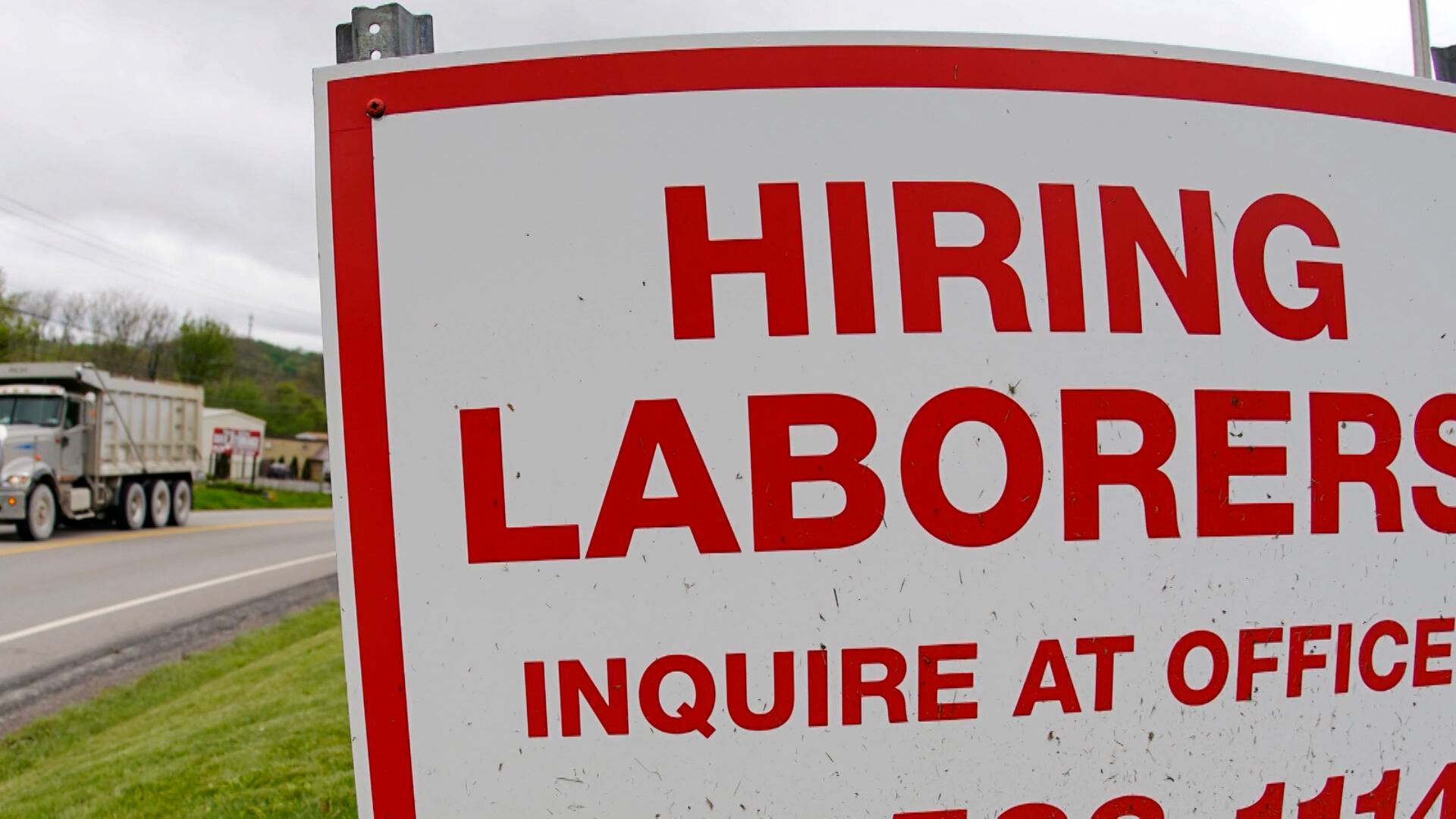
According to the Labor Department December report, the U.S added 199,000 jobs as opposed to the more than 400,000 that had been expected. William M. Rodgers III, vice president and director of the Institute for Economic Equality at the Federal Reserve Bank of St. Louis, joined Cheddar's Baker Machado to talk about the state of the economy and noted that, despite the miss, the drop-off in the unemployment rate signaled to him that the economy is moving in the right direction. "There was an upward revision of about 100,000, a little more than 100,000, for the months of October and November, so, again, I'm not as worried or looking at this as negative as you all are," Rodgers added. He also noted the next three months would likely see slower growth due to the winter but stated that it would remain in a positive direction.
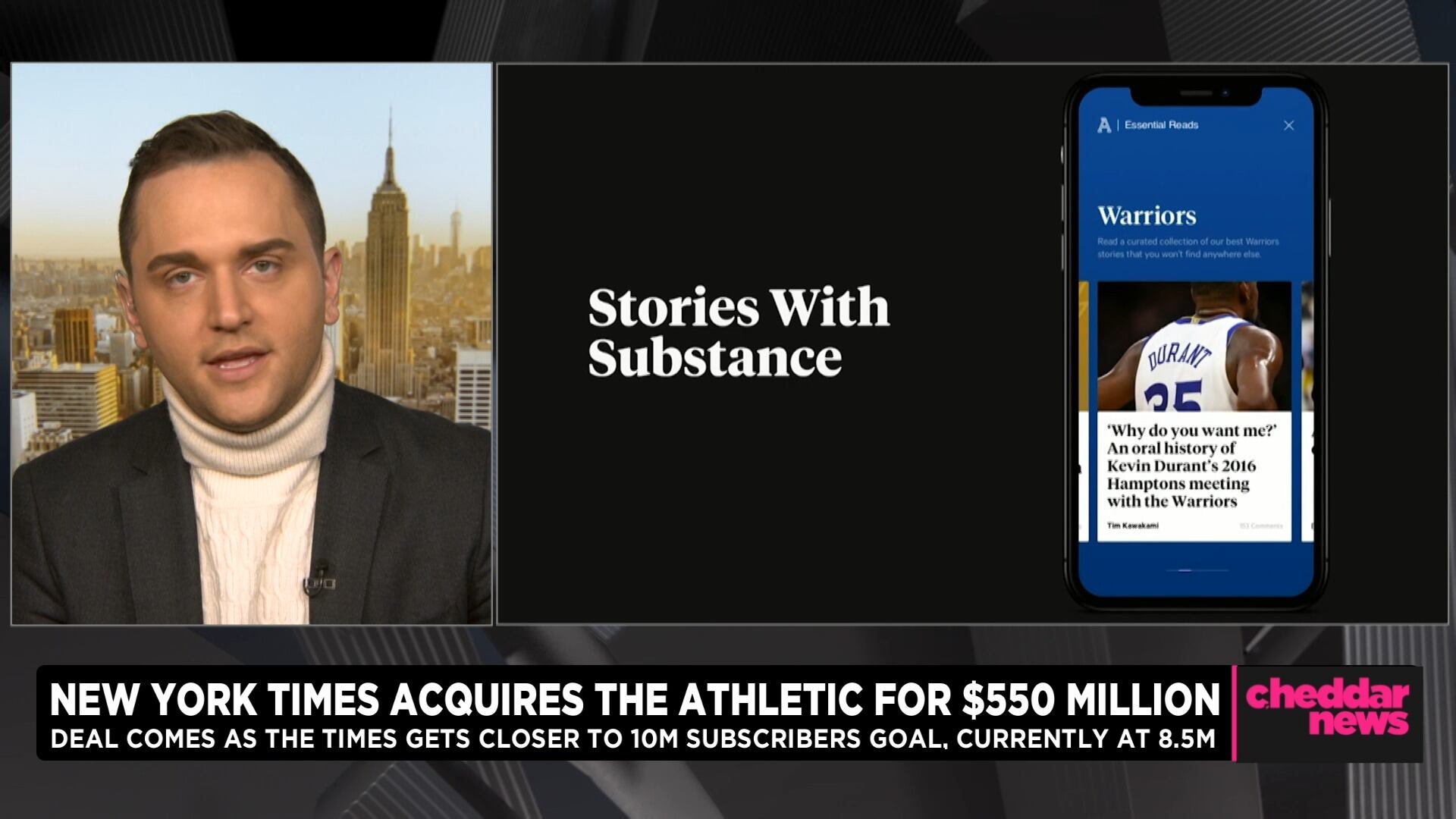
The New York Times has acquired sports outlet The Athletic in a $550 million deal. The acquisition brings the Times closer to its 10 million paid subscribers goal by 2025.
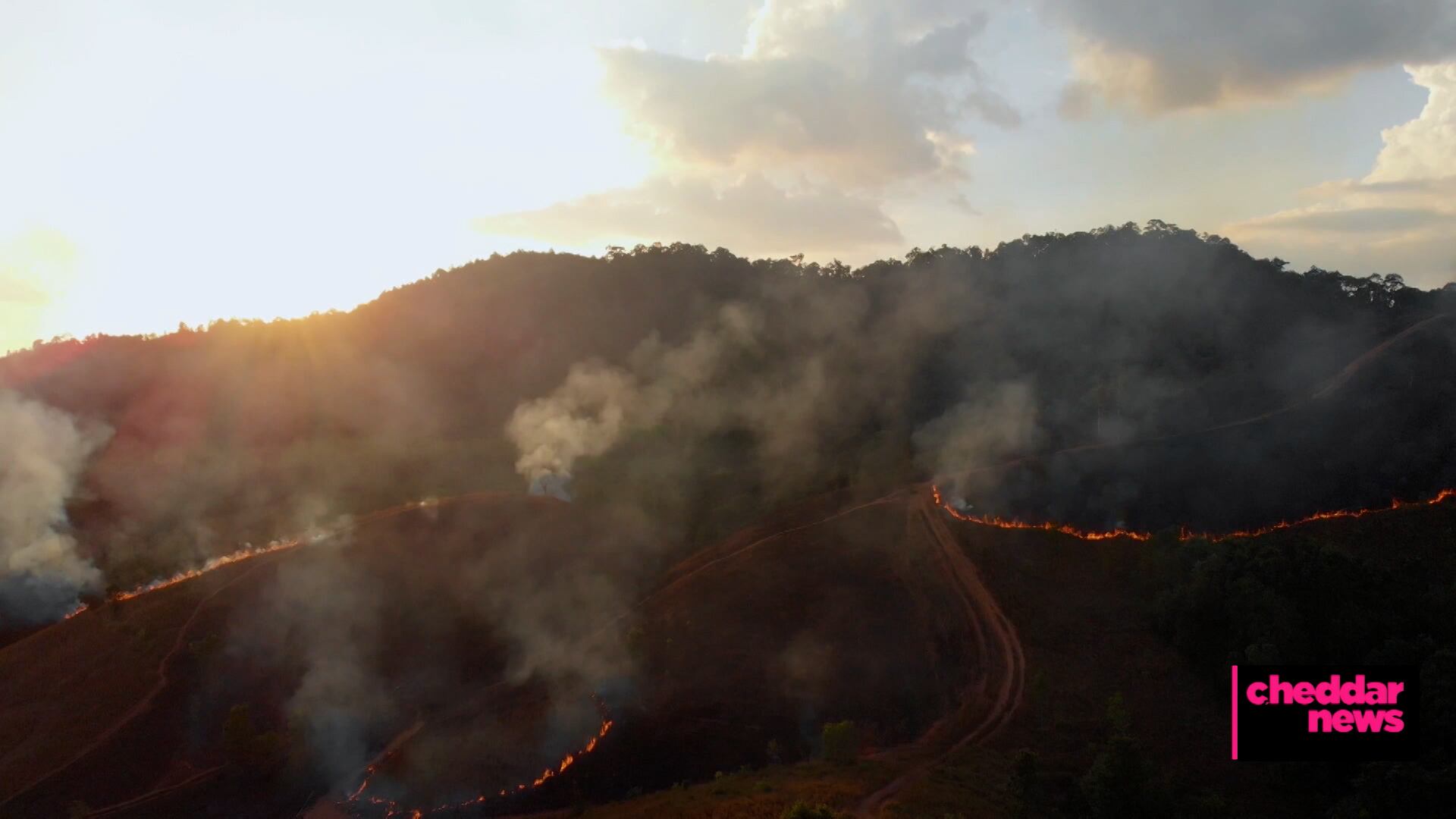
The year 2021 saw numerous natural disasters around the world, including extreme heat and wildfires, rare deep freezes, and historic flooding. This year's United Nations COP26 conference was key for getting world leaders on board with emissions reductions and other climate-focused policies as the UN Secretary-General said the agency's report on global warming is a 'code red for humanity.' In the U.S., President Joe Biden has focused most of his domestic agenda on slashing emissions and building climate-focused infrastructure. Guests from The Economist, UNC-Chapel Hill, Global Rescue, and more join Cheddar Climate's year-end special to discuss how the climate changed in 2021, and what to expect in 2022.