A Southwest Airlines executive apologized for the company's holiday season meltdown in front of a panel of senators on Thursday.
The airline company canceled nearly 17,000 flights and stranded more than two million customers between December 21 and December 31 following a winter storm, far more than any other airline. The Senate Commerce Committee questioned executives in a hearing that focused on those disruptions.
"Let me be clear, we messed up," Southwest Chief Operating Officer Andrew Watterson told senators. "I want to sincerely and humbly apologize to those impacted by the disruption,"
"In hindsight, we did not have enough winter operational resiliency," Watterson explained.
The Southwest executive assured the committee that the company has been working to improve its systems.
"We are doing a system-wide review of our preparedness for winter operations and will implement any measures necessary to mitigate the risk of an event like this occurring in the future," Watterson said.
The company has budgeted $1.3 billion for 2023 investments, upgrades, and maintenance of their IT systems.
Democratic Senator Ed Markey, unsatisfied with the executive's explanation, demanded the airline company give a "cash hardship payment" to those affected.
Some Republicans, however, were more sympathetic with the airline company.
"I've had multiple conversations with senior leadership at Southwest. I'm confident they understand it was an epic screw-up and that they are committed to doing everything possible to prevent its recurrence," Sen.Ted Cruz of Texas said.
Watterson testified the airline had reimbursed 273,406 customers, and that every impacted customer had been emailed flyer points, along with an apology.
But, the airline company would not pay customers directly for their inconvenience unless it was "reimbursement of a flight they took in the disruption," Watterson said.
The U.S. Transportation Department is also investigating Southwest for its flight scheduling throughout the disruption.
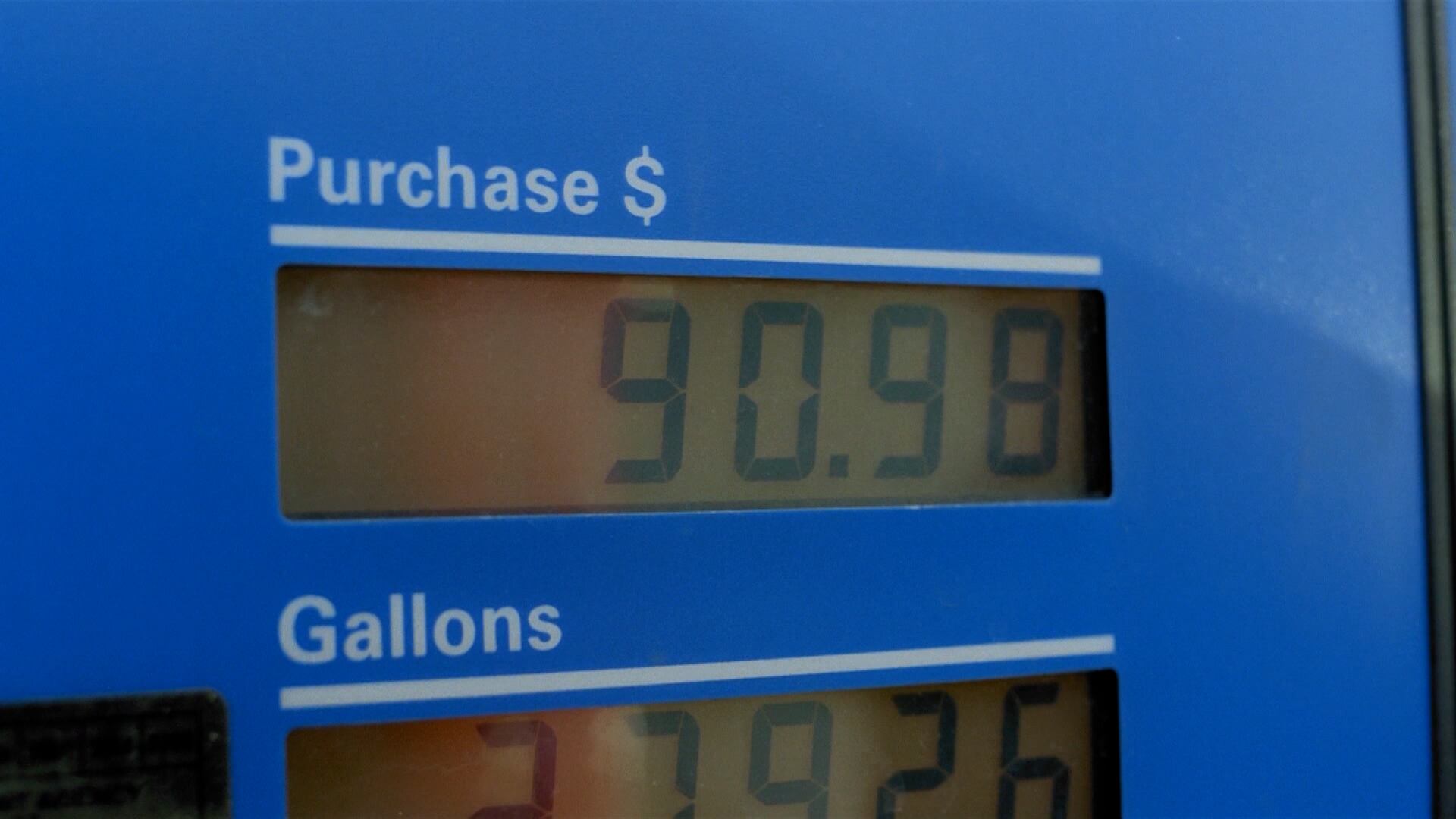
Concerns over inflation have become one of the biggest worries for executives. A survey from The Conference Board shows that more than 900 CEOs consider inflation a top tier concern, a major shift from last year's survey that had it as a low-level concern. Rebecca Ray, Executive Vice President, Human Capital, The Conference Board joined Cheddar's Opening Bell for more.
David Maza, Managing Director and Head of Product at Direxion, joins Cheddar News to discuss the evolution of mRNA technologies, future applications of this tech including fighting Lyme disease and HIV, and what this all means for investors.
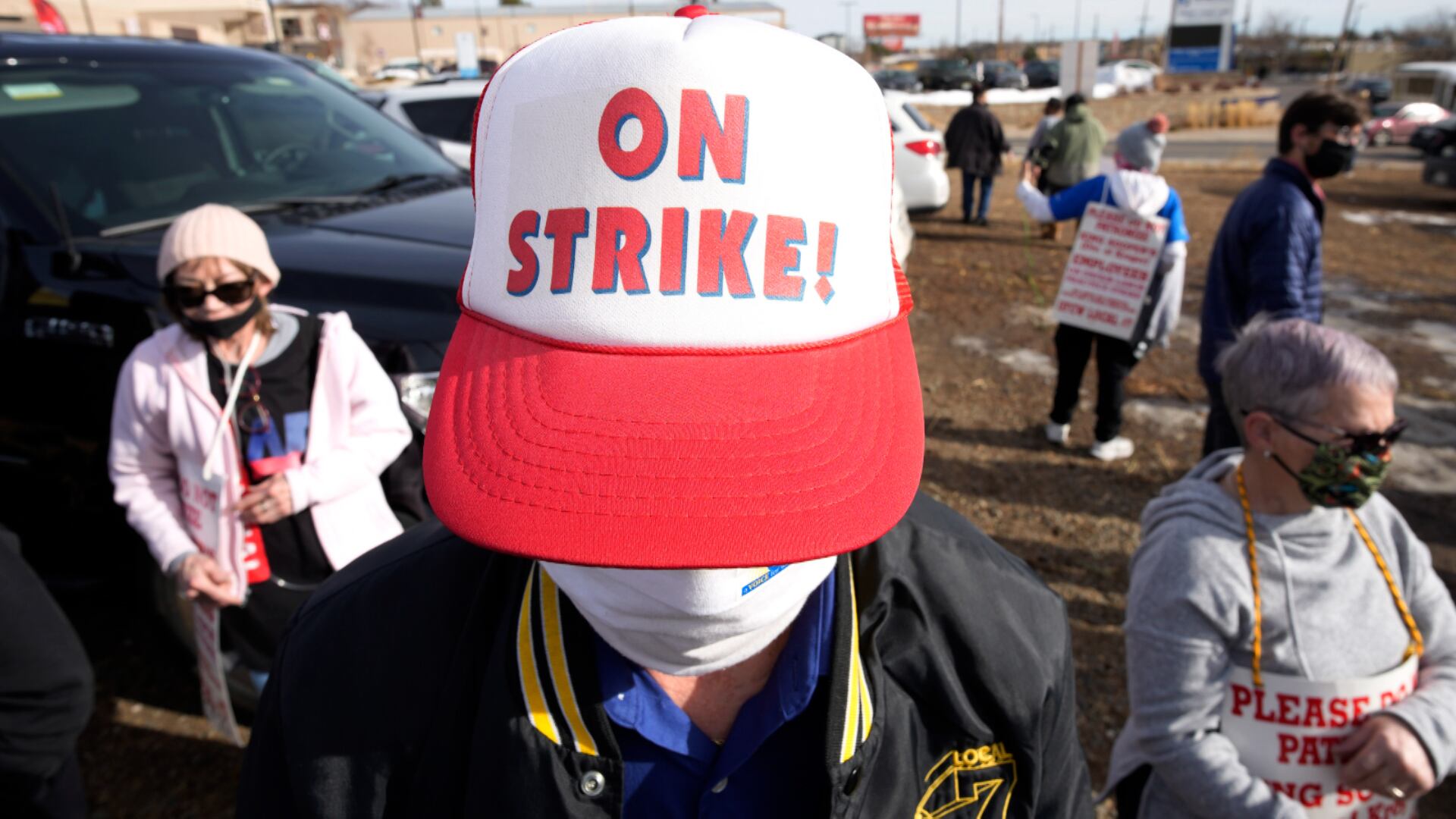
Jordan Zakarin, Media Producer at A More Perfect Union, joined Cheddar News to break down the latest from Colorado, where at least 8,700 Kroger employees walked off the job in demand of increased benefits and wages.
Thomas Hayes, Chairman at Great Hill Capital, joined Wake Up With Cheddar to break down what to look for on the economic front in the coming months amid an Omicron surge and planned interest rate hikes.
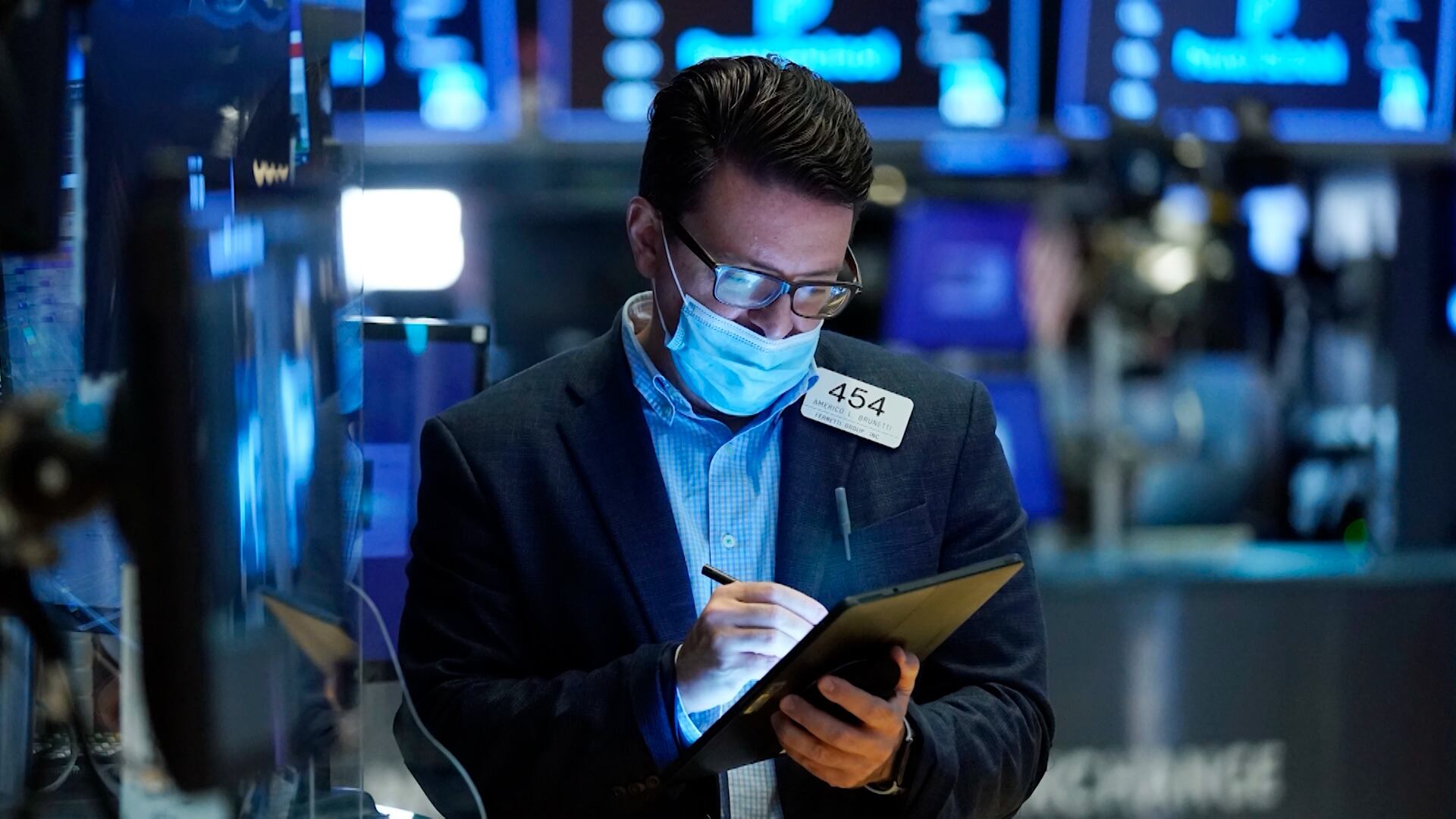
Stocks closed lower Tuesday with investors initiating a broad sell-off, leading the Dow to have its worst day of 2022 so far as it had its biggest decline since November. Investors are eyeing treasury yields, which have surged to pre-pandemic highs, as well as looking ahead to the Federal Reserve's path forward when it comes to raising interest rates. Meanwhile, as earnings season kicks off, Goldman Sachs shares are under pressure after a lackluster earnings report. Goldman is weighing on bank stocks as a whole. Jeff Buchbinder, Equity Strategist for LPL Financial, joins Cheddar News' Closing Bell to discuss today's close, why treasury yields are ticking higher toward pre-pandemic levels, big bank earnings reports, and more.
Mike McGlone, Senior Commodity Strategist at Bloomberg Intelligence, joins Cheddar News' Closing Bell, where he says he believes we'll eventually see Bitcoin reach the $100,000 mark despite its recent struggles, and explains why Bitcoin will be less volatile than the Nasdaq.
Food waste is a major contributor to greenhouse gas emissions in the United States. Strella Biotechnology is trying to solve the problem by introducing new technology to a business that's been around for generations -- farming. The 24-year-old CEO created hi-tech sensors that interpret the shelf life of produce and alert farmers when fruits and vegetables are ready to be sent to supermarkets. The company says the process can help farmers make money, reduce food waste and increase the quality of produce. Strella Biotechnology's co-founder and CEO Katherine Sizov and co-founder and COO Jay Jordan joined Cheddar Climate to discuss.