A Southwest Airlines executive apologized for the company's holiday season meltdown in front of a panel of senators on Thursday.
The airline company canceled nearly 17,000 flights and stranded more than two million customers between December 21 and December 31 following a winter storm, far more than any other airline. The Senate Commerce Committee questioned executives in a hearing that focused on those disruptions.
"Let me be clear, we messed up," Southwest Chief Operating Officer Andrew Watterson told senators. "I want to sincerely and humbly apologize to those impacted by the disruption,"
"In hindsight, we did not have enough winter operational resiliency," Watterson explained.
The Southwest executive assured the committee that the company has been working to improve its systems.
"We are doing a system-wide review of our preparedness for winter operations and will implement any measures necessary to mitigate the risk of an event like this occurring in the future," Watterson said.
The company has budgeted $1.3 billion for 2023 investments, upgrades, and maintenance of their IT systems.
Democratic Senator Ed Markey, unsatisfied with the executive's explanation, demanded the airline company give a "cash hardship payment" to those affected.
Some Republicans, however, were more sympathetic with the airline company.
"I've had multiple conversations with senior leadership at Southwest. I'm confident they understand it was an epic screw-up and that they are committed to doing everything possible to prevent its recurrence," Sen.Ted Cruz of Texas said.
Watterson testified the airline had reimbursed 273,406 customers, and that every impacted customer had been emailed flyer points, along with an apology.
But, the airline company would not pay customers directly for their inconvenience unless it was "reimbursement of a flight they took in the disruption," Watterson said.
The U.S. Transportation Department is also investigating Southwest for its flight scheduling throughout the disruption.
Stocks closed lower Thursday with all three major indexes on track to end the week lower. The tech-heavy Nasdaq is on track for its worst week since March 2020, and is down 12% from its record high. Meanwhile, the Dow closed below its 200-day moving average for the first time since December 2021. The S&P 500 didn't fare much better, falling 1.1%. Christopher Wolfe, Chief Investment Officer at First Republic Private Wealth Management, joins Cheddar News' Closing Bell to discuss today's close, this week's market volatility, and more.
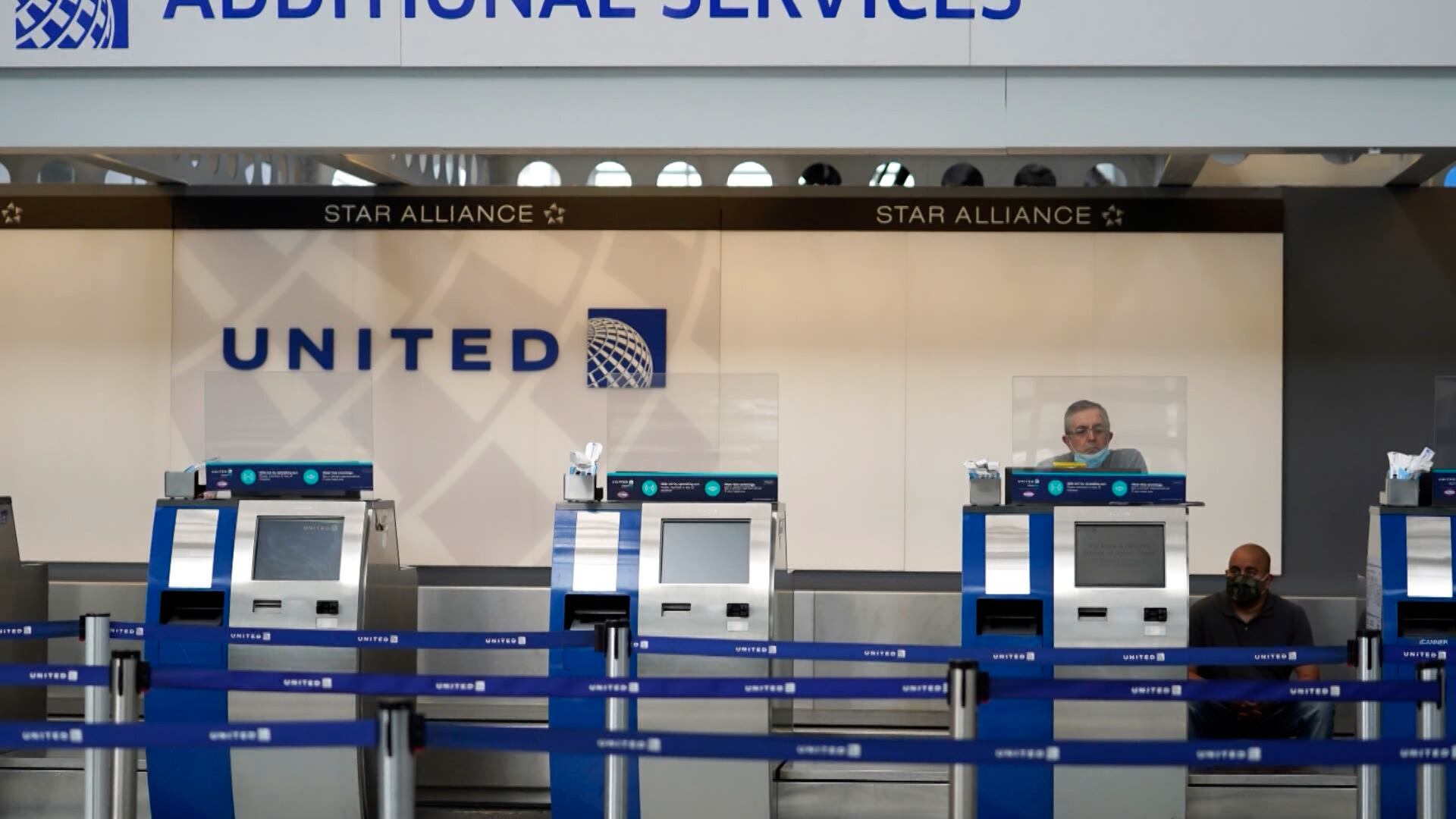
Eric Marshall, portfolio manager, Hodges Funds, joins Cheddar News' Closing Bell, where he says the airlines are still not out of the woods when it comes to their COVID-19 recovery, and also addresses the impact of Omicron and inflation weighing on companies at the start of 2022.
Connected cars software development platform Smartcar announced this week it has raised $24 million in a Series B round led by Energize Ventures. Smartcar's software can be integrated into mobile and web apps from mobility businesses. It allows users to do things like locate and unlock a vehicle, as well as check its mileage, fuel level, and battery if the vehicle is electric. Smartcar's technology is compatible with 22 different vehicle brands in 31 different countries. Smartcar co-founder and CEO Sahas Katta joined Cheddar News' Closing Bell to discuss.
Google currently does not accept cryptocurrency as a form of payment in contrast with other big businesses that have taken advantage of the new crypto wealth that's accrued. The tech giant recently hired former PayPal executive Arnold Goldberg to lead its payment division, likely more firmly entering digital currency usage. "I think the real question is, why given the size of the industry, has Google not done this before or been actively accepting and using cryptocurrency, and it's really a lack of regulatory clarity," Halsey Minor, executive chairman of Public Mint, told Cheddar.
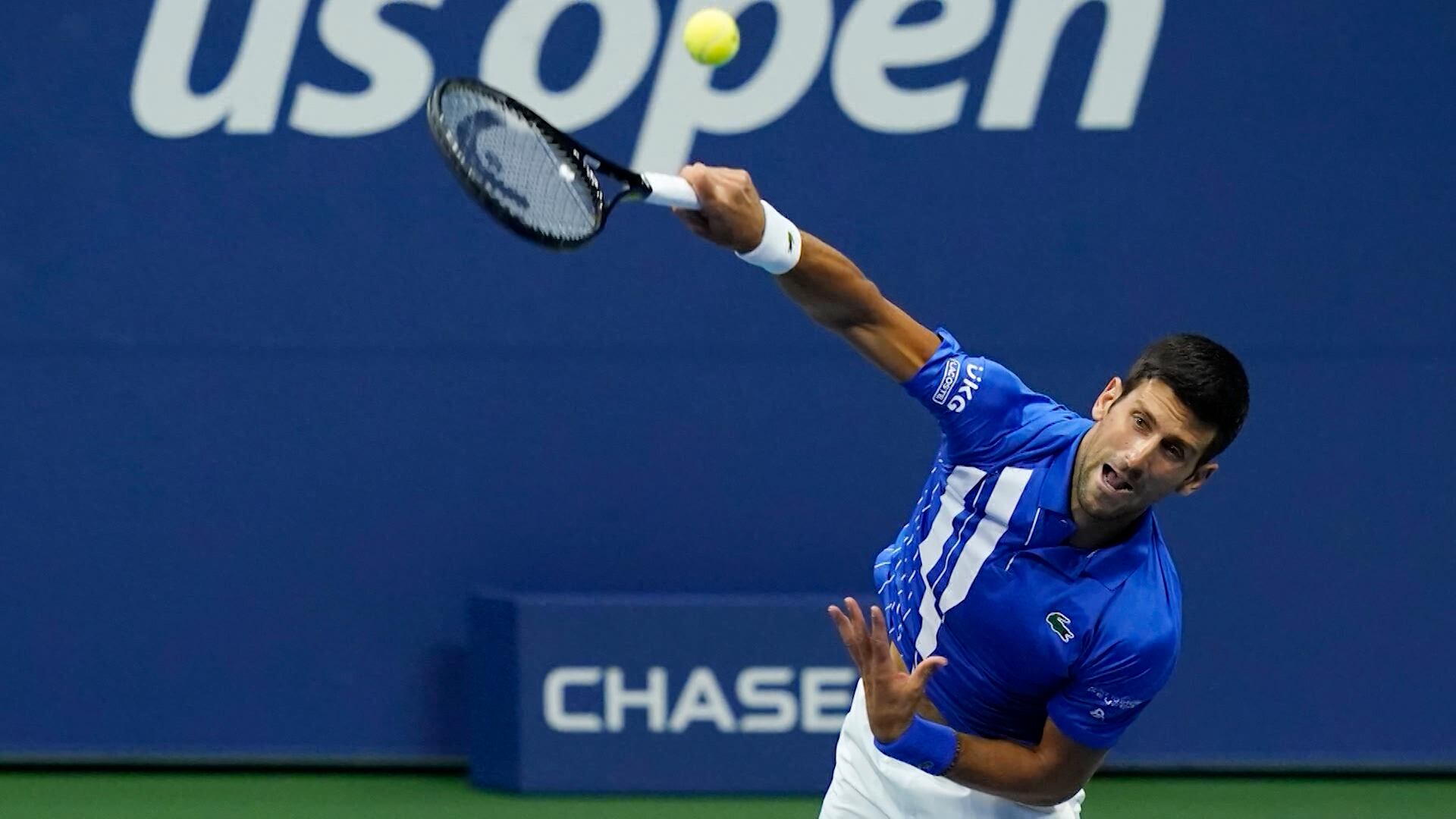
The drama surrounding tennis star Novak Djokovic continues after he was deported from Australia over the weekend due to the nation's COVID-19 vaccine requirements. Djokovic was forced to leave the country on the eve of what was to be his first match in defense of his Australian Open title after three judges ruled in favor of his removal and revealed their reasoning for doing so. Adding to his woes, a law recently passed in France is putting his chances of defending his French Open title in jeopardy. The director of Marist's Center for Sports Communication, Jane McManus, joined Cheddar to discuss the ongoing fallout.