A Southwest Airlines executive apologized for the company's holiday season meltdown in front of a panel of senators on Thursday.
The airline company canceled nearly 17,000 flights and stranded more than two million customers between December 21 and December 31 following a winter storm, far more than any other airline. The Senate Commerce Committee questioned executives in a hearing that focused on those disruptions.
"Let me be clear, we messed up," Southwest Chief Operating Officer Andrew Watterson told senators. "I want to sincerely and humbly apologize to those impacted by the disruption,"
"In hindsight, we did not have enough winter operational resiliency," Watterson explained.
The Southwest executive assured the committee that the company has been working to improve its systems.
"We are doing a system-wide review of our preparedness for winter operations and will implement any measures necessary to mitigate the risk of an event like this occurring in the future," Watterson said.
The company has budgeted $1.3 billion for 2023 investments, upgrades, and maintenance of their IT systems.
Democratic Senator Ed Markey, unsatisfied with the executive's explanation, demanded the airline company give a "cash hardship payment" to those affected.
Some Republicans, however, were more sympathetic with the airline company.
"I've had multiple conversations with senior leadership at Southwest. I'm confident they understand it was an epic screw-up and that they are committed to doing everything possible to prevent its recurrence," Sen.Ted Cruz of Texas said.
Watterson testified the airline had reimbursed 273,406 customers, and that every impacted customer had been emailed flyer points, along with an apology.
But, the airline company would not pay customers directly for their inconvenience unless it was "reimbursement of a flight they took in the disruption," Watterson said.
The U.S. Transportation Department is also investigating Southwest for its flight scheduling throughout the disruption.
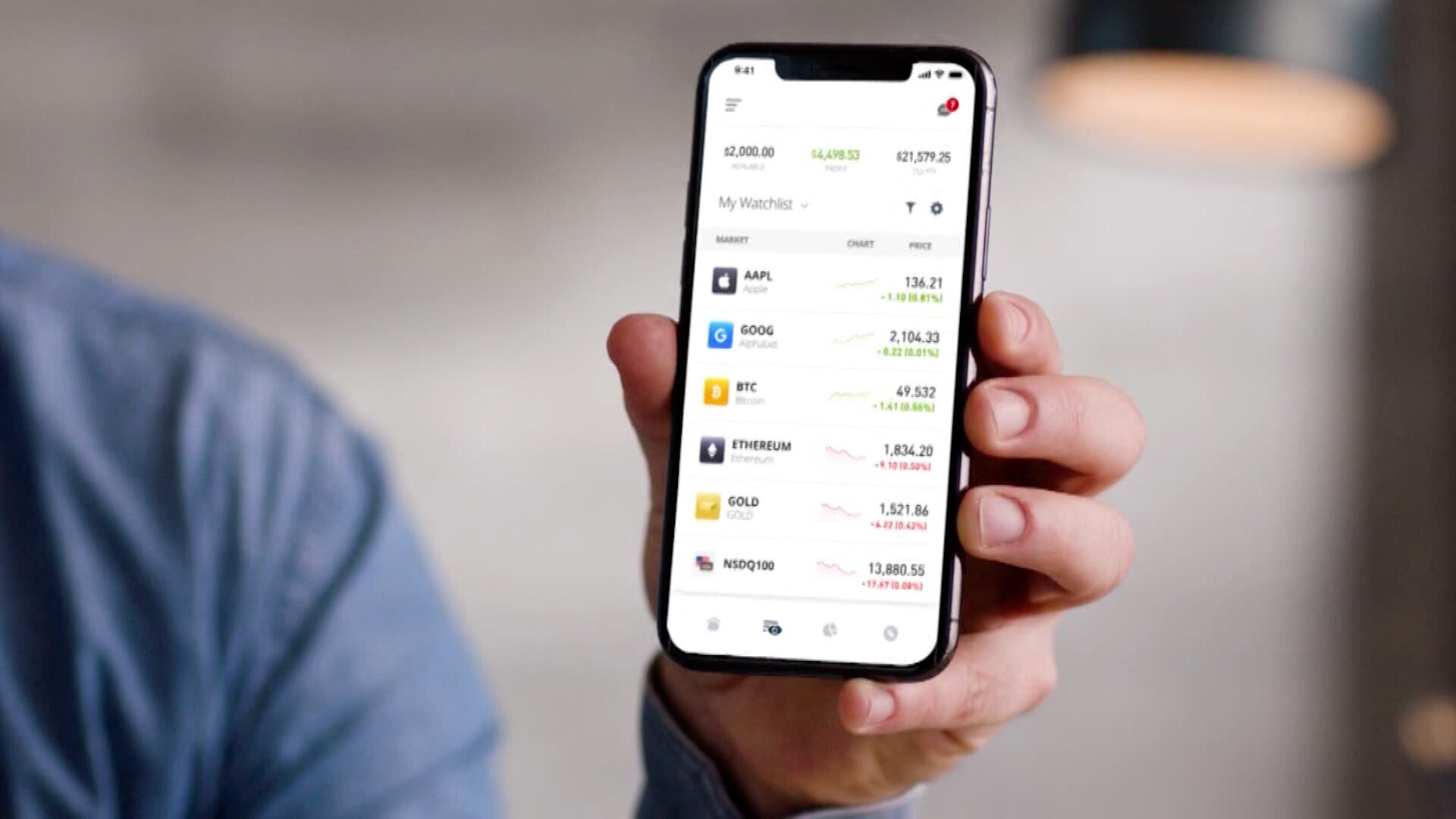
eToro, the social trading platform that offers crypto, forex, and equities, recently announced that it's giving U.S. users the option to include stocks and ETFs as part of their investment portfolios. Lule Demmissie, CEO of eToro U.S., joined Cheddar to talk about the company’s expanded offerings. "We felt, although crypto is a fantastic asset class, that individuals benefit from having a broader access to different kinds of investments, and equities is definitely one of them," Demmissie noted.
Coming off of CES, Blink Charging announced a partnership with legacy automaker General Motors to provide charging stations for its newest electric cars. The company specializes in stations they own and operate that also accommodate residential and commercial locations. Michael D. Farkas, founder and CEO, noted that they "don’t discriminate” when it comes to locating their chargers while also taking the philosophy of seeing their hardware more like hot water heaters rather than smartphones constantly in need of upgrading. "We believe it's one of the reasons why we were selected by GM," Farkas said. "These dealerships have to invest in these locations and make sure that this hardware is workable for a very, very long period of time."
Simeon Siegel, managing director and senior analyst at BMO Capital Markets joins Cheddar News to discuss CNBC's report that Peloton plans to halt production, despite the company's CEO denying those claims.
Mona Zhang, states cannabis policy reporter at POLITICO Pro joins Cheddar News to discuss major factors that caused Canada's retail marijuana sales to drop last year.
Jackie Rotman, founder and CEO of the Center for Intimacy Justice joins Cheddar News to talk about why Facebook is banning ads by companies targeting women's sexual health but not ads catered to men.
TikTok recently announced that it is testing a paid subscription model. The news comes days after Instagram publicized a similar service. TikTok has made $2.3 billion from in-app purchases, but mostly through tips, in 2021, showing that its users may be open to spending money on the platform.
The NCAA voted to streamline their constitution at their annual convention on Thursday. Each of the three college divisions can decide how student-athletes can make money from outside sources but still restricts schools from directly paying its players.
Netflix beat its earnings projections for Q4 — but the stock still plummeted as the streaming pioneer cut back on its forecast for future subscribers. Michael Robinson, the chief technology strategist at Money Map Press, joined Cheddar to discuss the report and what's driving the downward pressure on its shares. "It's the growth is really what's worrying people," he said. "'A' we have slowing economic growth, and 'B' we've got slowing growth for this company, as 'C' we have an increase in competition."