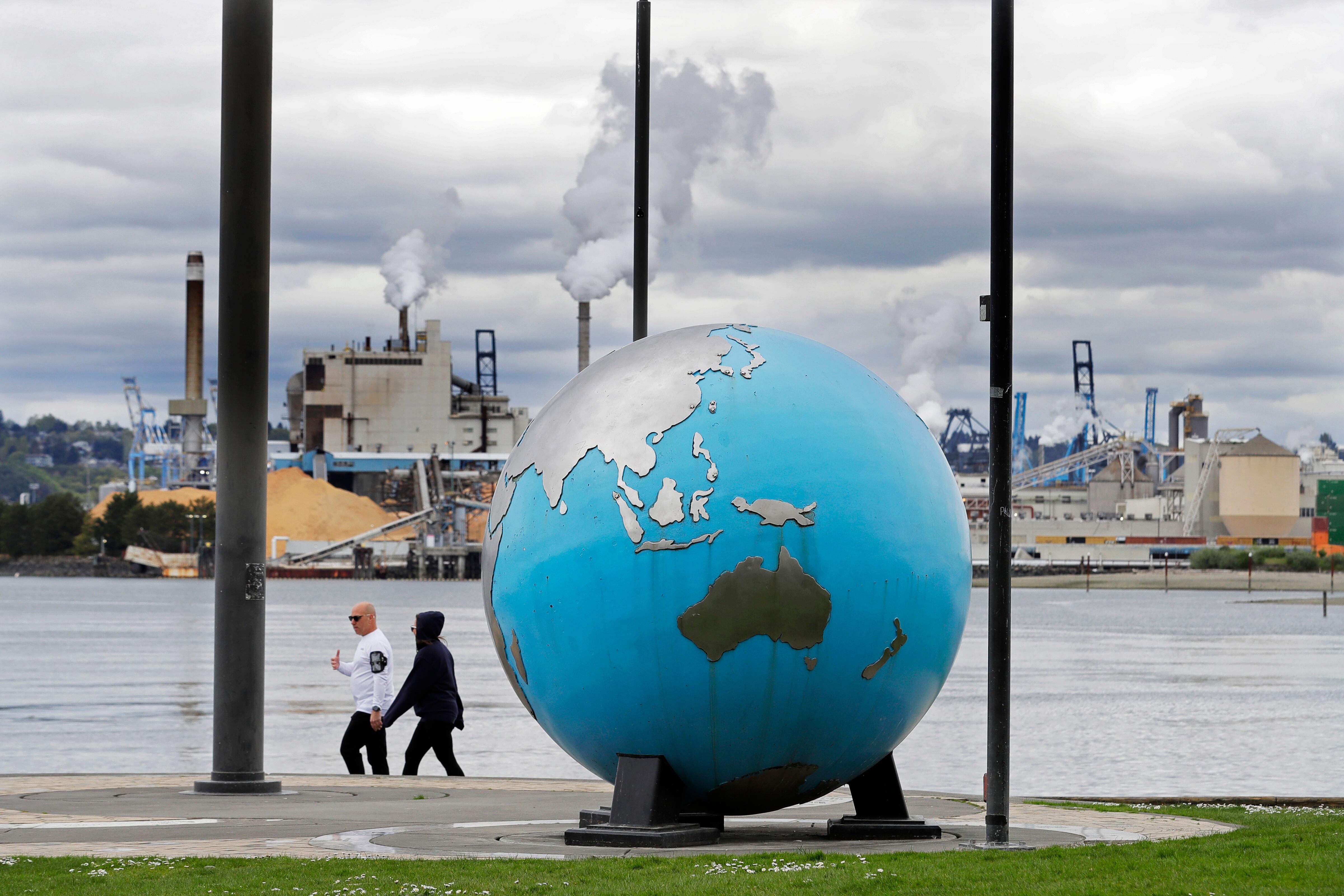
Fifty years ago, 20 million Americans took to the streets to celebrate the first Earth Day. Today, most of the country is under stay-at-home orders to help contain the coronavirus pandemic.
With so many people staying put, there are signs the environment is benefiting from fewer human interactions with clearer air and creatures roaming free.
However, these environmental benefits are expected to subside as Americans get back to a more typical lifestyle, meaning there is still a need to actively help protect the planet.
This Earth Day, you may be wondering how to help the environment, even as you prioritize health and safety by staying at home and observing social distancing.
Being stuck at home does not mean fifty years of environmentalism falls by the wayside. Here are five things you can do to help the planet without leaving your neighborhood (and one that requires a little more of a drive).
1. Surround yourself with green

Whether you live in a cramped apartment or a sprawling house, you probably feel a little stir crazy stuck inside. You can combat the monotony of your home - and help the planet - by filing your space with plants. From things you can plant on your own, like flowers to already-potted plants like ferns and spider plants that just need tending, even people with a black thumb can benefit from a little green.
Research shows that indoor plants have emotional and mental health benefits, like stress reduction and reduced symptoms of depression. Look, plants won’t filter out your air but they could create a clearer headspace. If you have more outdoor space to work with, consider planting an edible garden with your favorite fruits, vegetables and herbs. Not only will you lower your carbon footprint by buying less food, you’ll also be doing the planet a favor. Try to pick plants that work well in your local climate and use native plants in your planters to protect your local ecosystem.
2. Eat local
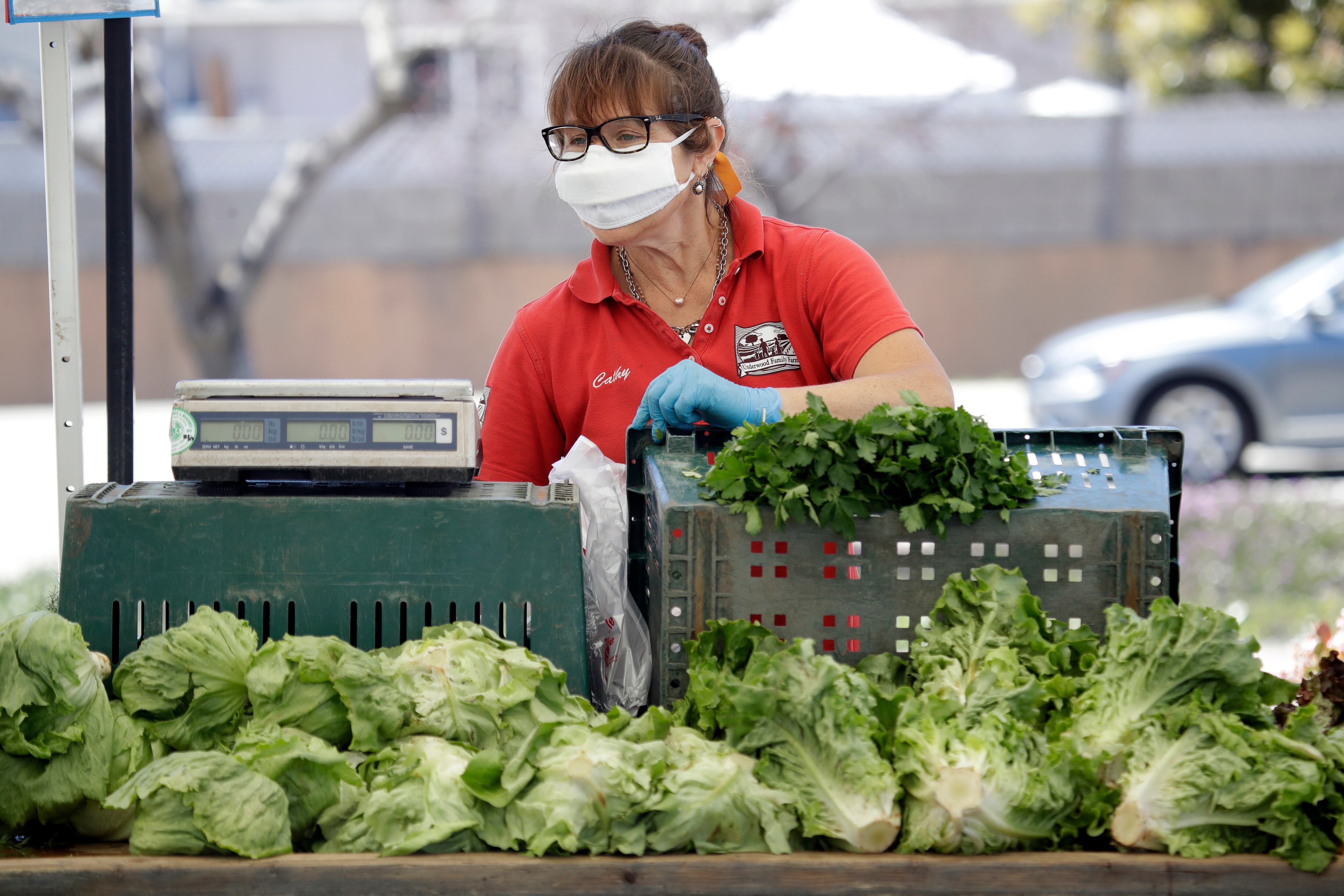
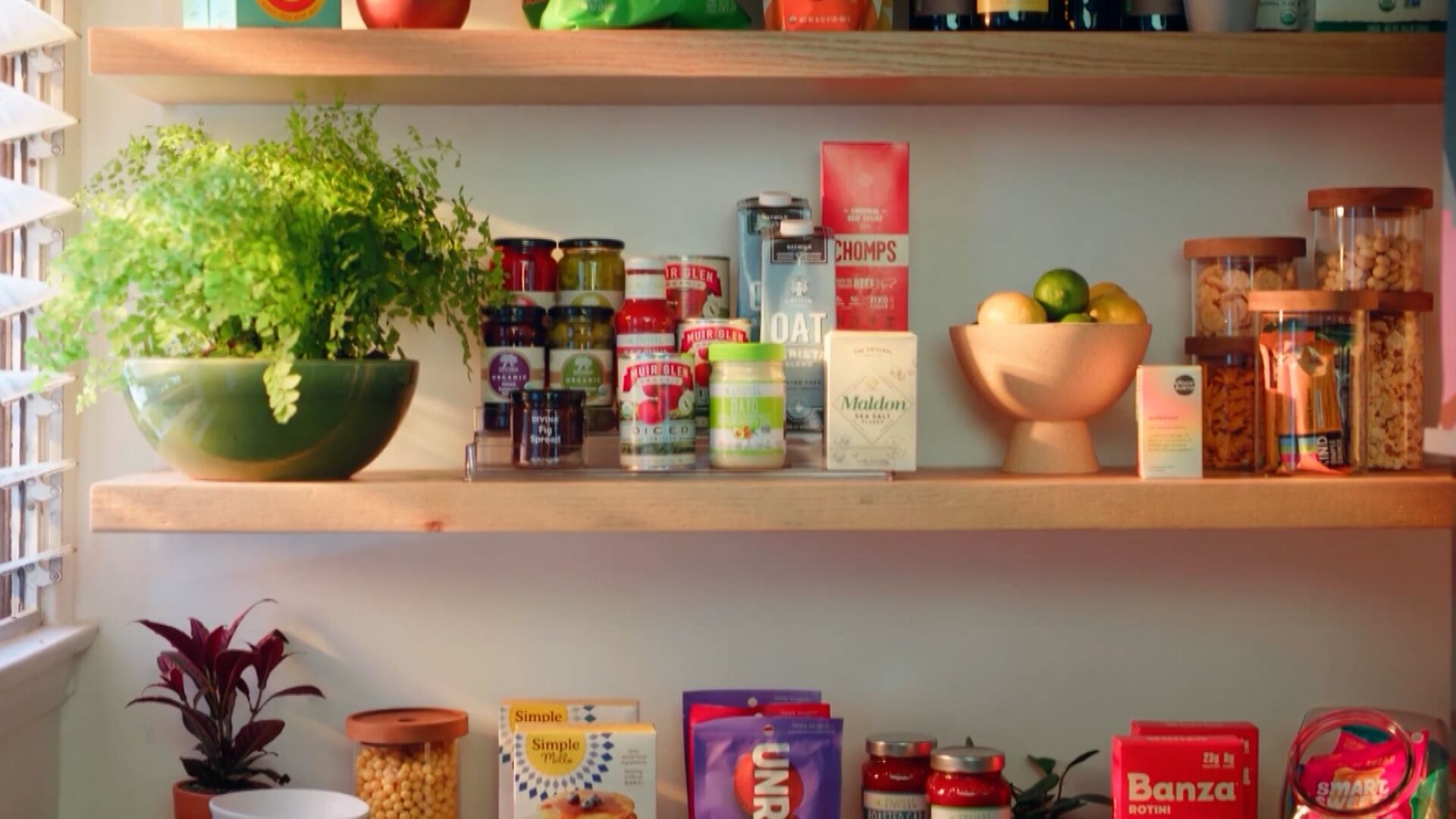
These days you may be spending more time making your own meals. As you cook for yourself and your family, take a moment to look at what you eat and where it comes from. For most of us, food comes from the grocery store through a long supply chain that sources food nationally and globally.
But with a little more time, you can spare the convenience factor and source your food locally. In many places, farmers markets operate under essential food production, just like grocery stores. They give consumers the opportunity to shop locally, supporting the local economy and nearby businesses while also having a better handle on your own food supply chain. It also cuts down the environmental impact of mass-scale farming and transporting vast quantities of food across the country or between countries. The U.S. Department of Agriculture provides a searchable list of farmers markets across the country so you can find one near you.
And remember that garden you are planning to plant? It will help you eat as local as possible - straight from your window box or backyard.
3. Go vegan (for one meal)
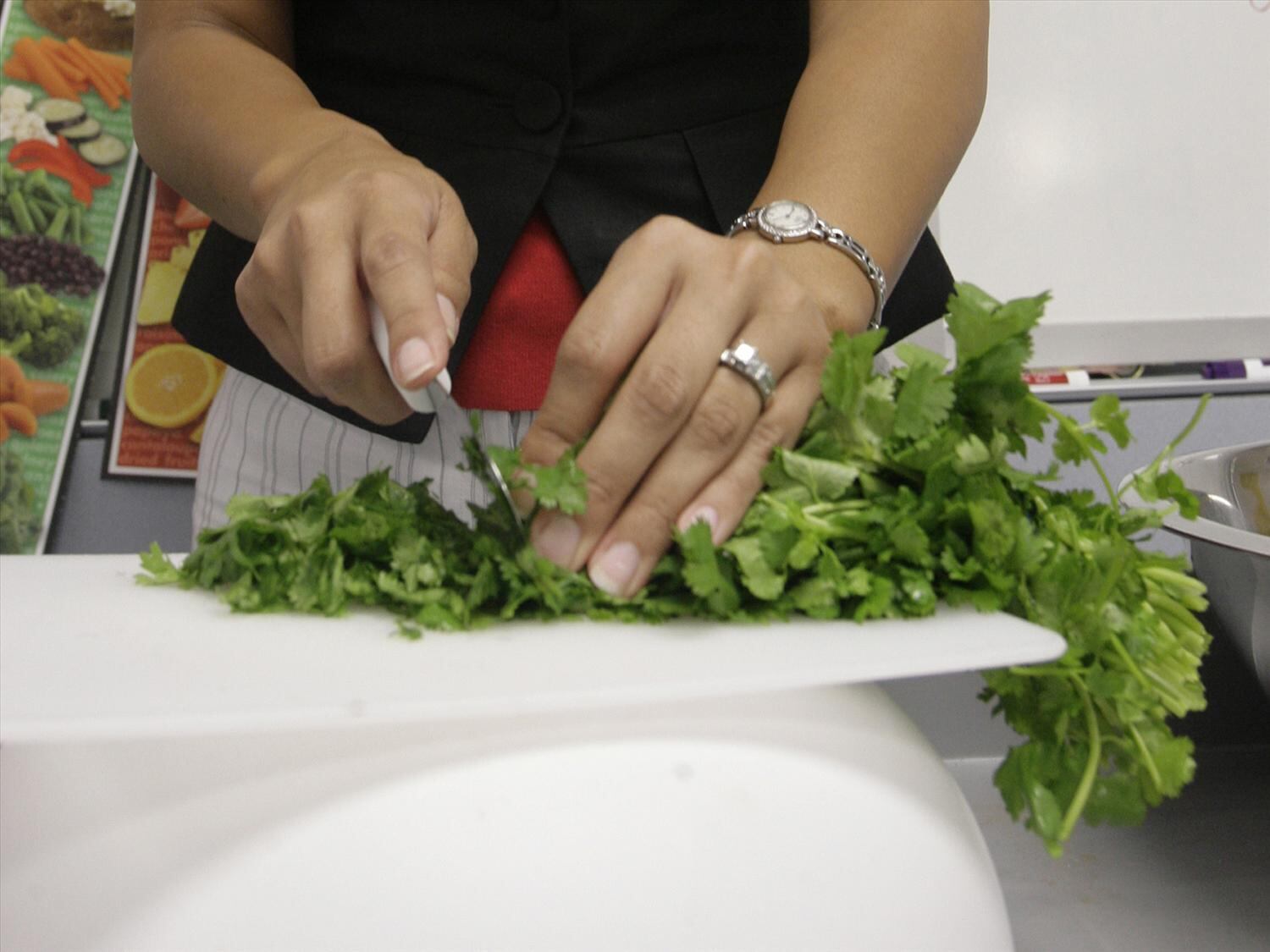
This is also a great opportunity to change some of your eating habits to be more environmentally conscious. Scientists agree that eating more plant-based food puts less pressure on the environment and natural resources. While one pound of beef needs up to 8 thousand gallons of water, one pound of tofu uses only 300 gallons of water. For many of us, eating meatless every day is not going to be an option. Consider cutting down to one meatless meal every day or pick one day a week to avoid animal products.
Use your time at home to experiment with different plant-based proteins to determine which ones you like best. Try new recipes with plant-based ingredients or even challenge yourself to go vegan for a whole week. This is the perfect time to try new things without the stress of fitting it in around your commute, work and outside commitments.
4. Reduce, reuse recycle
Do you remember learning about the recycling cycle as a kid and the easy-to-remember slogan “Reduce, Reuse and Recycle”? Now is the perfect time to put those elementary school skills to use.
Americans are throwing away a lot more trash at home. Waste management companies and municipalities are reporting increased residential garbage across the country and a transition away from commercial waste. But when we’re all stuck at home, how can we reduce our trash? It’s a tough dilemma. For food scraps, consider composting for that garden you are going to plant. Make sure you are fully versed in your local community’s recycling rules as they may have changed due to coronavirus. If you live in an area no longer taking recycling, consider storing items for drop-off when those facilities reopen.
This is the perfect time for some spring cleaning both because it’s, well, spring, and also because you are stuck at home, surrounded by all your stuff, and it’s time for a change. So start sorting and see what you can reuse and what you can donate to help others. And think of ways to reuse items that you might otherwise toss. If you’re creative, can you craft with anything in the bin? If you’re a parent, can’t those cardboard boxes be used as a spaceship or train cars? Keep recycling what you can, store what you can’t, and sort to see what you can reuse.
5. Turn off the lights

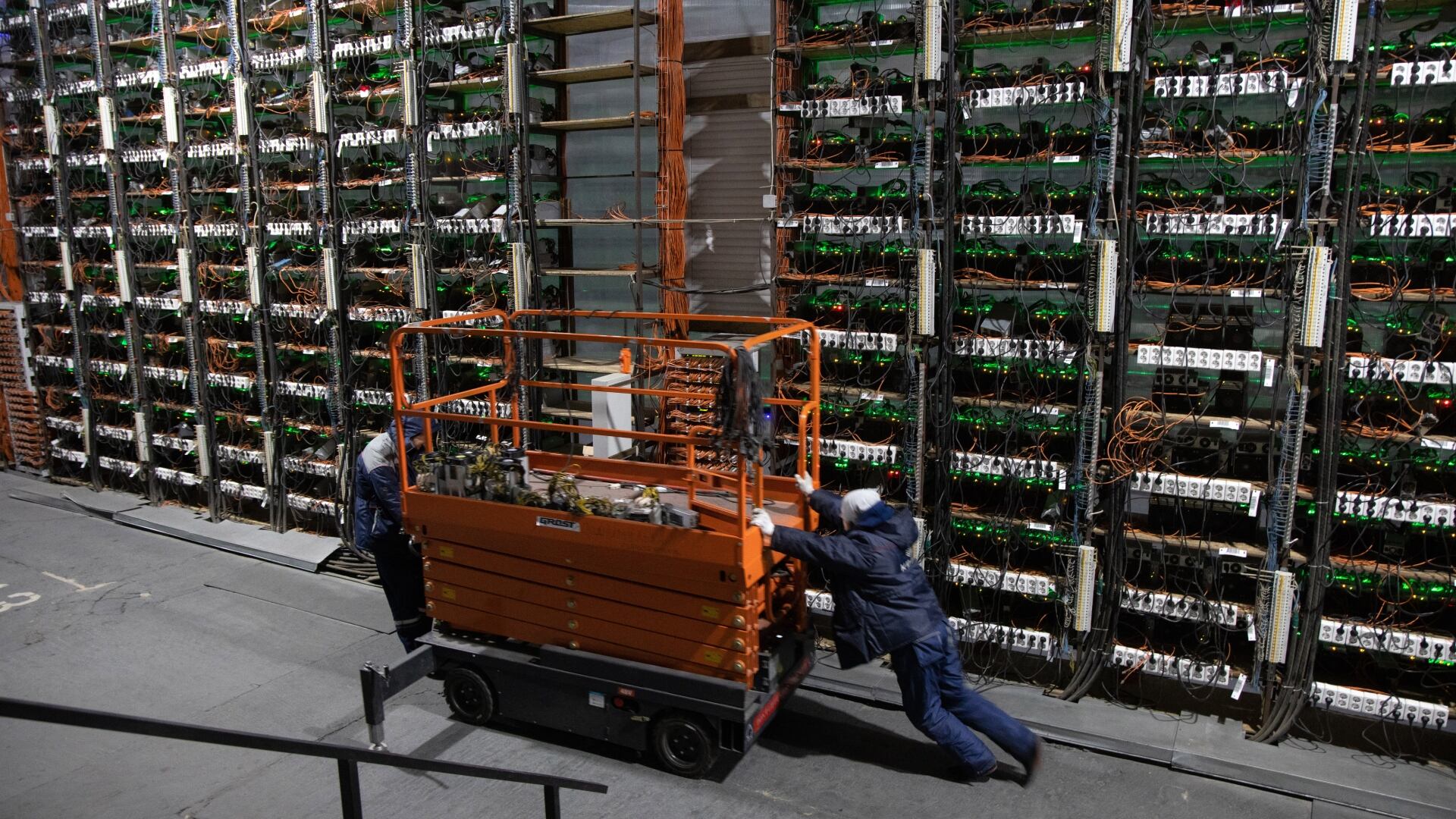
This is, by far, the hardest way to help the planet. We are streaming a lot of content right now and Netflix stock is booming. But our electric grid is heavily reliant on fossil fuels despite a push for renewable energy. Production of that energy is pretty hard on the planet and contributes to global greenhouse gas emissions. In fact, nearly 30 percent of the greenhouse gases we produce are directly related to providing electricity, according to the U.S. Environmental Protection Agency. If you are working from home as a result of stay-at-home orders or to promote social distancing, you may be using more power than you would normally.
So, turn off the lights. Commit to spending one night a week without streaming TV or on your computer. Play board games, read a book, try cooking a new recipe (possibly meatless?), paint a painting. Just give your brain and the planet a break from constantly providing power. Plus, there are physical benefits to shutting off the TVs, tablets and phones — limiting screens before bed leads to better sleep. So sleep better to save the planet? It’s a win-win.
6. Go outside

This feels beyond obvious but it needs to be said. The best way to help the environment is to spend time in your environment. Right now, being outside is about the only place any of us can go and the only relief we have from being stuck in our homes. Plus, it’s spring, the season of renewal, where we’re reminded that nature borders on magical with its ability to die and come back to life every year.
Take a walk everyday. Even if it’s just a walk around the block. Try to notice the signs of Spring, like you are a kid again. Visit a local park and take your shoes off to run through the grass. Take a drive to go hiking and challenge yourself. Just be in nature, find ways to get some sunscreen-protected sunshine or dance outside in the rain. You have to give yourself a break and there’s no better break than a literal change of scenery. So go do something, anything, in nature.
The best way to care for the planet is to care about the planet. That means spending time enjoying what makes our home amazing. From an acceptable social distance of six feet, of course.