U.S. airlines are seeking as much as $50 billion in federal support as travel restrictions aimed at containing the spread of coronavirus have pushed the industry’s biggest players to the brink of bankruptcy.
The airlines are seeking a combination of grants, government-backed loans and tax relief, the industry’s main trade group, Airlines 4 America, has said.
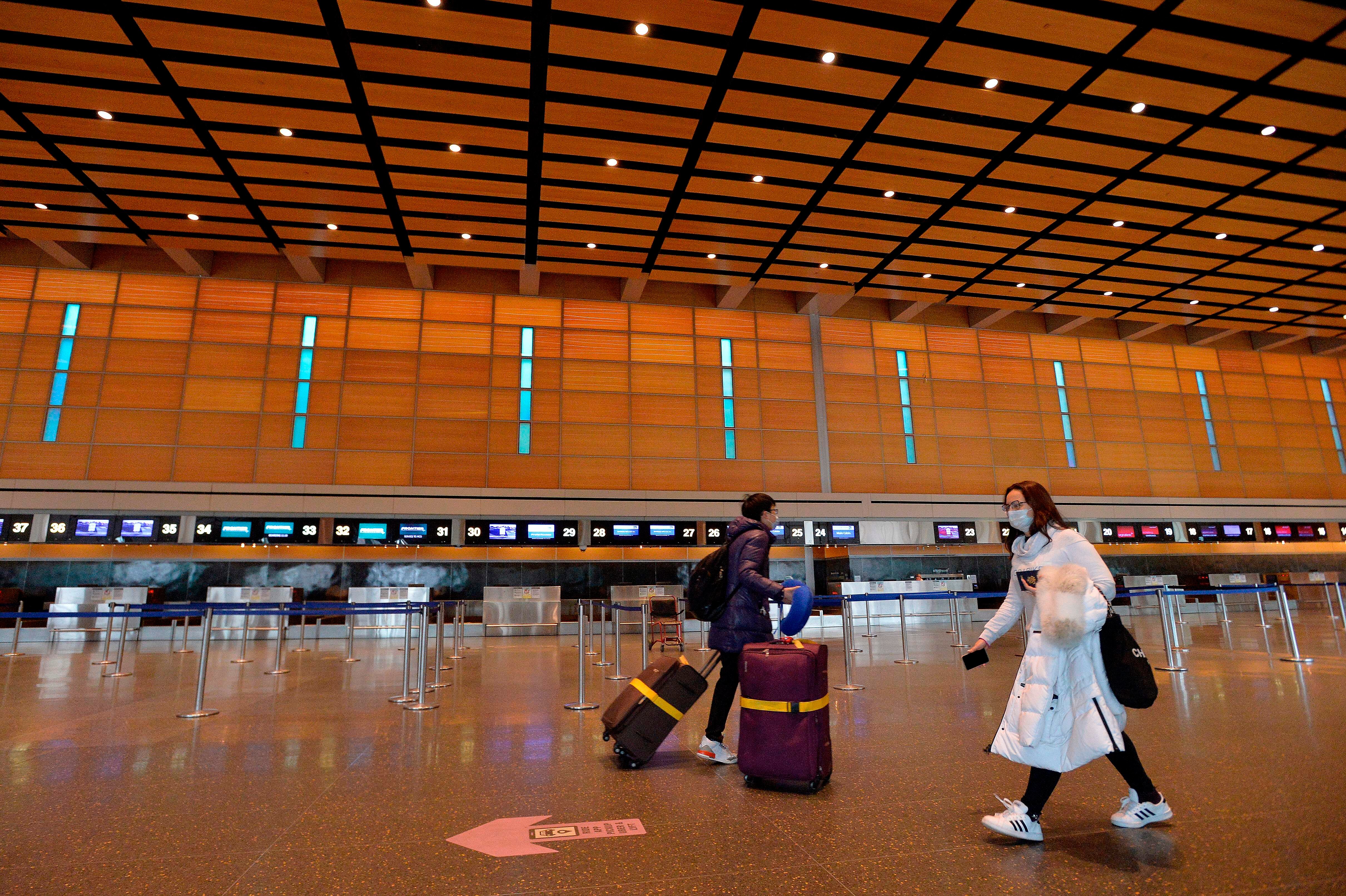
The impact of the travel restrictions has been swift and dramatic: Among the country’s Big Three airlines, American Airlines has slashed its international flights by 75 percent, United Airlines plans to cut half its domestic and international flights through the next two months, and Delta Airlines has said that bookings have plummeted by roughly a third.
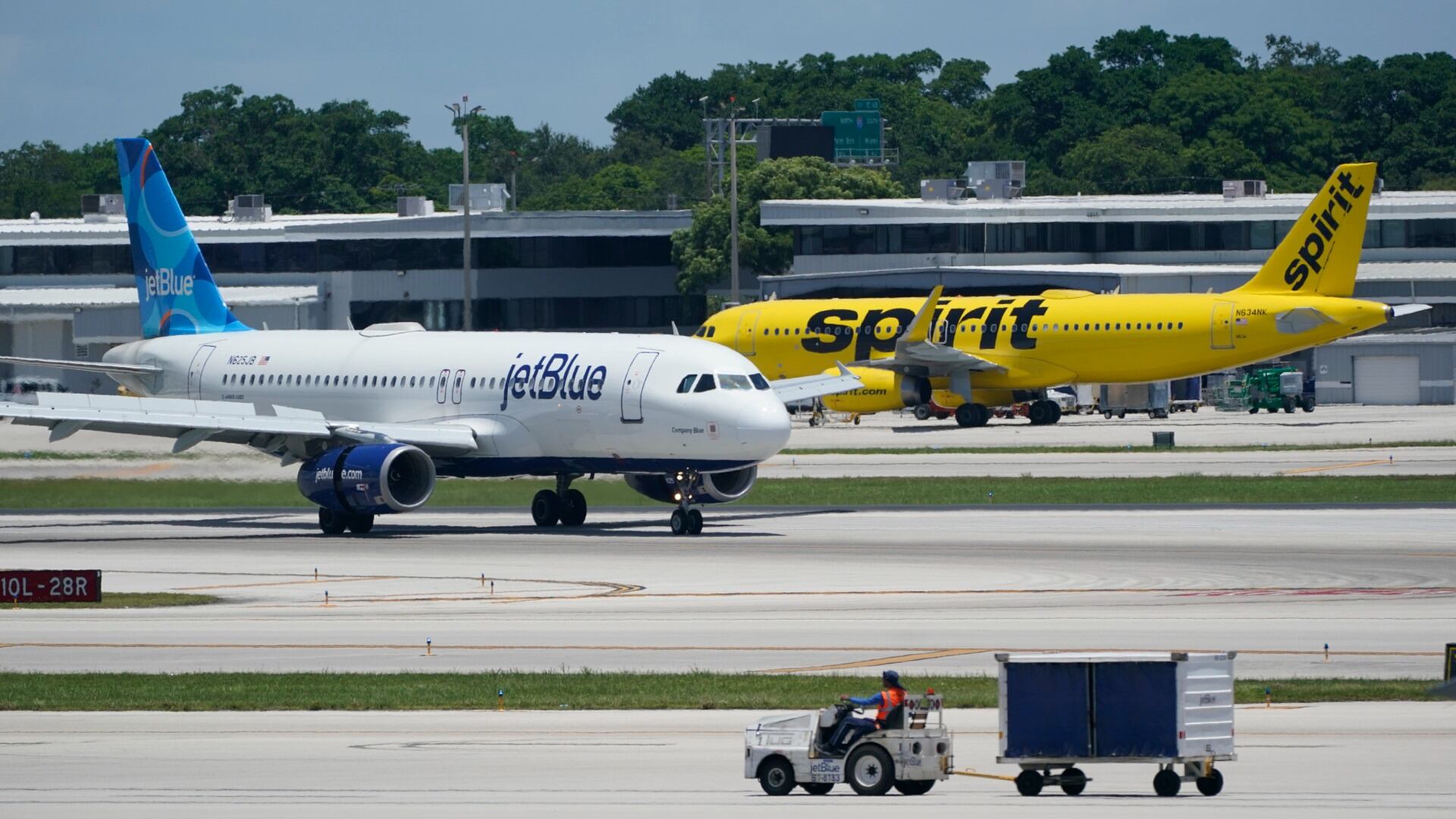
Meanwhile JetBlue, Southwest and Alaska have reduced their schedules, and some ultra-low-cost providers like Frontier and Spirit have taken dramatic steps to prop-up ridership, with Frontier on Monday announcing free flights for students with .edu email addresses.
“This is a today problem, not a tomorrow problem. It requires urgent action,” A4A president and CEO Nicholas Calio said in a statement.
The Wall Street Journal was the first to put a number on the bailout request.
The trade group’s statement sought to underscore the urgency, describing a “dramatic decline in demand” that is “getting worse by the day,” “historic capacity cuts” and a “staggering” economic impact on U.S. airlines.
United Airlines’ market value has plunged by 60 percent since the start of the year. American Airlines’ stock price has fallen by more than 50 percent, and Delta Airlines’ by close to 40 percent.
“U.S. carriers are in need of immediate assistance as the current economic environment is simply not sustainable. This is compounded by the fact that the crisis does not appear to have an end in sight,” the trade group said.