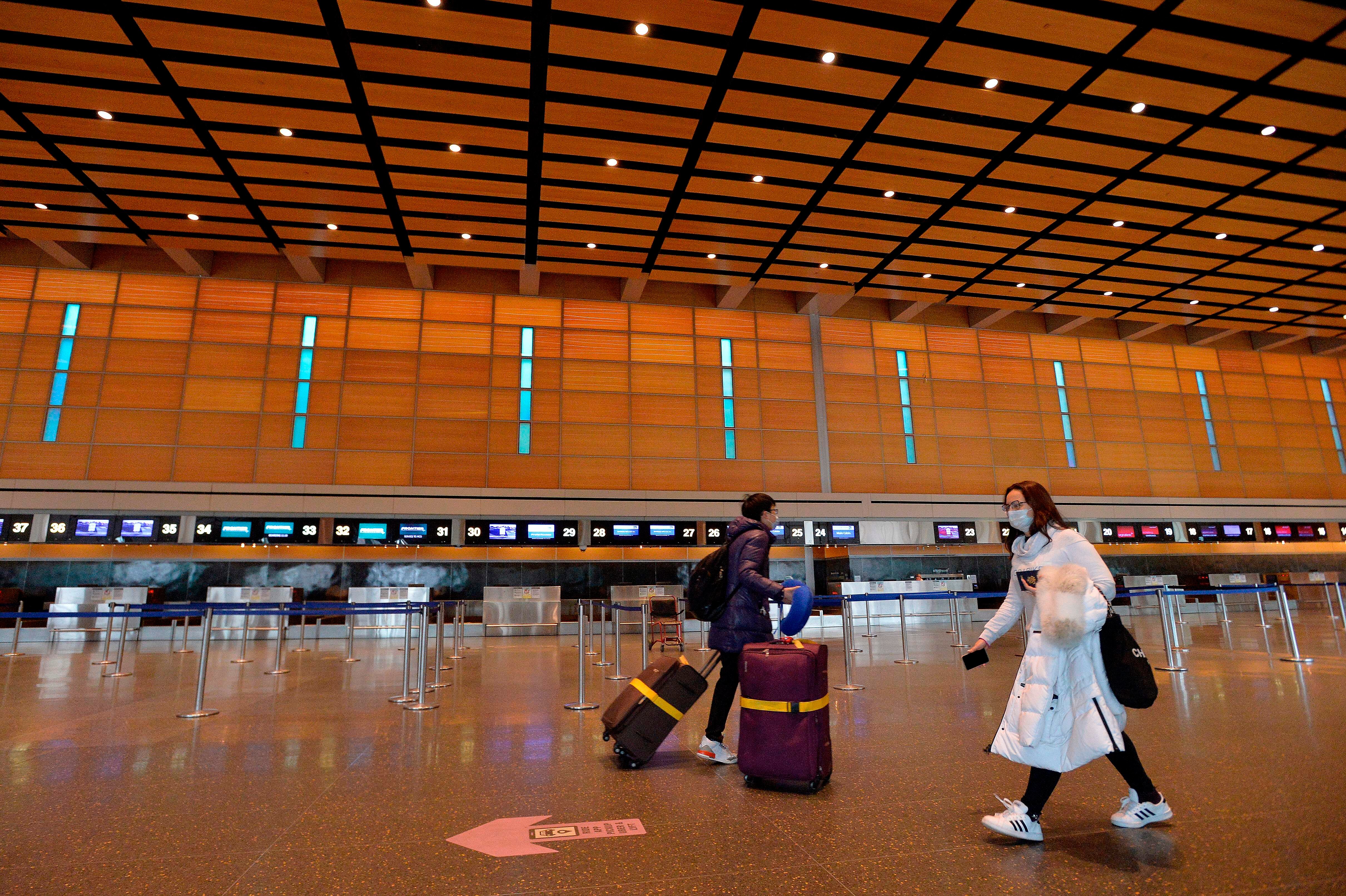
U.S. airlines are seeking as much as $50 billion in federal support as travel restrictions aimed at containing the spread of coronavirus have pushed the industry’s biggest players to the brink of bankruptcy.
The airlines are seeking a combination of grants, government-backed loans and tax relief, the industry’s main trade group, Airlines 4 America, has said.
The impact of the travel restrictions has been swift and dramatic: Among the country’s Big Three airlines, American Airlines has slashed its international flights by 75 percent, United Airlines plans to cut half its domestic and international flights through the next two months, and Delta Airlines has said that bookings have plummeted by roughly a third.
Meanwhile JetBlue, Southwest and Alaska have reduced their schedules, and some ultra-low-cost providers like Frontier and Spirit have taken dramatic steps to prop-up ridership, with Frontier on Monday announcing free flights for students with .edu email addresses.
“This is a today problem, not a tomorrow problem. It requires urgent action,” A4A president and CEO Nicholas Calio said in a statement.
The Wall Street Journal was the first to put a number on the bailout request.
The trade group’s statement sought to underscore the urgency, describing a “dramatic decline in demand” that is “getting worse by the day,” “historic capacity cuts” and a “staggering” economic impact on U.S. airlines.
United Airlines’ market value has plunged by 60 percent since the start of the year. American Airlines’ stock price has fallen by more than 50 percent, and Delta Airlines’ by close to 40 percent.
“U.S. carriers are in need of immediate assistance as the current economic environment is simply not sustainable. This is compounded by the fact that the crisis does not appear to have an end in sight,” the trade group said.
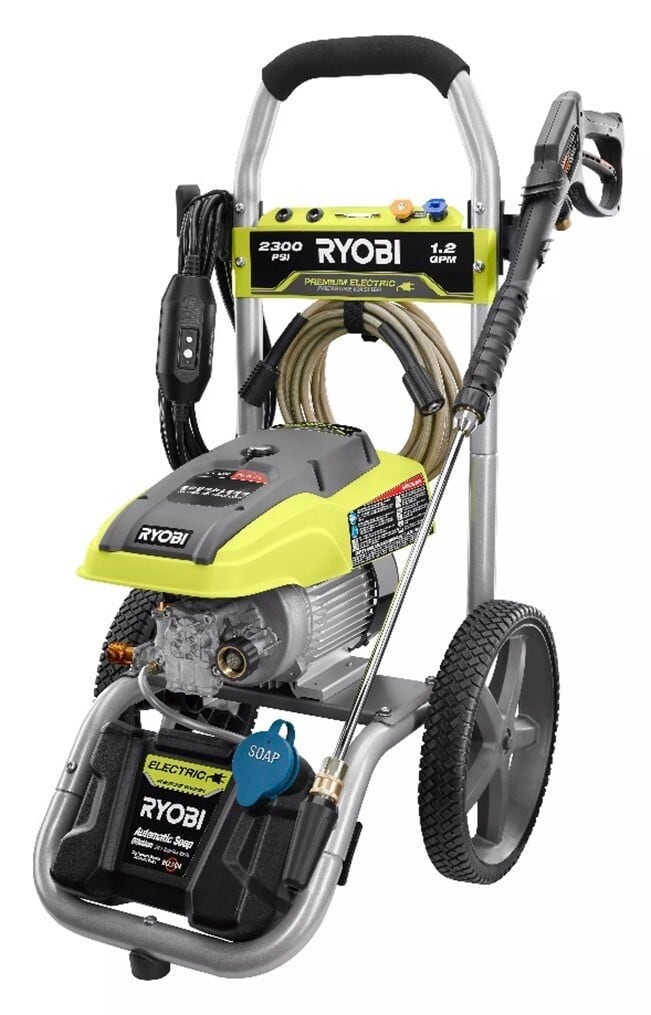
About 780,000 pressure washers sold at retailers like Home Depot are being recalled across the U.S. and Canada, due to a projectile hazard that has resulted in fractures and other injuries among some consumers.
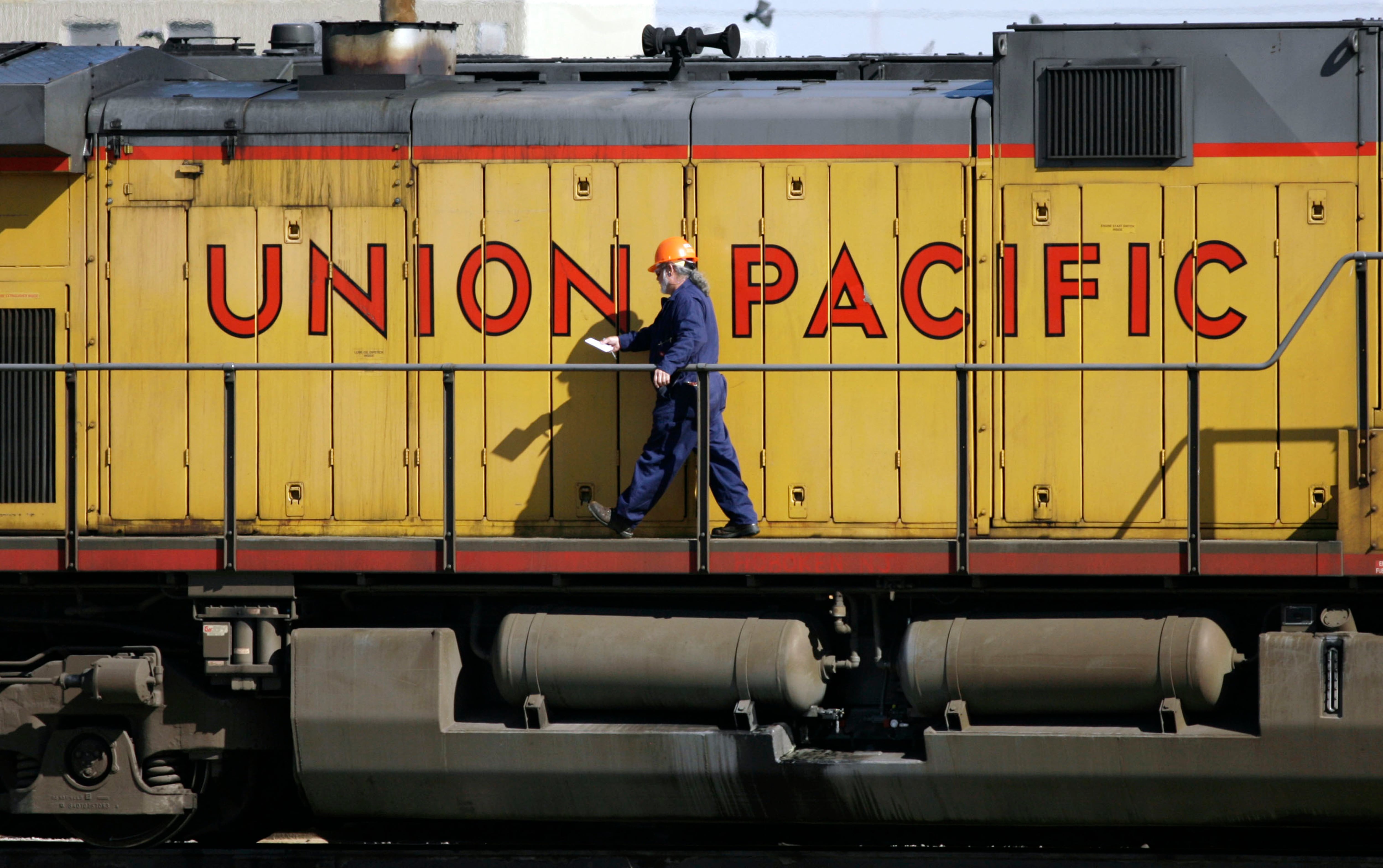
President Donald Trump has fired one of two Democratic members of the U.S. Surface Transportation Board to break a 2-2 tie ahead of the board considering the largest railroad merger ever proposed.
Ford is recalling more than 355,000 of its pickup trucks across the U.S. because of an instrument panel display failure that’s resulted in critical information, like warning lights and vehicle speed, not showing up on the dashboard.
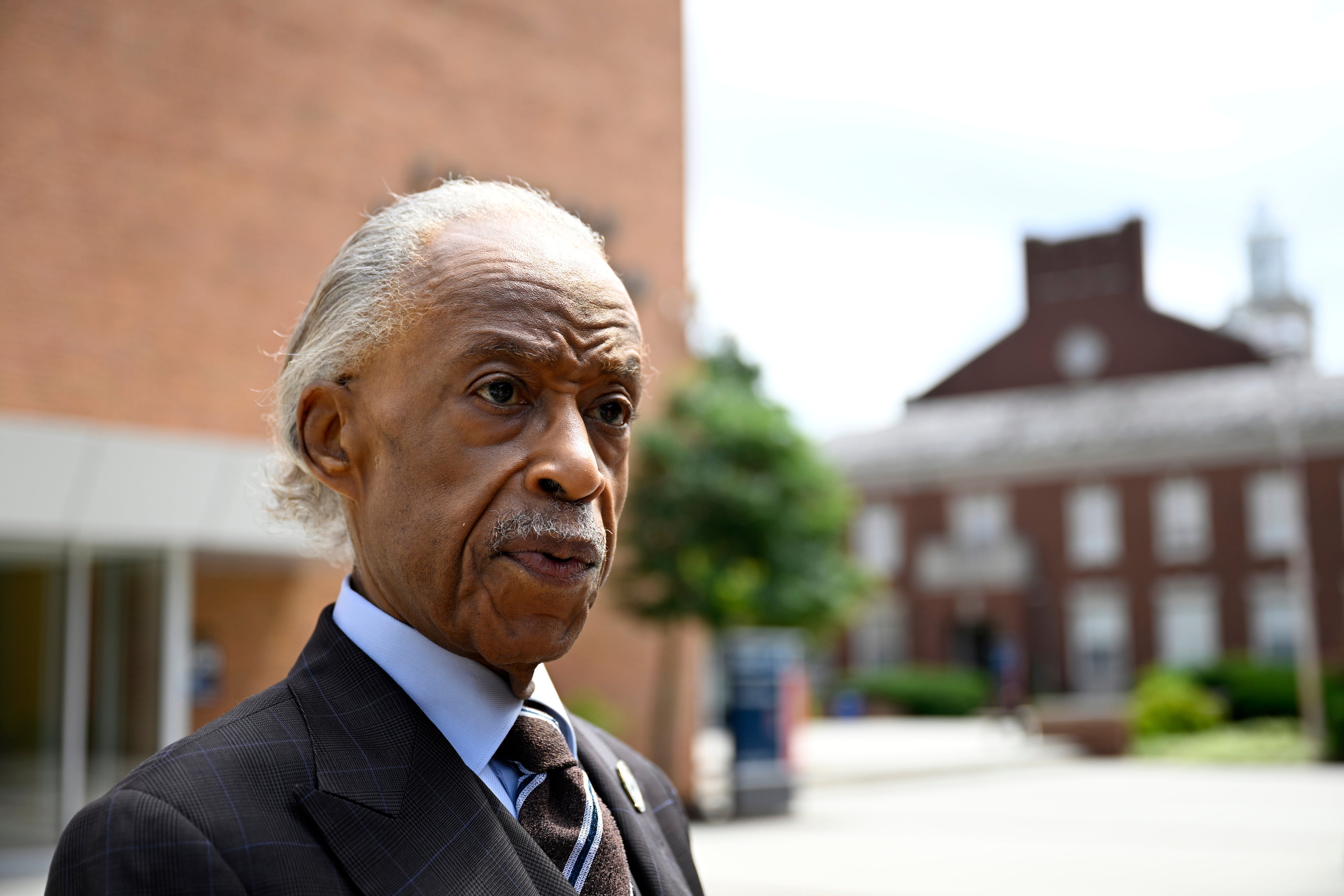
The Rev. Al Sharpton is set to lead a protest march on Wall Street to urge corporate America to resist the Trump administration’s campaign to roll back diversity, equity and inclusion initiatives. The New York civil rights leader will join clergy, labor and community leaders Thursday in a demonstration through Manhattan’s Financial District that’s timed with the anniversary of the Civil Rights-era March on Washington in 1963. Sharpton called DEI the “civil rights fight of our generation." He and other Black leaders have called for boycotting American retailers that scaled backed policies and programs aimed at bolstering diversity and reducing discrimination in their ranks.