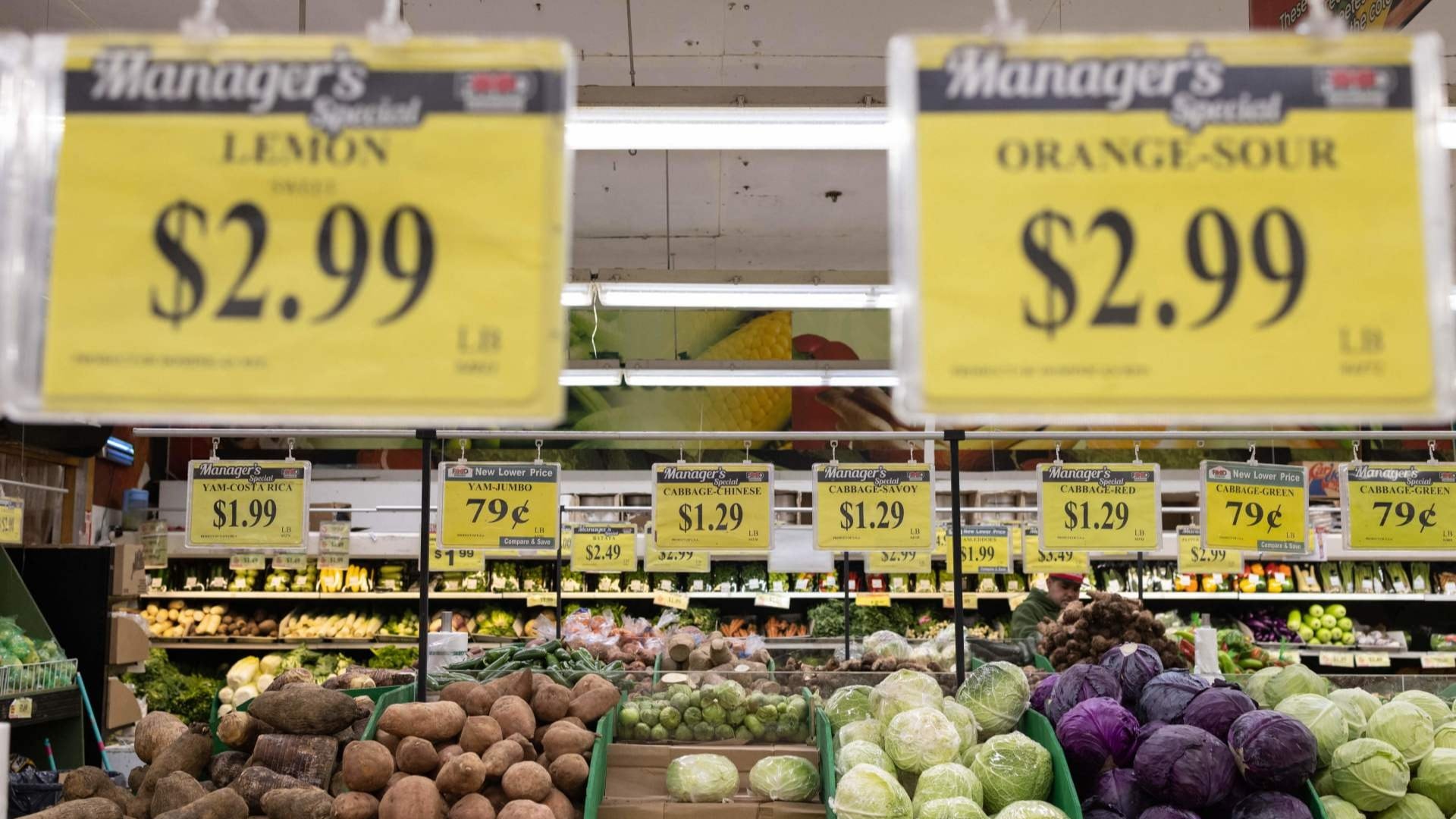
Prices rose half a percent in January, according to the latest consumer price index. That is up from a 0.1 percent decline in December, and five times the 0.1 percent increase in November.
The monthly uptick was in line with expectation, though the year-over-year rate came in higher than expected 6.4 percent, a marginal drop from a 6.5 percent rate in December.
Shelter (i.e. housing) contributed the largest share to the monthly increase, rising 0.7 percent.
Energy costs were also up across the board. The price of piped gas shot up 6.7 percent, while energy overall was up 2 percent after two straight months of declines.
Food prices, meanwhile, were up 0.5 percent. That is up from 0.4 percent in December, but still low relative to the last six months.
Used car prices also continued their steady decline, dropping 1.7 percent month-over-month and 11.6 percent year-over-year.
Despite the month-over-month drop, the annual rate has slowed for seven straight months.
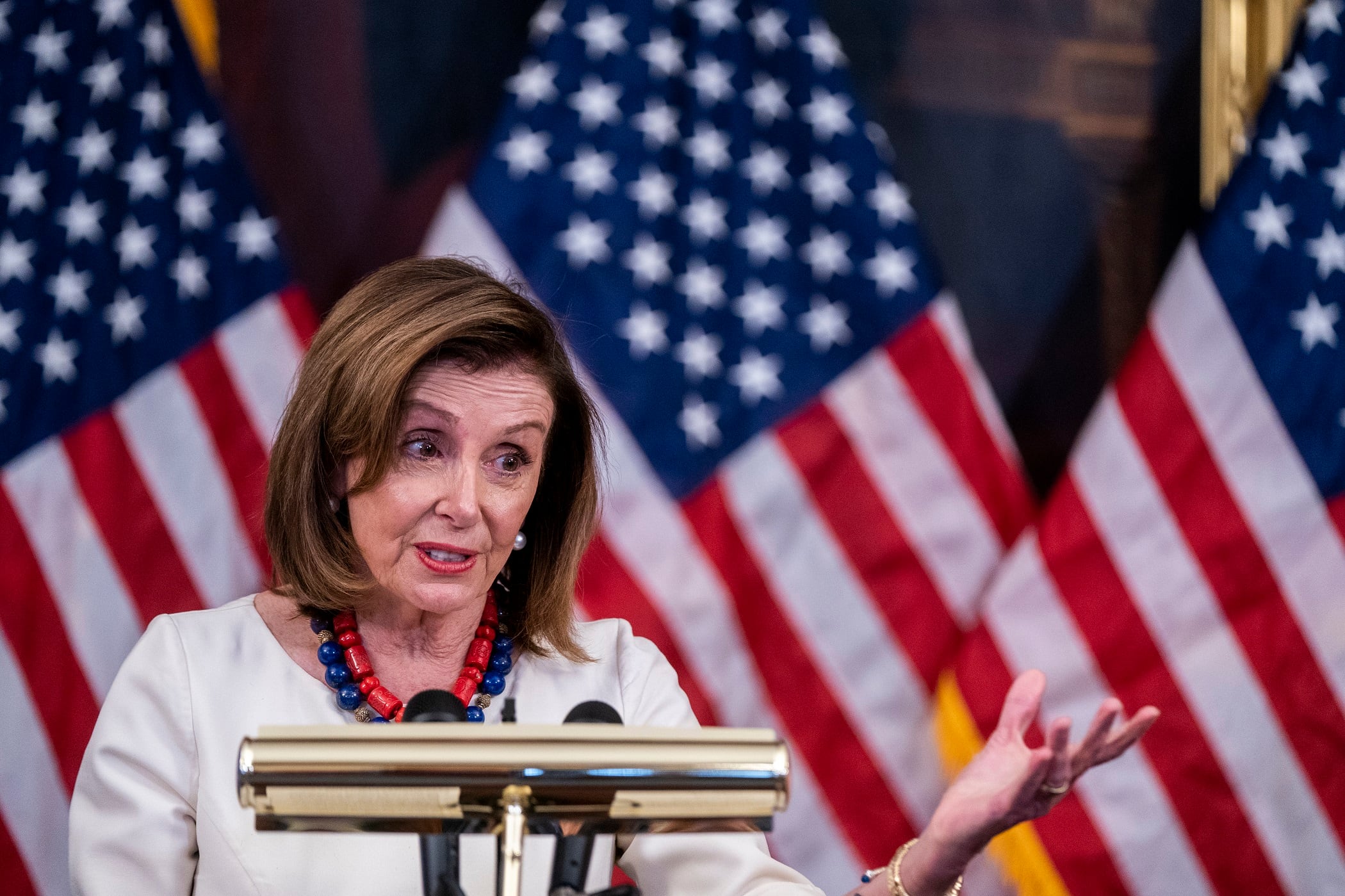
House Speaker Nancy Pelosi on Thursday reversed her position on efforts from rank-and-file members to restrict or ban members of Congress from trading stock in individual companies while in office.
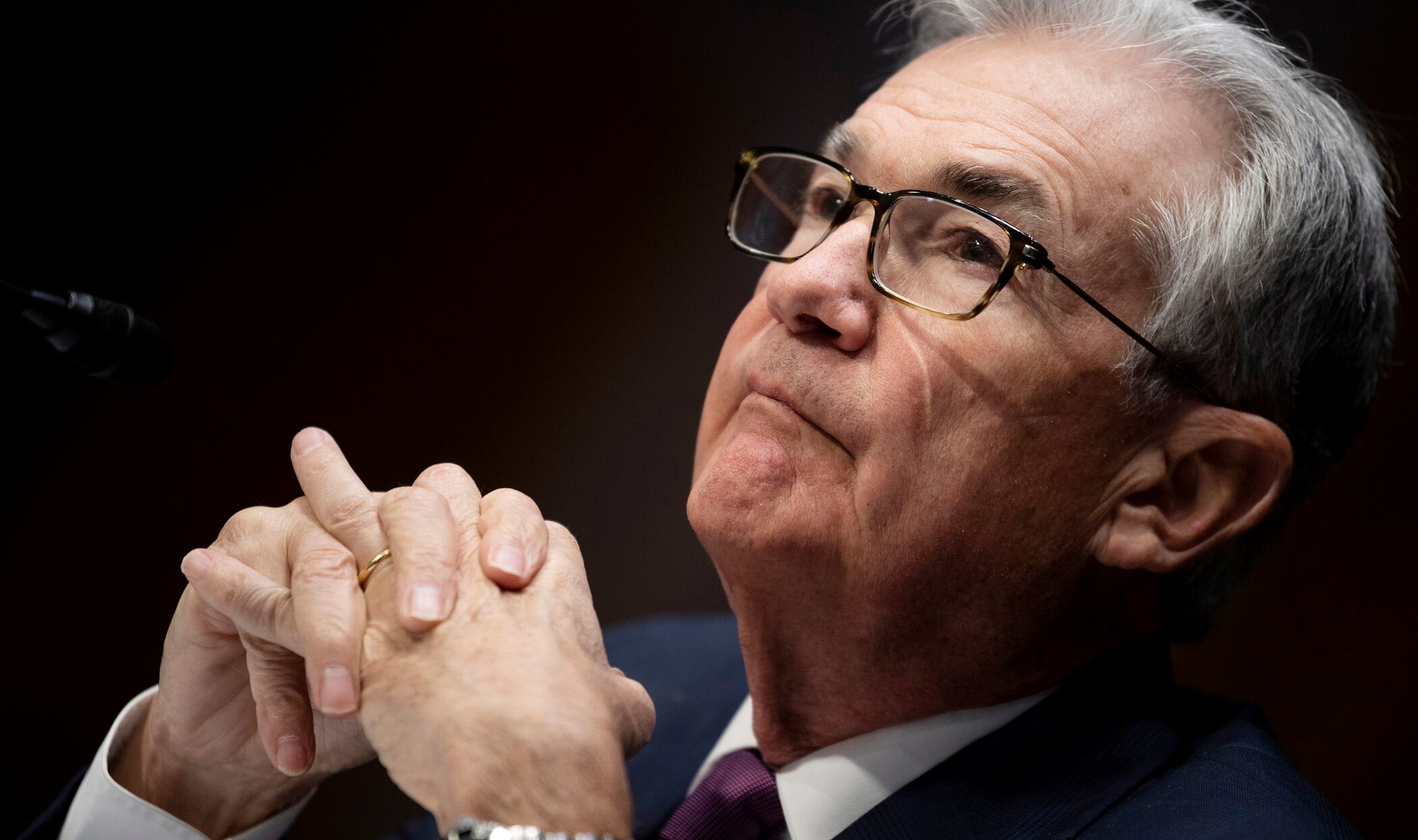
The 40-page paper was widely seen as the first step in doing just that, but the document provides only partial hints as to if the Fed is supportive of a central bank digital currency.
The People's Bank of China (PBOC) announced on Tuesday that 261 million individuals, or about a fifth of the country's population, have now set up digital yuan wallets.
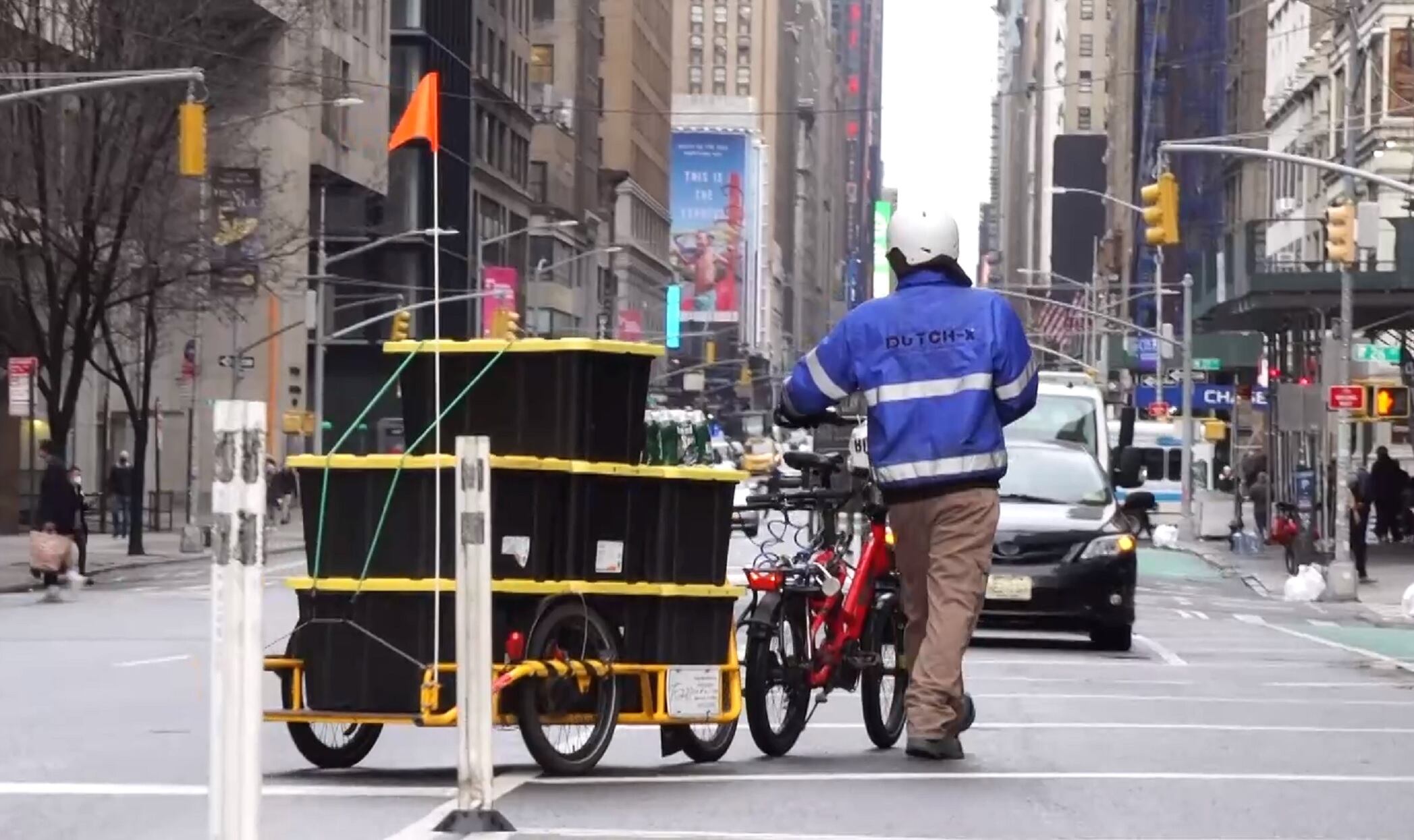
Courier service Dutch-X is transitioning its fleet of cargo vans to more e-bikes for New York City deliveries as last-mile deliveries in packed urban centers continue to surge. Cheddar's Michelle Castillo has more.
Amazon says it plans to open a clothing store in a Southern California mall later this year, a first for the online behemoth and a fresh challenge for already struggling traditional retailers.
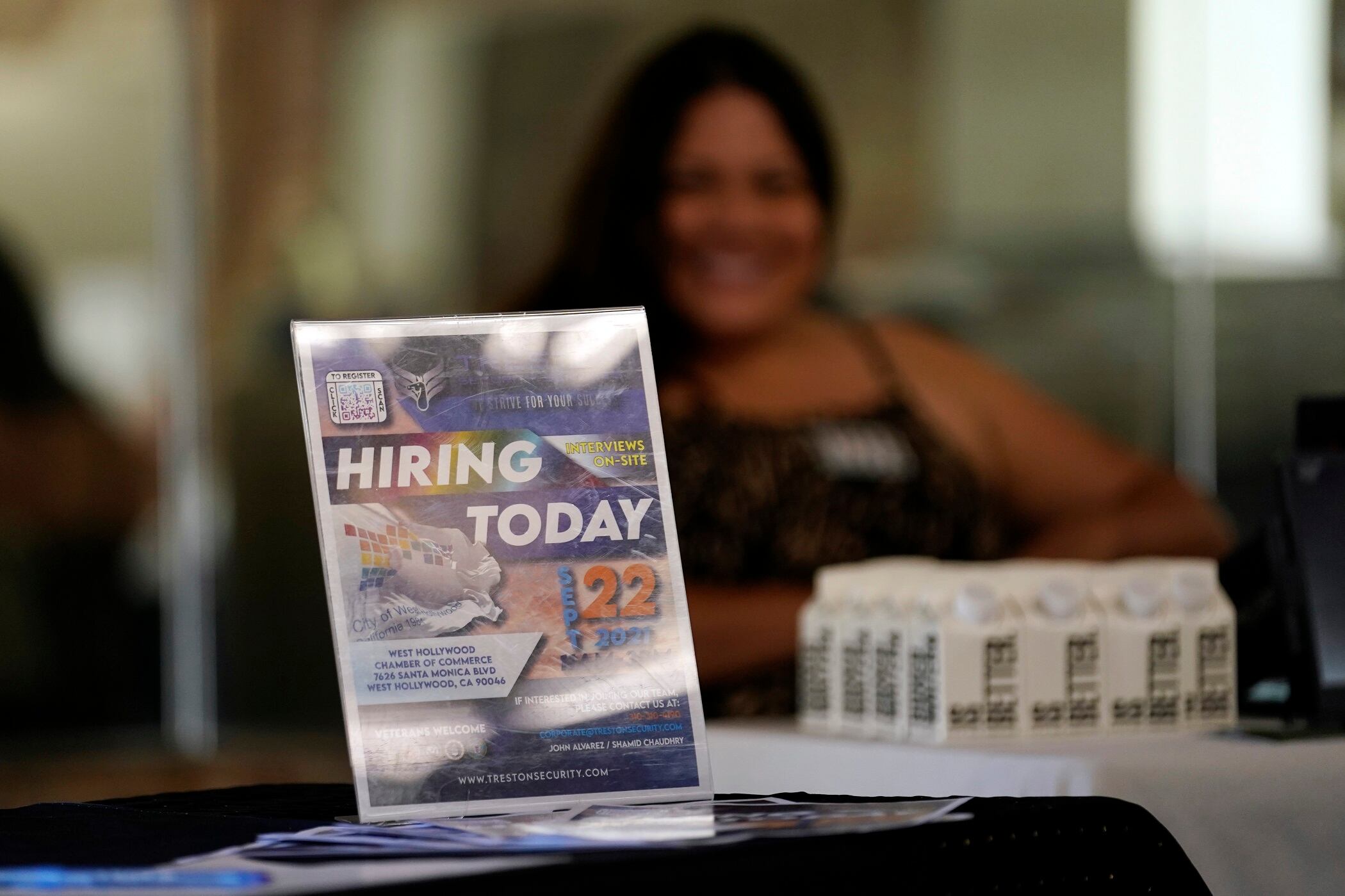
The number of Americans applying for unemployment benefits rose to the highest level in three months as the fast-spreading omicron variant disrupted the job market.
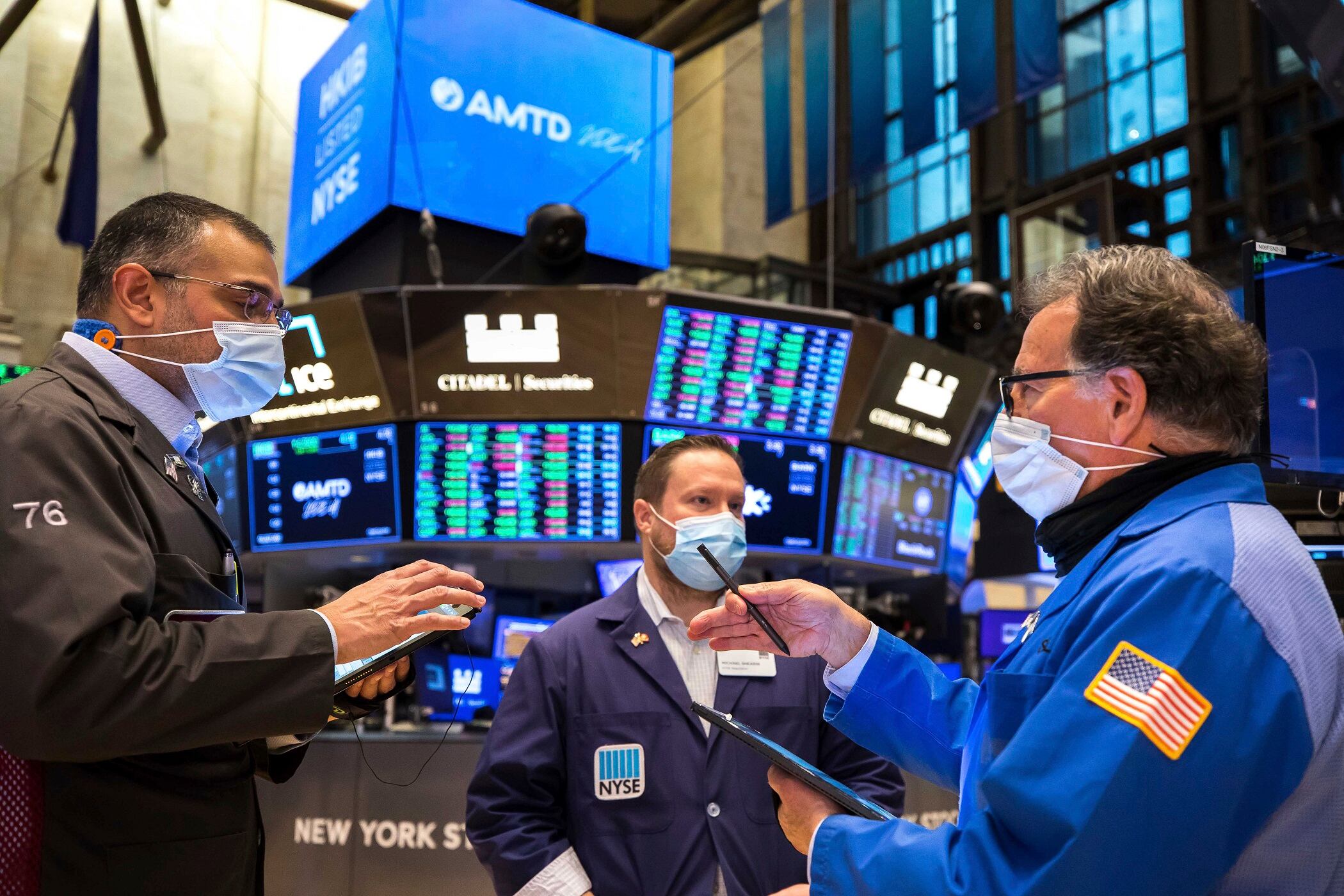
Stocks ended sharply lower on Wall Street Thursday, and the benchmark S&P 500 closed at a three-month low as corporate earnings and inflation continued to hold investors’ attention.
Starbucks is no longer requiring its U.S. workers to be vaccinated against COVID-19, reversing a policy it announced earlier this month.
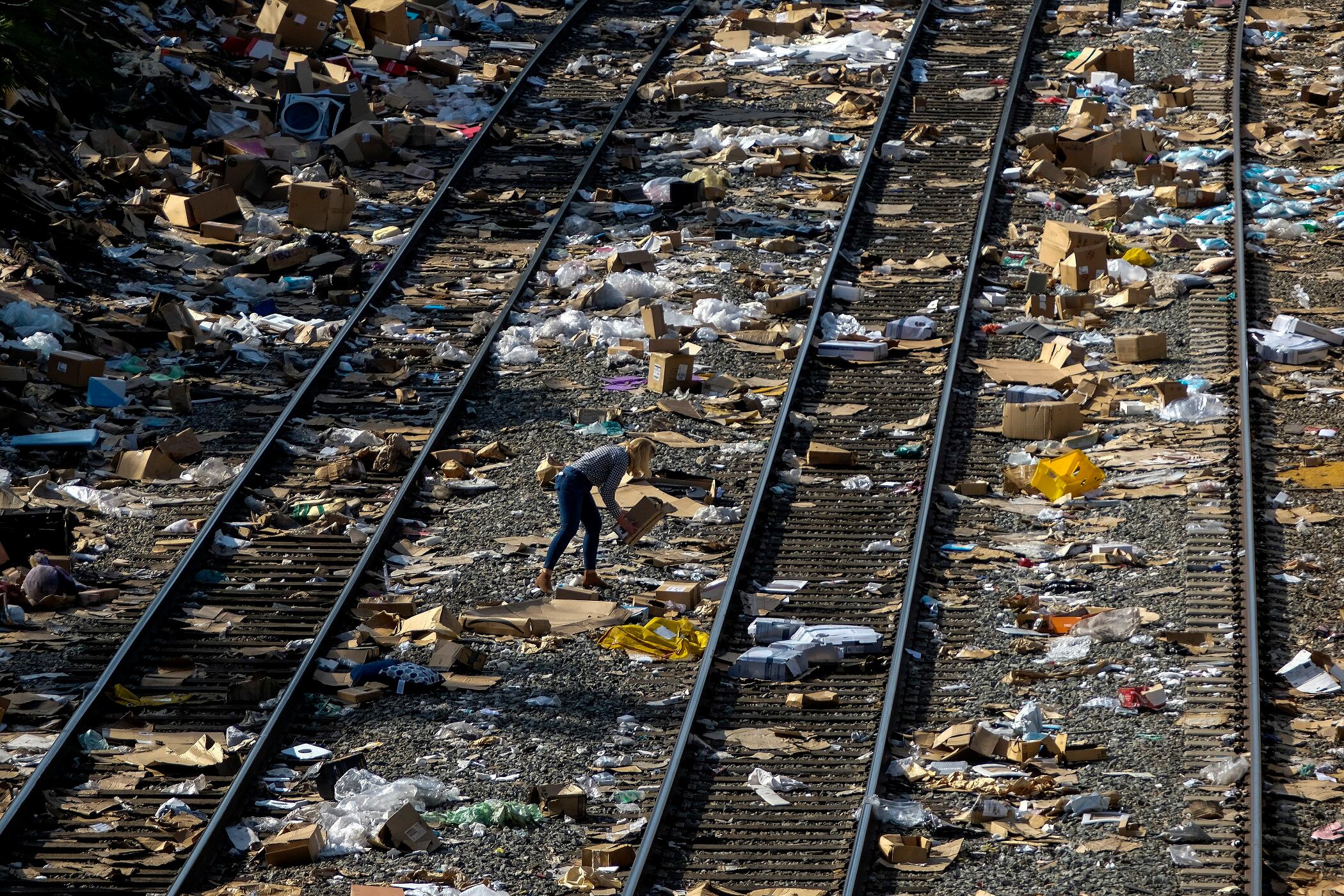
Crews are making railroad repair in Los Angeles after a train derailed near the location where thieves have been raiding cargo containers, leaving the tracks littered with empted boxes of packaged goods sent by retailers.
Stocks continued to fall on Wall Street Wednesday as investors review the latest corporate earnings and prepare for higher interest rates.