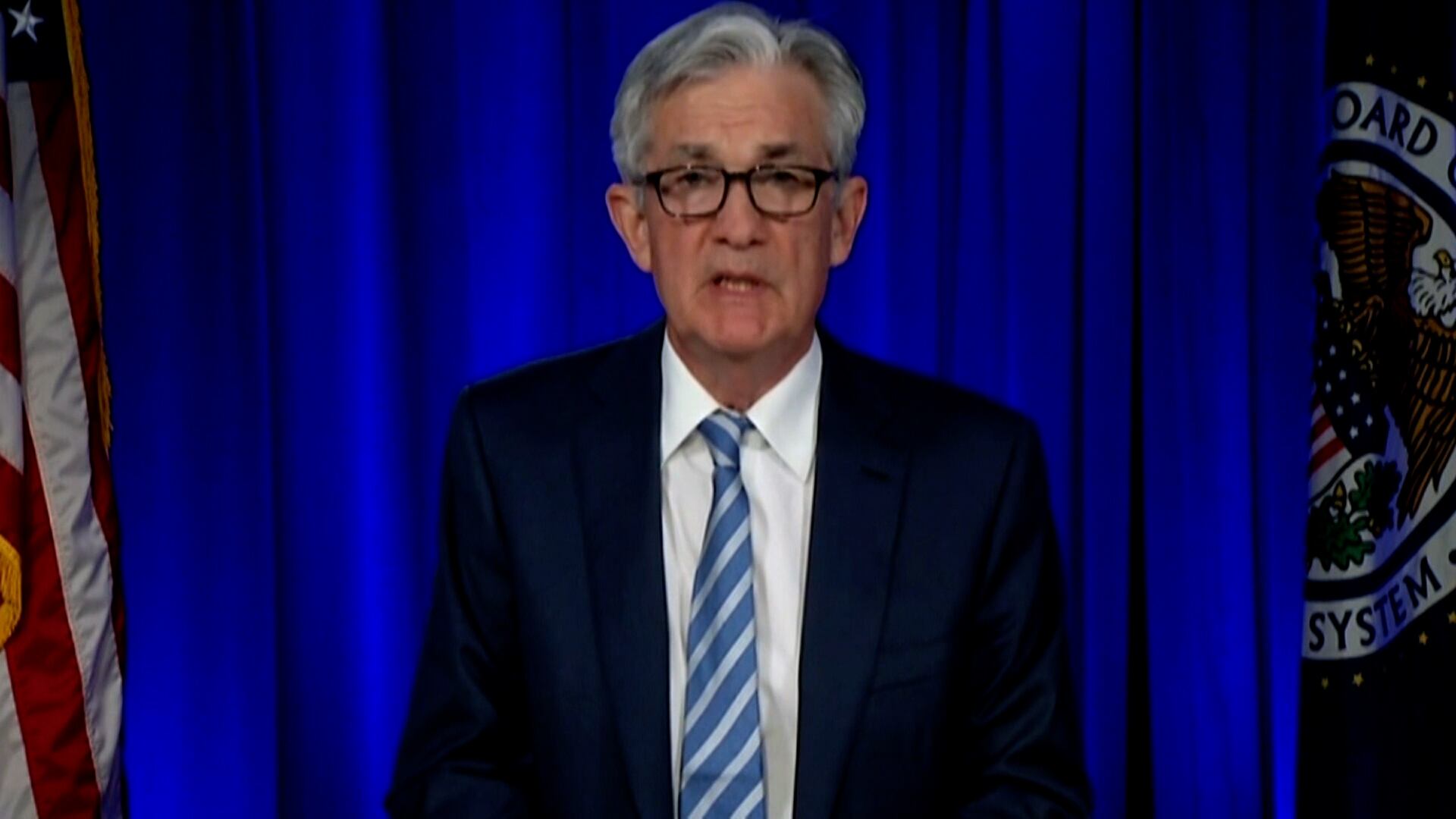
Surging inflation has eased in recent months, but more evidence is needed to show that price increases are coming down in the long term, Federal Reserve Chair Jerome Powell said Wednesday. (Photo by Yuki IWAMURA / AFP) (Photo by YUKI IWAMURA/AFP via Getty Images)
Prices rose half a percent in January, according to the latest consumer price index. That is up from a 0.1 percent decline in December, and five times the 0.1 percent increase in November.
The monthly uptick was in line with expectation, though the year-over-year rate came in higher than expected 6.4 percent, a marginal drop from a 6.5 percent rate in December.
Shelter (i.e. housing) contributed the largest share to the monthly increase, rising 0.7 percent.
Energy costs were also up across the board. The price of piped gas shot up 6.7 percent, while energy overall was up 2 percent after two straight months of declines.
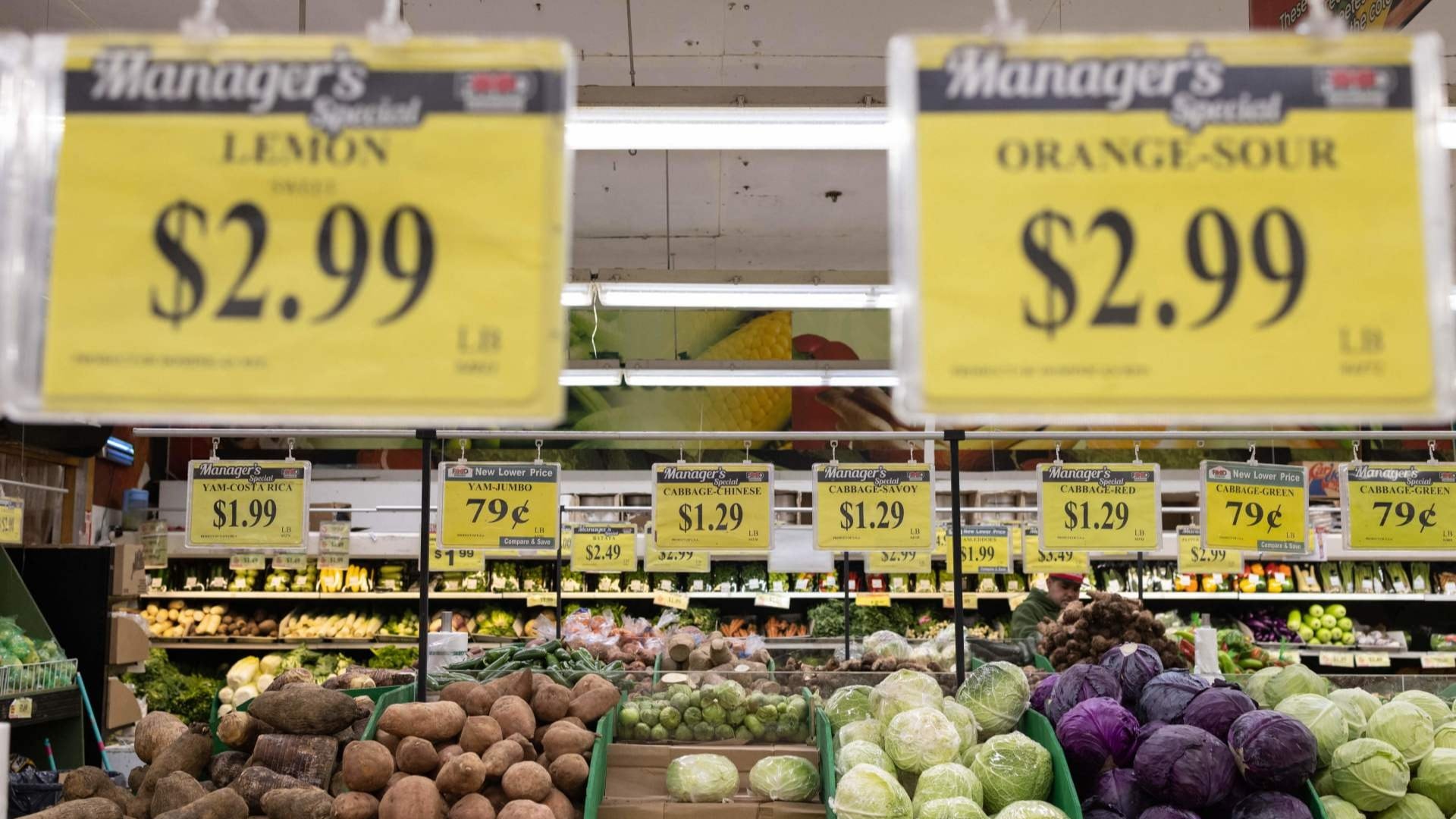
Food prices, meanwhile, were up 0.5 percent. That is up from 0.4 percent in December, but still low relative to the last six months.
Used car prices also continued their steady decline, dropping 1.7 percent month-over-month and 11.6 percent year-over-year.
Despite the month-over-month drop, the annual rate has slowed for seven straight months.
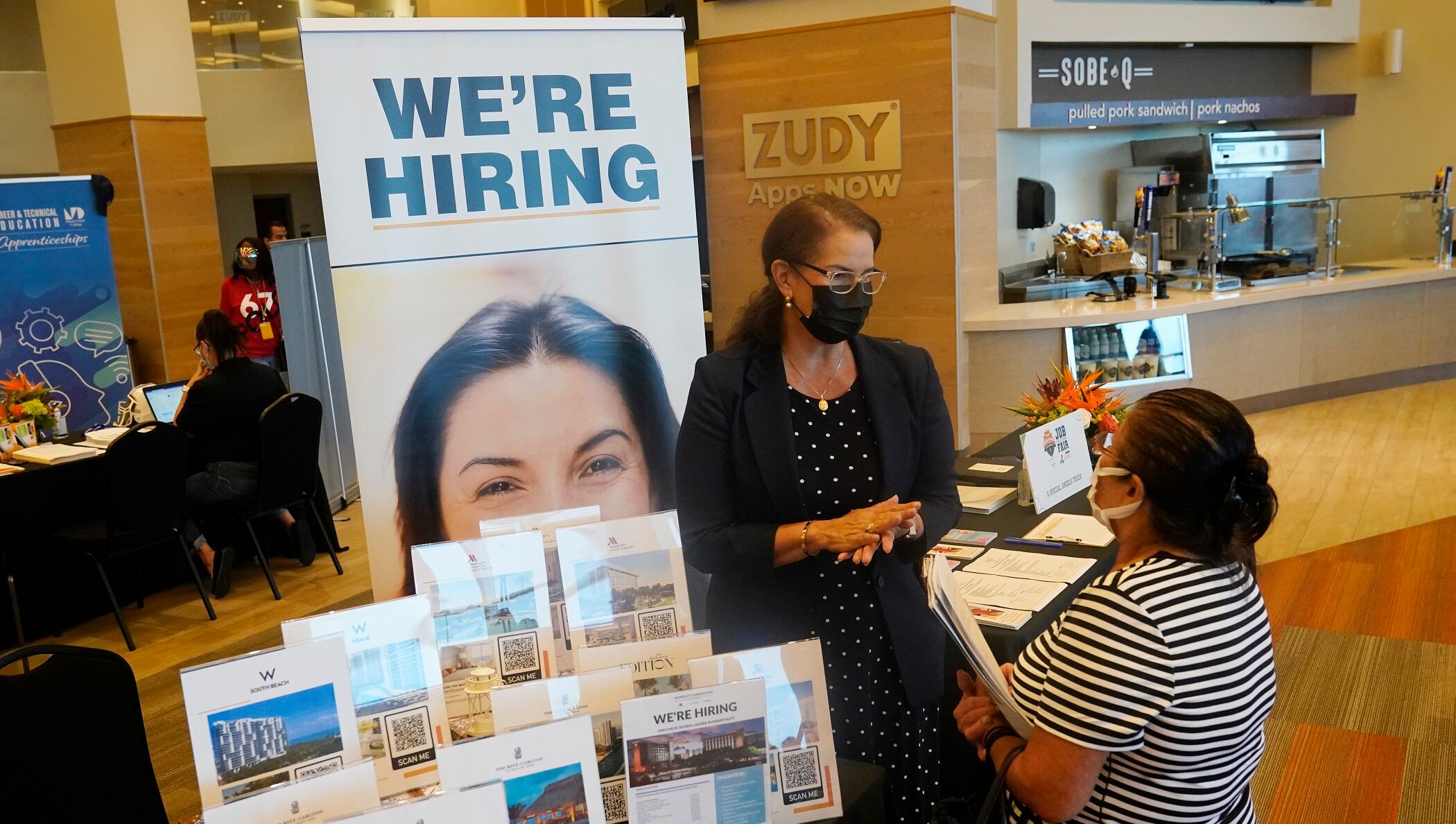
Applications for U.S. unemployment benefits rose last week, but remain near historically low levels, reflecting relatively few layoffs across the economy
Marc DeBevoise, Incoming CEO of Brightcove, talks about the company's position within the streaming space and what the overall industry needs to do to attract more enterprise clients.
As the Beijing winter Olympics start to wind down, its ratings are heading towards a historic low. An average of only 12.3 million viewers per day have tuned into NBC to watch the games, compared with about 23 million viewers for the 2018 games in South Korea. Seth Schachner, managing director of StratAmericas and digital business executive, breaks down what could be behind this trend.
As coronavirus cases decline, many people are going out again, eating at restaurants, taking long-delayed vacations, attending concerts, and more. But, despite social activities returning to normal, many companies are still working remotely. In fact, only a third of U.S. employees have returned to the office, according to Kastle Systems, which monitors building-access cards. Brian Kropp, chief of research for Gartner's HR practice, joined Cheddar's Opening Bell to discuss the state of the return-to-work debate.
Matthew Tuttle, CEO & Chief Investment Officer at Tuttle Capital, breaks down the economic factors impacting the technology sector and the future pricing power of Big Tech.
Inflation rose 7.5% percent from last January to this January, higher than expected and the fastest rate of growth in 40 years. Consumer prices were up 0.6% percent from the previous month, with increases in food, electricity, and shelter as the biggest drivers. Veronique De Rugy, senior research fellow of the Mercatus Center at George Mason University, joined Cheddar to give her biggest takeaways on the latest CPI report.
Jason Ware, Chief Investment Officer at Albion Financial Group, talks about the sectors to be affected by higher interest rates and highlights the pockets within tech that have room for growth.
Matthew Tuttle, CEO and Chief Investment Officer at Tuttle Capital Management, talks about the geopolitical and economic uncertainty impacting market performance.
Chad Oviatt, Director of Investment Management at Huntington National Bank, breaks down the impact of the inflationary pressure on consumer sentiment and highlights areas of growth going forward.
Wholesale prices rose 9.7% year-over-year in January, yet another sign of rising inflation. This comes as inflation continues to push higher, the Fed considers hiking interest rates, and the conflict in Ukraine threatens to raise the costs of living in the U.S. even higher. John Leer, chief economist at Morning Consult joined Cheddar for more insight.