Surging inflation has eased in recent months, but more evidence is needed to show that price increases are coming down in the long term, Federal Reserve Chair Jerome Powell said Wednesday. (Photo by Yuki IWAMURA / AFP) (Photo by YUKI IWAMURA/AFP via Getty Images)
Prices rose half a percent in January, according to the latest consumer price index. That is up from a 0.1 percent decline in December, and five times the 0.1 percent increase in November.
The monthly uptick was in line with expectation, though the year-over-year rate came in higher than expected 6.4 percent, a marginal drop from a 6.5 percent rate in December.
Shelter (i.e. housing) contributed the largest share to the monthly increase, rising 0.7 percent.
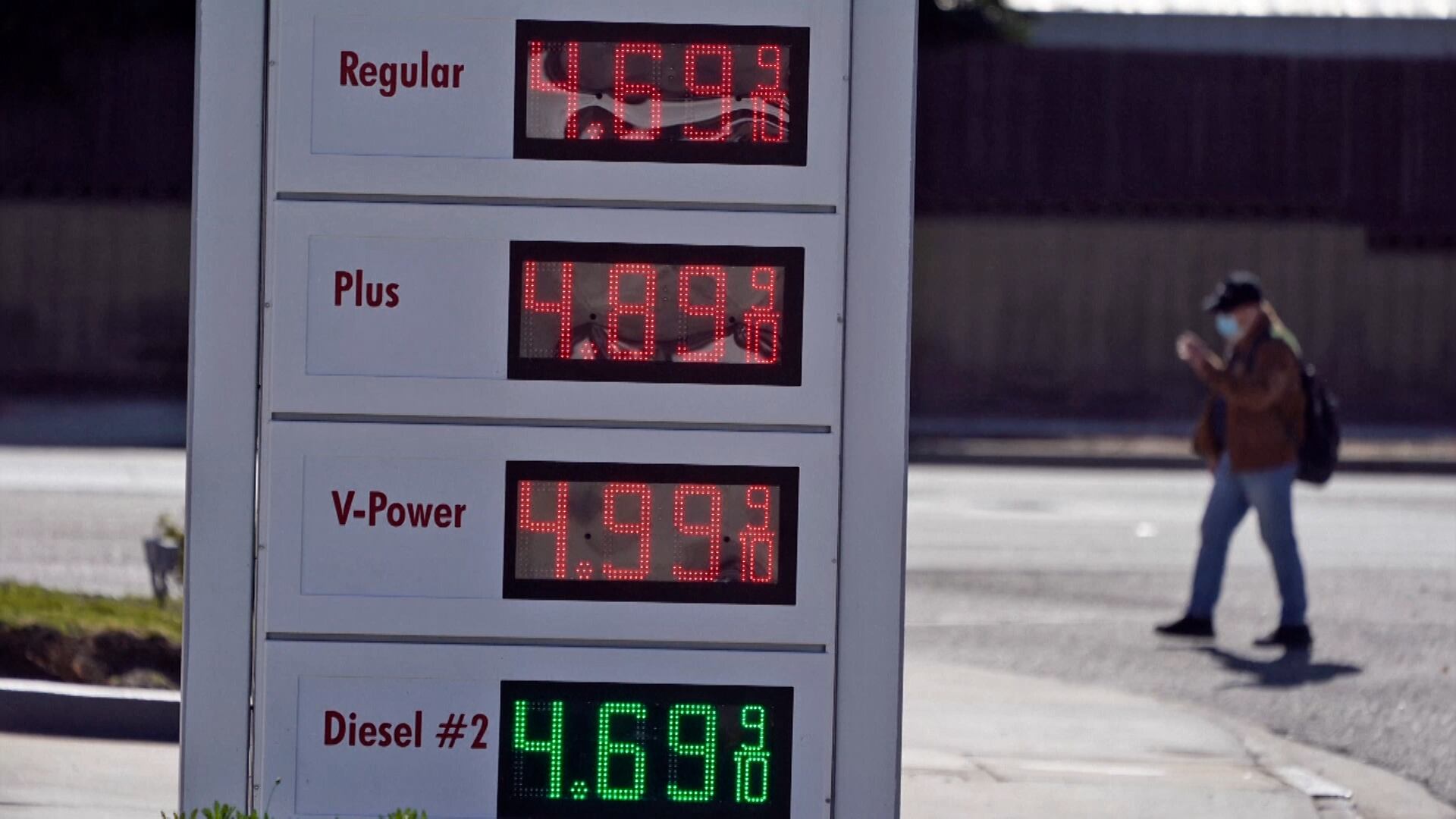
Energy costs were also up across the board. The price of piped gas shot up 6.7 percent, while energy overall was up 2 percent after two straight months of declines.
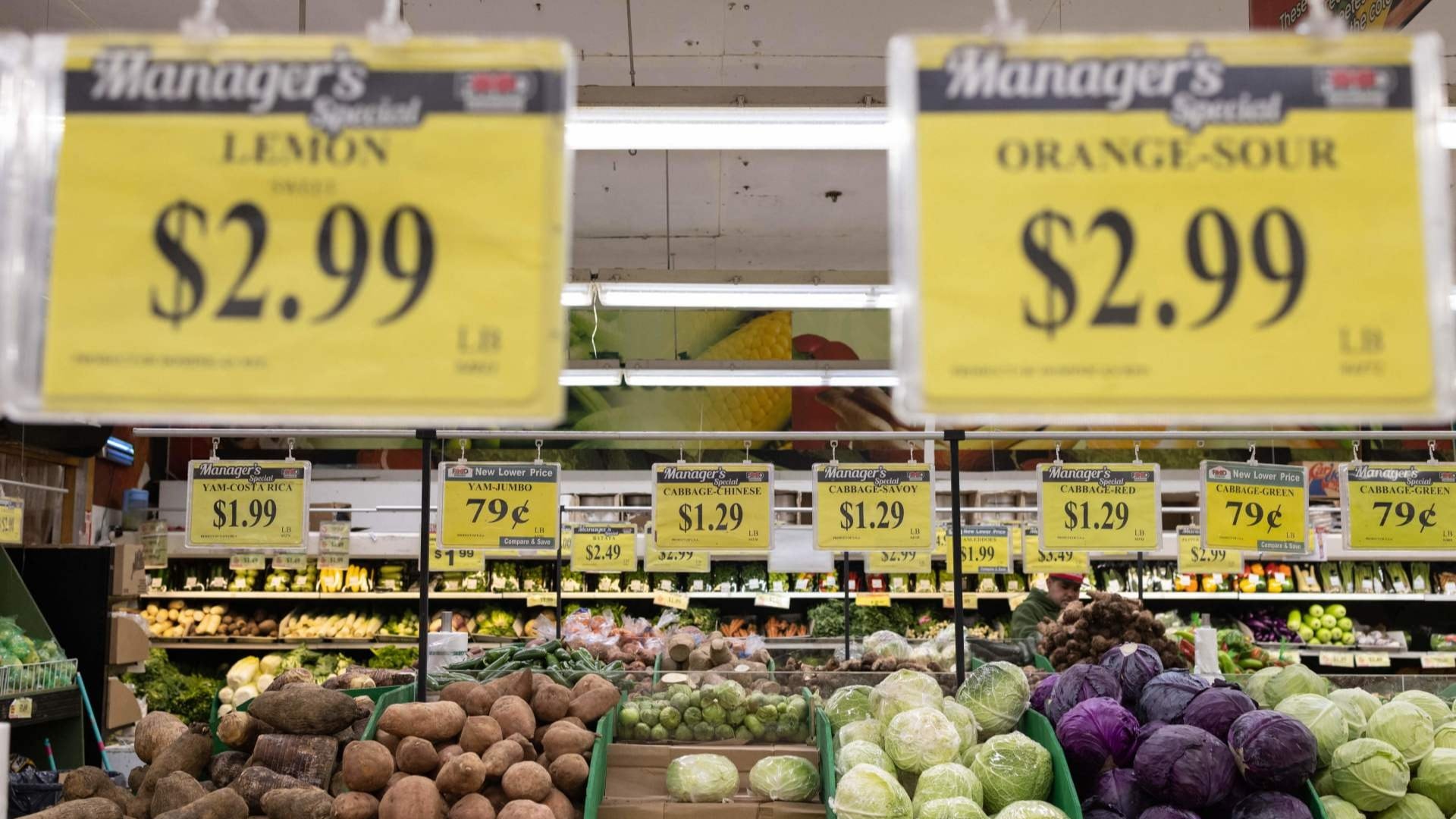
Food prices, meanwhile, were up 0.5 percent. That is up from 0.4 percent in December, but still low relative to the last six months.
Used car prices also continued their steady decline, dropping 1.7 percent month-over-month and 11.6 percent year-over-year.
Despite the month-over-month drop, the annual rate has slowed for seven straight months.
Robinhood has released its newest debit card, called the Robinhood Cash Card, which allows users to invest spare change with a rounding up feature while spending money. Robinhood Chief Product Officer Aparna Chennapragada, joined Cheddar News to talk about the latest product from the fintech company. "When we talk to our customers, especially this generation of customers, they want to have their debit primary. They're wary of fees. They're wary of credit cards," she said. "But they are all interested in investing, whether it be in the stock market or crypto, and what we said is, let's build a product that turns spending into investing."
David Swartz, an equity analyst at Morningstar, breaks down the bright spots of Nike's direct-to-consumer model and how a Kohl's buyout could affect the company's structure.
Anne Price, President of The Insight Center for Community Economic Development, talks about the Fed's approach to tackling inflation and how the policy changes disproportionality impact low-income and multicultural households.
Francis Oh, APAC CEO of Qraft Technologies, discusses the market reaction after FOMC members signal they're in favor of more aggressive rate hikes and how geopolitical pressures may impact the Fed's inflation target.
Boeing shares saw a pullback after a 737-800 aircraft with 132 people on board nosedived mid-flight, crashing into the mountains of Southern China. China's Eastern Airlines plane was not a 737-Max model, which was grounded worldwide after two fatal crashes in 2018 and 2019, but it's once again raising questions about the safety of Boeing's aircraft. Michael Boyd, CEO of Boyd Group International, gave Opening Bell his take on what another crash means for Boeing.