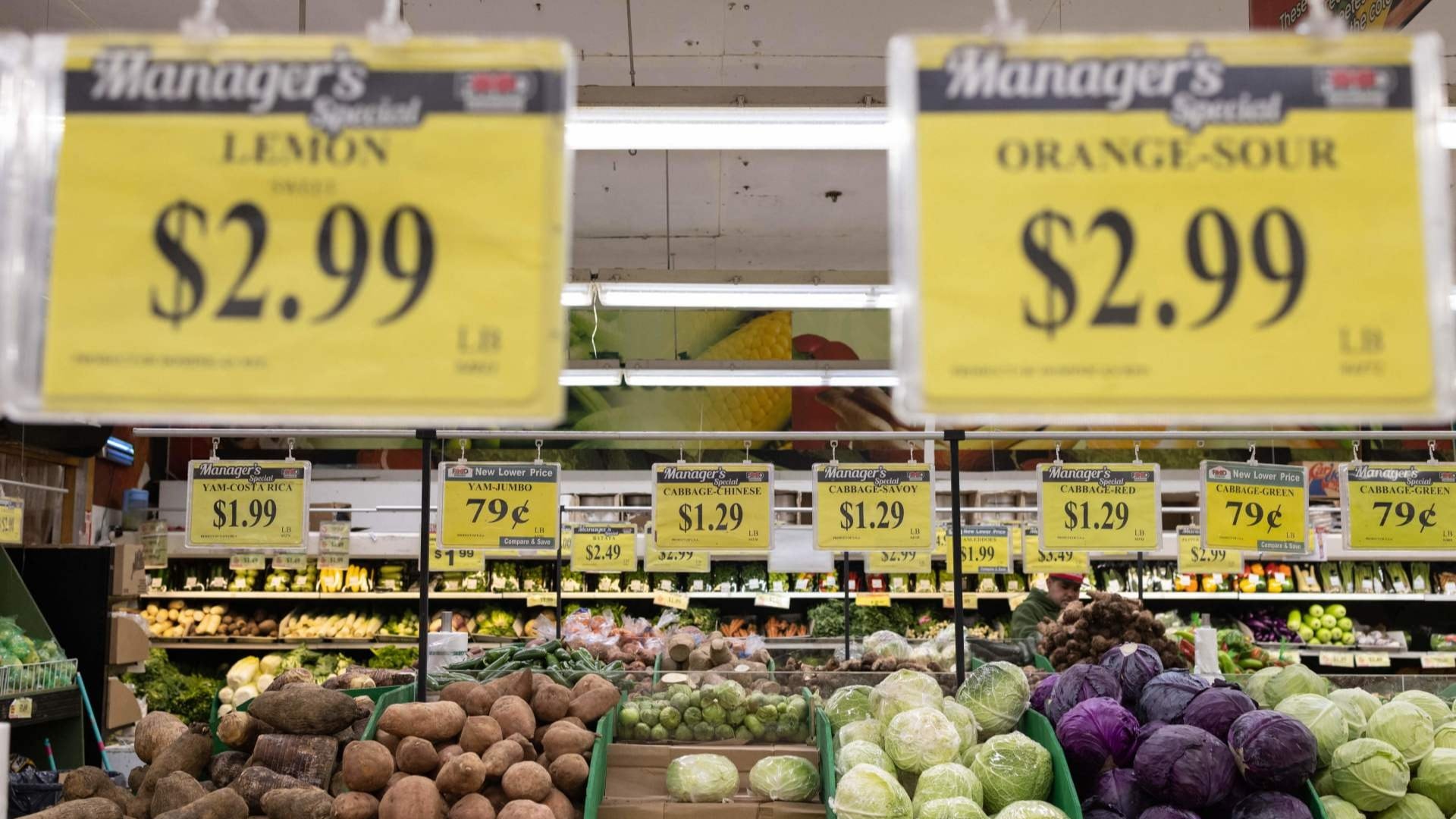
Surging inflation has eased in recent months, but more evidence is needed to show that price increases are coming down in the long term, Federal Reserve Chair Jerome Powell said Wednesday. (Photo by Yuki IWAMURA / AFP) (Photo by YUKI IWAMURA/AFP via Getty Images)
Prices rose half a percent in January, according to the latest consumer price index. That is up from a 0.1 percent decline in December, and five times the 0.1 percent increase in November.
The monthly uptick was in line with expectation, though the year-over-year rate came in higher than expected 6.4 percent, a marginal drop from a 6.5 percent rate in December.
Shelter (i.e. housing) contributed the largest share to the monthly increase, rising 0.7 percent.
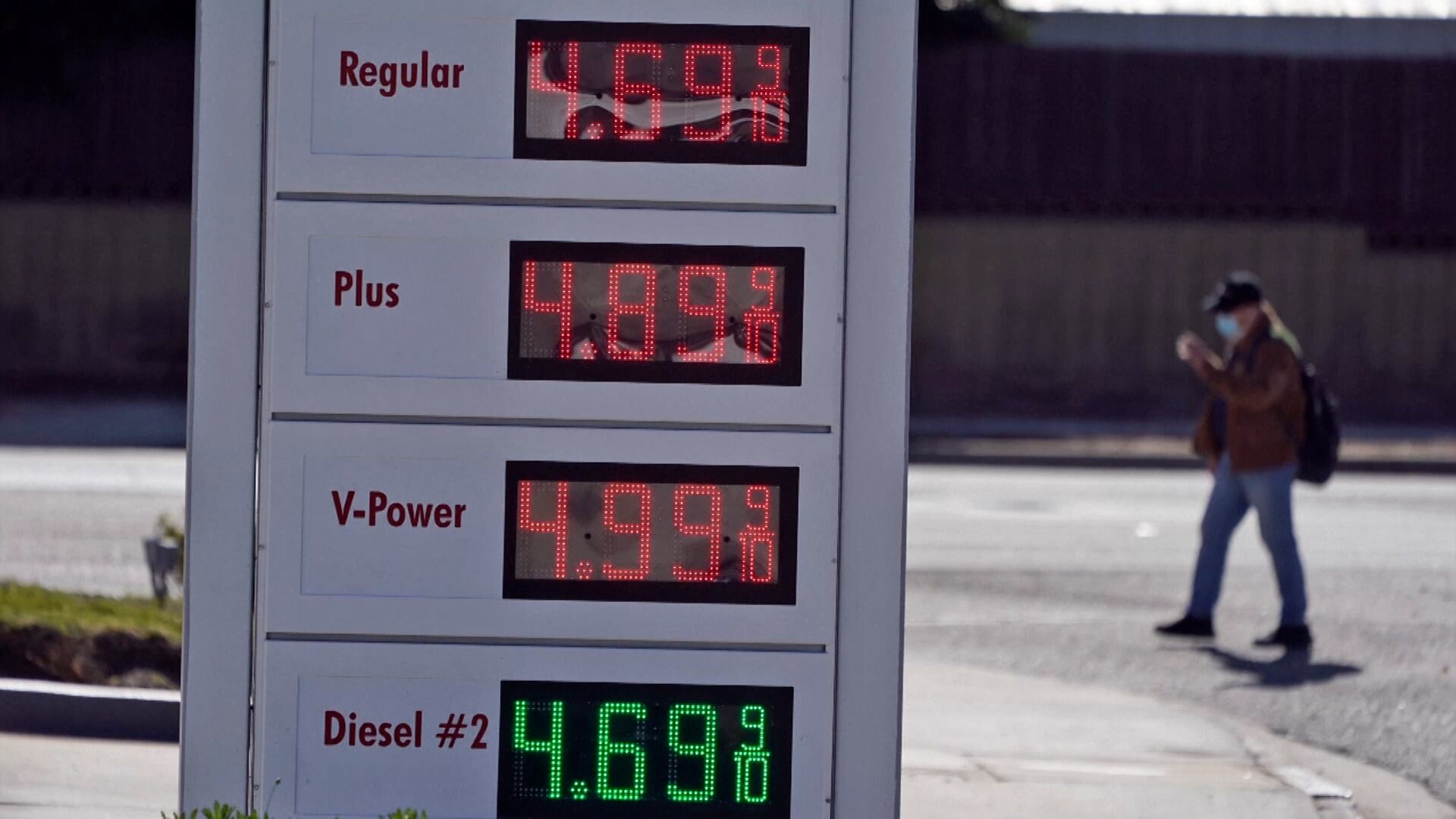
Energy costs were also up across the board. The price of piped gas shot up 6.7 percent, while energy overall was up 2 percent after two straight months of declines.
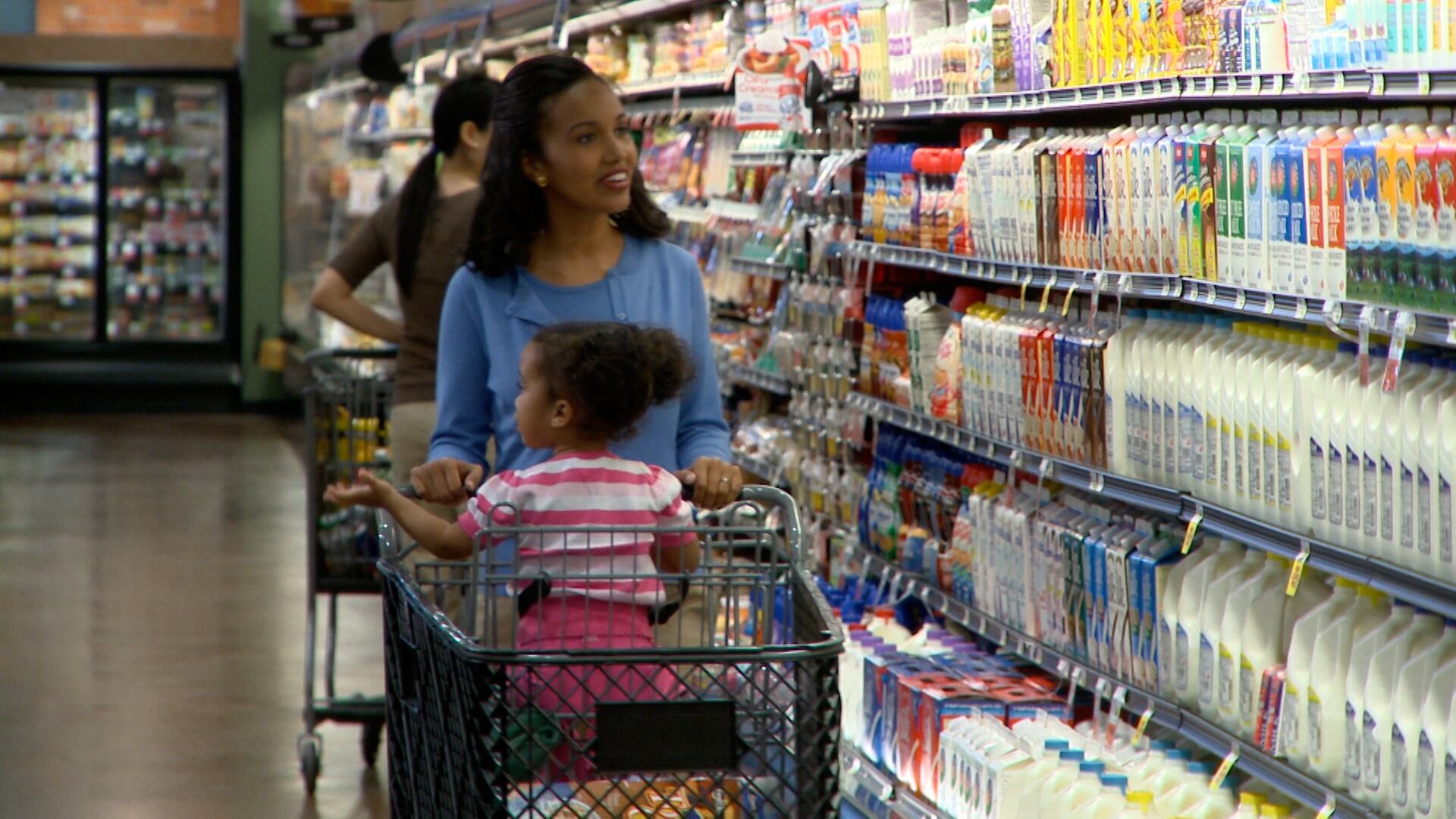
Food prices, meanwhile, were up 0.5 percent. That is up from 0.4 percent in December, but still low relative to the last six months.
Used car prices also continued their steady decline, dropping 1.7 percent month-over-month and 11.6 percent year-over-year.
Despite the month-over-month drop, the annual rate has slowed for seven straight months.
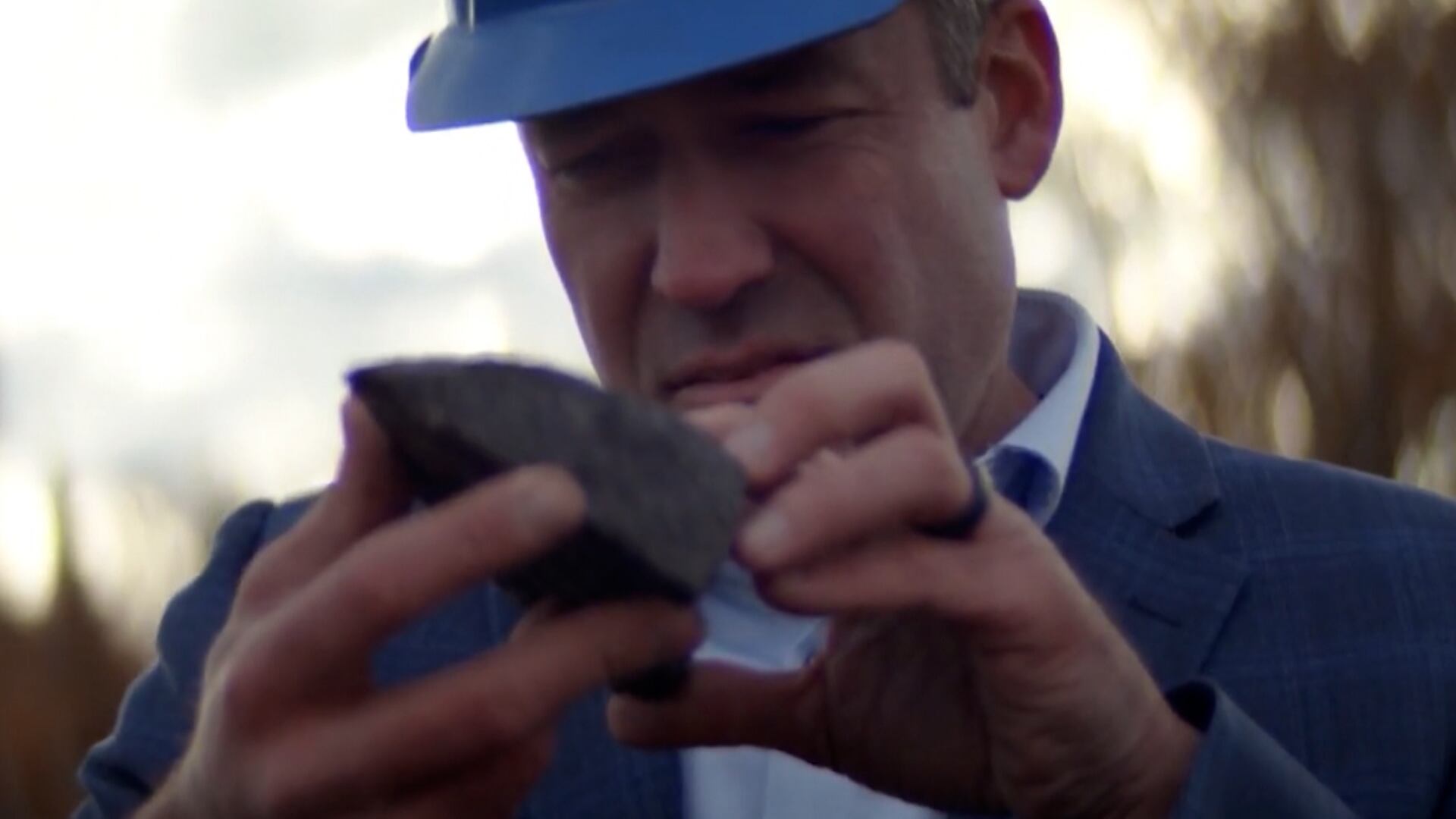
Nouveau Monde Graphite says it wants to power the sustainable energy revolution. The Canadian company is developing carbon-neutral battery materials to serve the growing EV and cleantech markets and is doing so via a mining and manufacturing operation in Quebec. Eric Desaulniers, founder, president & CEO of Nouveau Monde Graphite, joins Cheddar News' Closing Bell to discuss.
Stocks closed near session lows Wednesday as investors showed concerns about rising oil prices, supply shortages, and renewed risk of inflation. While investors began the week on a confident note, today's jump in oil prices has them once again worried that inflation will not go away any time soon. John Traynor, Chief Investment Officer at People's United Advisors, joins Closing Bell to discuss today's market close, the Federal Reserve's comments and actions taken to combat inflation, and more.
John Logan, Director of Labor and Employment Studies at San Francisco State University, joined Cheddar News to discuss the growing unionization push by employees at Starbucks and Amazon, and the wider implications of employee organization at these big companies.
Adidas is now the first major sports brand to create a program for paying college athletes. The new "name, image and likeness" network will allow more than 50,000 students across NCAA Division 1 schools to become paid spokespeople for the brand. Thilo Kunkel, Associate Professor and Director of Sport Industry Research Center at Temple University, tells us why this new program is only the beginning of an exciting time for student athletes.
The U.S. is bracing for a potential cyberattack as both the FBI and President Biden warn that Russia is 'exploring' a hack. This comes amid a recent rise in hacks on U.S. companies including Microsoft, Okta, and Nestle. Chris Pierson, founder & CEO, BlackCloak joined Cheddar's Opening Bell to discuss.
The co-owner and managing partner at Key Advisors Group Eddie Ghabour joined Cheddar News to break down the many factors impacting the market today, including the war in Ukraine, Fed rate hikes, inflation, and job numbers. Ghabour explained that he sees a bear market bounce currently leading to a downturn as the Federal Reserve is forced to be hawkish — even hinting at a recession. "I can't stress enough, you have a Fed that's telling us they're going to raise rates by 50 basis points in May during this type of environment," he said. "That's gonna be the knockout punch for this market and this economy in the short term and worst case for the consumer, unfortunately, in our opinion."
Michele Schneider, Partner and Director of Trading Research & Education at MarketGauge, talks about the challenges the Fed has in avoiding rising inflation and how the commodity shock is impacting long-term growth.
Craig Erlam, Senior Market Analyst at OANDA, breaks down the geopolitical risks impacting U.S. investors and how one can position their portfolio in a down-trending market.