Surging inflation has eased in recent months, but more evidence is needed to show that price increases are coming down in the long term, Federal Reserve Chair Jerome Powell said Wednesday. (Photo by Yuki IWAMURA / AFP) (Photo by YUKI IWAMURA/AFP via Getty Images)
Prices rose half a percent in January, according to the latest consumer price index. That is up from a 0.1 percent decline in December, and five times the 0.1 percent increase in November.
The monthly uptick was in line with expectation, though the year-over-year rate came in higher than expected 6.4 percent, a marginal drop from a 6.5 percent rate in December.
Shelter (i.e. housing) contributed the largest share to the monthly increase, rising 0.7 percent.
Energy costs were also up across the board. The price of piped gas shot up 6.7 percent, while energy overall was up 2 percent after two straight months of declines.
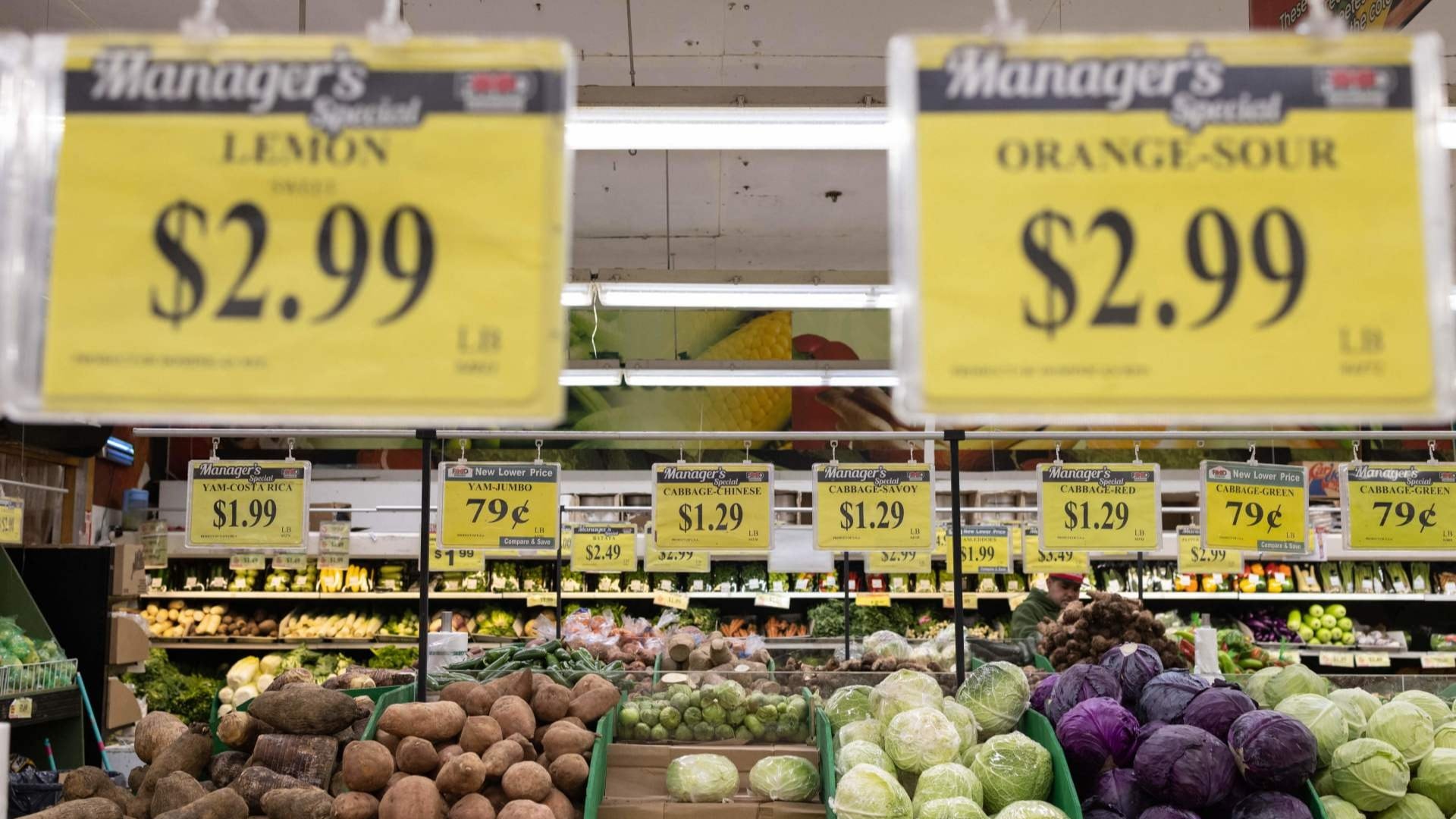
Food prices, meanwhile, were up 0.5 percent. That is up from 0.4 percent in December, but still low relative to the last six months.
Used car prices also continued their steady decline, dropping 1.7 percent month-over-month and 11.6 percent year-over-year.
Despite the month-over-month drop, the annual rate has slowed for seven straight months.
The CEO at Activision Blizzard Bobby Kotick apologized to employees after the company had been rocked by the public airing of sexual harassment claims that went unchecked. Kotick also asked that his compensation of more than $150 million be slashed to just over $62,000.
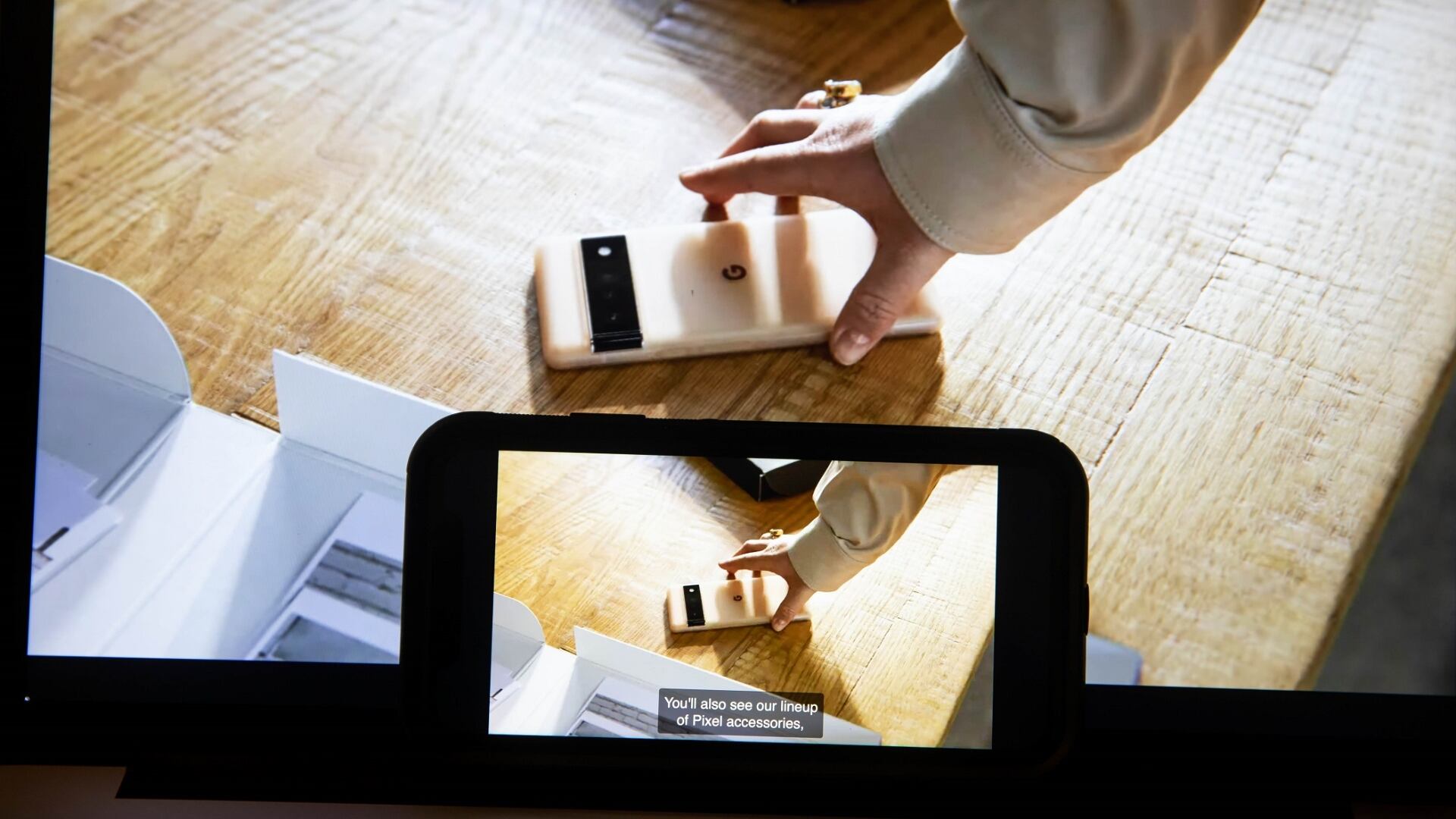
Cheddar's Ken Buffa took the Pixel 6 Pro for a test drive, highlighting some of the new features. The latest Google smartphone comes with an upgraded camera visor that holds three cameras in place as well as Gorilla Glass Victus covering the front and back protecting against drops and scratches. The device also contains Google's first homemade processor chip called Tensor and retails for about $899.
Overstock CEO Jonathan Johnson joined Cheddar's "Opening Bell" to talk about the company's Q3 earnings beat. While supply chain issues have plagued businesses across industries, Johnson noted that the company largely avoided constraints by not pressuring suppliers to fill Overstock's own distribution centers, encouraging them to use their own. "We have a higher in-stock percentage today than we did a year ago. Not quite as high as we did pre-pandemic but better than it was last year at this time," he said.
Google notified a number of small and medium-sized customers that potential antitrust bills could have negative impacts on their own businesses. The warning appears to be an effort to drum up enough opposition to give pause to lawmakers before enacting any such legislation.
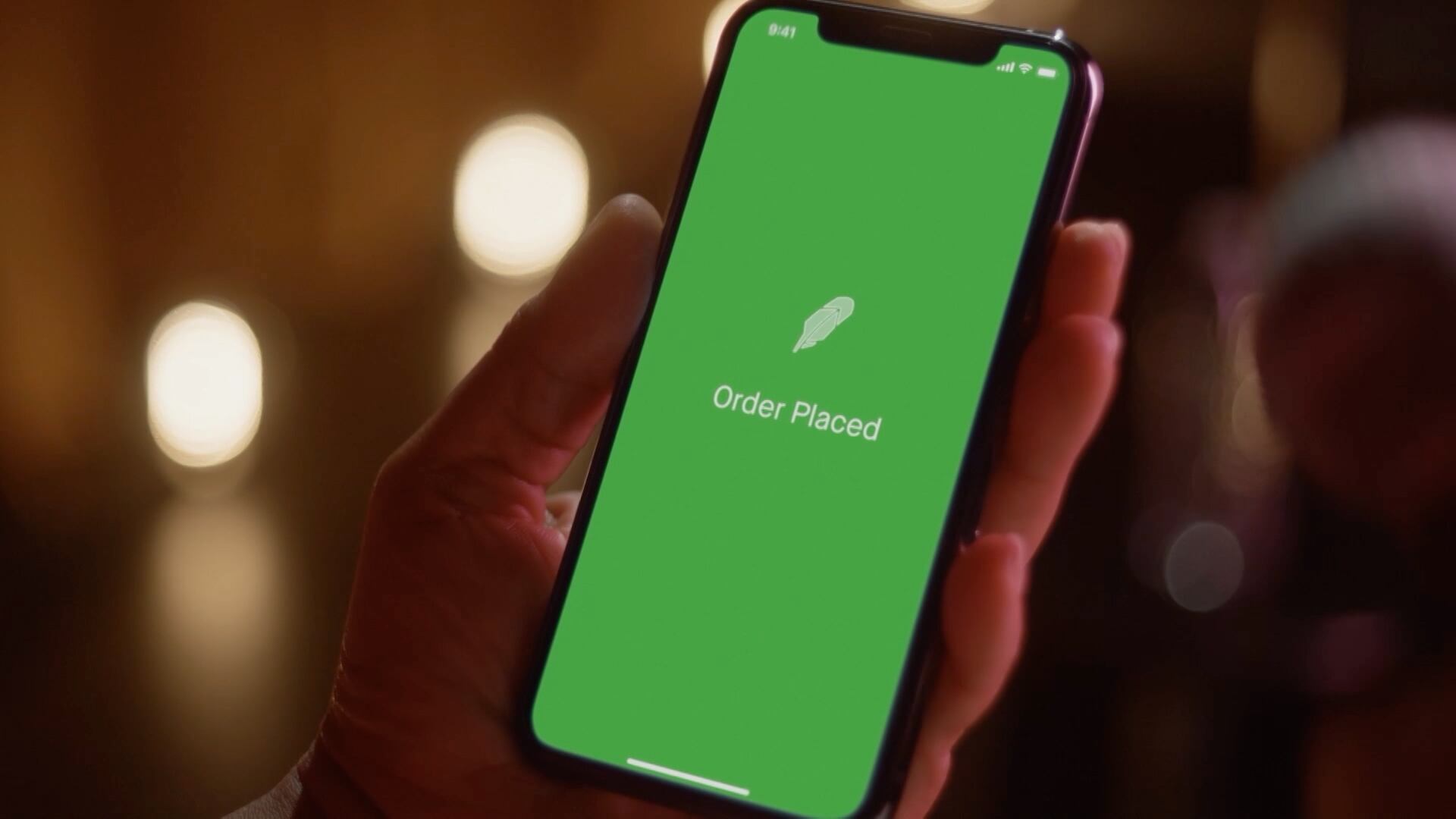
Anthony Bartolacci, VP of financials of data Sensor Tower, joined Cheddar to talk about Robinhood's massive earnings miss. He attributed part of it to the platform's exposure to cryptocurrency and its lackluster performance in Q3 following volatility. Bartolacci also noted some headwinds from a drop in engagement on the platform due to people returning to work and having less time to day trade contributing to the miss.
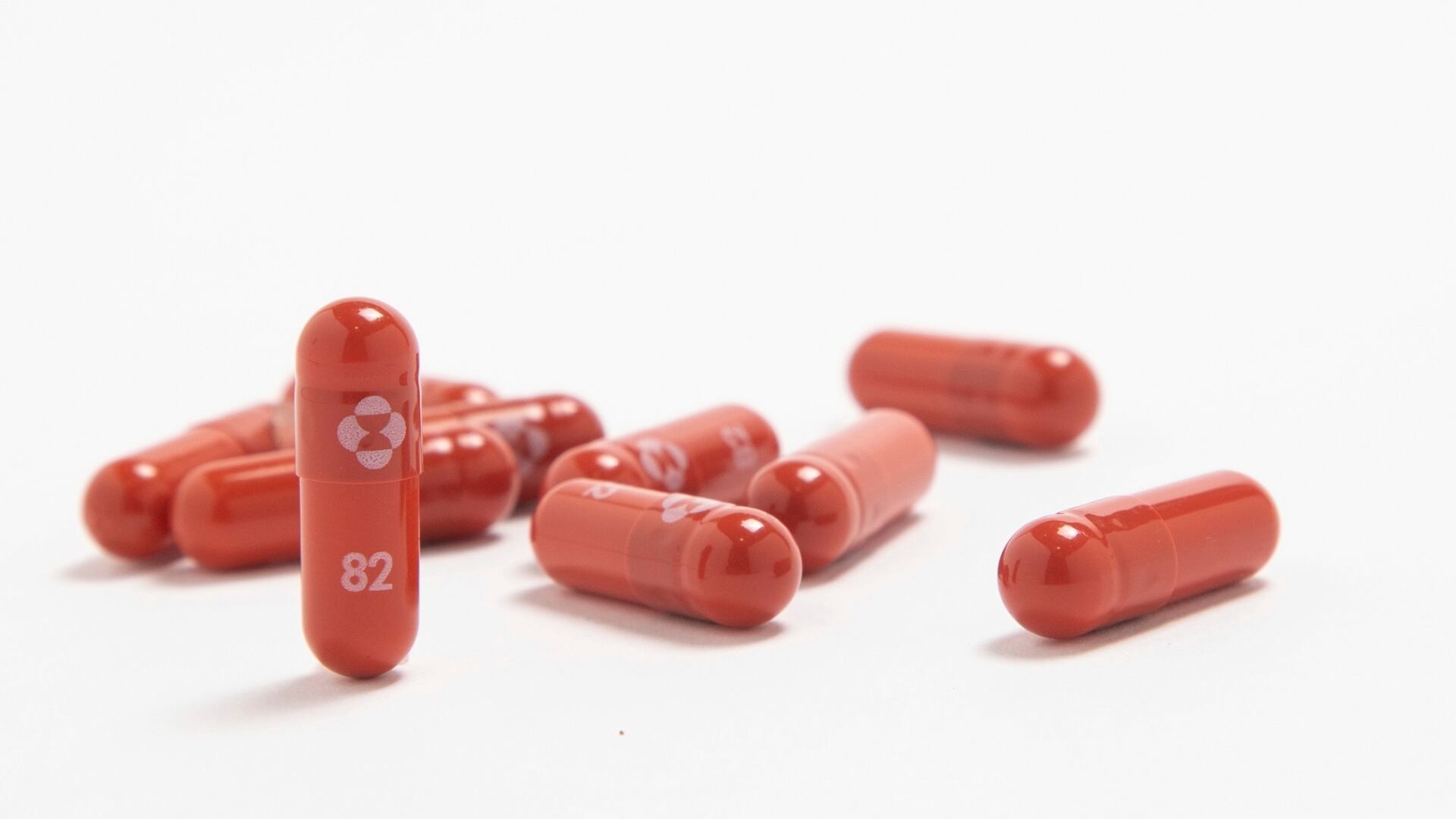
Pharmaceutical company Merck has announced that it will share the formula of its COVID-19 pill with poor countries free of charge. The company still intends to charge wealthier nations leaving the end cost at more than $700 per five-day treatment course.
Dems race for a deal on President Biden's economic agenda ahead of his big foreign trip. What to make of the latest threat assessment in Afghanistan. Plus, the meme cryptocurrency of the moment that's now worth more than many Fortune 500 companies.