Surging inflation has eased in recent months, but more evidence is needed to show that price increases are coming down in the long term, Federal Reserve Chair Jerome Powell said Wednesday. (Photo by Yuki IWAMURA / AFP) (Photo by YUKI IWAMURA/AFP via Getty Images)
Prices rose half a percent in January, according to the latest consumer price index. That is up from a 0.1 percent decline in December, and five times the 0.1 percent increase in November.
The monthly uptick was in line with expectation, though the year-over-year rate came in higher than expected 6.4 percent, a marginal drop from a 6.5 percent rate in December.
Shelter (i.e. housing) contributed the largest share to the monthly increase, rising 0.7 percent.
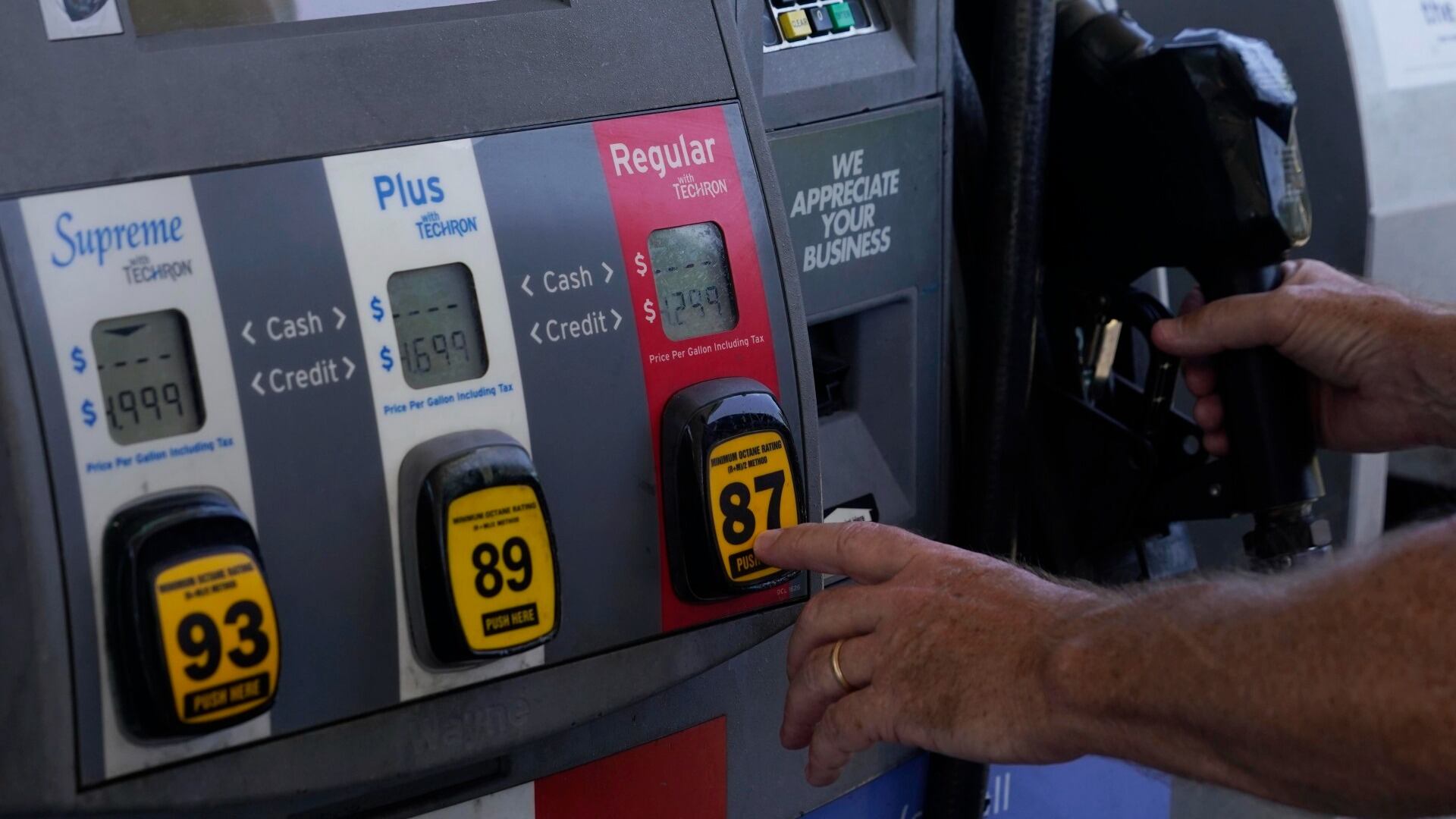
Energy costs were also up across the board. The price of piped gas shot up 6.7 percent, while energy overall was up 2 percent after two straight months of declines.
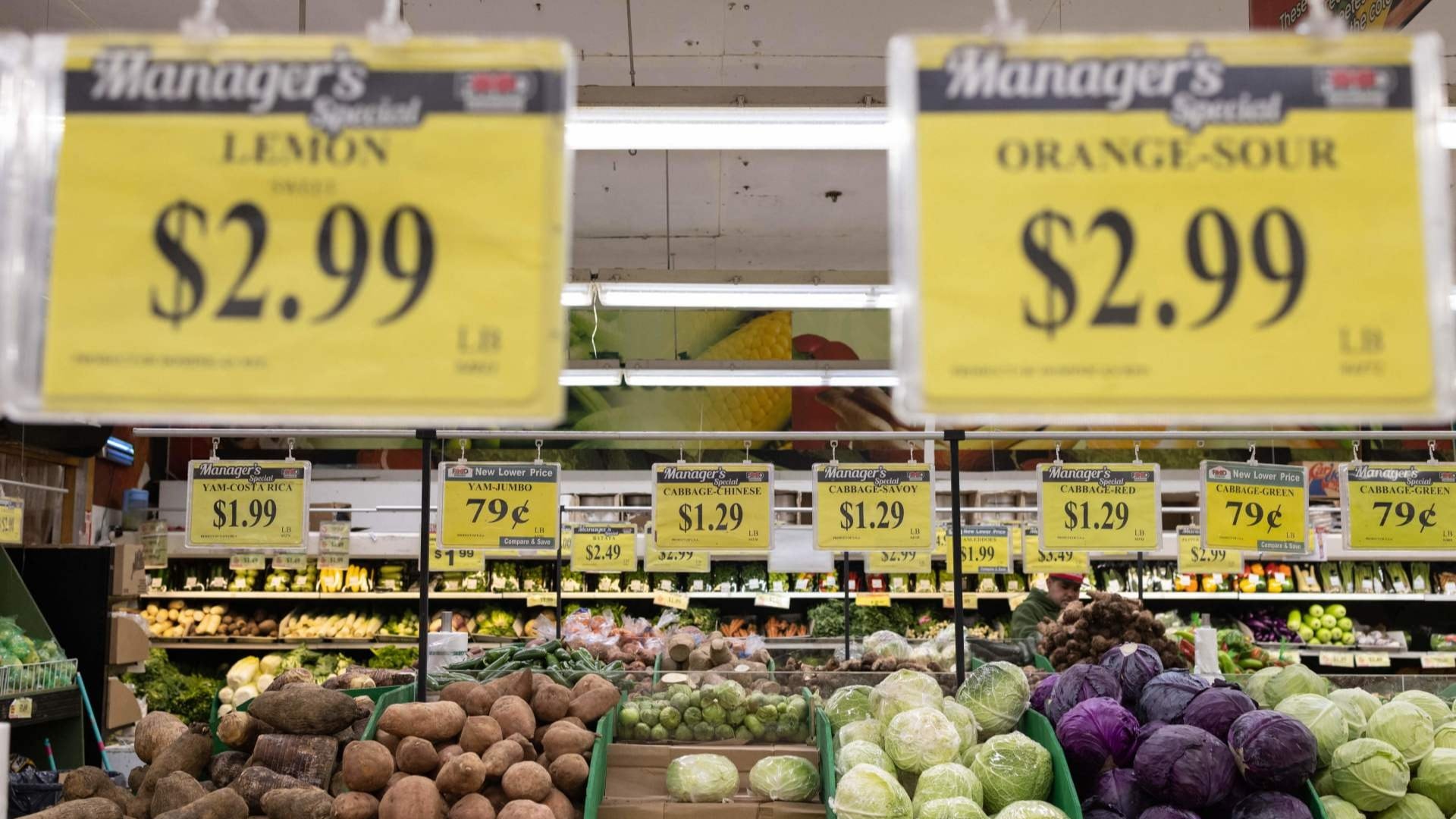
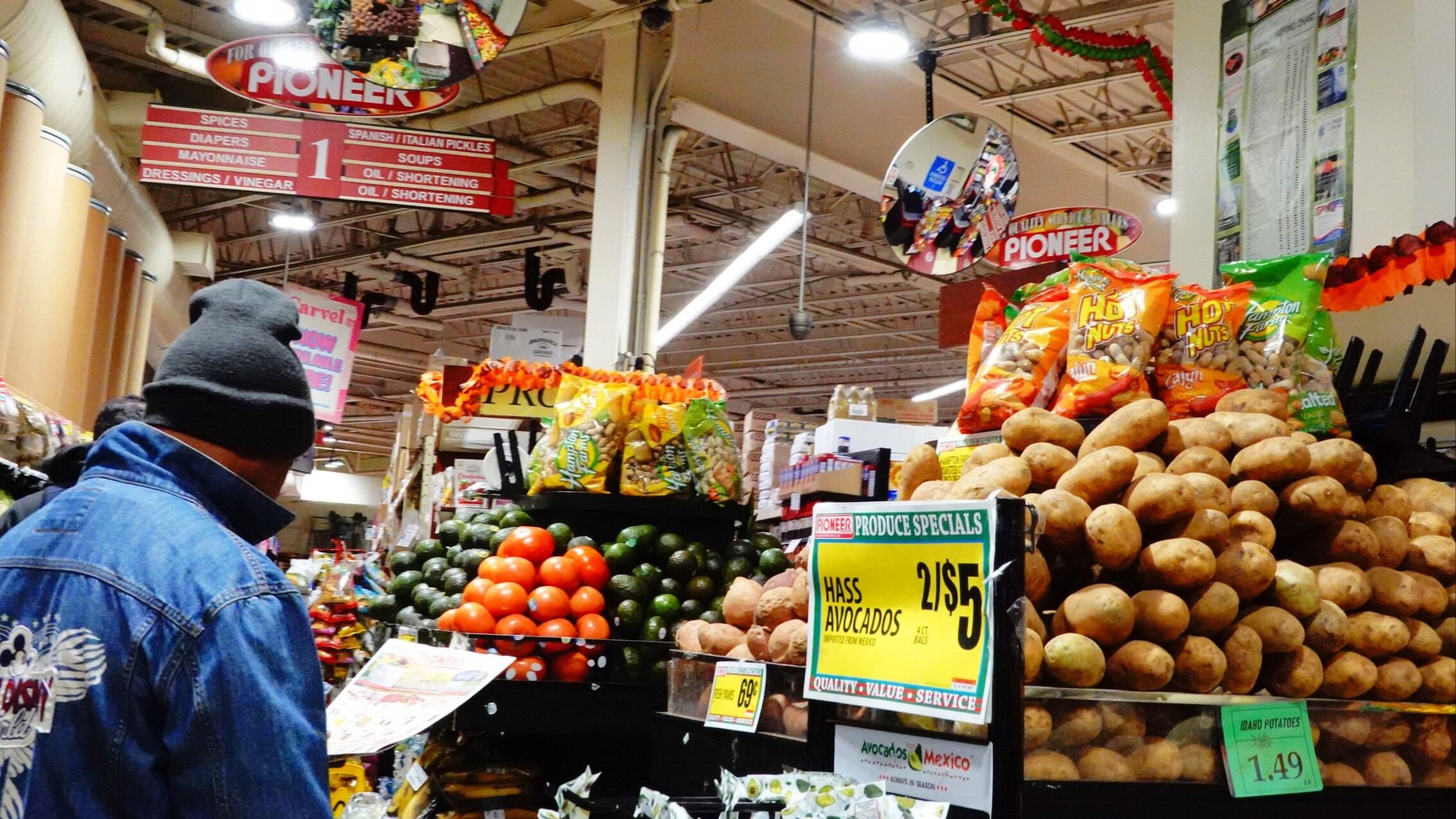
Food prices, meanwhile, were up 0.5 percent. That is up from 0.4 percent in December, but still low relative to the last six months.
Used car prices also continued their steady decline, dropping 1.7 percent month-over-month and 11.6 percent year-over-year.
Despite the month-over-month drop, the annual rate has slowed for seven straight months.
Greg McBride, chief financial analyst at Bankrate.com, joined Cheddar News to discuss inflation trends. “I think with strong confidence that peak inflation is behind us, the trend is definitely one towards continued improvement but we've got a long way to go,” he said.
Nick Bodkins, CEO & founder of beverage collection Boisson, joined Cheddar News to discuss how the industry of non-alcoholic is gaining popularity. “This category is growing but it doesn't have that scale yet.”
Wall Street closed higher Thursday after a report showed inflation slowed again last month, bolstering hopes the Federal Reserve may take it easier on the economy through smaller hikes to interest rates.
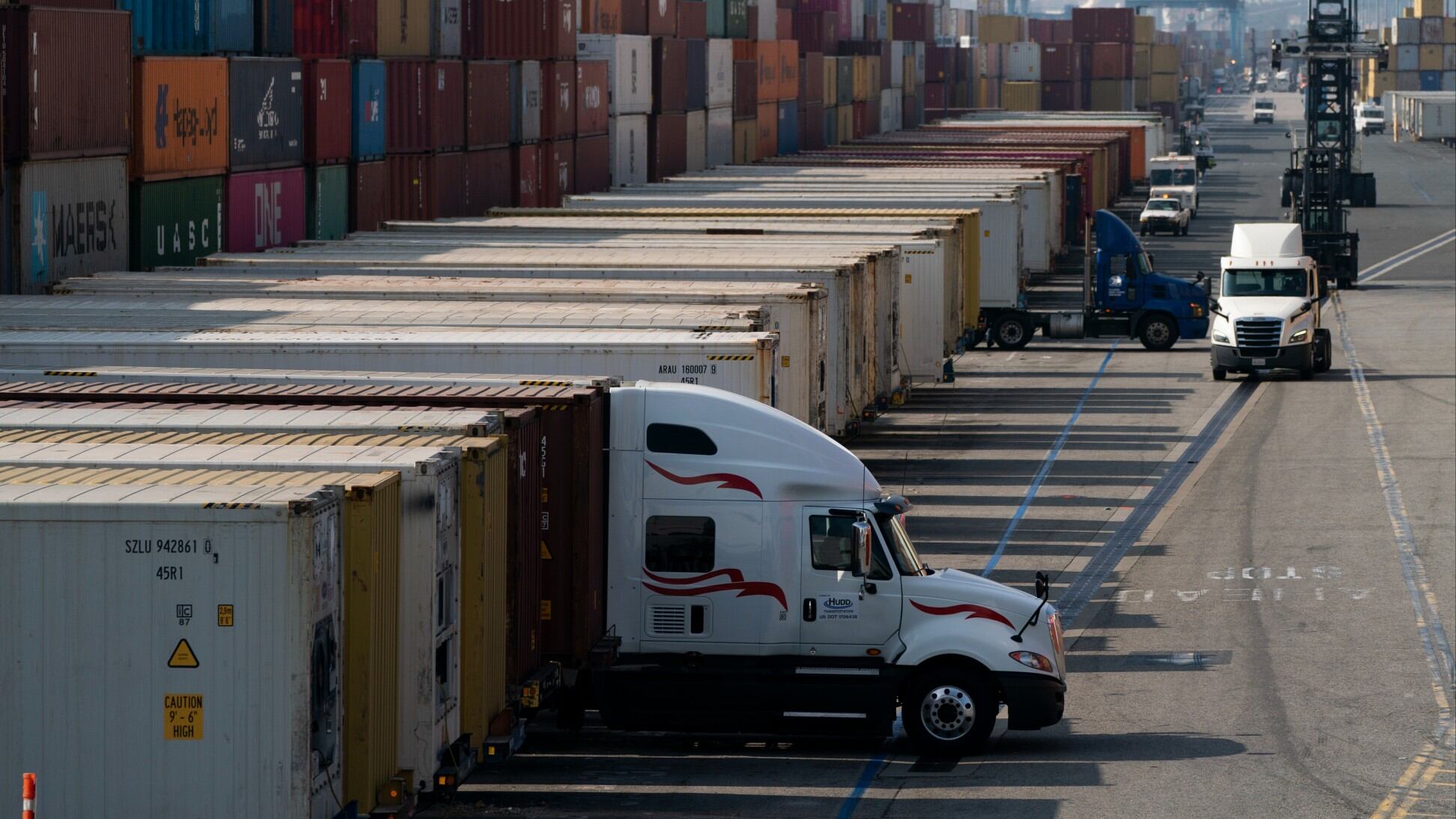
Bringing manufacturing back to the United States is a top priority for the Biden administration, but a new report from Citi indicates that companies might have other priorities when it comes to securing their supply chains.