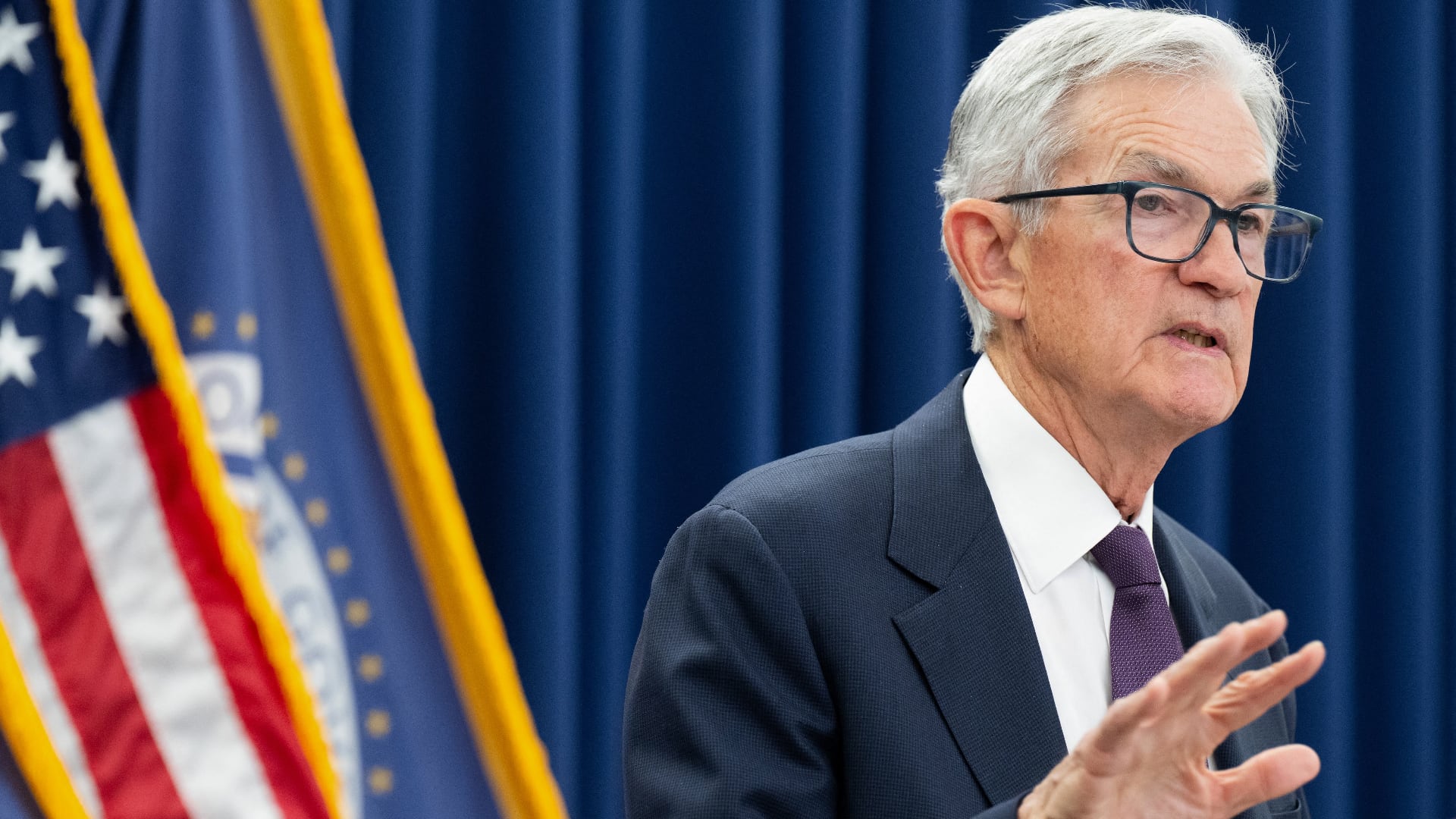
Surging inflation has eased in recent months, but more evidence is needed to show that price increases are coming down in the long term, Federal Reserve Chair Jerome Powell said Wednesday. (Photo by Yuki IWAMURA / AFP) (Photo by YUKI IWAMURA/AFP via Getty Images)
Prices rose half a percent in January, according to the latest consumer price index. That is up from a 0.1 percent decline in December, and five times the 0.1 percent increase in November.
The monthly uptick was in line with expectation, though the year-over-year rate came in higher than expected 6.4 percent, a marginal drop from a 6.5 percent rate in December.
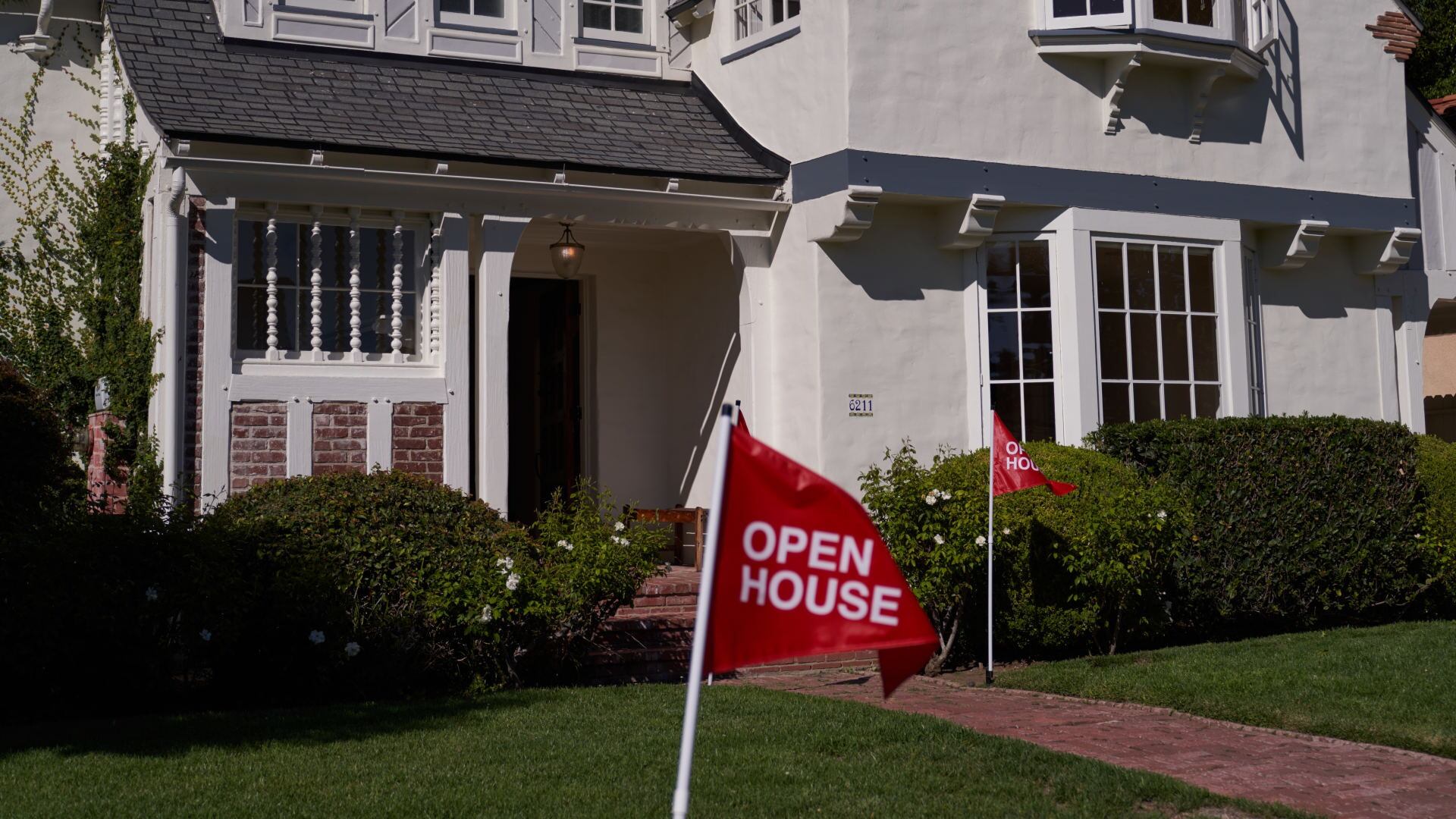
Shelter (i.e. housing) contributed the largest share to the monthly increase, rising 0.7 percent.
Energy costs were also up across the board. The price of piped gas shot up 6.7 percent, while energy overall was up 2 percent after two straight months of declines.
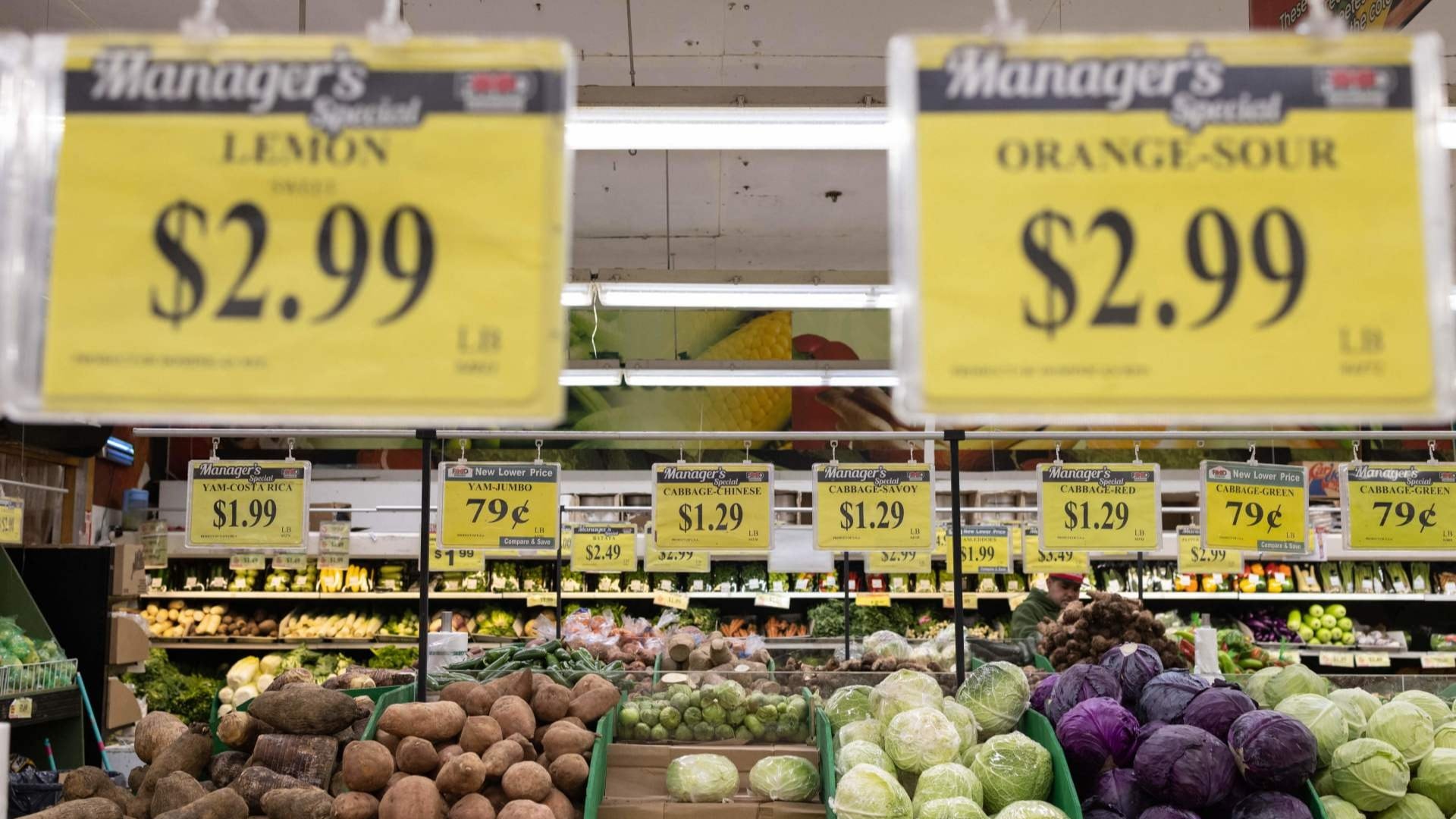
Food prices, meanwhile, were up 0.5 percent. That is up from 0.4 percent in December, but still low relative to the last six months.
Used car prices also continued their steady decline, dropping 1.7 percent month-over-month and 11.6 percent year-over-year.
Despite the month-over-month drop, the annual rate has slowed for seven straight months.
The parent company of stores like TJ Maxx, Homegoods and Marshalls, posted mixed results in its latest quarter, prompting it to slash its outlook for the full year.
A survey says about 20% of Americans have a high-yield savings account. Preston Cherry, founder and president of Concurrent Financial Planning, joined Cheddar News to explain why it's a good time to open an account now.
The average 30-year fixed mortgage rate jumped 23 basis points from last week to 6.62 percent, the highest rate since November 2022, according to the Mortgage Bankers Association.