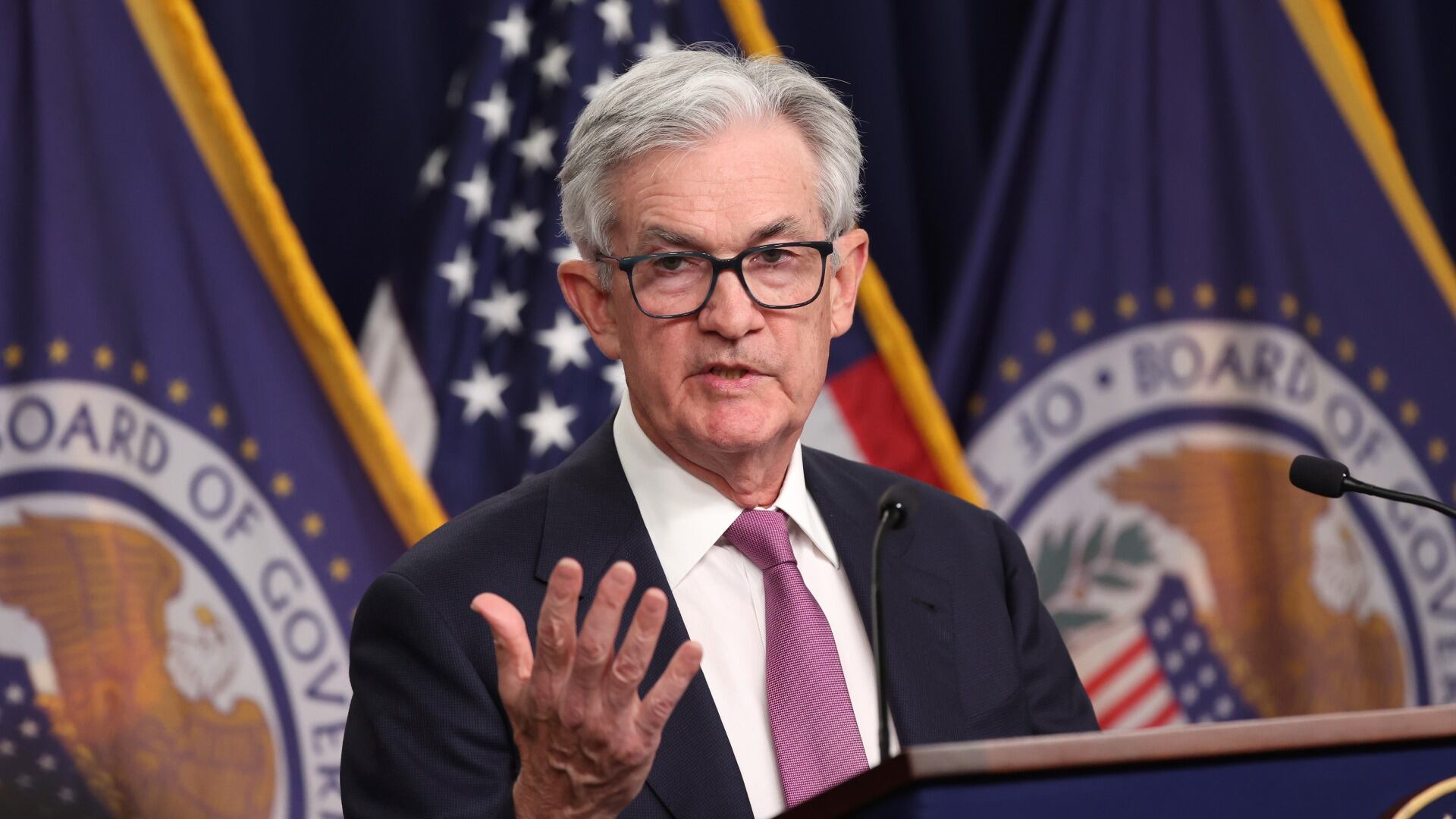
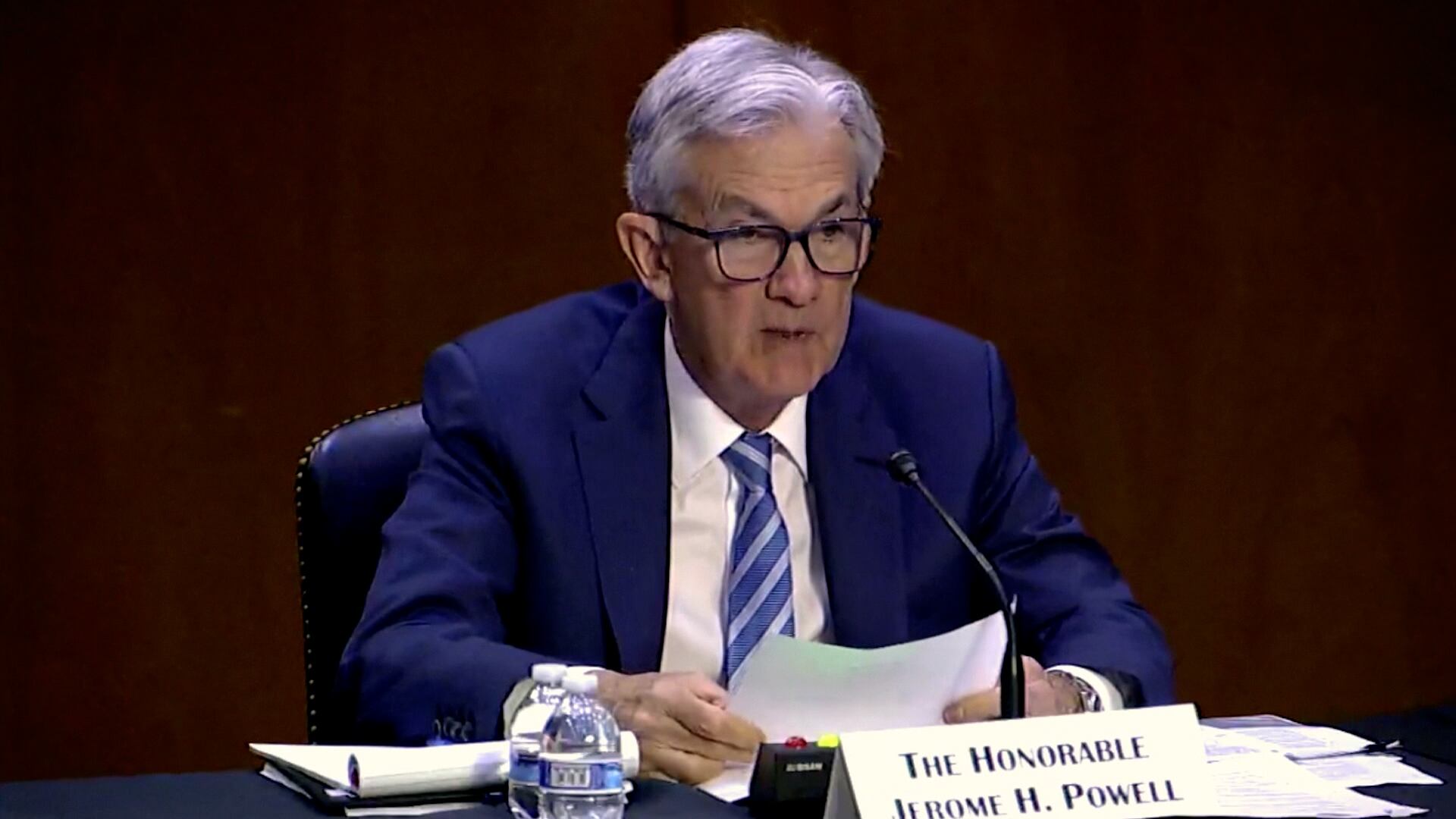
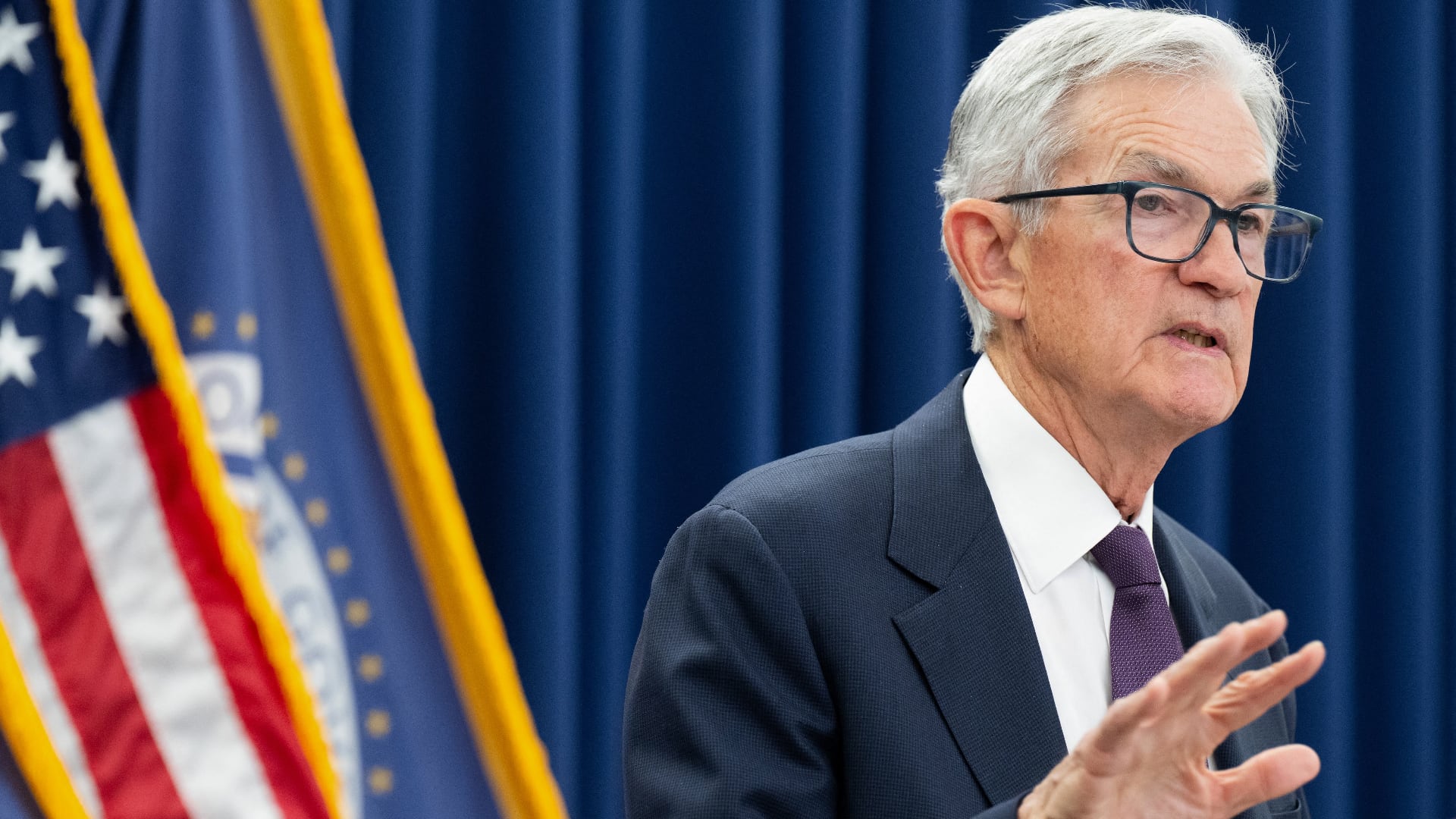
Surging inflation has eased in recent months, but more evidence is needed to show that price increases are coming down in the long term, Federal Reserve Chair Jerome Powell said Wednesday. (Photo by Yuki IWAMURA / AFP) (Photo by YUKI IWAMURA/AFP via Getty Images)
Prices rose half a percent in January, according to the latest consumer price index. That is up from a 0.1 percent decline in December, and five times the 0.1 percent increase in November.
The monthly uptick was in line with expectation, though the year-over-year rate came in higher than expected 6.4 percent, a marginal drop from a 6.5 percent rate in December.
Shelter (i.e. housing) contributed the largest share to the monthly increase, rising 0.7 percent.
Energy costs were also up across the board. The price of piped gas shot up 6.7 percent, while energy overall was up 2 percent after two straight months of declines.
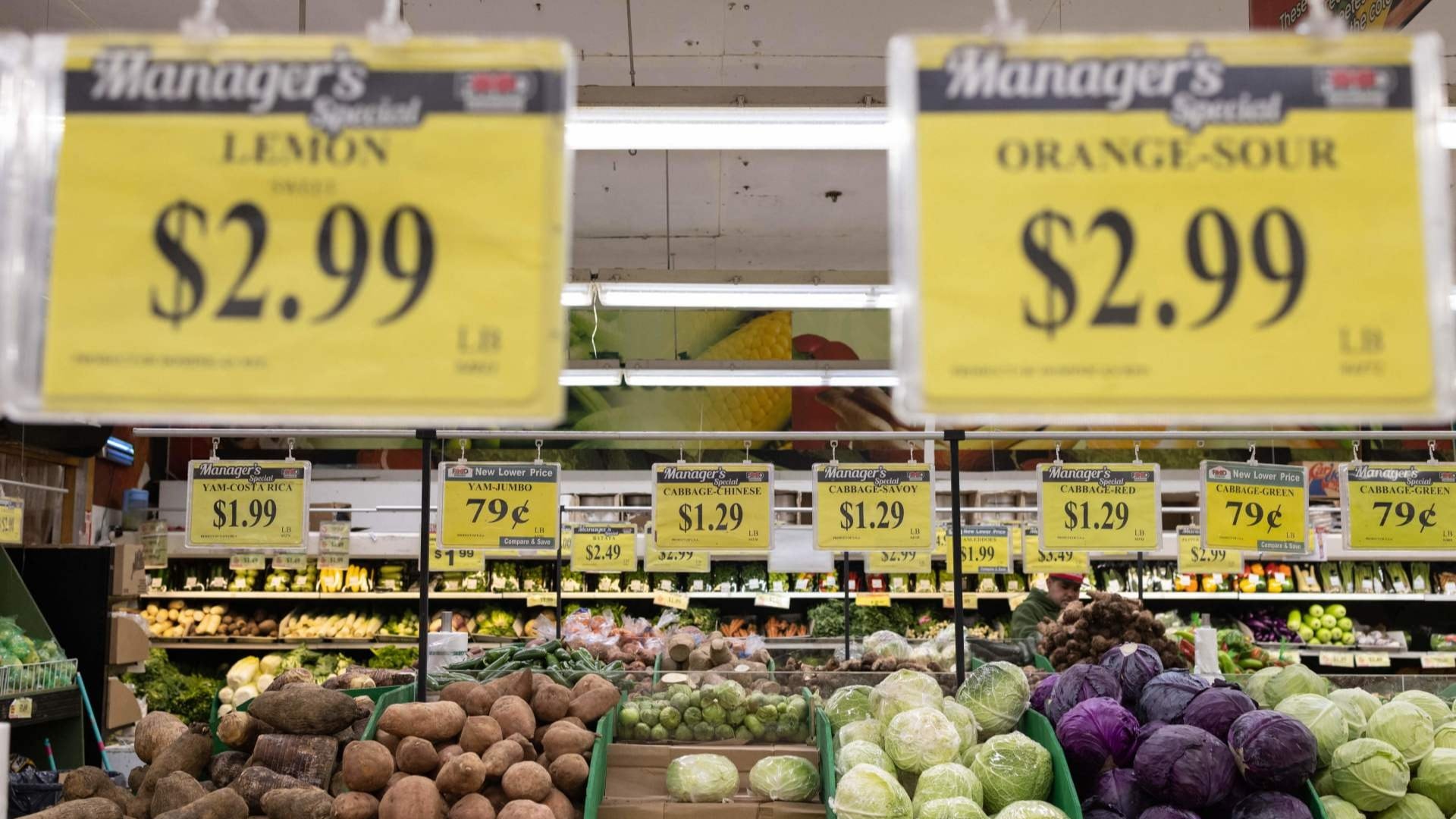
Food prices, meanwhile, were up 0.5 percent. That is up from 0.4 percent in December, but still low relative to the last six months.
Used car prices also continued their steady decline, dropping 1.7 percent month-over-month and 11.6 percent year-over-year.
Despite the month-over-month drop, the annual rate has slowed for seven straight months.
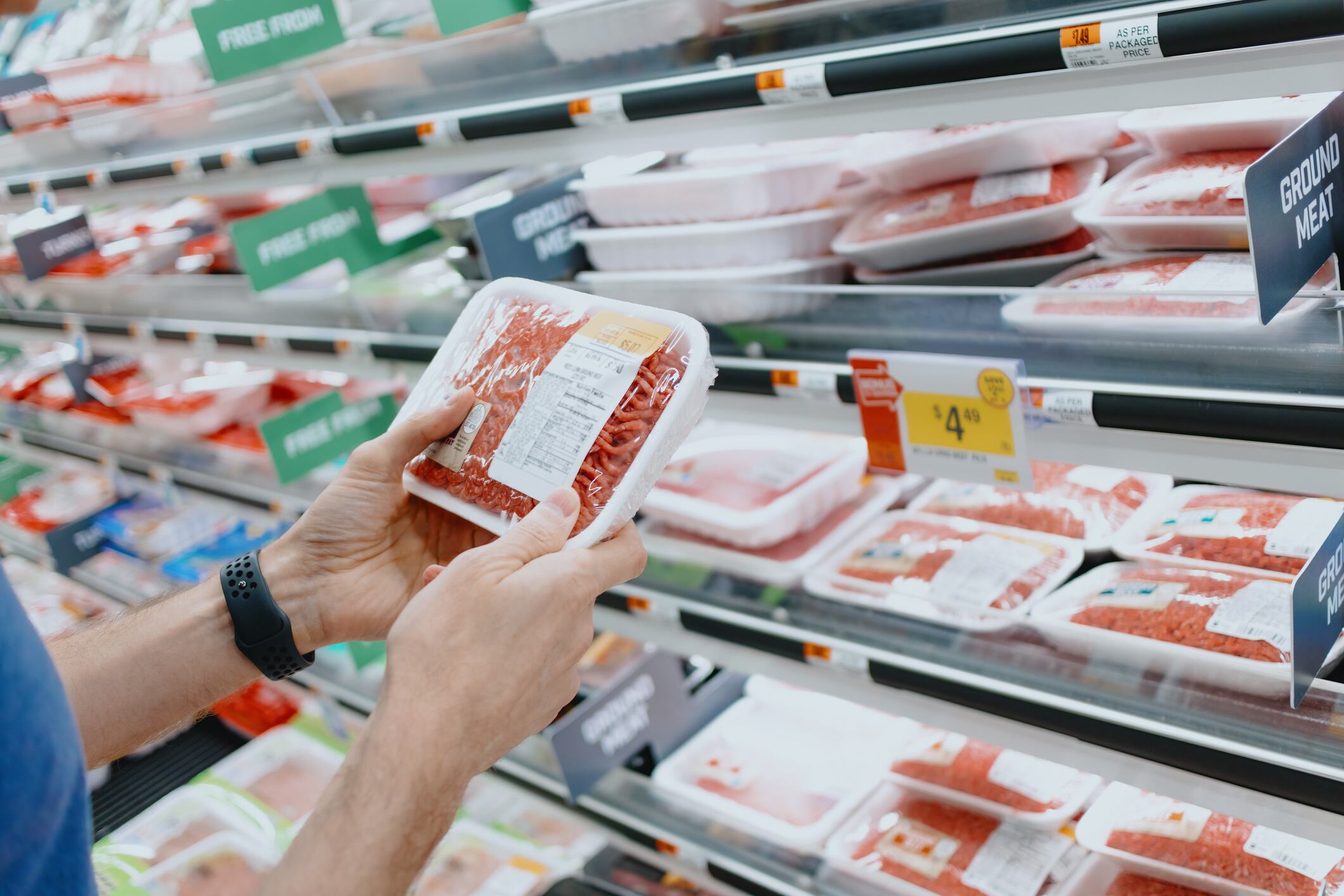
The U.S. Department of Agriculture is proposing a new rule to narrow what products qualify for a "Product of USA” or “Made in the USA” label. Now only meat, poultry and egg products from animals "born, raised, slaughtered, and processed in the United States" will make the grade.
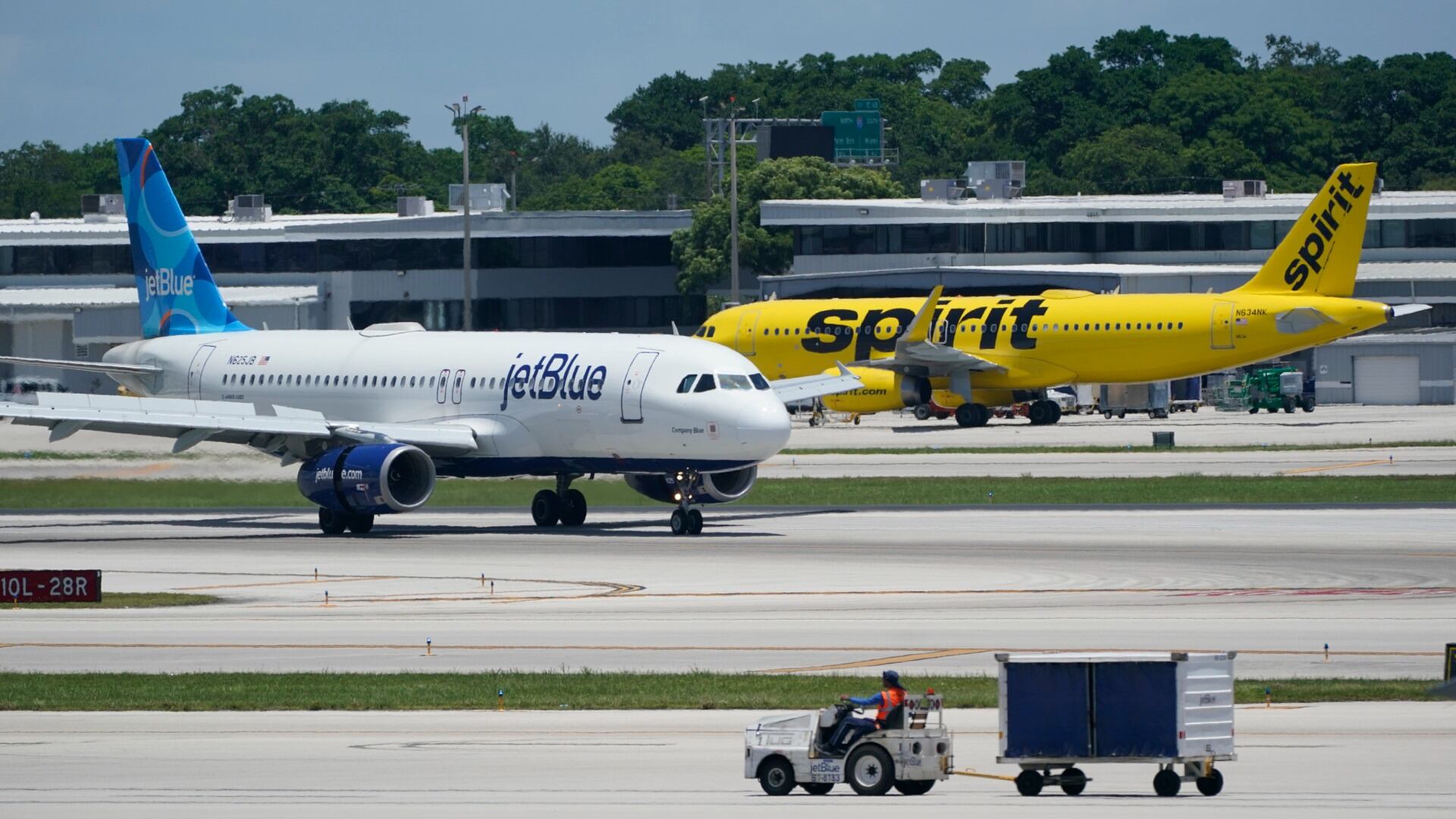
The Biden administration sued to block JetBlue Airways' $3.8 billion purchase of Spirit Airlines, saying Tuesday that the deal would reduce competition and drive up air fares for consumers.
Federal Reserve Chair Jerome Powell will hint that the central bank could increase the pace of interest rate hikes if data indicate price pressures continuing.
Stocks sank on Wall Street after the head of the Federal Reserve warned it could speed up its economy-rattling hikes to interest rates if pressure stays high on inflation.
If measures of the U.S. economy keep coming in hot, as they did in January, the Federal Reserve will likely have to raise interest rates even higher than it has already signaled — and keep them there longer — Chair Jerome Powell will likely warn in testimony to Congress on Tuesday.