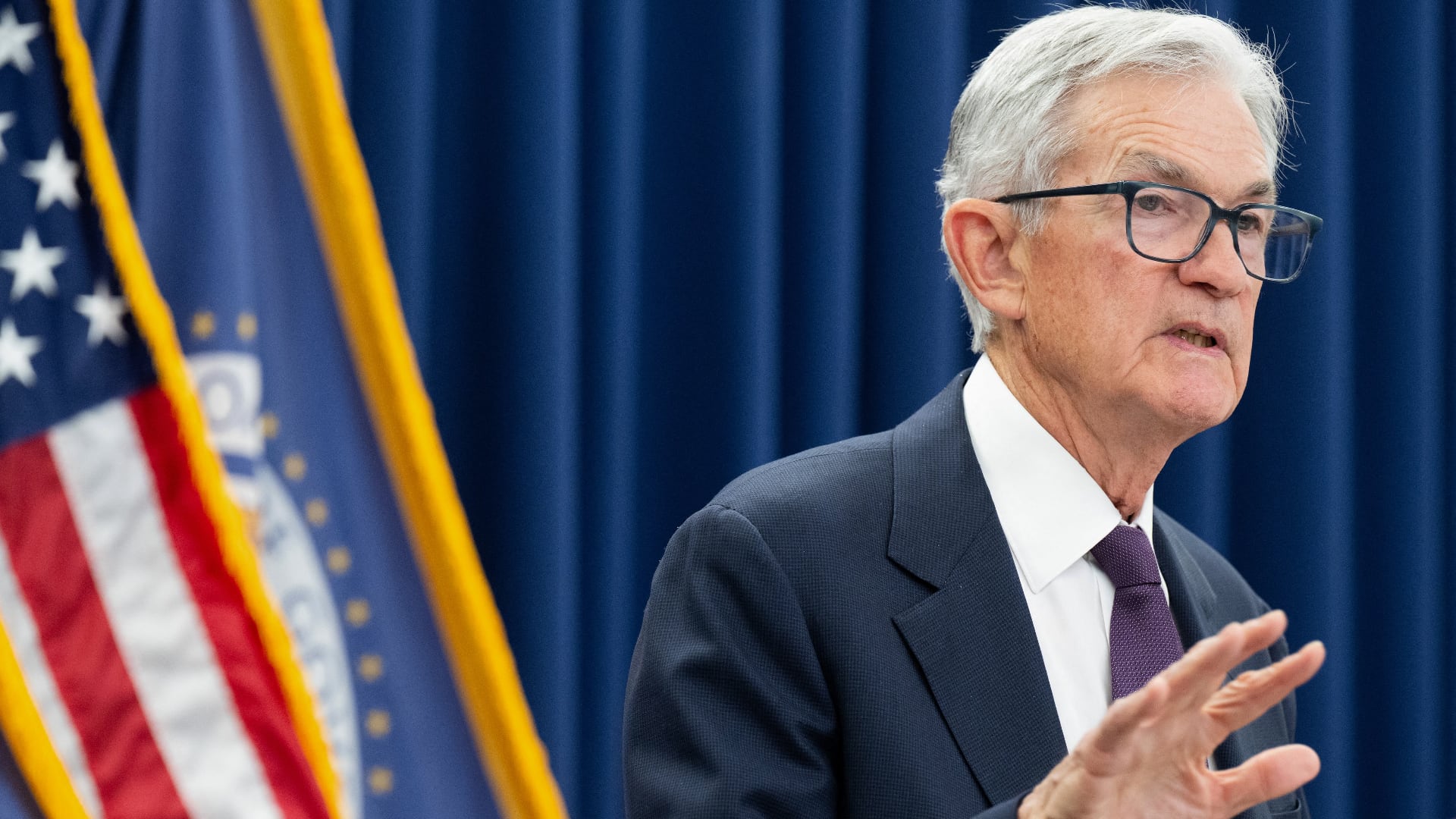
Surging inflation has eased in recent months, but more evidence is needed to show that price increases are coming down in the long term, Federal Reserve Chair Jerome Powell said Wednesday. (Photo by Yuki IWAMURA / AFP) (Photo by YUKI IWAMURA/AFP via Getty Images)
Prices rose half a percent in January, according to the latest consumer price index. That is up from a 0.1 percent decline in December, and five times the 0.1 percent increase in November.
The monthly uptick was in line with expectation, though the year-over-year rate came in higher than expected 6.4 percent, a marginal drop from a 6.5 percent rate in December.
Shelter (i.e. housing) contributed the largest share to the monthly increase, rising 0.7 percent.
Energy costs were also up across the board. The price of piped gas shot up 6.7 percent, while energy overall was up 2 percent after two straight months of declines.
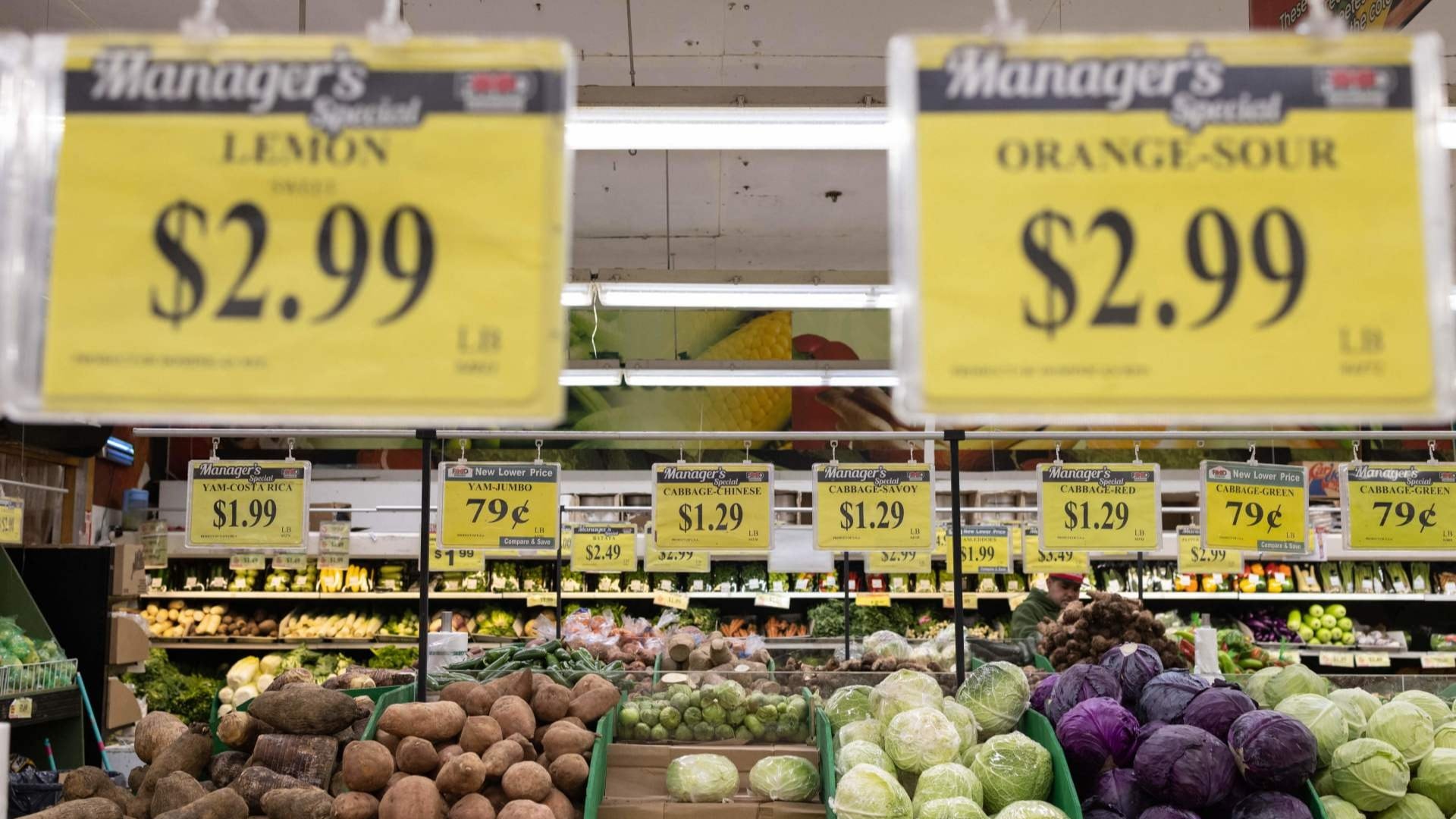
Food prices, meanwhile, were up 0.5 percent. That is up from 0.4 percent in December, but still low relative to the last six months.
Used car prices also continued their steady decline, dropping 1.7 percent month-over-month and 11.6 percent year-over-year.
Despite the month-over-month drop, the annual rate has slowed for seven straight months.
Caleb Silver, editor-in-chief of Investopedia, joined Cheddar News to explain the risks in the banking sector after the recent turmoil with Silicon Valley Bank and the news that Credit Suisse's biggest backer said it wouldn't provide further financial help.
T-Mobile has entered into an agreement to acquire the parent company of Mint Mobile, a direct-to-consumer prepaid wireless company partially owned by actor Ryan Reynolds.
Mortgage applications jumped 6.5 percent from a week ago, according to a weekly survey from the Mortgage Bankers Association (MBA), even as they remain well below their pace a year ago.
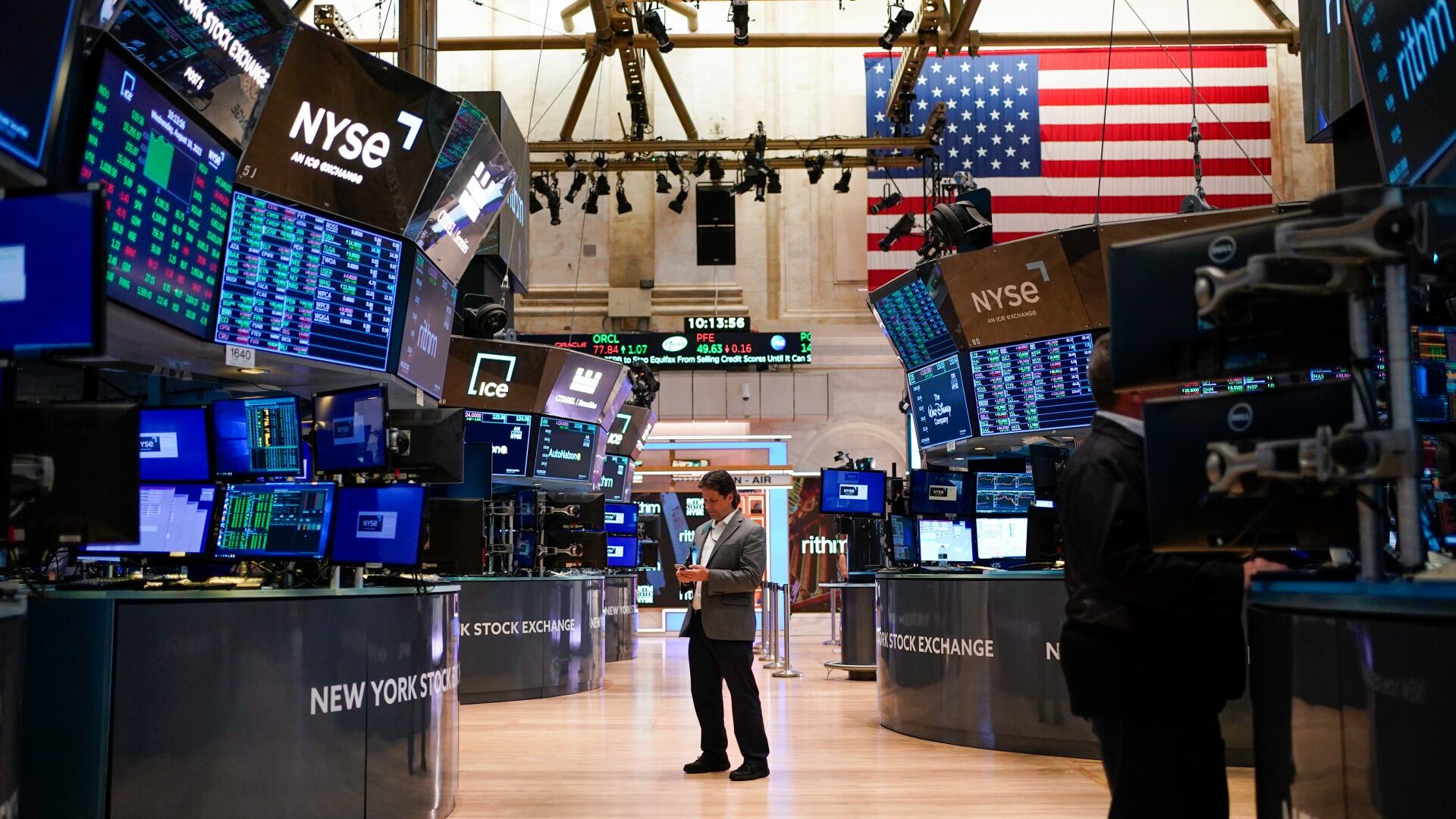
Ed Egilinsky, Managing Director, Head of Sales and Distribution & Alternatives at Direxion, joins Cheddar News to discuss trading bank volatility, how traders can navigate the race in the A.I. space, and how traders are reacting to the most recent economic data.
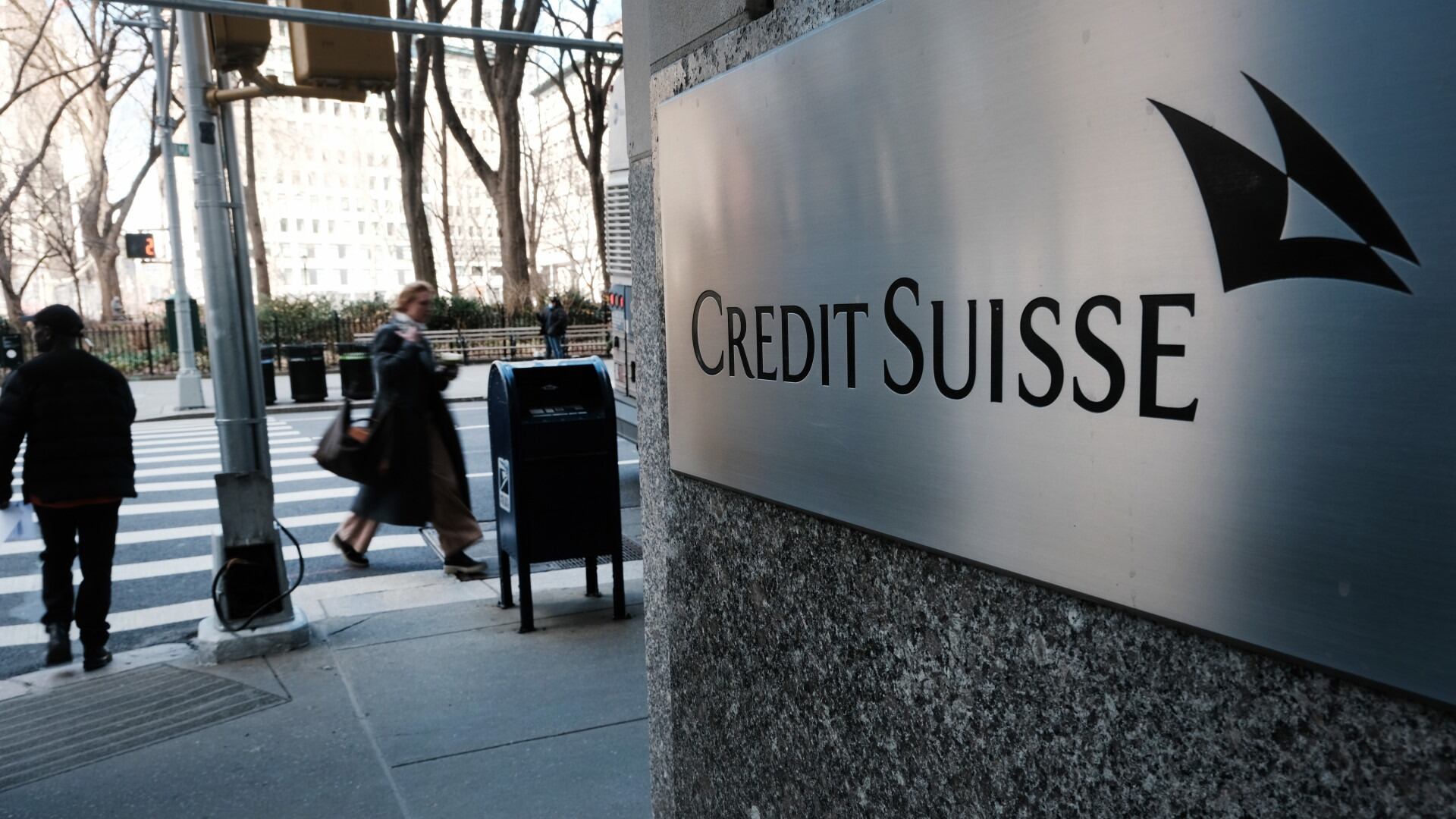
Shares of the Swiss bank Credit Suisse tumbled more than 30 percent after its biggest shareholder, the Saudi National Bank, said it could no longer provide funding.