Surging inflation has eased in recent months, but more evidence is needed to show that price increases are coming down in the long term, Federal Reserve Chair Jerome Powell said Wednesday. (Photo by Yuki IWAMURA / AFP) (Photo by YUKI IWAMURA/AFP via Getty Images)
Prices rose half a percent in January, according to the latest consumer price index. That is up from a 0.1 percent decline in December, and five times the 0.1 percent increase in November.
The monthly uptick was in line with expectation, though the year-over-year rate came in higher than expected 6.4 percent, a marginal drop from a 6.5 percent rate in December.
Shelter (i.e. housing) contributed the largest share to the monthly increase, rising 0.7 percent.
Energy costs were also up across the board. The price of piped gas shot up 6.7 percent, while energy overall was up 2 percent after two straight months of declines.
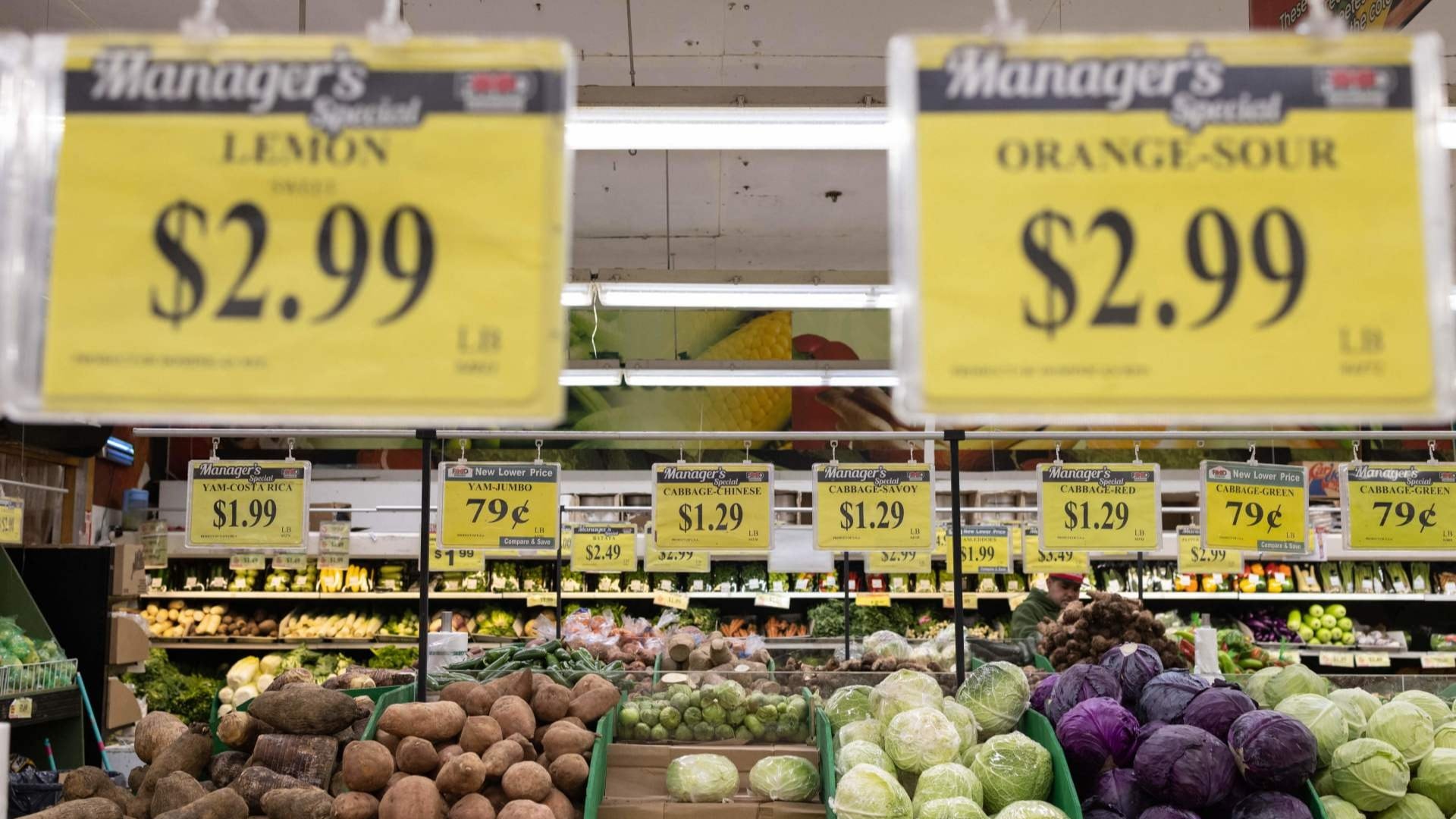
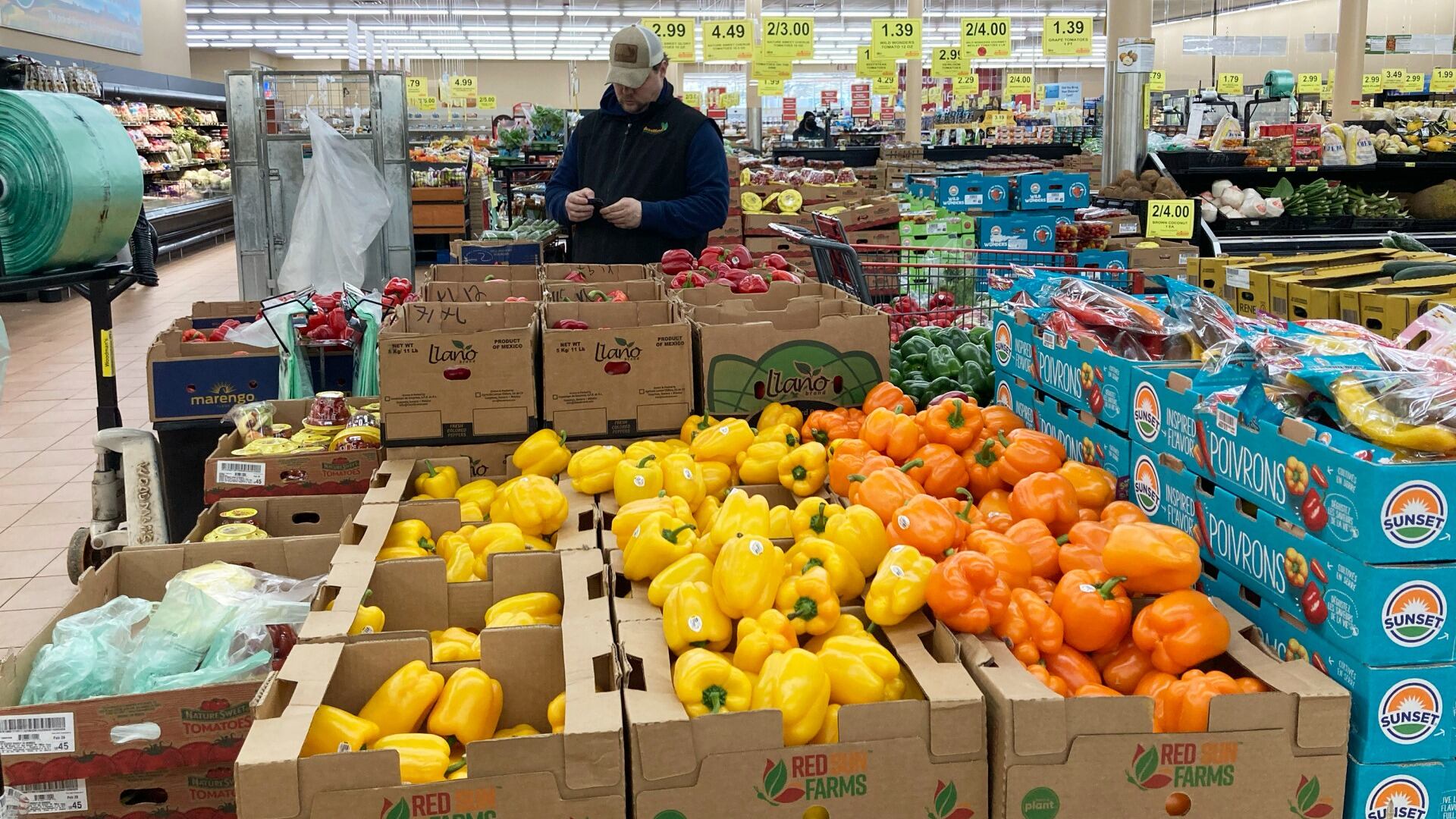
Food prices, meanwhile, were up 0.5 percent. That is up from 0.4 percent in December, but still low relative to the last six months.
Used car prices also continued their steady decline, dropping 1.7 percent month-over-month and 11.6 percent year-over-year.
Despite the month-over-month drop, the annual rate has slowed for seven straight months.
U.S. consumer inflation eased in March, with less expensive gas and food providing some relief to households that have struggled under the weight of surging prices.
Tech giant Google on Tuesday dropped its mandatory global vaccine requirements to enter its buildings, saying "the world is in a very different place."
Will Sealy, co-founder and CEO of digital student loan consulting firm Summer, joined Cheddar News to discuss the process to obtain the best financial aid package ahead of a new school year.
Brian Jacobsen, senior investment strategist with Allspring Global Investments, joined Cheddar News to discuss Tuesday's trading session as investors await key inflation data that could prompt further action from the Federal Reserve.