Surging inflation has eased in recent months, but more evidence is needed to show that price increases are coming down in the long term, Federal Reserve Chair Jerome Powell said Wednesday. (Photo by Yuki IWAMURA / AFP) (Photo by YUKI IWAMURA/AFP via Getty Images)
Prices rose half a percent in January, according to the latest consumer price index. That is up from a 0.1 percent decline in December, and five times the 0.1 percent increase in November.
The monthly uptick was in line with expectation, though the year-over-year rate came in higher than expected 6.4 percent, a marginal drop from a 6.5 percent rate in December.
Shelter (i.e. housing) contributed the largest share to the monthly increase, rising 0.7 percent.
Energy costs were also up across the board. The price of piped gas shot up 6.7 percent, while energy overall was up 2 percent after two straight months of declines.
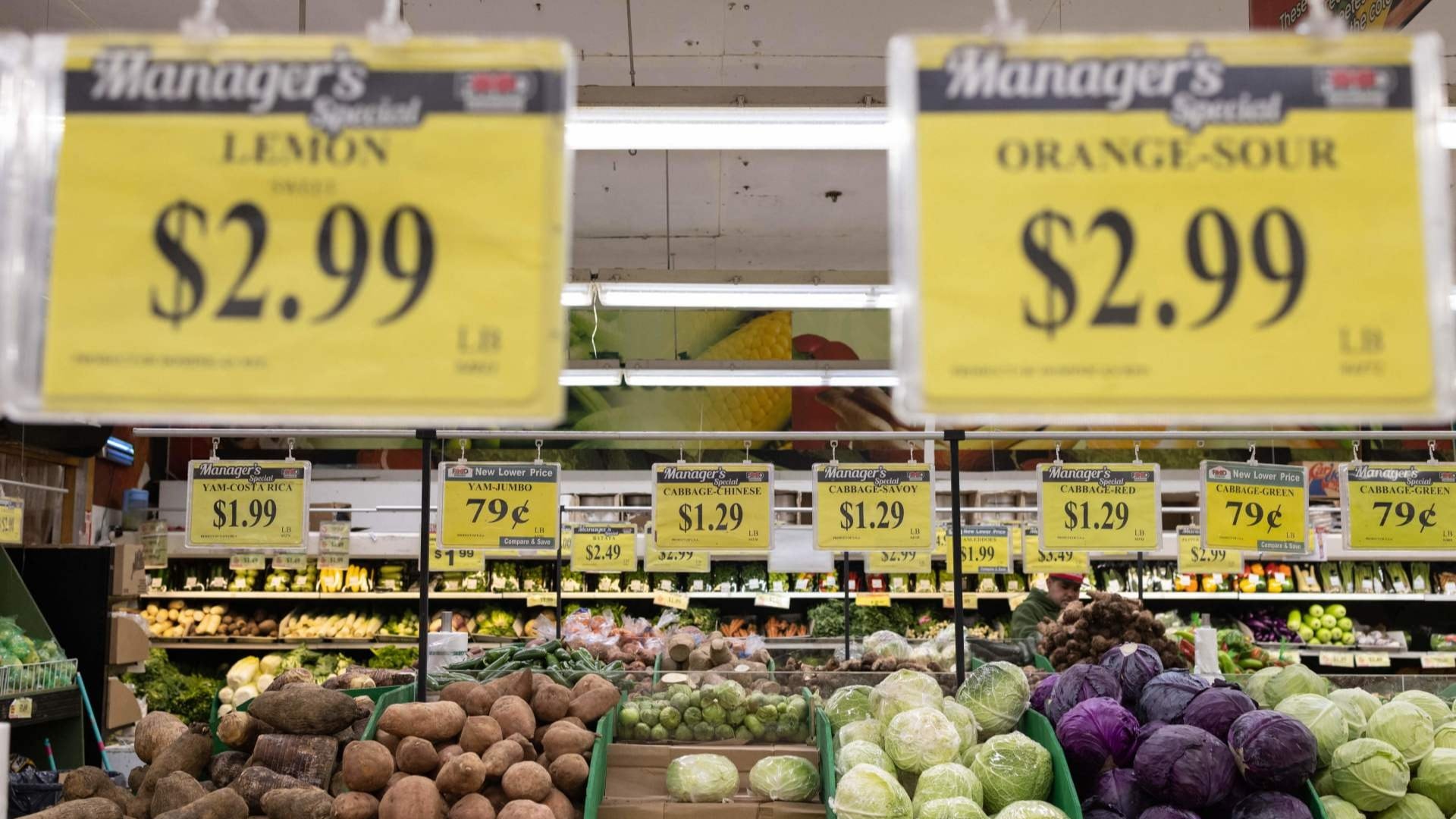
Food prices, meanwhile, were up 0.5 percent. That is up from 0.4 percent in December, but still low relative to the last six months.
Used car prices also continued their steady decline, dropping 1.7 percent month-over-month and 11.6 percent year-over-year.
Despite the month-over-month drop, the annual rate has slowed for seven straight months.
A key index of underlying inflation that is closely followed by the Federal Reserve remained elevated last month, keeping the Fed on track to raise interest rates next week for the 10th time since March of last year.
As a growing number of overweight Americans clamor for Ozempic and Wegovy — drugs touted by celebrities and on TikTok to pare pounds — an even more powerful obesity medicine is poised to upend treatment.
A California judge is ordering Tesla CEO Elon Musk to be interviewed under oath regarding statements about the safety and capability of the car maker's autopilot features.
David Wright, president and owner of Wright Financial Group LLC, joined Cheddar News to discuss Thursday's trading as stocks closed higher amid strong tech profits. But Wright says banking stress could sway markets down as the Federal Reserve could weigh more rate increases.
The Gap is laying off 1,800 corporate workers, roughly three time the number of headquarters jobs it cut last fall, as the struggling chain cuts costs in a bid to become more nimble.