Surging inflation has eased in recent months, but more evidence is needed to show that price increases are coming down in the long term, Federal Reserve Chair Jerome Powell said Wednesday. (Photo by Yuki IWAMURA / AFP) (Photo by YUKI IWAMURA/AFP via Getty Images)
Prices rose half a percent in January, according to the latest consumer price index. That is up from a 0.1 percent decline in December, and five times the 0.1 percent increase in November.
The monthly uptick was in line with expectation, though the year-over-year rate came in higher than expected 6.4 percent, a marginal drop from a 6.5 percent rate in December.
Shelter (i.e. housing) contributed the largest share to the monthly increase, rising 0.7 percent.
Energy costs were also up across the board. The price of piped gas shot up 6.7 percent, while energy overall was up 2 percent after two straight months of declines.
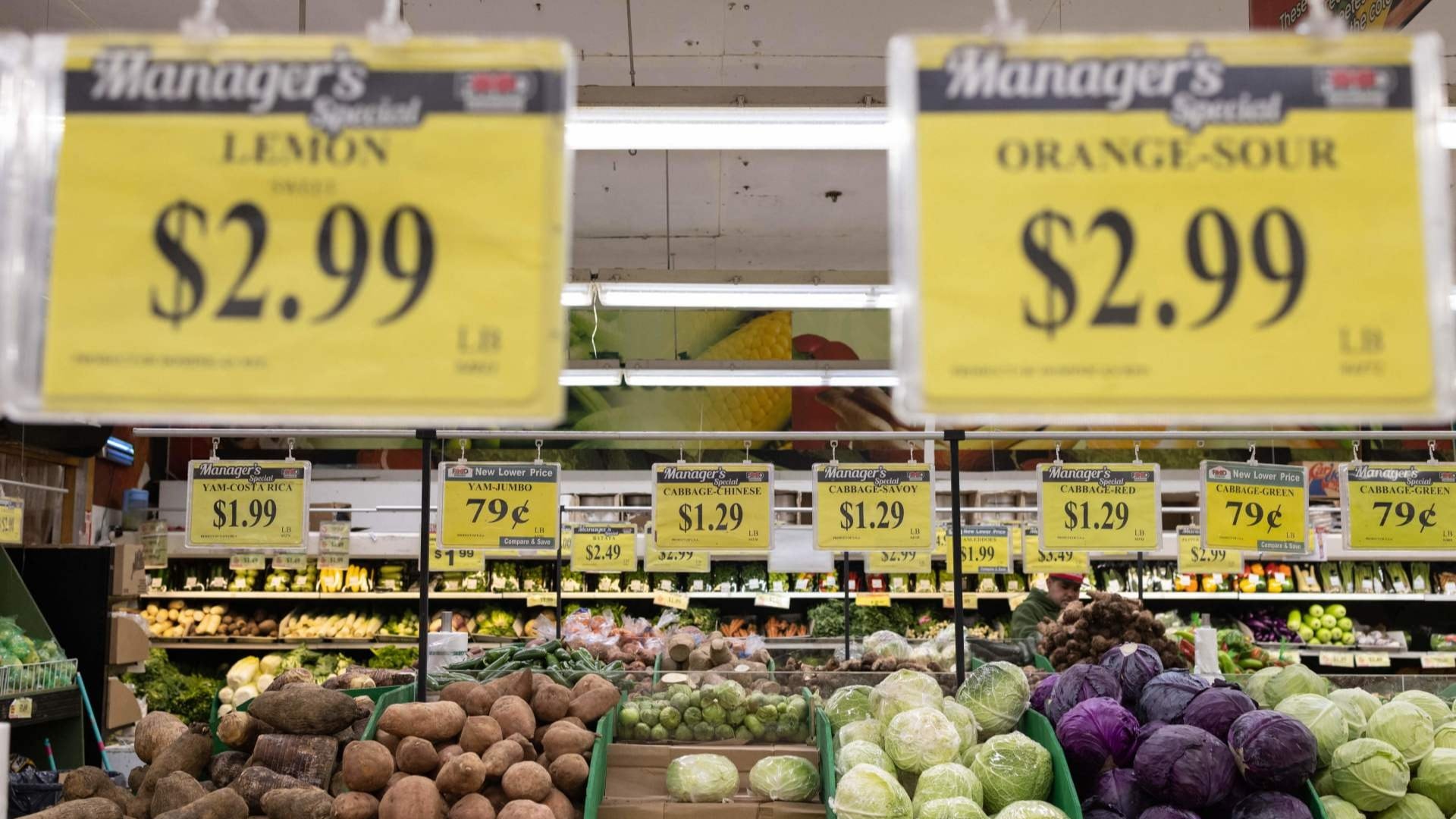
Food prices, meanwhile, were up 0.5 percent. That is up from 0.4 percent in December, but still low relative to the last six months.
Used car prices also continued their steady decline, dropping 1.7 percent month-over-month and 11.6 percent year-over-year.
Despite the month-over-month drop, the annual rate has slowed for seven straight months.
Anheuser-Busch's top marketing executive Marcel Marcondes addressed the ongoing boycott of Bud Light after protests over the company's partnership with trans influencer Dylan Mulvaney.
UPS recently announced it would equip delivery trucks with air conditioning. Dr. Douglas Casa, CEO of Korey Stringer Institute at the University of Connecticut, spoke with Cheddar News on the dangers of heat stroke and how workers can keep themselves safe from extreme weather.
The push for clean energy is igniting an interest in electric vehicles but charging EVs continues to be a concern for consumers looking to save. Brian Moody, executive editor with Autotrader, joined Cheddar News to discuss how people can make home-charging more affordable.
Gannett has filed a civil lawsuit against Google and its parent company Alphabet, claiming that they unlawfully hold monopolies in the advertising technology tools that publishers and advertisers use to buy and sell online ad space.