Surging inflation has eased in recent months, but more evidence is needed to show that price increases are coming down in the long term, Federal Reserve Chair Jerome Powell said Wednesday. (Photo by Yuki IWAMURA / AFP) (Photo by YUKI IWAMURA/AFP via Getty Images)
Prices rose half a percent in January, according to the latest consumer price index. That is up from a 0.1 percent decline in December, and five times the 0.1 percent increase in November.
The monthly uptick was in line with expectation, though the year-over-year rate came in higher than expected 6.4 percent, a marginal drop from a 6.5 percent rate in December.
Shelter (i.e. housing) contributed the largest share to the monthly increase, rising 0.7 percent.
Energy costs were also up across the board. The price of piped gas shot up 6.7 percent, while energy overall was up 2 percent after two straight months of declines.
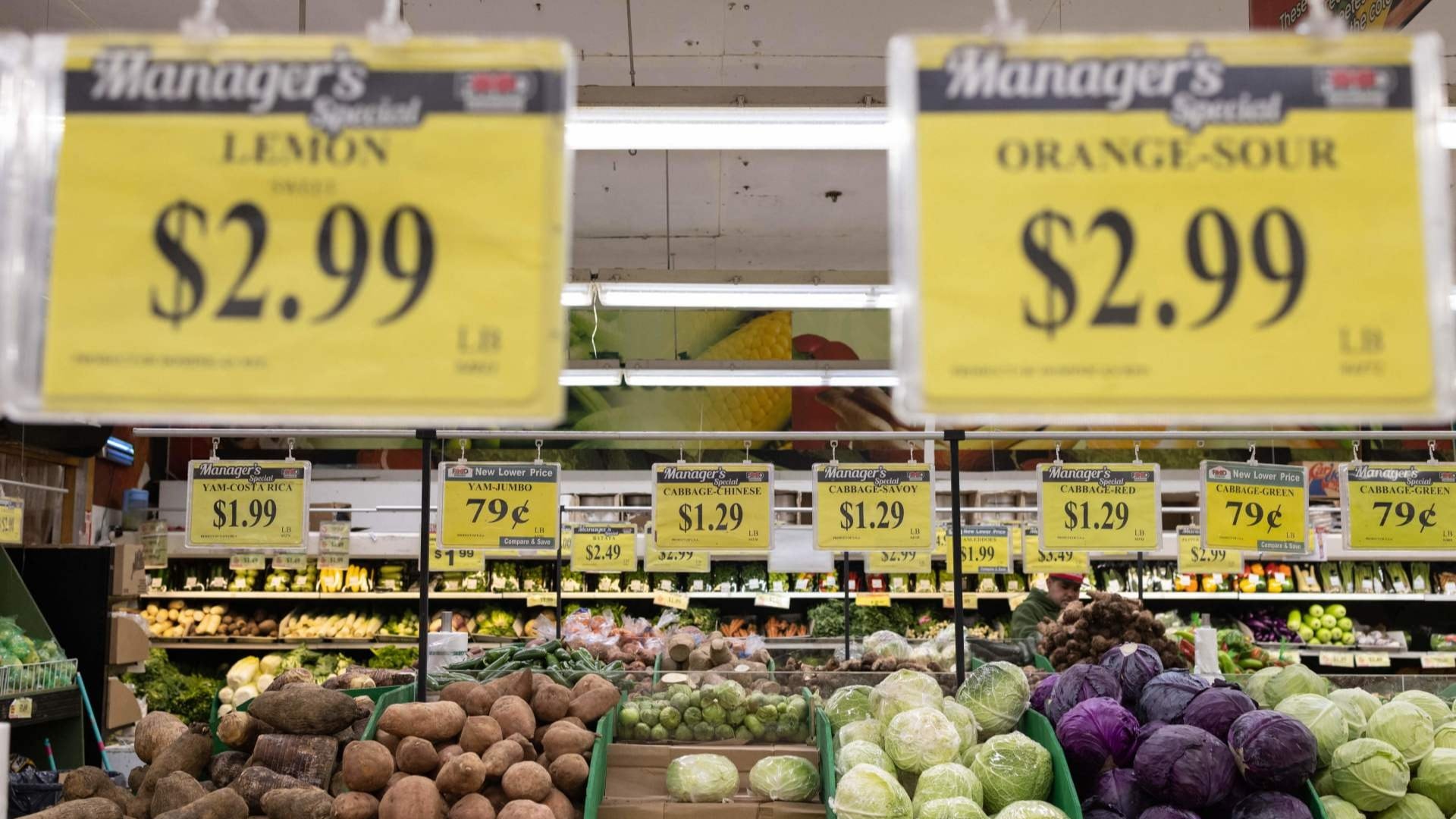
Food prices, meanwhile, were up 0.5 percent. That is up from 0.4 percent in December, but still low relative to the last six months.
Used car prices also continued their steady decline, dropping 1.7 percent month-over-month and 11.6 percent year-over-year.
Despite the month-over-month drop, the annual rate has slowed for seven straight months.
Nearly 30,000 people in Mississippi were dropped from the state's Medicaid program after an eligibility review that the government ended during the pandemic.
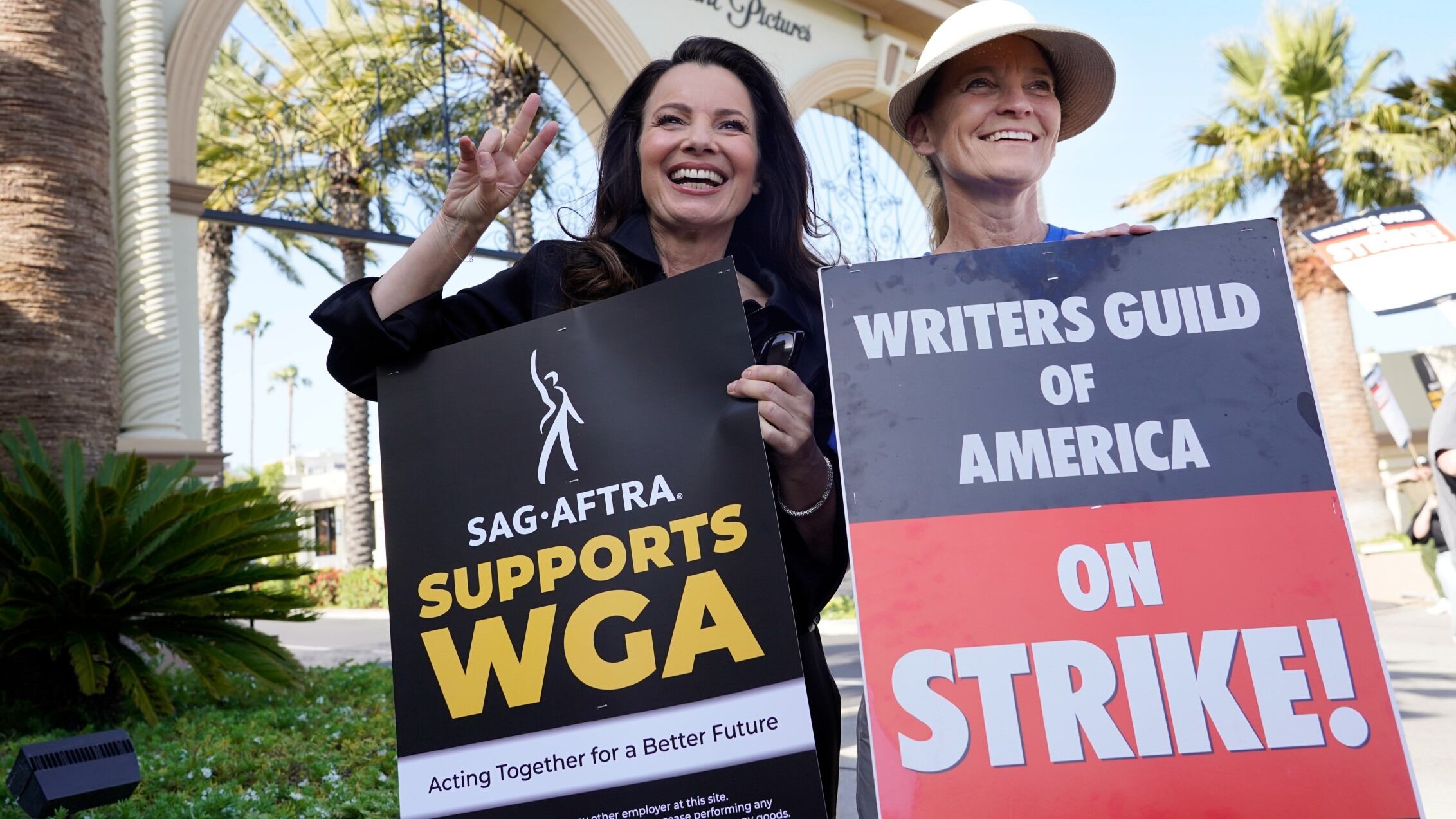
Unionized Hollywood actors on the verge of a strike have agreed to allow a last-minute intervention from federal mediators but say they doubt a deal will be reached by a negotiation deadline late Wednesday.
Squeezed by painfully high prices for two years, America’s households have gained some much-needed relief with inflation reaching its lowest point since early 2021 — 3% in June compared with a year earlier — thanks in part to easing prices for gasoline, airline fares, used cars and groceries.
A federal judge has handed Microsoft a major victory by declining to block its looming $69 billion takeover of video game company Activision Blizzard. Regulators sought to ax the deal saying it will hurt competition.