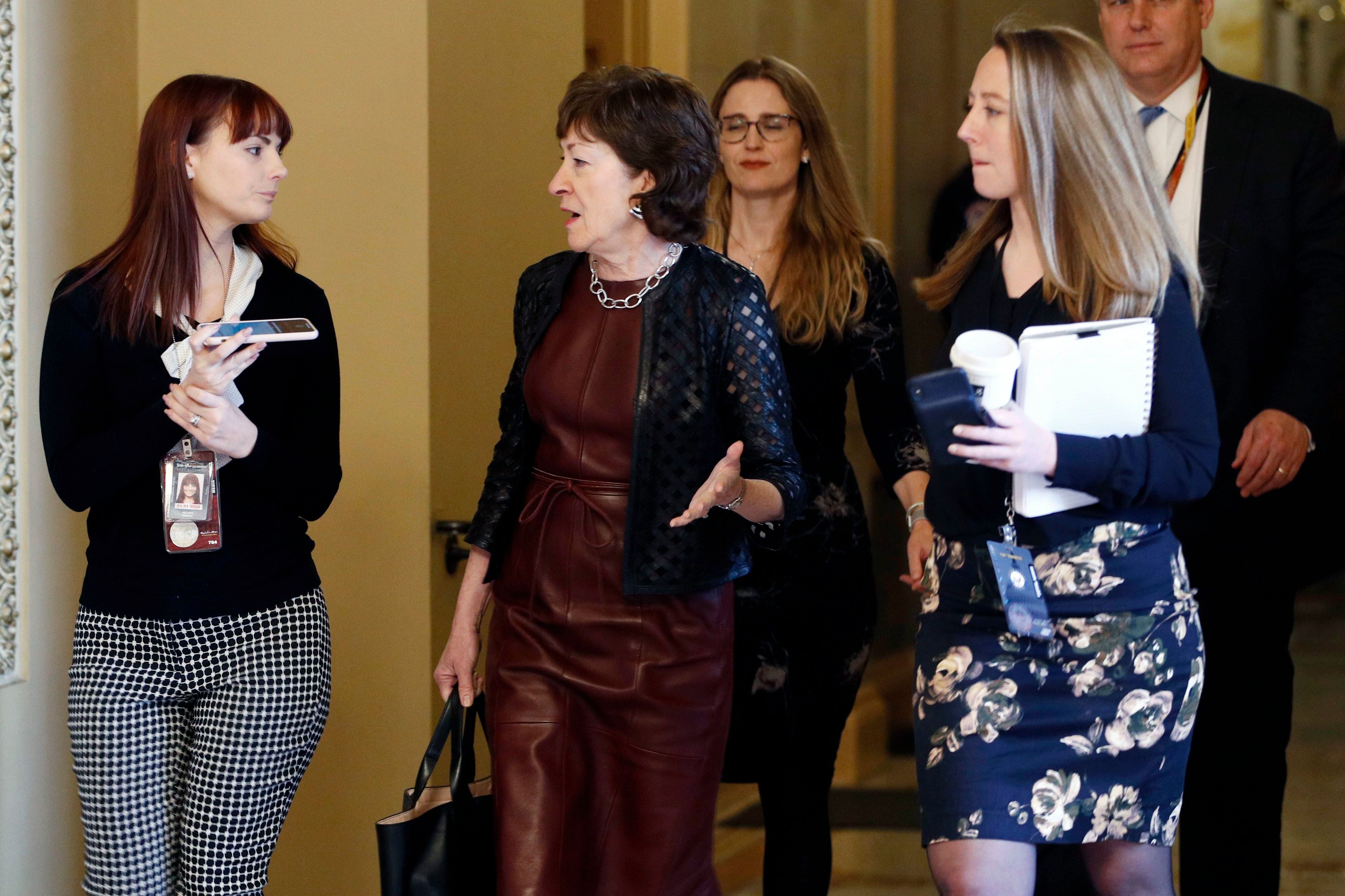
Senators began submitting questions as the next phase of President Trump's impeachment trial opened Wednesday. Officials will have 16 hours over two days to ask questions that Supreme Court Chief Justice John Roberts will read aloud from index cards. Impeachment managers and the president's defense team will then have the chance to answer.
Senator Susan Collins (R-Maine), on behalf of herself and colleagues Senator Lisa Murkowski (R-Alaska) and Senator Mitt Romney (R-Utah), asked a question about how, if the president had mixed public and private motives for withholding aid to Ukraine, should the Senate consider that fact?
Patrick Philbin, one of the president's defense attorneys, said a mixed-motive does not matter as the charge is not impeachable. He said the House's case rests upon proving the that president's request for investigations was solely for personal reasons and once there is a "legitimate public interest," the managers' case "fails."
Though GOP leadership is still trying to whip enough Senators to block witnesses, public sentiment seems to be shifting. A new Quinnipiac University poll yesterday found 75 percent of registered voters say witnesses should be allowed to testify, including 49 percent of Republicans.
"I don't think we should [feel pressure to hear witnesses], I think we should get this over with," Rep. Mark Meadows (R-N.C. 11th District) told Cheddar just before the start of today's session.
As questions roll in, it appears Senators are looking to clarify conflicting stories that have been argued back and forth. Both sides can be seen whispering and passing notes while scrambling to come up with quick answers.
Rep. Adam Schiff (D-Calif. 28th District), leading the House Managers, clarified to Senators that the House did ask John Bolton to testify, but were refused. "When we subpoenaed Dr. Kupperman, he sued us, took us to court. When we raised a subpoena with John Bolton's counsel, the answer was ‘You serve us with a subpoena and we'll sue you too,’" Schiff said. Charles Kupperman was a former national security advisor to the president and Bolton's deputy.
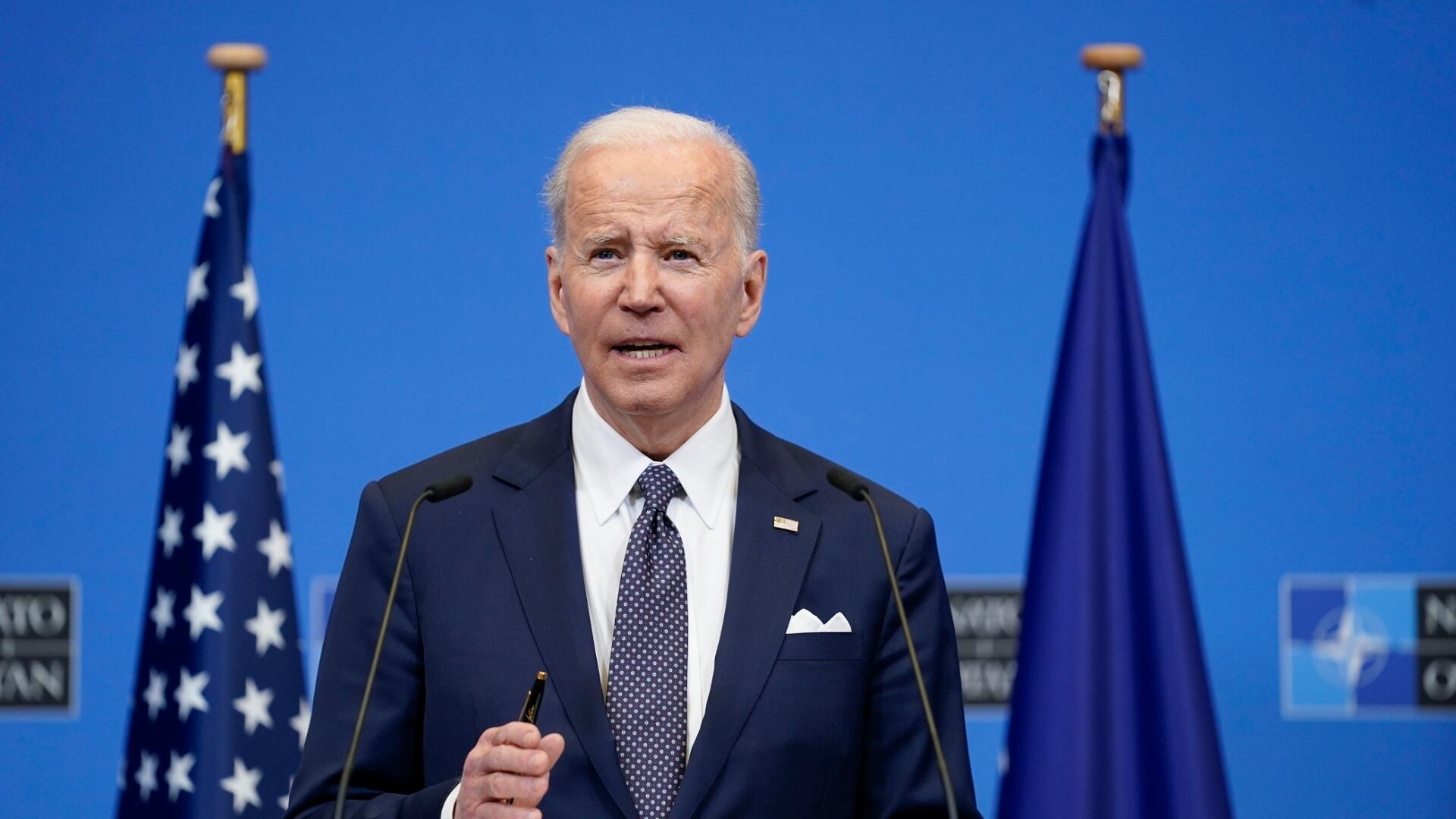
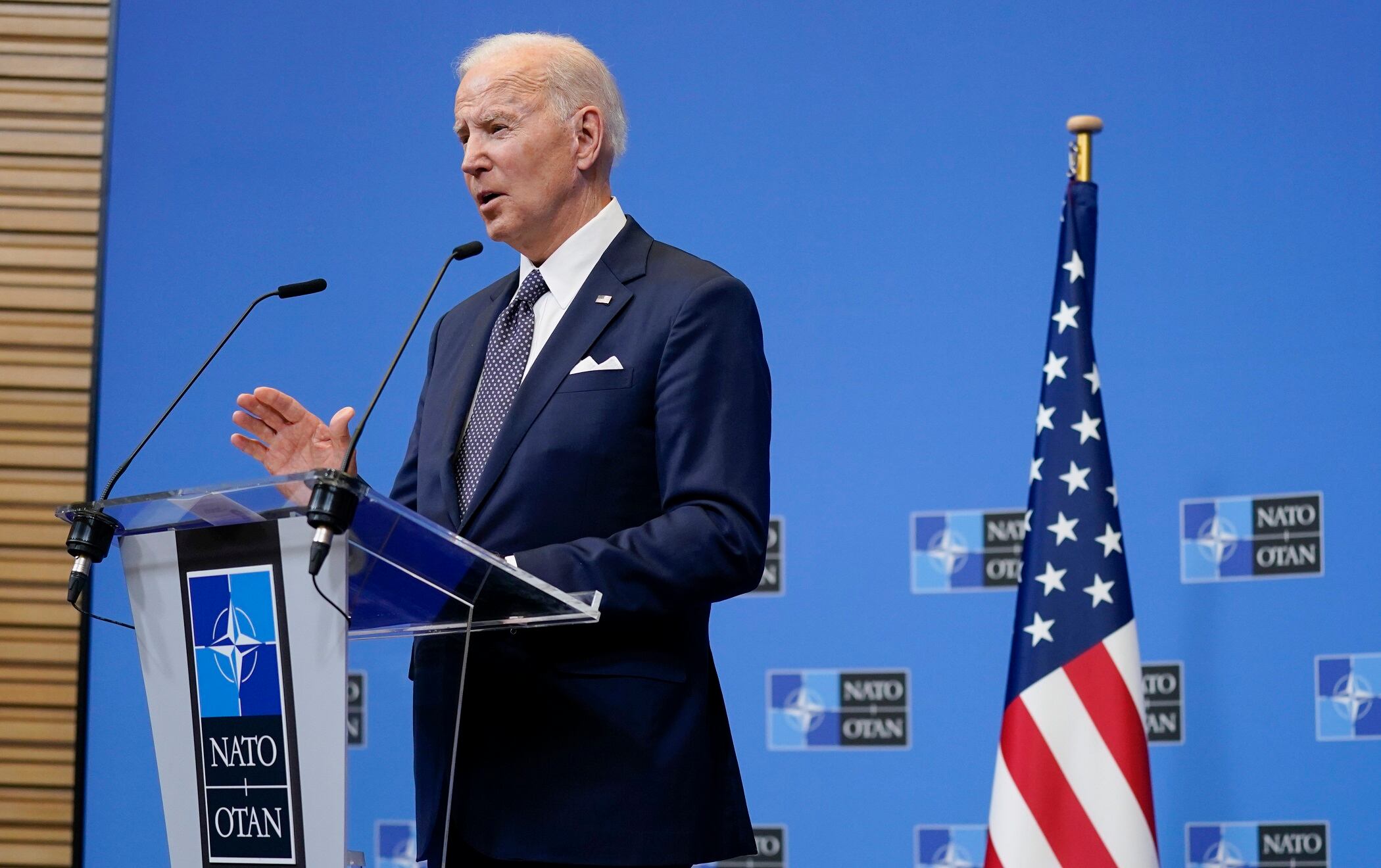
As President Biden travels to Europe this week amid Russia's ongoing invasion of its neighbor Ukraine, former Obama campaign foreign policy advisor and former Bush administration State Department official David Tafuri, joined Cheddar News to discuss the president's stop in Brussels, Belgium, to coordinate with NATO leaders efforts to dissuade Russian President Putin's war. "The maintenance of sanctions and increasingly ratcheting up the sanctions is what he thinks will cause a country like Russia to back off," Tafuri said of Biden. "And so he's committed to that strategy."
John Logan, Director of Labor and Employment Studies at San Francisco State University, joined Cheddar News to discuss the growing unionization push by employees at Starbucks and Amazon, and the wider implications of employee organization at these big companies.
Cheddar's Arielle Hixson sat down with five Black women making history as part of the Biden administration's communications team. Karine Jean-Pierre, the principal deputy press secretary; Khanya Brann, the chief of staff to Kate Bedingfield; Amanda Finney, the chief of staff to Jen Psaki; Erica Loewe, the director of African American media; and Rykia Dorsey, the senior regional communications director, shared their stories.
President Biden has embarked on a crucial trip to meet with allies in Belgium and Poland to discuss new sanctions on Russia as it continues to wage war on Ukraine. The president will seek to address the growing humanitarian crisis out of Ukraine, demonstrate a united Western front against Russia, and reassure Ukraine that it has support from the U.S. Joel Rubin, Former Deputy Assistant Secretary of State & President of the Washington Strategy Group, breaks down what to expect from the President's crucial visit to Europe.
Catching you up on what you need to know Mar 24, 2022, with NATO meeting updates, Ukraine retaking suburbs around Kyiv, the spread of omicron subvariant BA.2 in China, Google Pay launching a third-party billing option, and a 16-year-old is suspected of being the Lapsus$ mastermind behind hacks of Microsoft and others.
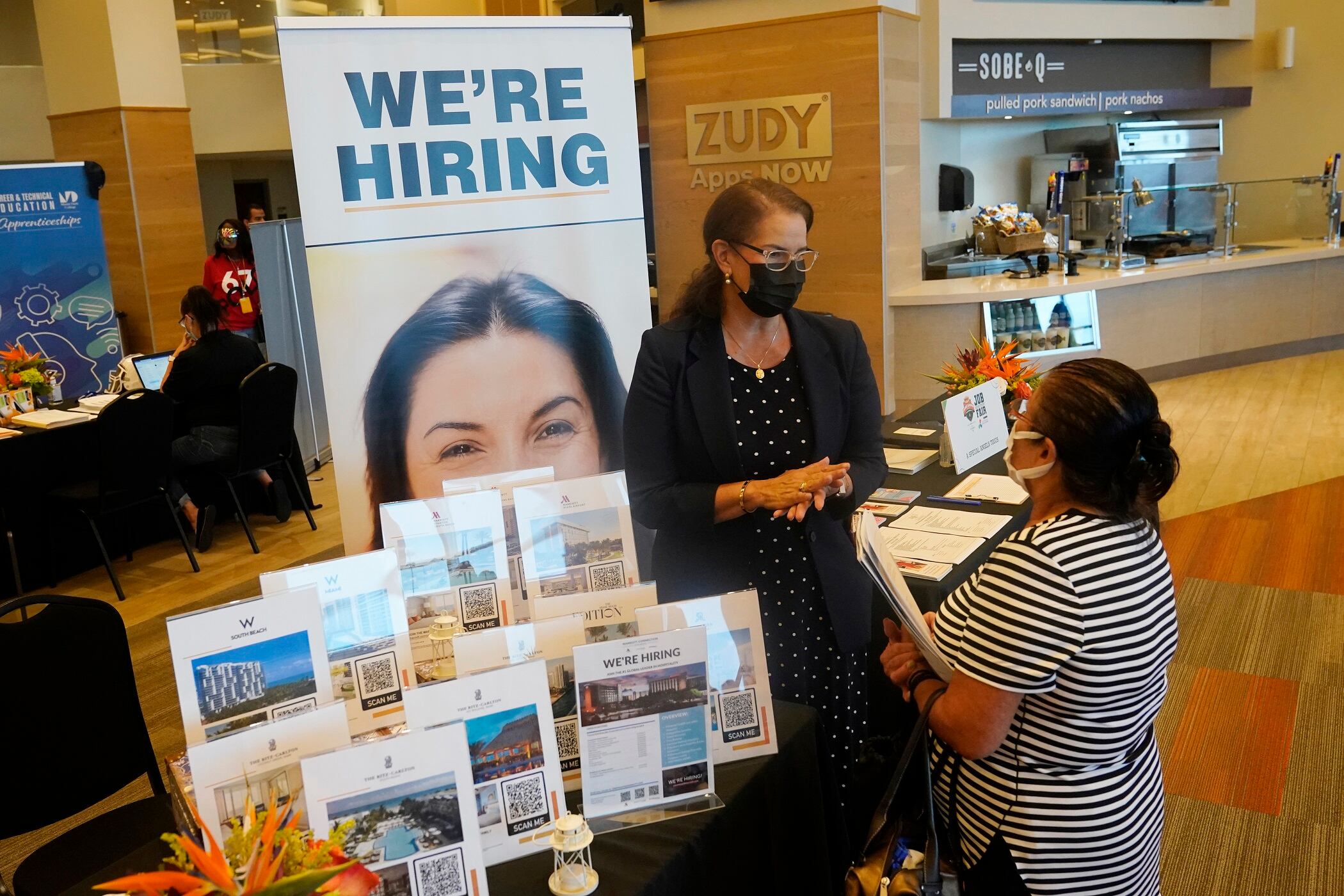
The number of Americans applying for unemployment benefits last week fell to its lowest level in 52 years as the U.S. job market continues to show strength in the midst of rising costs and an ongoing virus pandemic.
Alicia Garza joined Cheddar News to talk about the Black Futures Lab where serves as founder and principal. The non-profit organization seeks to develop grassroots power in the Black community with projects like the Black Census, which takes into account the granular experiences of the demographic. "What we know about Black folks and the reason that we decided to focus on black communities again, it's because we're being left out and left behind their stories being told about us without our input and without our shaping," she said. "If we want a robust democracy in this country, we have to change that equation." Garza also touched on issues around voter suppression and the midterm elections.
Sean O'Hara, President of Pacer ETF's, explains why investors who were down after Jerome Powell's remarks on inflation Monday were more optimistic on Tuesday as the major indexes ended the day near session highs.