Senators began submitting questions as the next phase of President Trump's impeachment trial opened Wednesday. Officials will have 16 hours over two days to ask questions that Supreme Court Chief Justice John Roberts will read aloud from index cards. Impeachment managers and the president's defense team will then have the chance to answer.
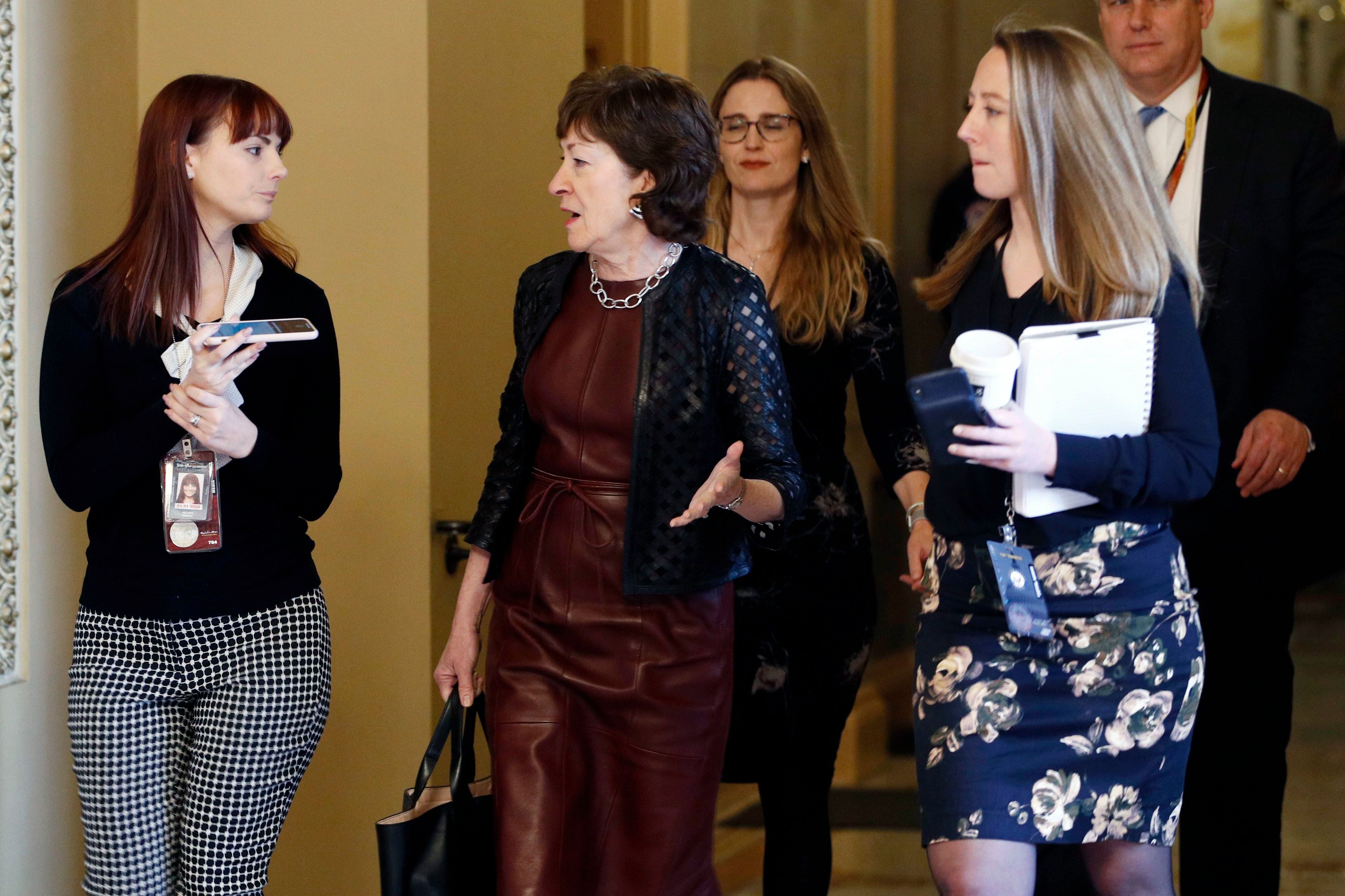
Senator Susan Collins (R-Maine), on behalf of herself and colleagues Senator Lisa Murkowski (R-Alaska) and Senator Mitt Romney (R-Utah), asked a question about how, if the president had mixed public and private motives for withholding aid to Ukraine, should the Senate consider that fact?
Patrick Philbin, one of the president's defense attorneys, said a mixed-motive does not matter as the charge is not impeachable. He said the House's case rests upon proving the that president's request for investigations was solely for personal reasons and once there is a "legitimate public interest," the managers' case "fails."
Though GOP leadership is still trying to whip enough Senators to block witnesses, public sentiment seems to be shifting. A new Quinnipiac University poll yesterday found 75 percent of registered voters say witnesses should be allowed to testify, including 49 percent of Republicans.
"I don't think we should [feel pressure to hear witnesses], I think we should get this over with," Rep. Mark Meadows (R-N.C. 11th District) told Cheddar just before the start of today's session.
As questions roll in, it appears Senators are looking to clarify conflicting stories that have been argued back and forth. Both sides can be seen whispering and passing notes while scrambling to come up with quick answers.
Rep. Adam Schiff (D-Calif. 28th District), leading the House Managers, clarified to Senators that the House did ask John Bolton to testify, but were refused. "When we subpoenaed Dr. Kupperman, he sued us, took us to court. When we raised a subpoena with John Bolton's counsel, the answer was ‘You serve us with a subpoena and we'll sue you too,’" Schiff said. Charles Kupperman was a former national security advisor to the president and Bolton's deputy.
According to new research by Twitter, the social media platform algorithm amplifies content from the "political right" rather than those on the left. The company says this data comes as the platform has been taking the time to research the implications of its algorithm and whether or not it has caused any "unknown harm". President and CEO of Media Matters for America Angelo Carusone, joined Cheddar to discuss more.
Jill and Carlo cover the latest developments in the Alec Baldwin prop gun shooting, when vaccines for kids as young as 5 should be approved, new reporting on Facebook and more.
Dana Sussman, deputy executive director at the National Advocates for Pregnant Women, joined Cheddar News to talk about Brittney Poolaw, who was sentenced to four years in state prison for a miscarriage she suffered last year.
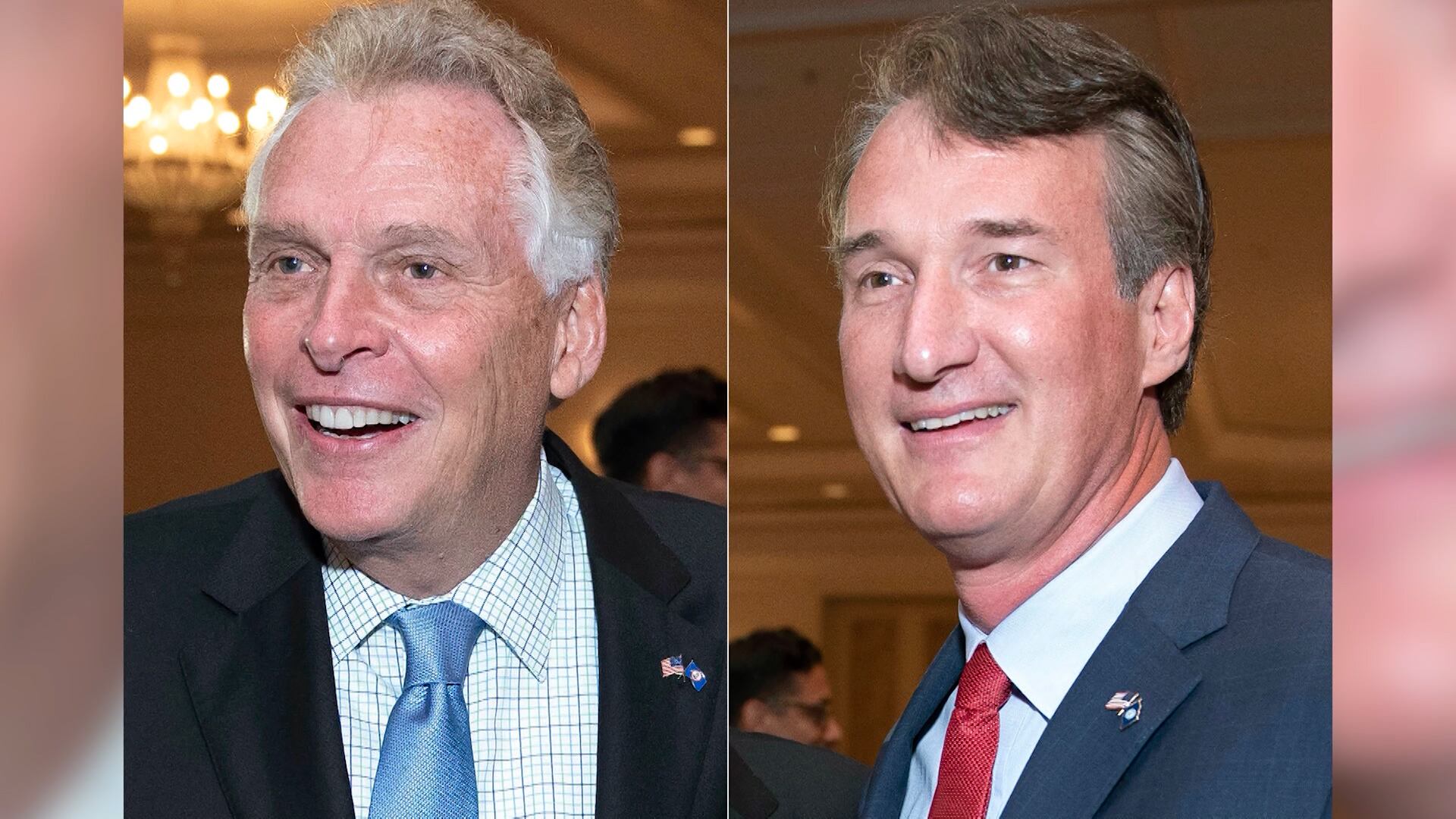
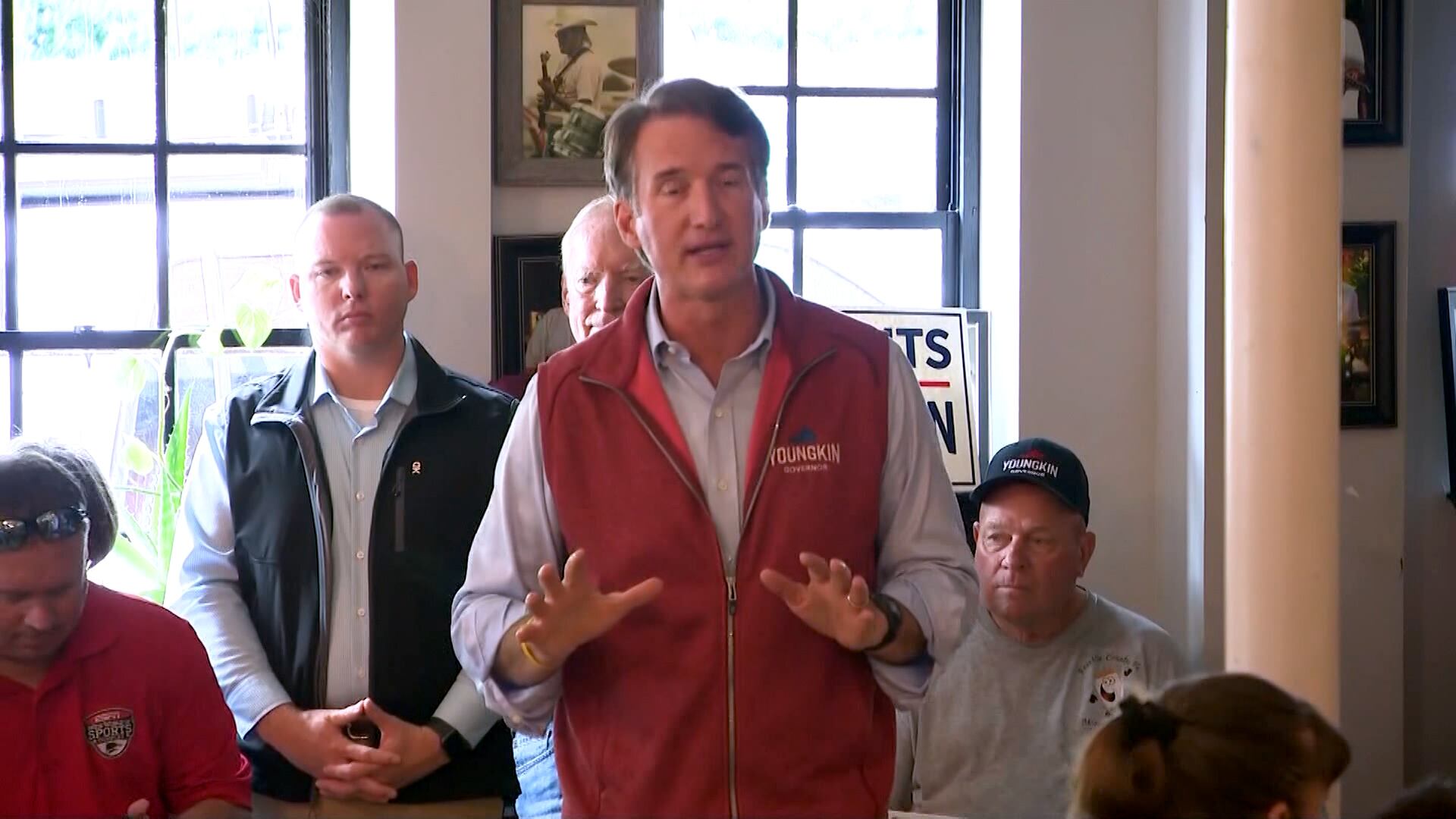
Despite Joe Biden having won the state of Virginia in 2021 by 10 points, the race between his fellow Democrat Terry McAuliffe and Donald Trump-endorsed Republican Glenn Youngkin has tightened considerably down to the wire. Dave Levinthal, the deputy Washington bureau chief for Insider, joined Cheddar to give his analysis of the bellwether gubernatorial race in the year before the midterm elections.
Laura Vozzella, local reporter for the Washington Post, joins Cheddar News to discuss the razor-thin edge Democrat Terry McAuliffe has over Republican candidate Glenn Youngkin in the 2021 Virginia gubernatorial election.
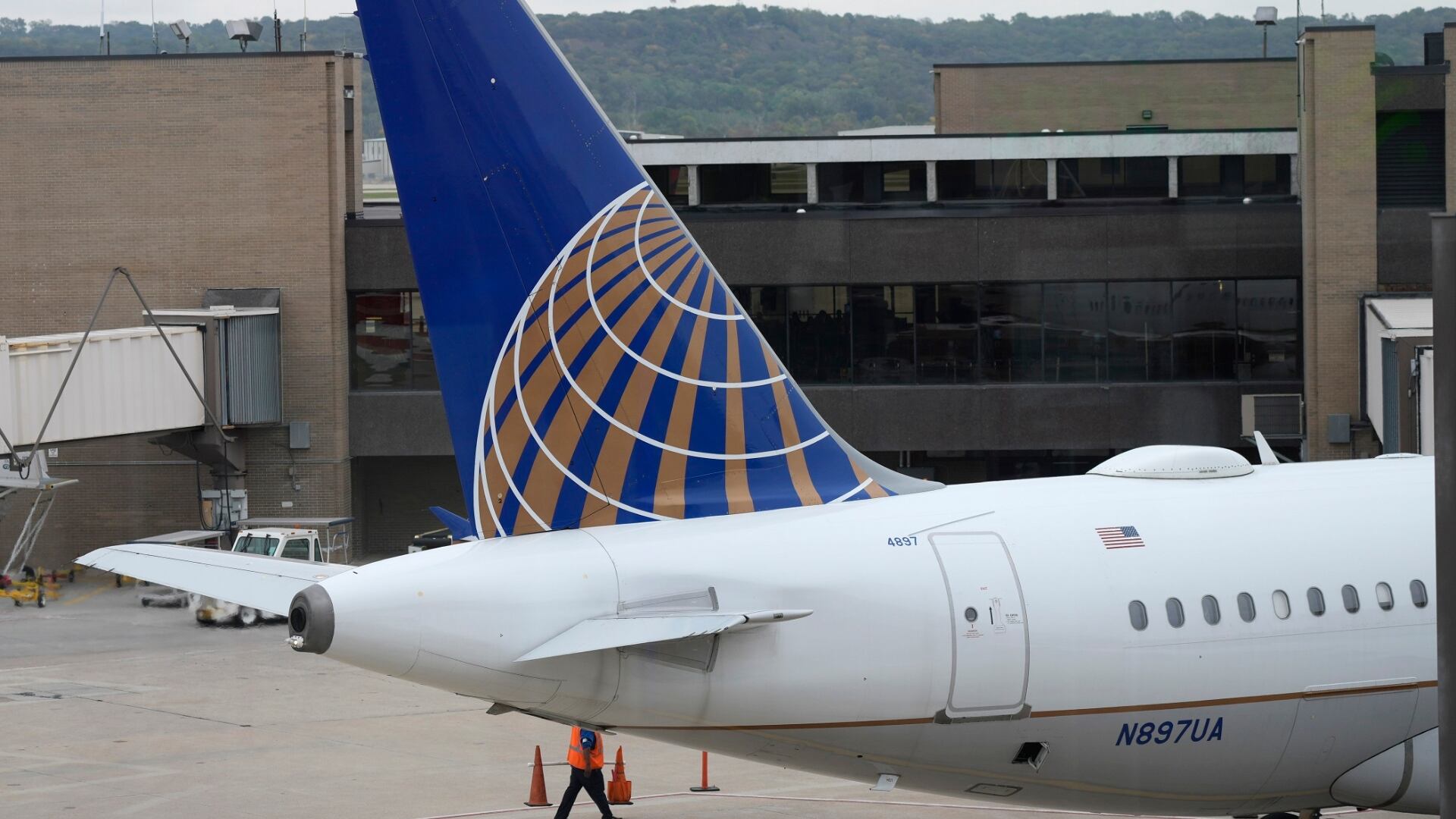
A judge has temporarily put on hold United Airlines' unpaid leave policy for workers who claimed either religious or medical exemptions from COVID vaccinations. Six workers filed a suit against the company, calling the policy unreasonable.
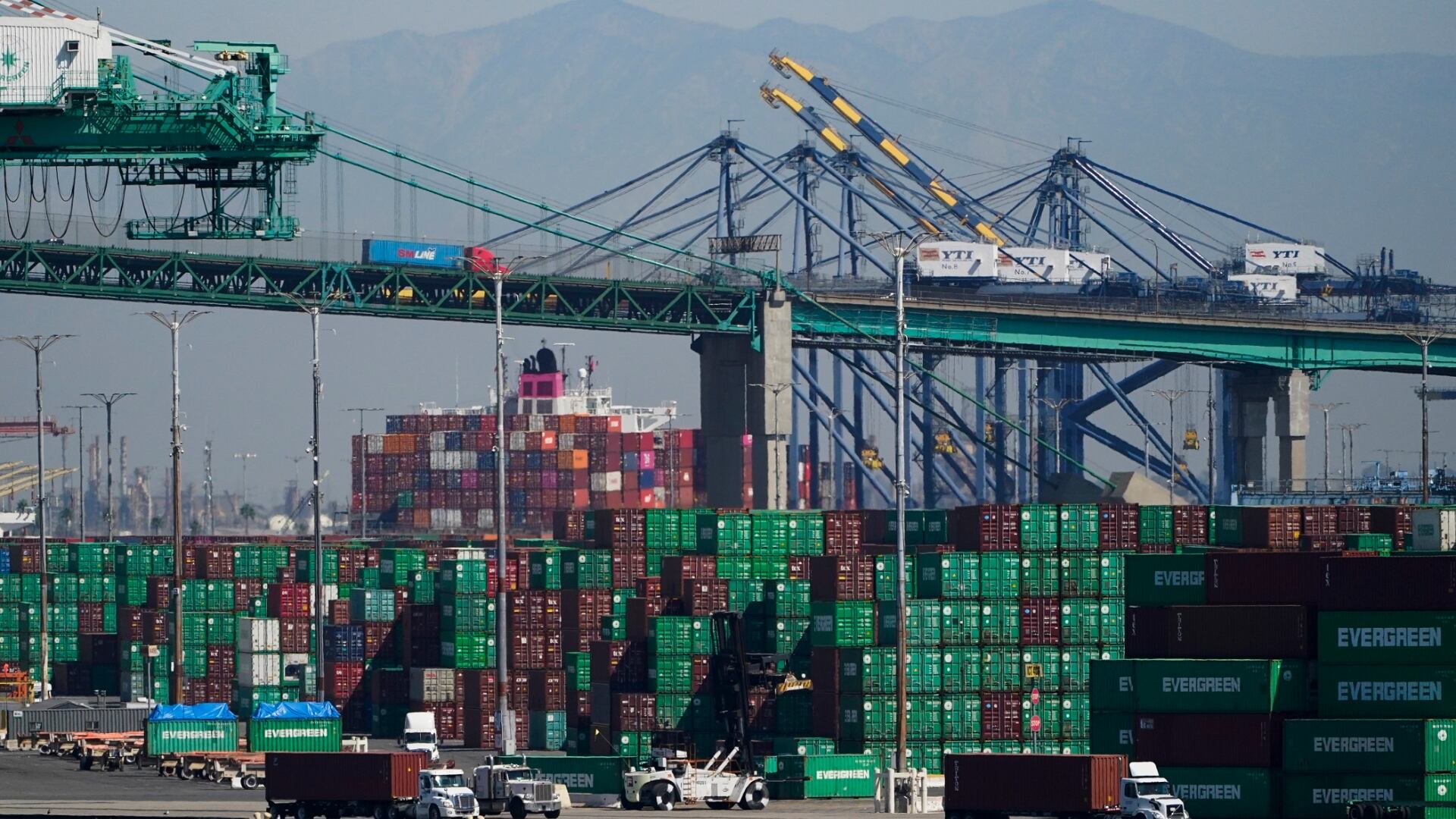
President Joe Biden took to the podium to discuss the deal that will keep the Port of Los Angeles open for business 24 hours a day, seven days a week as the nation grapples with supply chain issues.
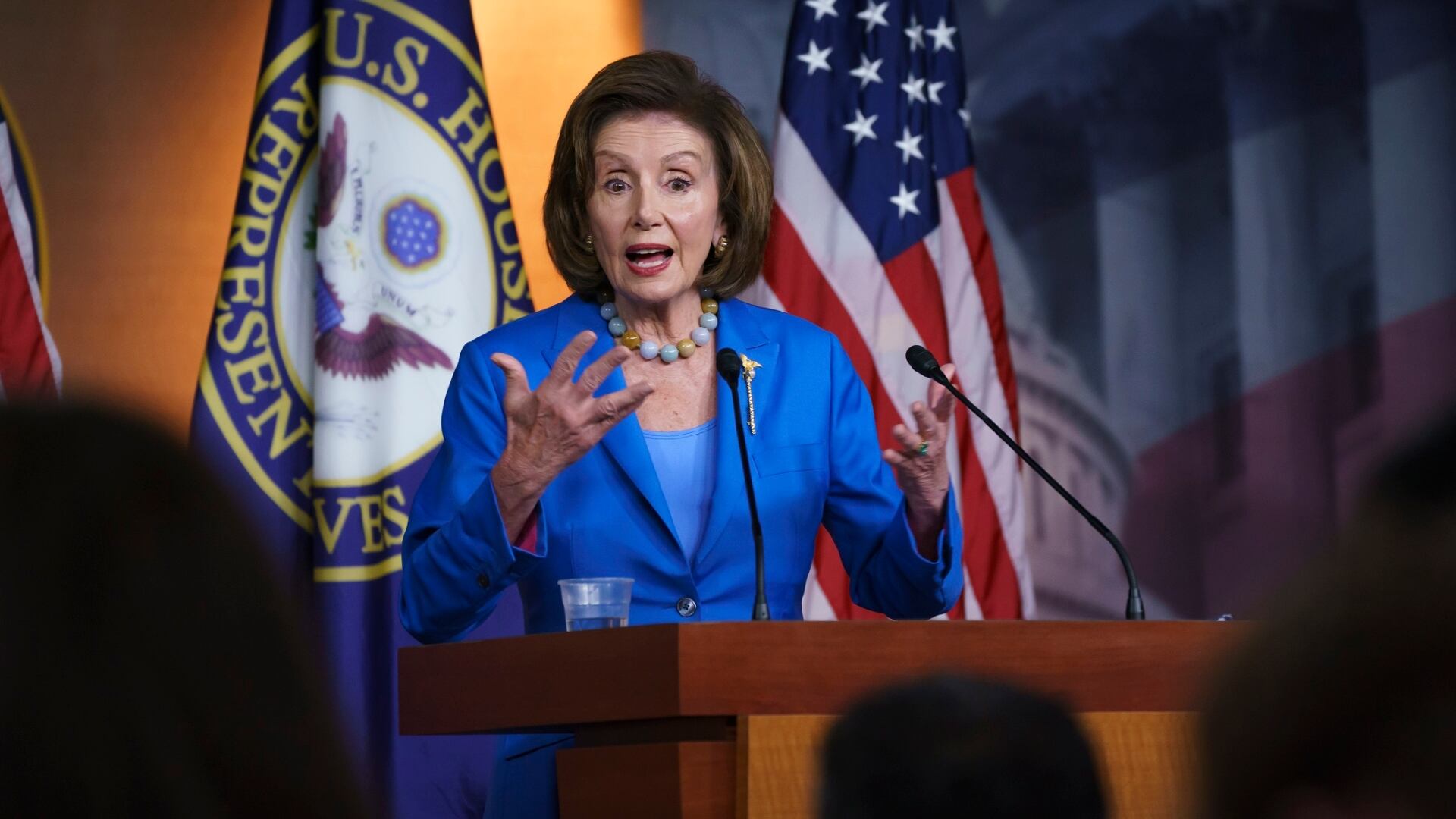
Members of the House returned to Washington, DC, on Tuesday to vote on a short-term increase of the U.S. debt limit. The temporary measure will allow the federal government to pay its bills until December 3.