Senators began submitting questions as the next phase of President Trump's impeachment trial opened Wednesday. Officials will have 16 hours over two days to ask questions that Supreme Court Chief Justice John Roberts will read aloud from index cards. Impeachment managers and the president's defense team will then have the chance to answer.
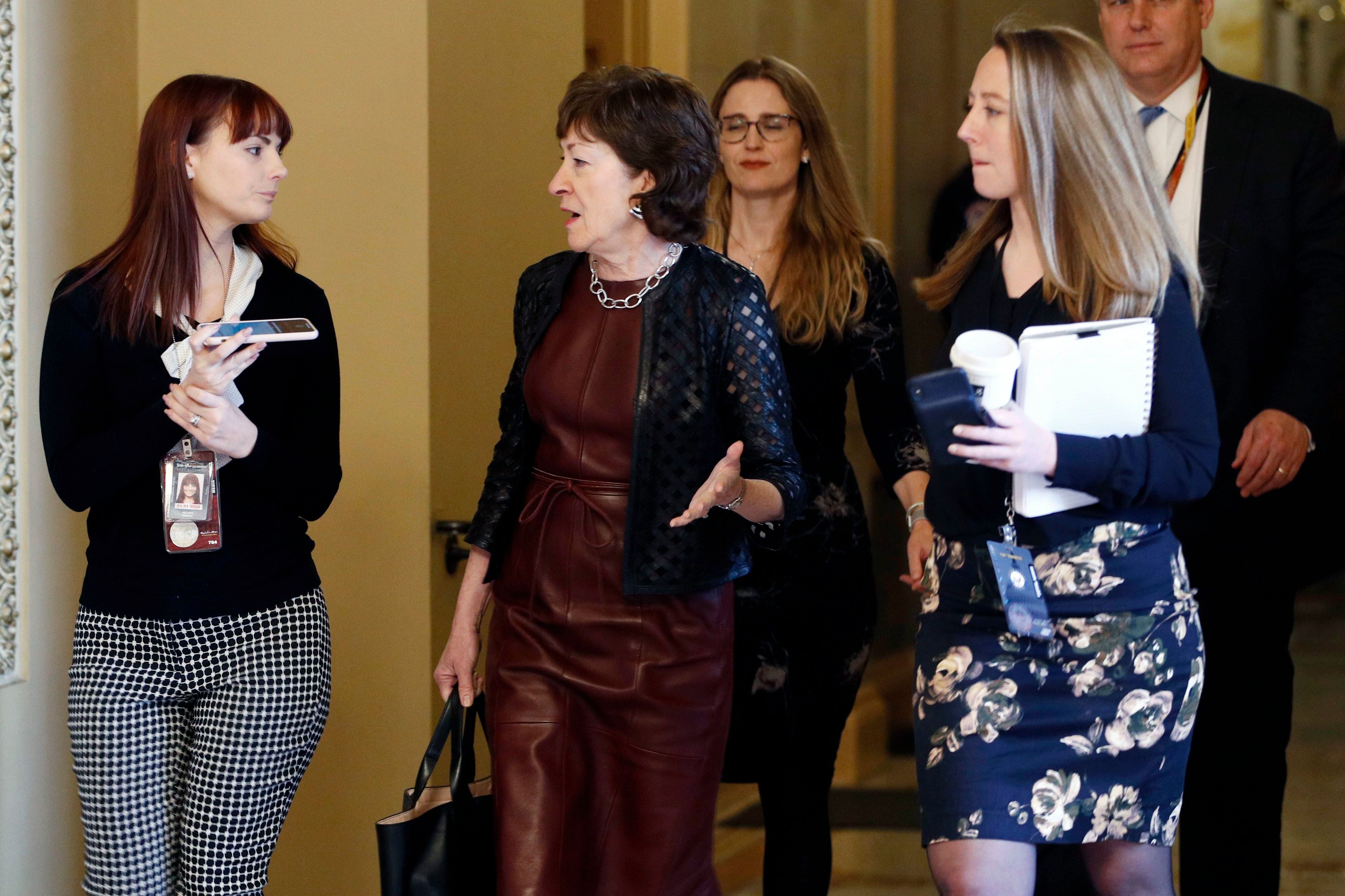
Senator Susan Collins (R-Maine), on behalf of herself and colleagues Senator Lisa Murkowski (R-Alaska) and Senator Mitt Romney (R-Utah), asked a question about how, if the president had mixed public and private motives for withholding aid to Ukraine, should the Senate consider that fact?
Patrick Philbin, one of the president's defense attorneys, said a mixed-motive does not matter as the charge is not impeachable. He said the House's case rests upon proving the that president's request for investigations was solely for personal reasons and once there is a "legitimate public interest," the managers' case "fails."
Though GOP leadership is still trying to whip enough Senators to block witnesses, public sentiment seems to be shifting. A new Quinnipiac University poll yesterday found 75 percent of registered voters say witnesses should be allowed to testify, including 49 percent of Republicans.
"I don't think we should [feel pressure to hear witnesses], I think we should get this over with," Rep. Mark Meadows (R-N.C. 11th District) told Cheddar just before the start of today's session.
As questions roll in, it appears Senators are looking to clarify conflicting stories that have been argued back and forth. Both sides can be seen whispering and passing notes while scrambling to come up with quick answers.
Rep. Adam Schiff (D-Calif. 28th District), leading the House Managers, clarified to Senators that the House did ask John Bolton to testify, but were refused. "When we subpoenaed Dr. Kupperman, he sued us, took us to court. When we raised a subpoena with John Bolton's counsel, the answer was ‘You serve us with a subpoena and we'll sue you too,’" Schiff said. Charles Kupperman was a former national security advisor to the president and Bolton's deputy.
Kerryanne Burke, a former NYS Assembly Attorney & Government Policy Attorney joins Cheddar News to discuss recent protests by municipal city workers who oppose the city's vaccine mandate.
Dr. Rachel Cleetus, Policy Director and Lead Economist of the Climate and Energy Program for the Union of Concerned Scientists, joined Cheddar News to discuss the COP26 summit.
A Freitag pod with Carlo and Baker, talking about the upcoming federal vax-or-test deadline, the most shocking upset of this week's elections, an incredible story of selflessness and Love, Hate, Ate.
Clarence Cox III, a former police chief from Georgia, joined Cheddar to discuss Portland Mayor Ted Wheeler's plans to greatly increase the city's police budget. "I think his investments, as I read and understand, are in the right areas," Cox said. "Body-worn cameras are something that I'm a very big proponent of, and I think the mayor's going in the right direction with some of the initiatives."
Alysa McCall, director of conservation outreach and staff scientist at Polar Bears International, joined Cheddar to discuss the ongoing fight to protect polar bears from extinction while world leaders gathered to discuss the climate crisis. McCall explained her organization's mission "to ensure the long term survival of polar bears by helping ensure their arctic sea ice habitat remains intact." McCall said she hopes actionable steps are taken after the UN climate summit to mitigate the crisis and not just more promises.
Carlo and Baker discuss the fallout from Tuesday's election and the flashing warning sign for Dems ahead of the midterms. Also, a big 2A case at the Supreme Court, Aaron Rodgers has Covid and is in big trouble, and a first for the MCU.
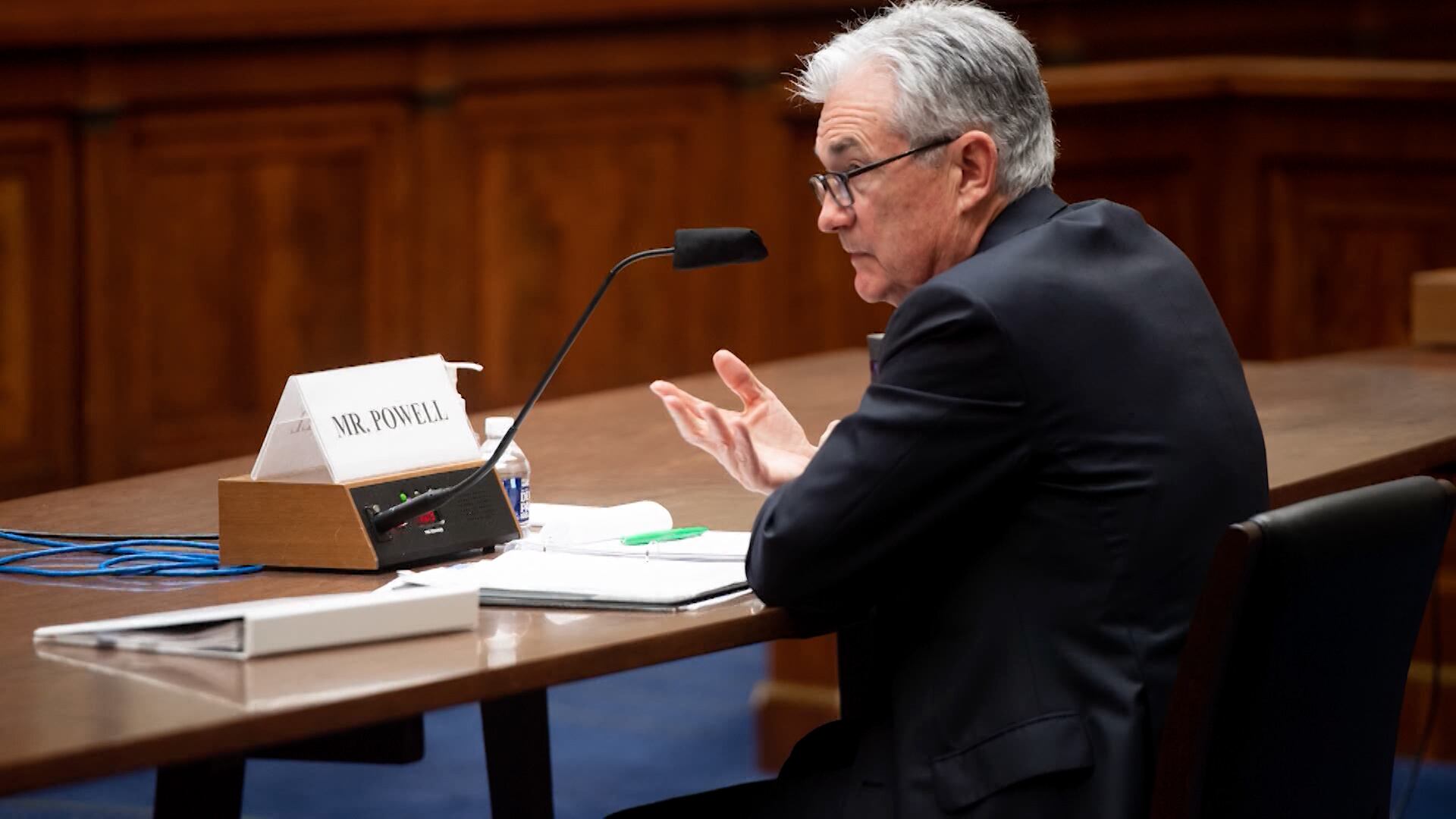
Milton Ezrati, Chief Economist at Vested, joins Cheddar News' Closing Bell, where he breaks down the Federal Reserve's latest policy decision and discusses what he will be listening for most closely when Fed Chair Jerome Powell takes the podium.