Sen. Marsha Blackburn, (R-Tenn.) is joining the Republican-led fight to change internet regulations that she said allow social media platforms to "disadvantage conservative thought."
The senator is getting behind an effort to reform Section 230 of the 1996 Communications Decency Act, which protects online services from legal liability for what users publish on their platforms.
"We are working on legislation that would address reforms that would put a threshold in place," she said. "Users that are 50 million and less, you would have Section 230 protections. The bigger users would not have those safe harbors."
Blackburn framed the reforms as an effort to stop censorship of conservative voices.
"They suggestively manipulate their algorithms," she alleged of social media platforms. "You look at what's happening on YouTube, and it's the wild west. You can put up anything, say anything, and it's there, except when it comes to conservatives. Conservative filmmakers, conservative entertainers, people in Christian music have had their movie trailers, their videos, their songs removed from some of these platforms."
Democrats have argued that removing this protection will have the opposite effect, leading to more censorship and legal complications for online service providers.
The Trump administration has signaled its support for overhauling the legislation as well. On May 28, the president issued an executive order ordering the Commerce Department to petition the Federal Communications Commission to refine the current regulations. The Justice Department has since urged Congress to revise Section 230.
Sen. Josh Hawley (R-Mo.) introduced a bill on Wednesday that would, among other things, allow users to sue an online platform for $5,000 plus attorneys' fees if they feel the provider is not "operating in good faith" and unfairly applying their respective content rules.
"If they want to say they're the public square, where people have free speech and public debate, you can't do that," Blackburn said.
She added that current regulations' lack of clarity has led to abuses.
"The definitions in 230 are overly broad," she claimed. "Things that are abusive or unlawful, we need to be more specific in those definitions. We need to also say that political speech is free speech.
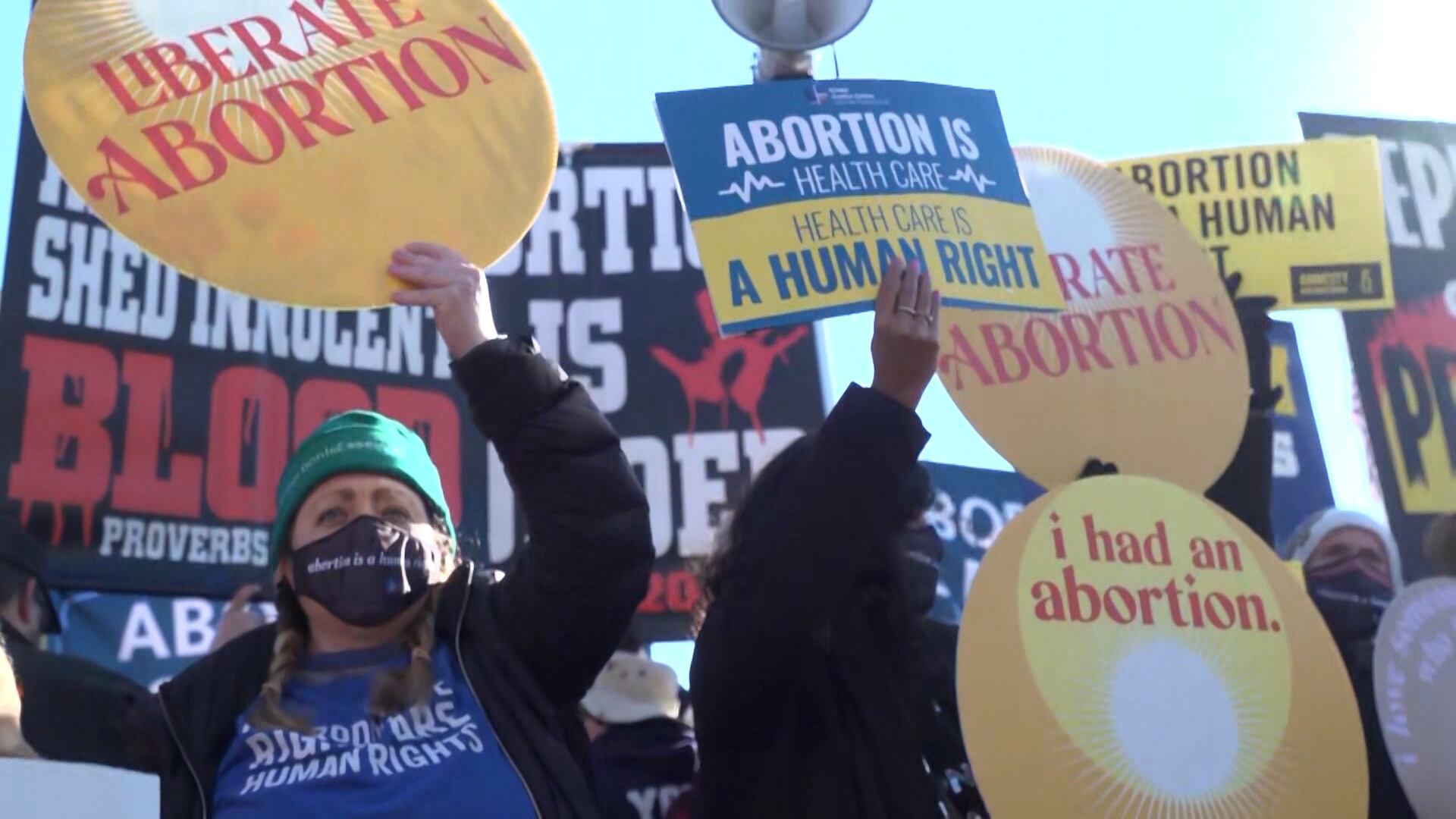
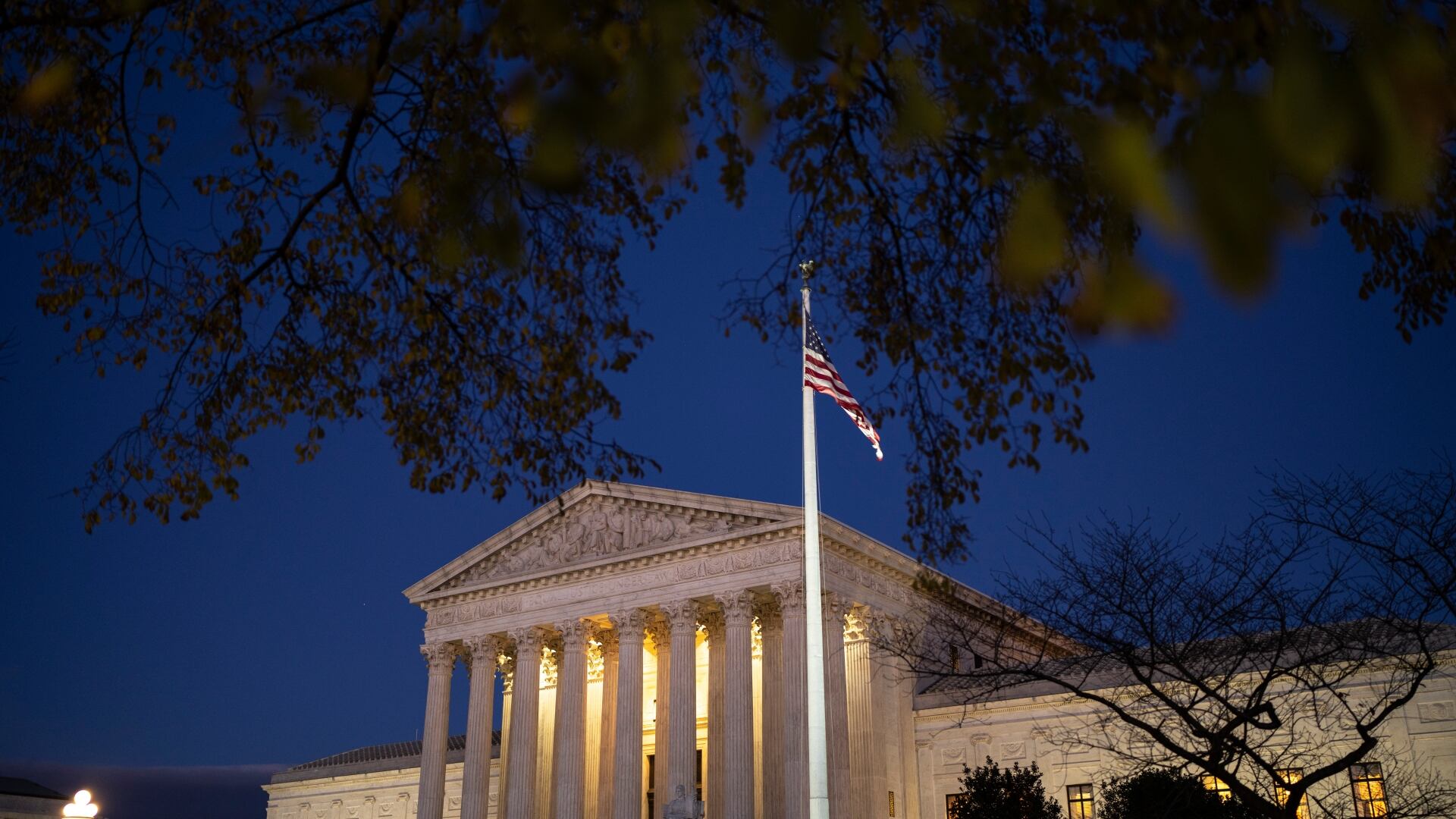
The Supreme Court appeared prepared Wednesday to uphold a Mississippi law that would ban almost all abortions after 15 weeks of pregnancy. The ruling is far from over, with Roe V. Wade at risk. Susan Rinkunas, senior reporter at Jezebel, joins Cheddar News to share the developments of the hearing.
The nine justices heard arguments Wednesday, around a Mississippi abortion law that bans the procedure after 15 weeks and appeared to lean toward upholding the law, while leaving uncertainty about the landmark precedent, Roe v. Wade. Kristin Ford, vice president of communications and research at NARAL Pro-Choice America joins Cheddar News to discuss.
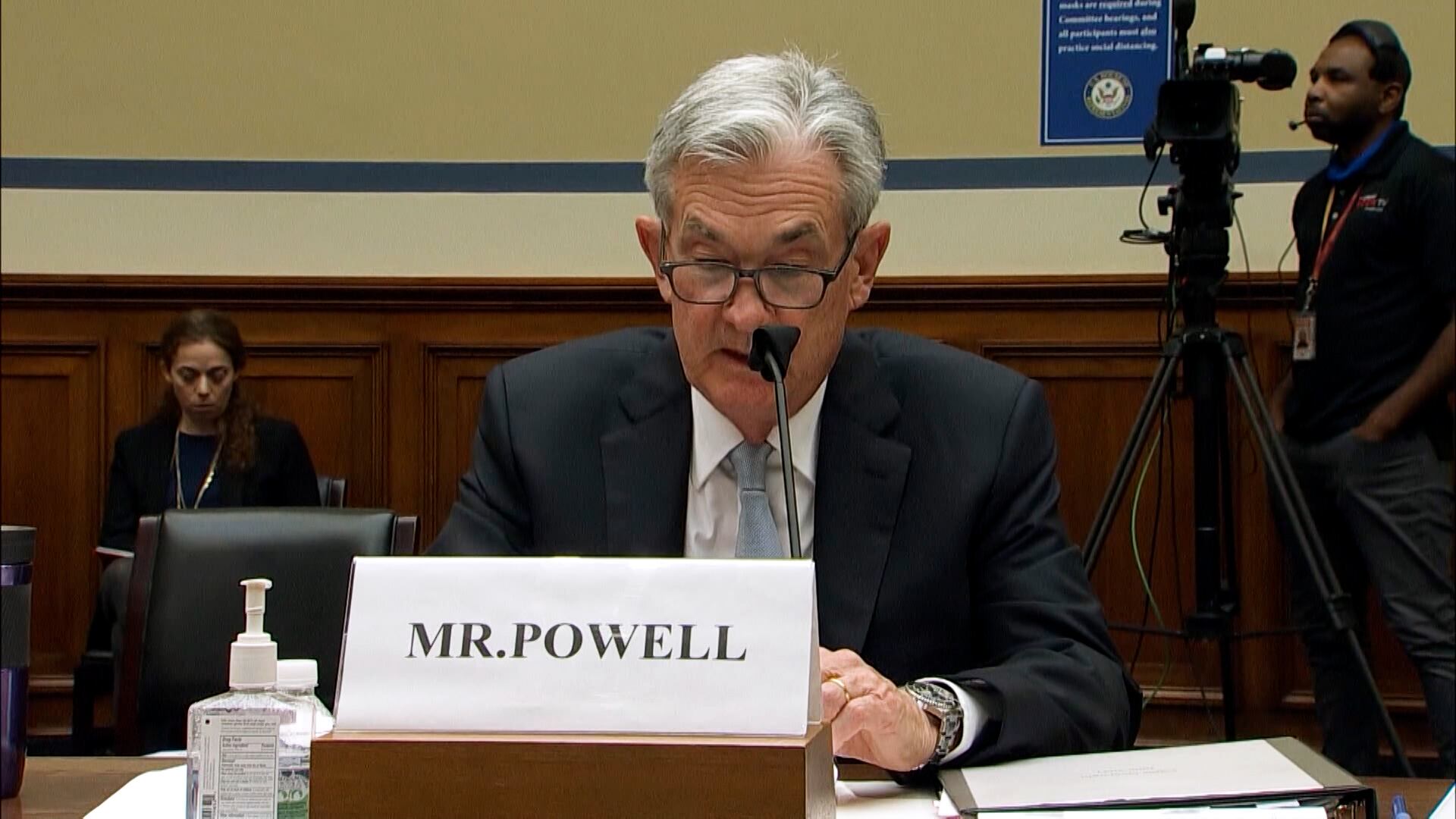
Just about a week after being re-nominated, Federal Reserve Chair Jermone Powell is changing his tune. After nearly a year of referring to inflation as 'transitory,' Powell said he will retire the 'T' word as inflation remains elevated. Christopher Russo, Post-Graduate Research Fellow, Mercatus Center joined Cheddar's Opening Bell to discuss.
Airbnb has come under fire after an Axios report found that the rental company has properties available in China's Xinjiang region where the nation has been accused of committing genocide against Uyghur Muslims, demolishing their homes, and replacing them with tourist attractions.
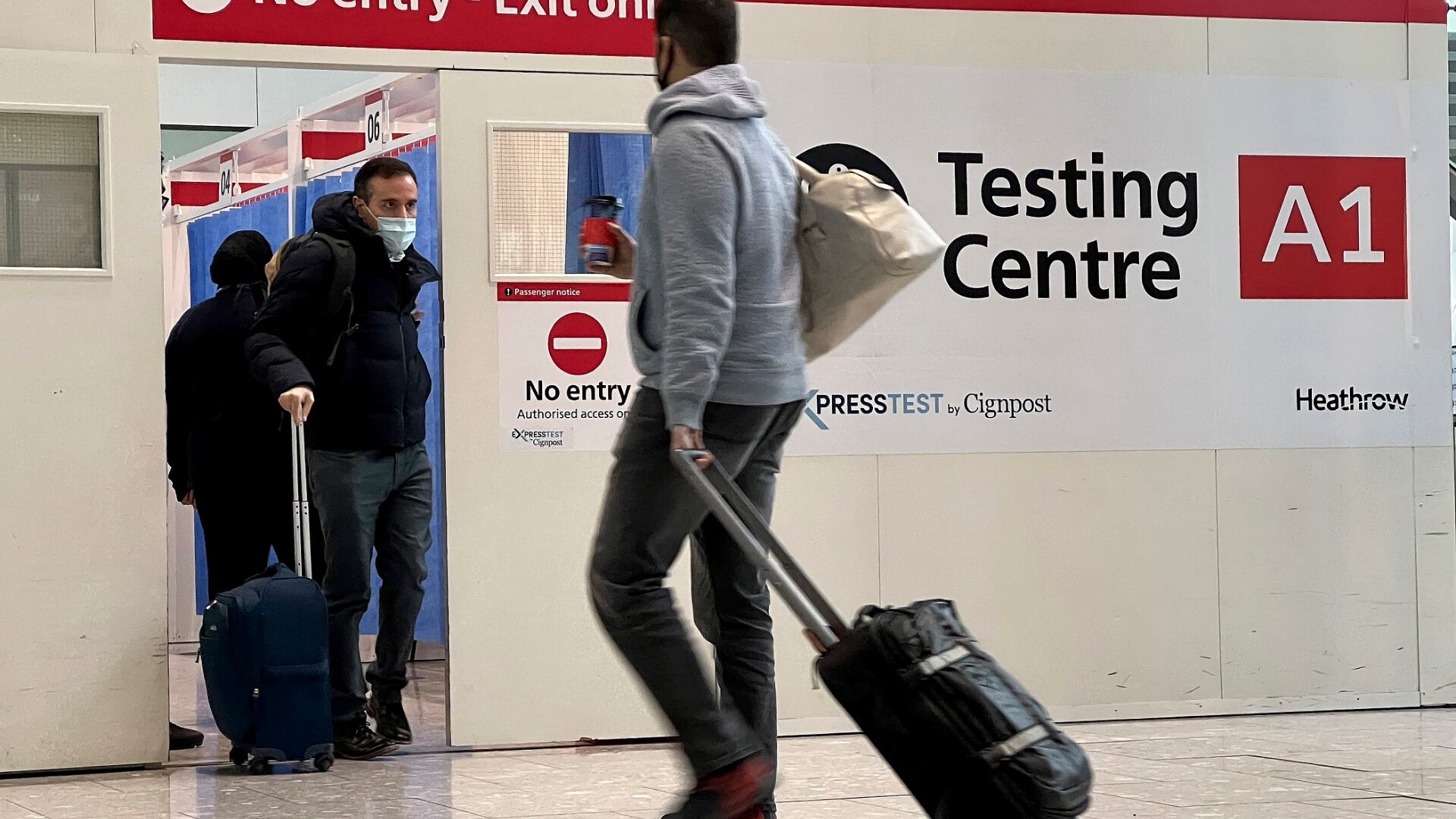
With the emergence of the omicron variant, the U.S. is considering tightening international travel guidelines. The CDC said it might reduce the window for foreign travelers to submit a negative COVID-19 test from three days prior to one day before allowing entry.
Jill and Carlo cover the latest on Omicron, another school shooting in America and more. Plus, bidding farewell to 'transitory' inflation, and the controversy surrounding 'Lovely Bones' author Alice Sebold.
Disparities in tree coverage across America is a huge issue that affects air quality, heat exposure, and ultimately determines how resilient communities are against climate change. The Build Back Better Act is allocating $2.5 billion to boost 'tree equity.' Lemir Teron, assistant professor at SUNY College of Environmental Science and Forestry, joins Cheddar News to explain why this is a priority for Democrats today.