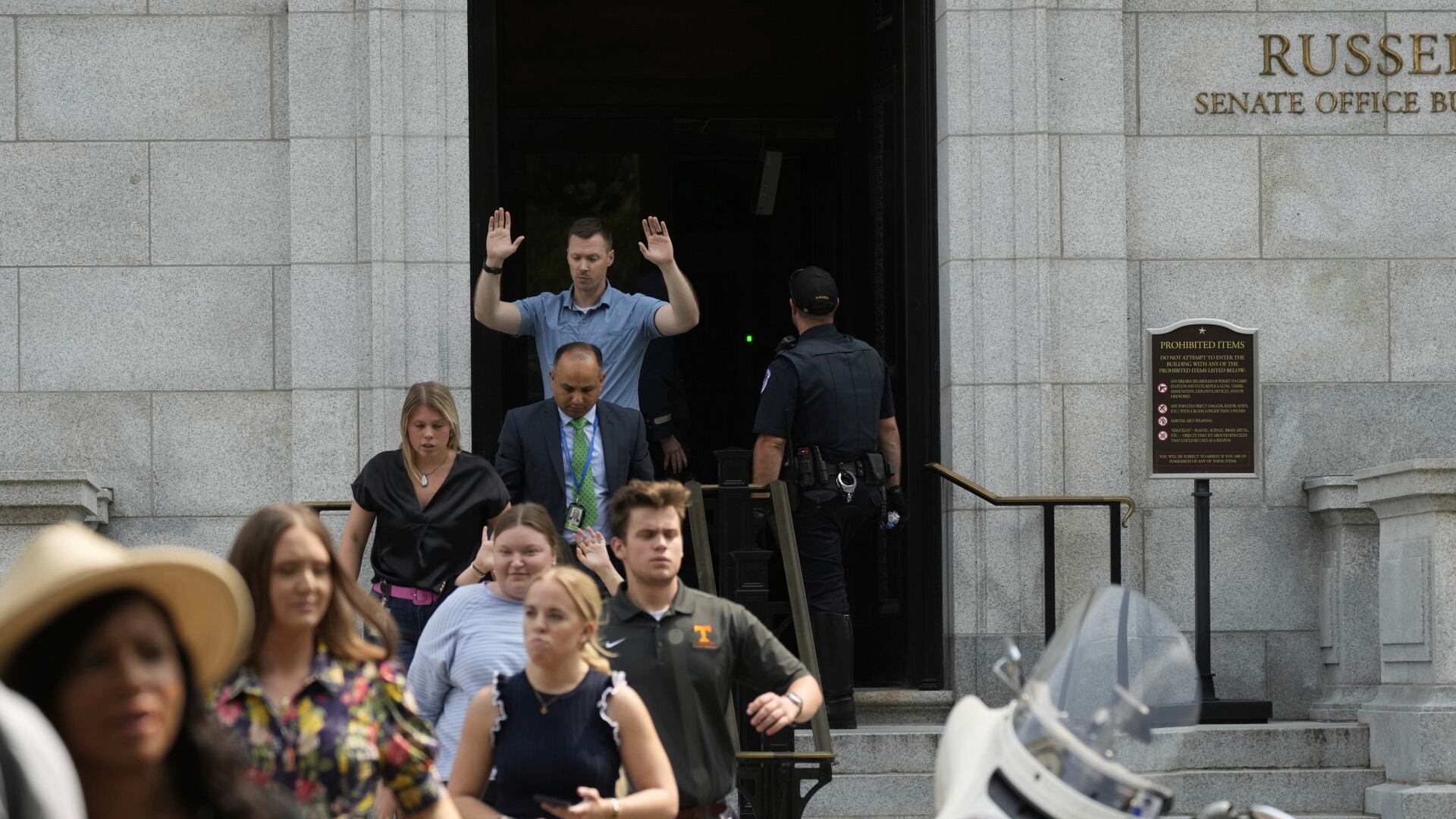
Government staffers walk out of the Russell Senate Office Building, Wednesday, Aug. 2, 2023, on Capitol Hill in Washington. Authorities issued a shelter-in-place order and began searching Senate office buildings near the U.S. Capitol Wednesday afternoon amid reports of an active shooter. (AP Photo/J. Scott Applewhite)
Authorities issued a shelter-in-place order and searched Senate office buildings near the U.S. Capitol Wednesday afternoon after a 911 call warned of a possible active shooter. But a floor-by-floor search of the three buildings found nothing, and Capitol Police Chief Tom Manger said the cause of the security scramble “may have been a bogus call.”
“We found nothing concerning,” he said. “We got nobody who actually heard shots and certainly no victims.”
The incident comes amid heightened security concerns created by former President Donald Trump’s indictment on charges relating to his attempts to overturn the results of the 2020 presidential election. Trump is due in federal court Thursday just a few blocks from the Capitol.
Manger said Washington's multiple law enforcement agencies had been planning “for a couple weeks now” for a possible indictment and had “a security plan in place” in case Trump supporters attempt to disrupt the legal proceedings.
The lockdown Wednesday started when local police received a call around 2:30 Wednesday afternoon warning of a “heavyset Hispanic male wearing body armor” inside the Hart Senate Office Building, one of three structures near the Capitol housing offices for senators and their staffs.
Capitol Police began a search, going floor by floor through the massive buildings.
Inside the Russell Senate Office Building, officers evacuated the hallways and shouted at people to run outside and away from the building. Outside, tourists watched as dozens of police cars surrounded the area. Staff and journalists working in the building received an email instructing them to take shelter in a locked room, remain quiet and silence all electronics.
Manger said about 90 minutes later that all three Senate office buildings had been cleared and the call appeared to have been false.
Both the House of Representatives and the Senate are currently on recess and the office buildings are generally less crowded than usual.
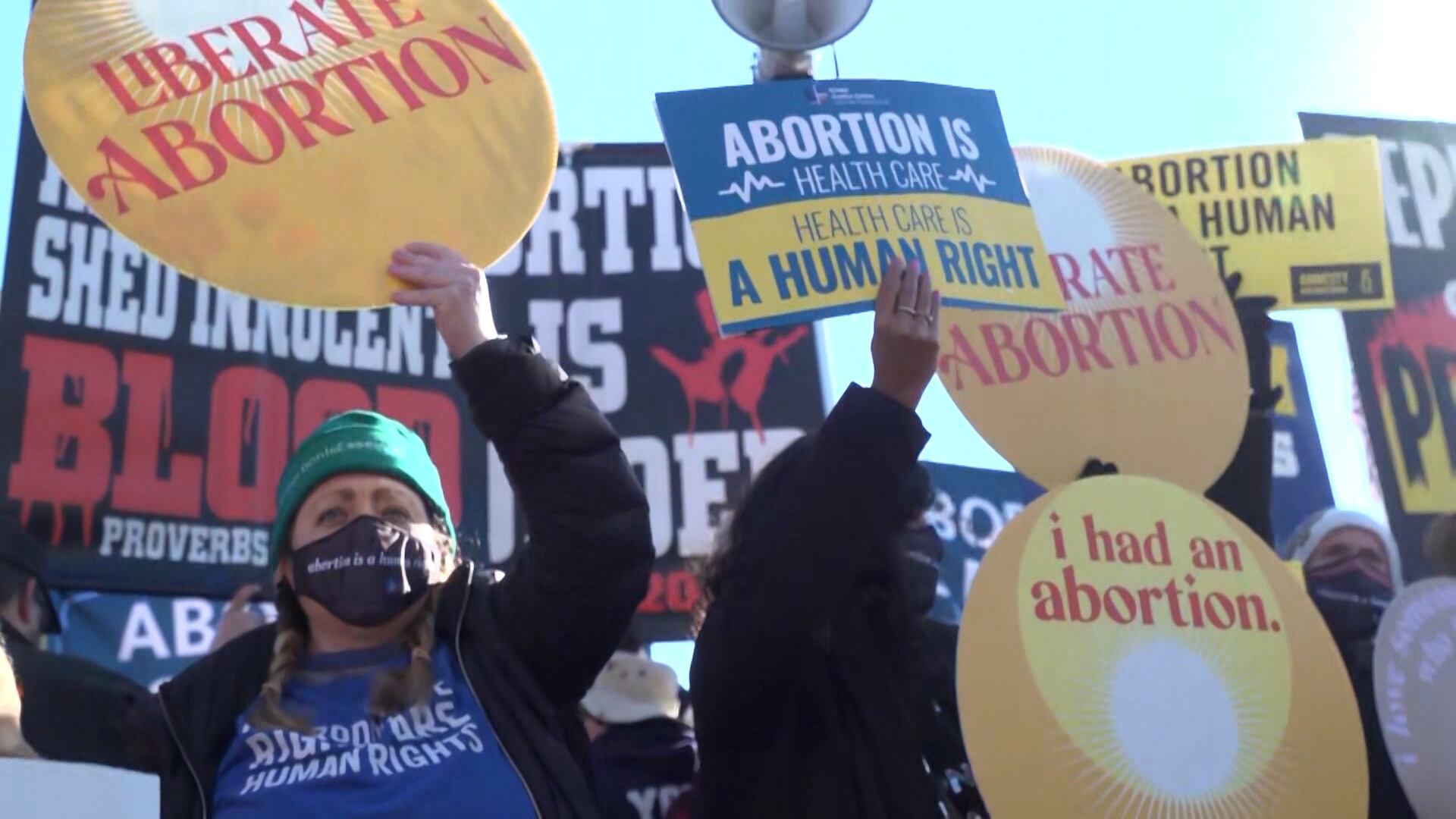
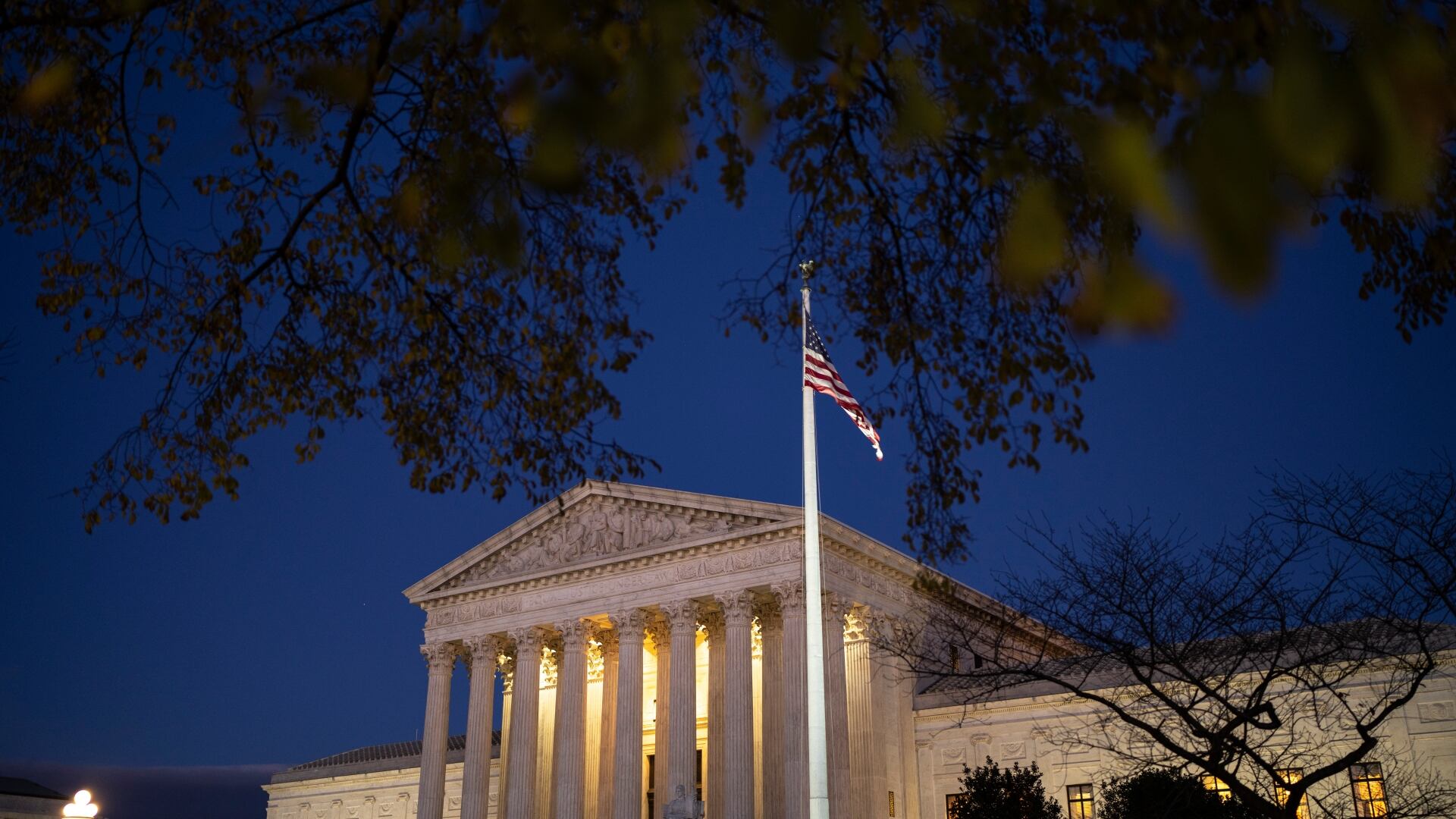
The Supreme Court appeared prepared Wednesday to uphold a Mississippi law that would ban almost all abortions after 15 weeks of pregnancy. The ruling is far from over, with Roe V. Wade at risk. Susan Rinkunas, senior reporter at Jezebel, joins Cheddar News to share the developments of the hearing.
The nine justices heard arguments Wednesday, around a Mississippi abortion law that bans the procedure after 15 weeks and appeared to lean toward upholding the law, while leaving uncertainty about the landmark precedent, Roe v. Wade. Kristin Ford, vice president of communications and research at NARAL Pro-Choice America joins Cheddar News to discuss.
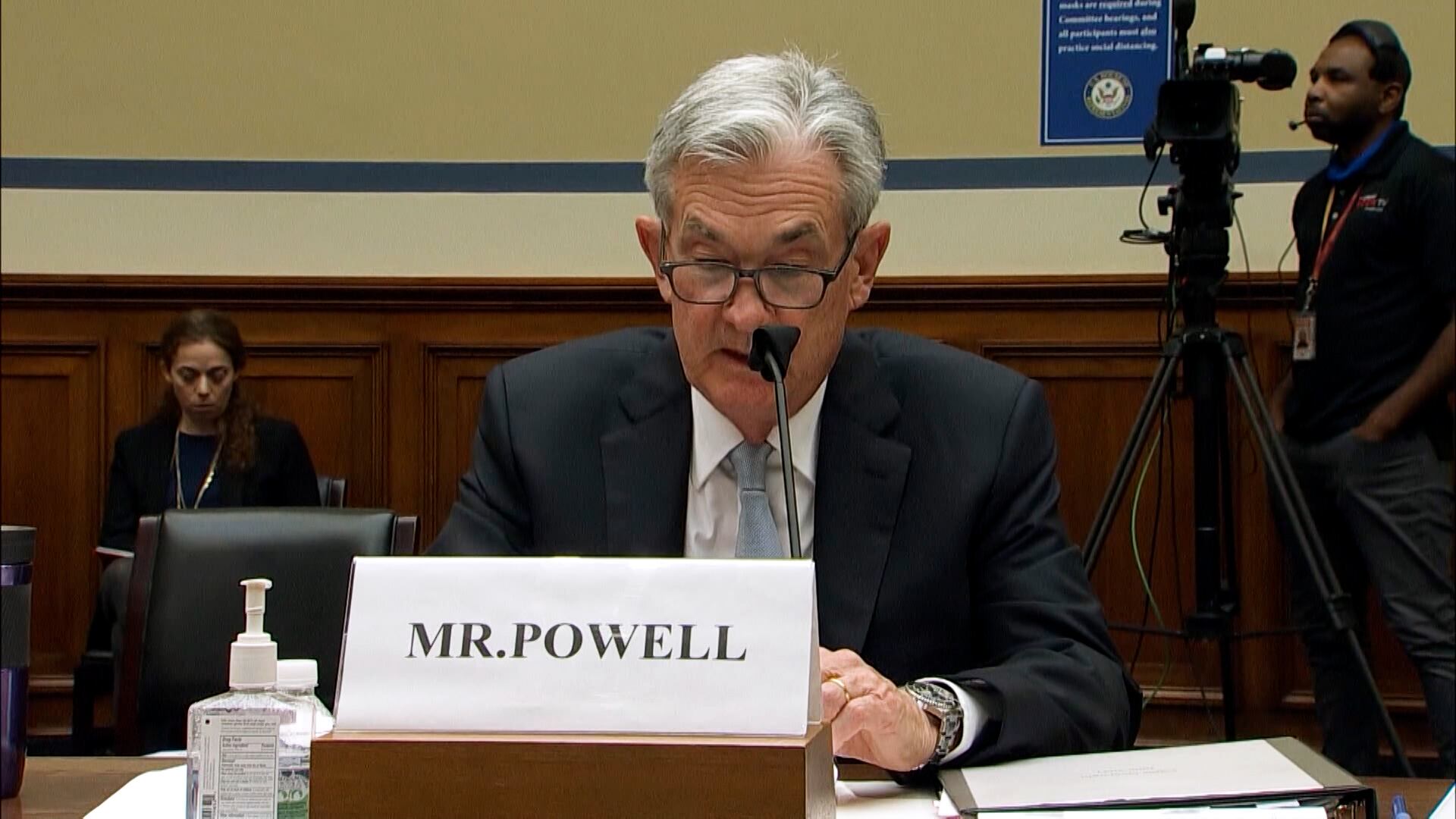
Just about a week after being re-nominated, Federal Reserve Chair Jermone Powell is changing his tune. After nearly a year of referring to inflation as 'transitory,' Powell said he will retire the 'T' word as inflation remains elevated. Christopher Russo, Post-Graduate Research Fellow, Mercatus Center joined Cheddar's Opening Bell to discuss.
Airbnb has come under fire after an Axios report found that the rental company has properties available in China's Xinjiang region where the nation has been accused of committing genocide against Uyghur Muslims, demolishing their homes, and replacing them with tourist attractions.
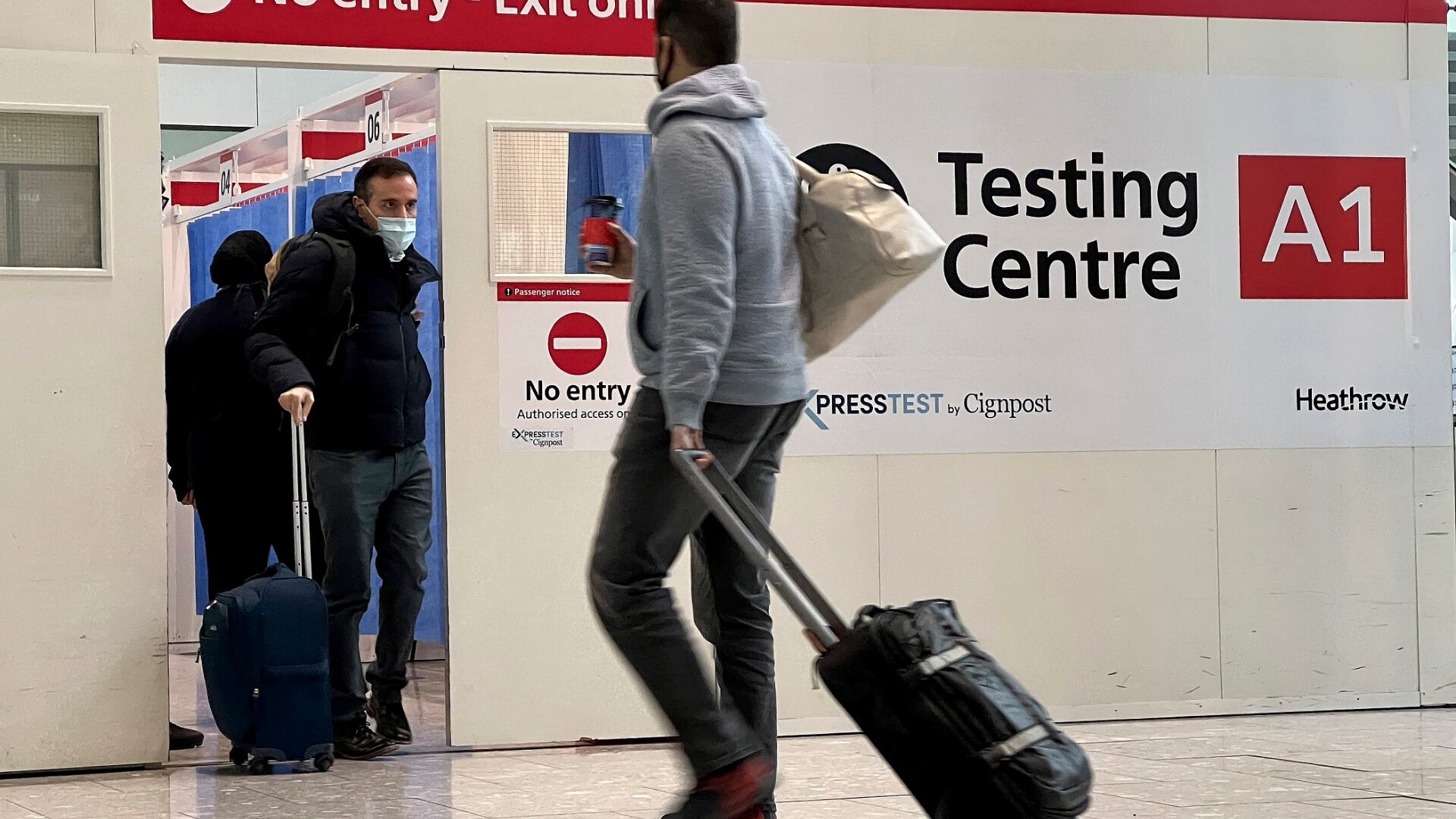
With the emergence of the omicron variant, the U.S. is considering tightening international travel guidelines. The CDC said it might reduce the window for foreign travelers to submit a negative COVID-19 test from three days prior to one day before allowing entry.
Jill and Carlo cover the latest on Omicron, another school shooting in America and more. Plus, bidding farewell to 'transitory' inflation, and the controversy surrounding 'Lovely Bones' author Alice Sebold.
Disparities in tree coverage across America is a huge issue that affects air quality, heat exposure, and ultimately determines how resilient communities are against climate change. The Build Back Better Act is allocating $2.5 billion to boost 'tree equity.' Lemir Teron, assistant professor at SUNY College of Environmental Science and Forestry, joins Cheddar News to explain why this is a priority for Democrats today.