*By Kate Gill*
After days of speculation, controversy, and protest, Brett Kavanaugh moved a big step closer to taking a seat on the Supreme Court after clearing a procedural vote in the Senate, and winning the support of moderate Republican Senator Susan Collins of Maine.
The Senate will hold a formal confirmation vote on Saturday, and barring a surprise change of heart by Republican Senators, Kavanaugh seems assured of the votes he needs.
Among the four Senators seen as possible swing votes, Fellow Republican Jeff Flake of Arizona said he would support Kavanaugh, as did Democrat Joe Manchin of West Virginia. Among the wavering Senators, only Lisa Murkowski (R-AK) seems likely to vote against him on Saturday. Murkowski was a no during the procedural vote, suggesting she has shifted her position on Kavanaugh's confirmation.
The 51-49 procedural vote may be the penultimate turn in Kavanaugh's bumpy ride to the nation's highest court, but any senator can change his or her mind in the final hour.
Senator Collins ー who had not previously declared her intention ー spoke on the Senate floor hours after the procedural vote, delivering a lengthy speech on her desire to confirm Kavanaugh and to put the debate to rest.
"We've heard a lot of charges and counter-charges about Judge Kavanaugh, but as those who have known him best have attested, he has been an exemplary public servant, judge, teacher, coach, husband and father," she said.
"Despite the turbulent, bitter fight surrounding his nomination, my fervent hope is that Brett Kavanaugh will work to lessen the divisions in the Supreme Court so that we have far fewer 5-4 decisions, and so that public confidence in our judiciary and our highest court is restored. Mr. President, I will vote to confirm Judge Kavanaugh."
Sen. Flake also indicated in a statement on Friday he will vote yes on Kavanaugh's confirmation, "unless something big changes."
Collins' unequivocal statement of support for Kavanaugh came just over a week after the nation was riveted by the public testimony of Dr. Christine Blasey Ford, who said Kavanaugh had sexually assaulted her when they were both in high school 36 years ago. After initially resisting calls to reopen the background investigation into Kavanaugh, Republicans on the Senate Judiciary Committee agreed last week to bring in the FBI to investigate Dr. Ford's allegations.
The FBI interviewed a small number of individuals but closed the investigation on Wednesday, producing a report that said the agency could find no evidence to corroborate Ford's accusations. Democrats and Ford's lawyers have criticized authorities for not interviewing her, or Kavanaugh, or any potential witnesses that might support Ford's account of a high school party, where the nominee allegedly assaulted her.
Following Friday's procedural vote, President Trump [tweeted](https://twitter.com/realDonaldTrump/status/1048226225196552193) that he was "very proud" of the Senate.
A new report by the Foreign Correspondents Club of China warns that press freedom in the most populous country in the world is declining at an alarming speed. Cheddar News speaks with Steven Butler, Asia Program Coordinator at the Committee to Protect Journalists, about the hardships journalists face in China.
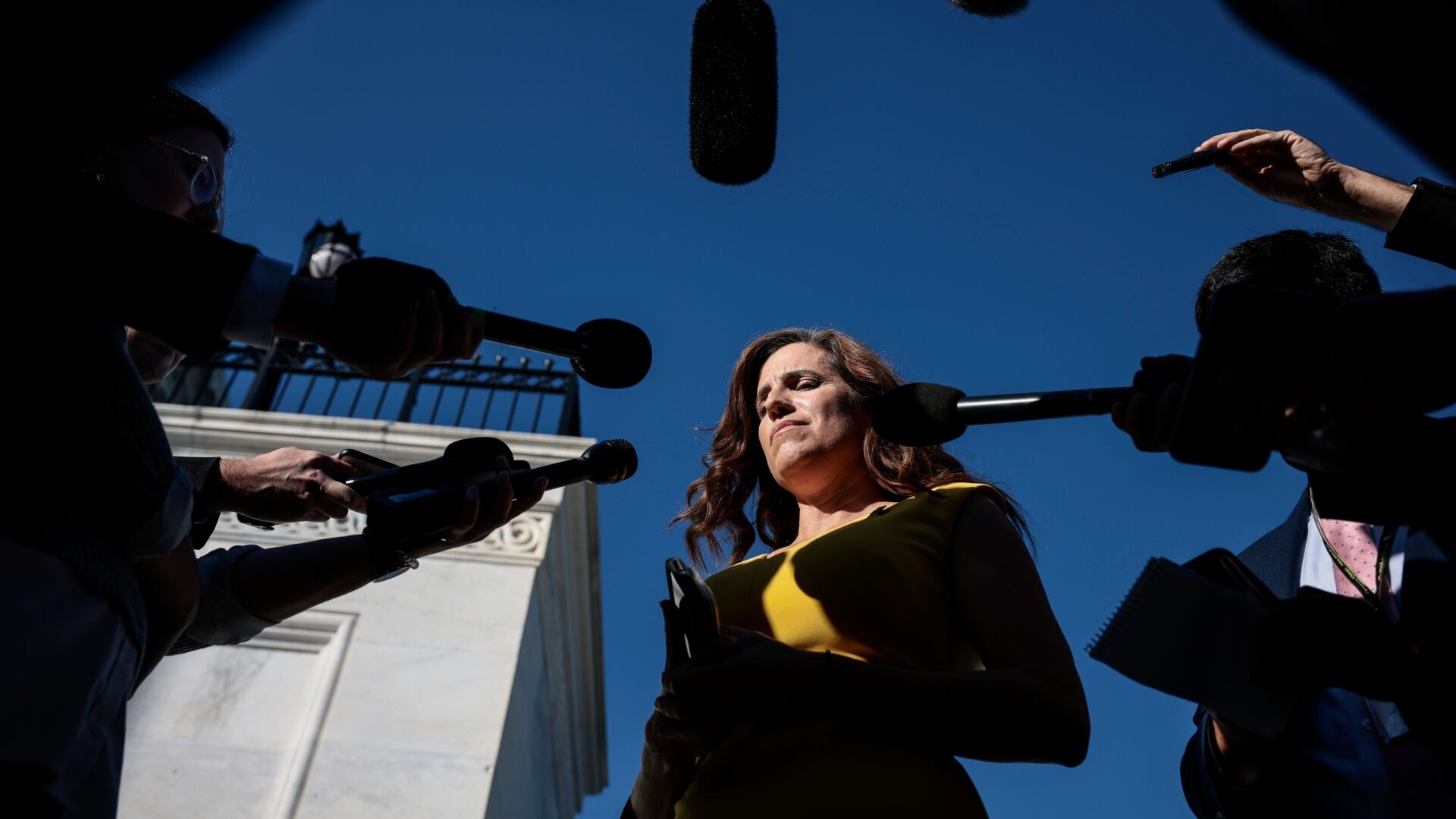
Rep. Nancy Mace (R-S.C. 1st District) joined Cheddar to discuss her cannabis legalization bill, the States Reform Act, and the prospects for gaining bipartisan support for a bill that has garnered the endorsement of e-commerce giant Amazon. This legislation is supported by businesses large and small, Amazon obviously being the most recent and largest business to support it," Mace said. "They don't want to sell pot. But what it does do is it affects their working employment pool." She stated that 10 percent of eligible new hires for Amazon are affected by restrictive marijuana laws. The representative also explained that the bill leaves equity provisions up to the states rather than mandating them on a federal level.
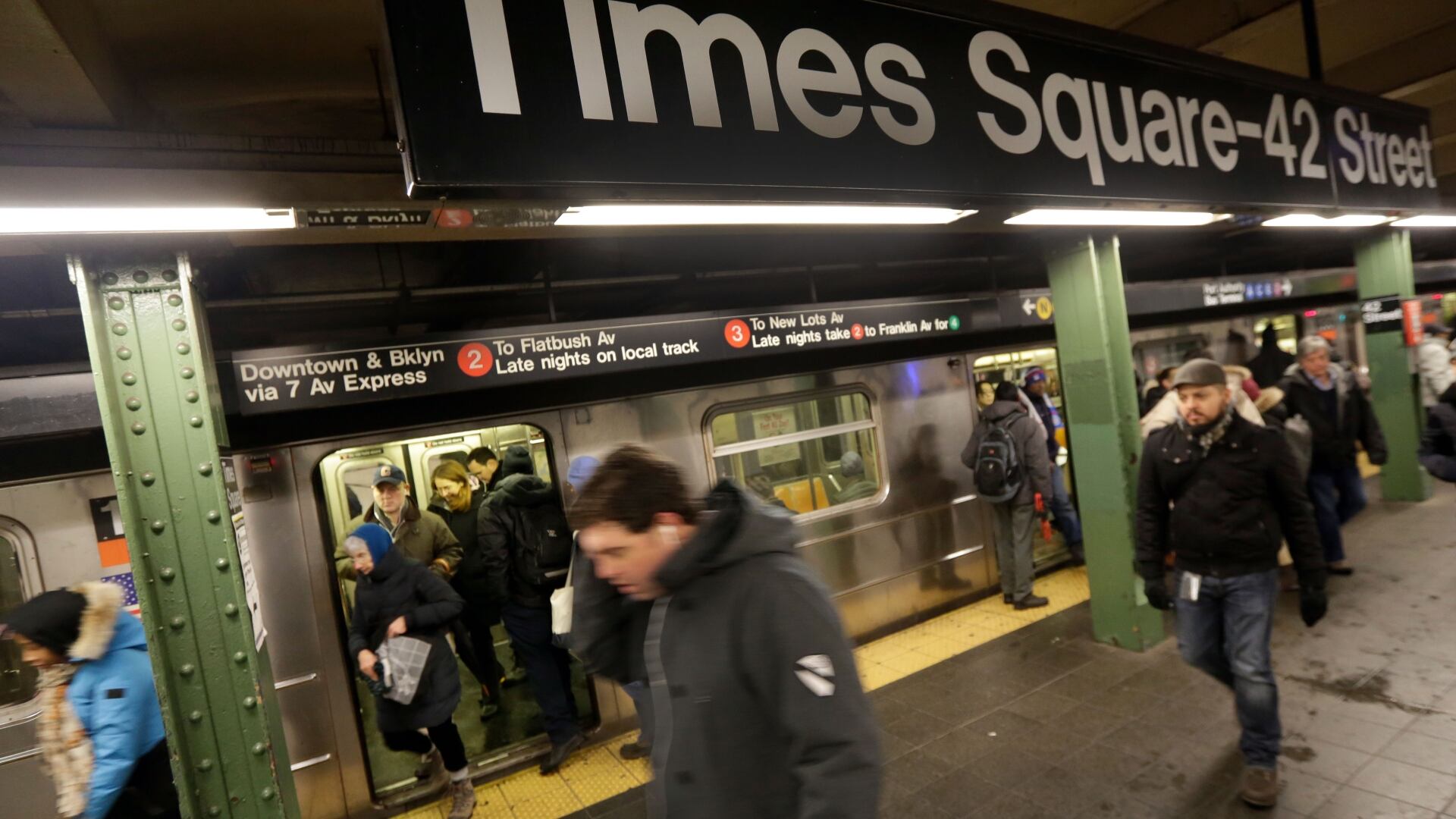
After a number of tragic subway incidents, the MTA is facing increased pressure to install subway platform screens to help prevent injury or death. However, according to an earlier report from the MTA, installing these prevented measures isn't feasible. New York City Council Member Keith Powers, joined Cheddar to discuss more.
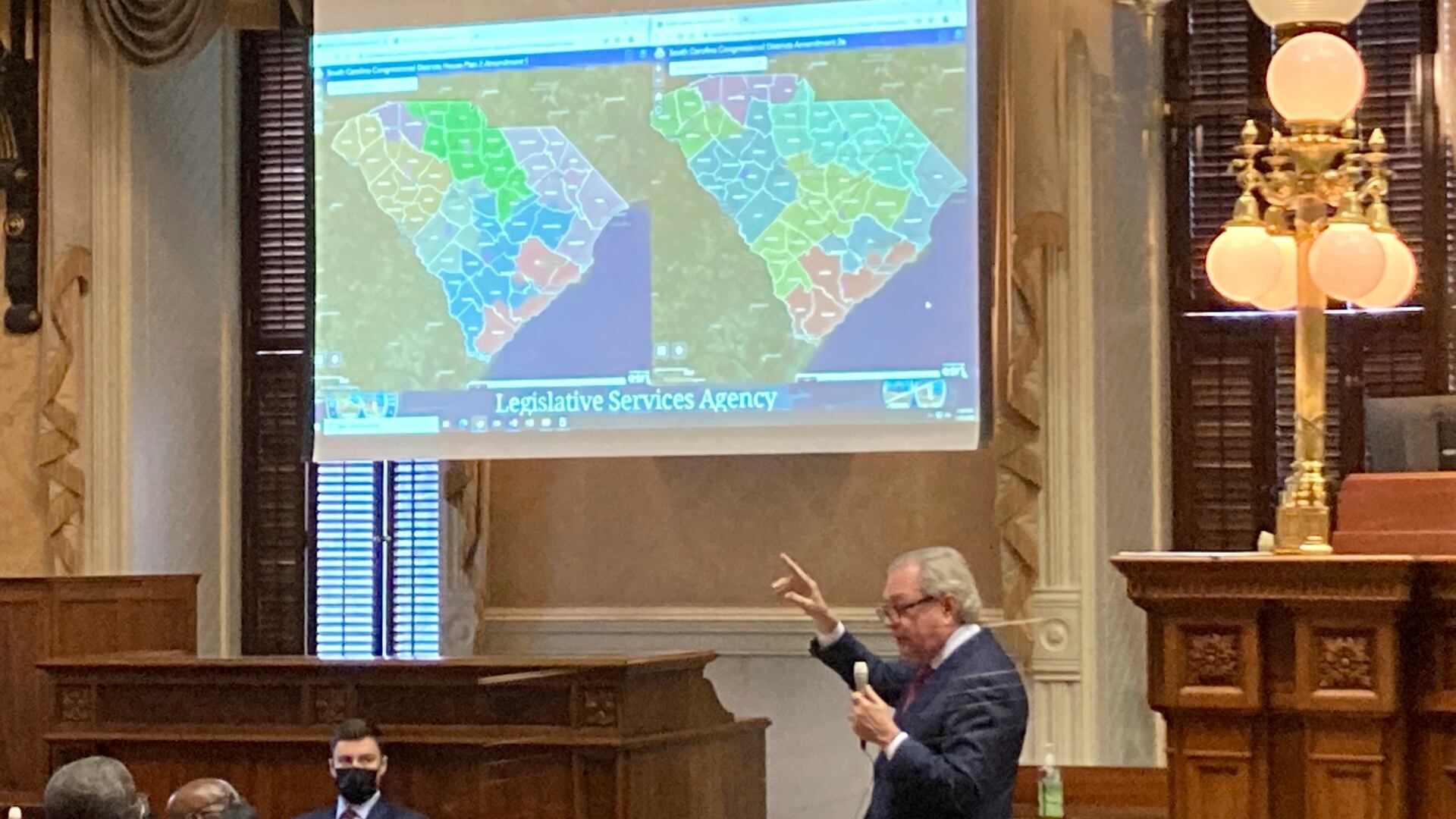
Across the country, states are working to redraw their congressional lines in what is often known as gerrymandering. These news lines are expected to determine the balance of power between Democrats and Republicans within the next decade. Senior Counsel for the Brennan Center's Democracy Program, Michael Li, joined Cheddar to discuss more.
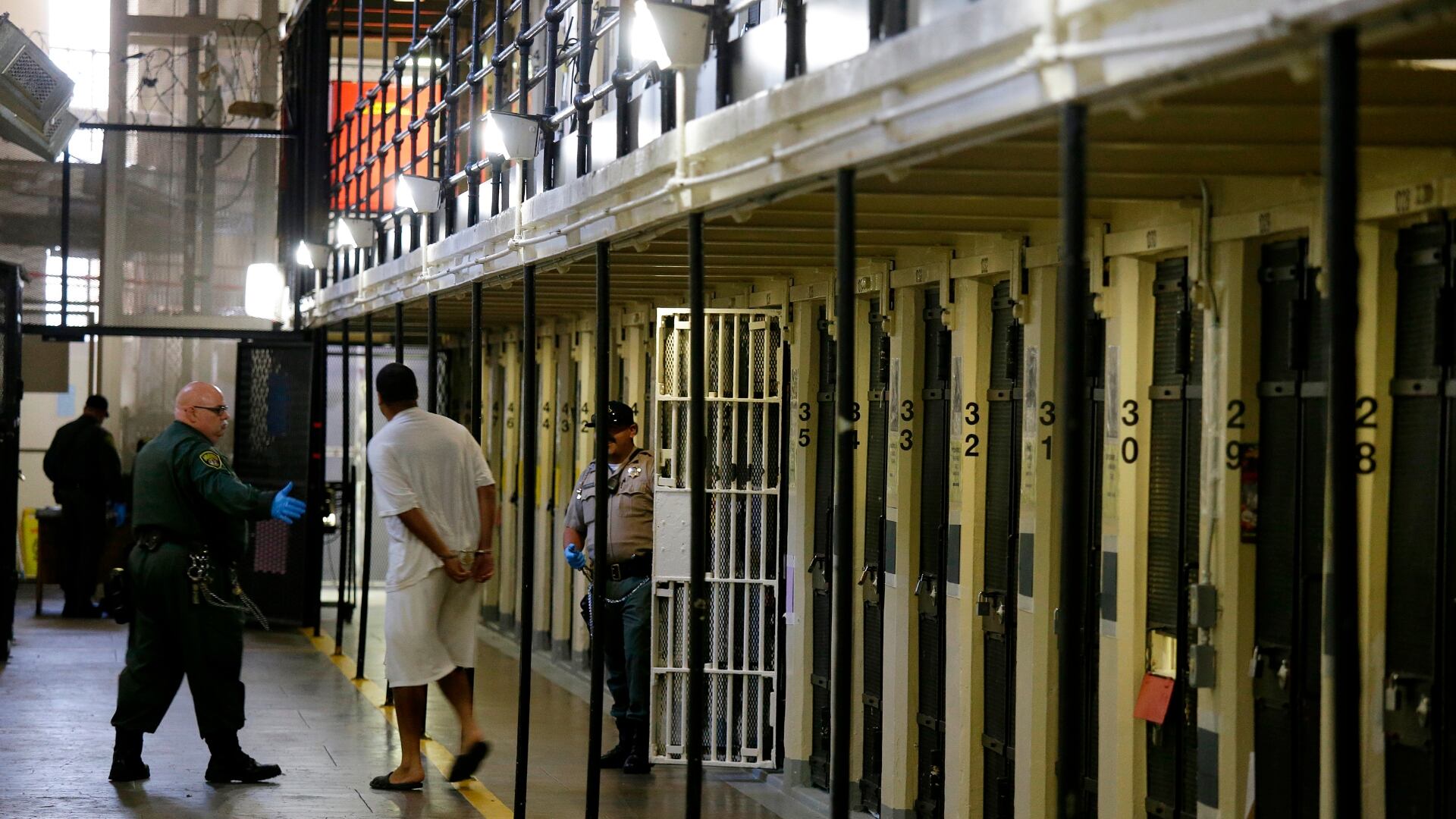
The state of California is officially planning to close its death row in the next two years. That state's governor Democrat Gavin Newsom says the plan is now to move all condemned inmates to other prisons and turn it into, as he calls it, a positive healing environment. Former U. S. Assistant Attorney and Legal Analyst, David Katz, joined Cheddar to discuss more.
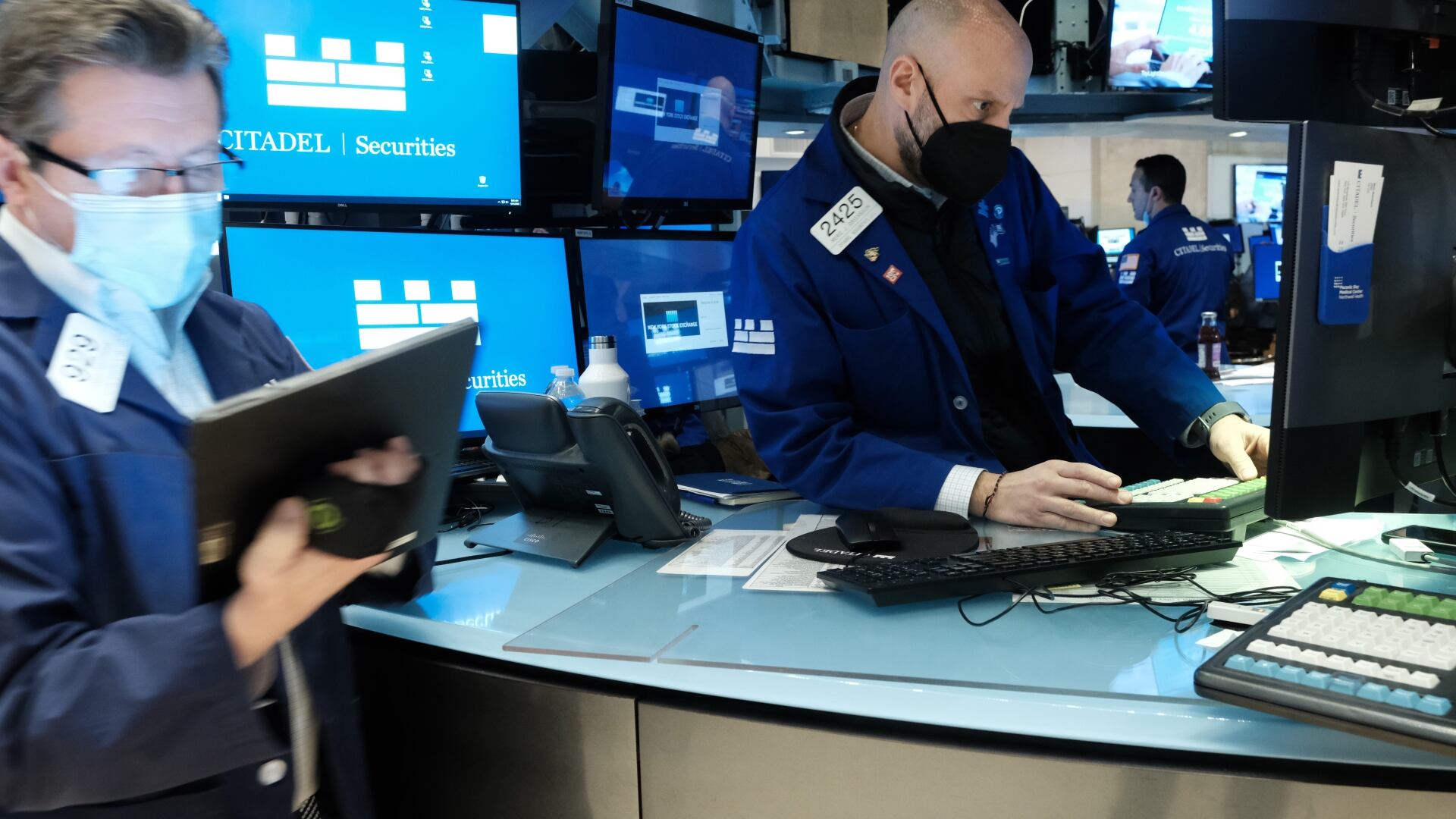
Anthony Saccaro, Founder and President of Providence Financial, joins Cheddar News' Closing Bell, where he elaborates on why he is excited that the market is beginning to rebound and believes February has the potential to be a good month after a turbulent January.
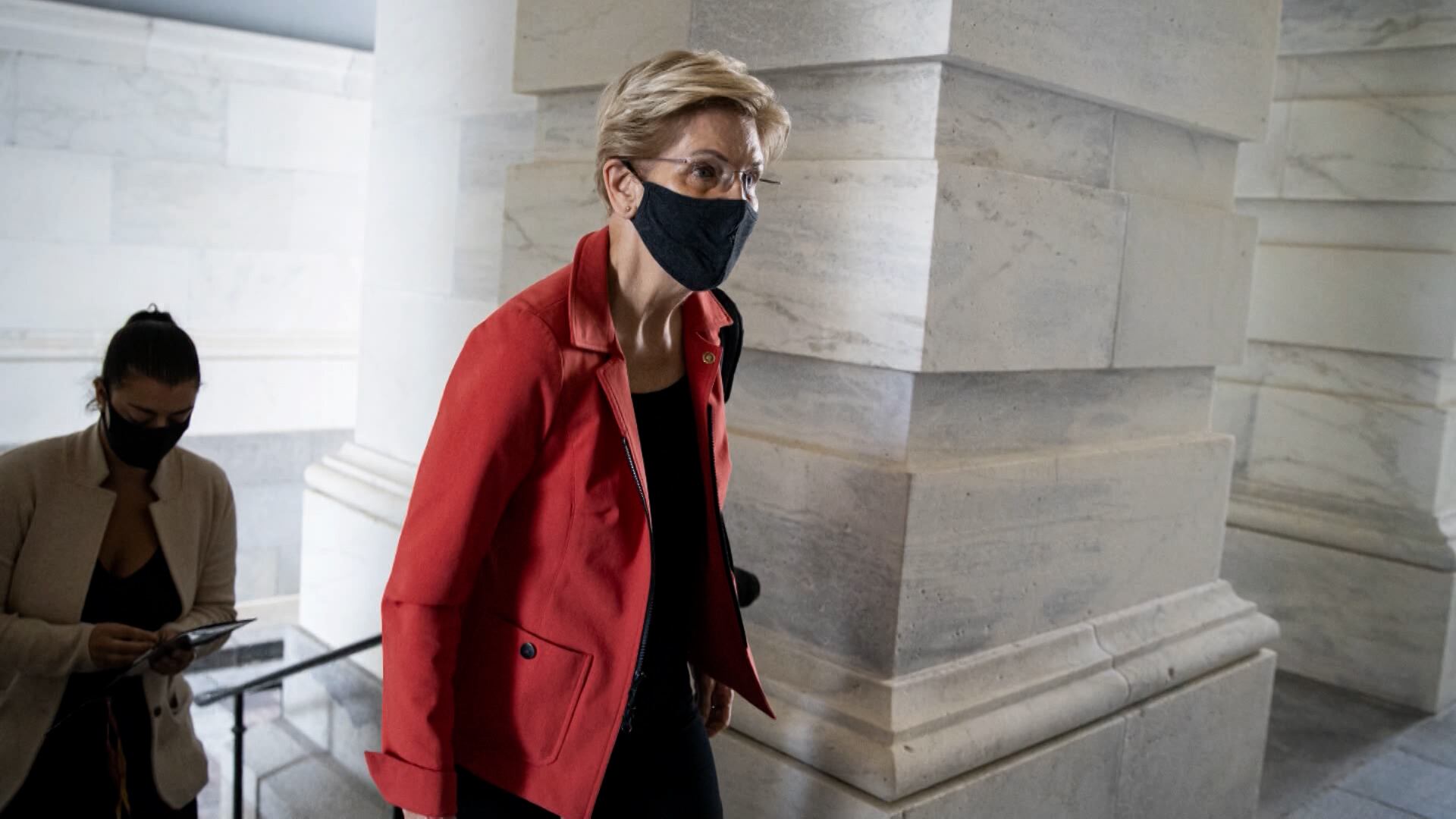
Cryptocurrency is expected to become a part of our daily lives — but what sort of environmental impact does it have? As the U.S. becomes the crypto mining capital of the world, climate advocates are worried about mining companies reopening old coal plants, using massive amounts of energy, wasteful hardware, and more. Congressional Democrats led by Senator Elizabeth Warren are demanding answers from mining firms about their electricity use and waste levels. John Belizaire, CEO of Soluna Computing, joins Cheddar Climate to discuss the congressional letters, how crypto mining can become a green industry, and more.
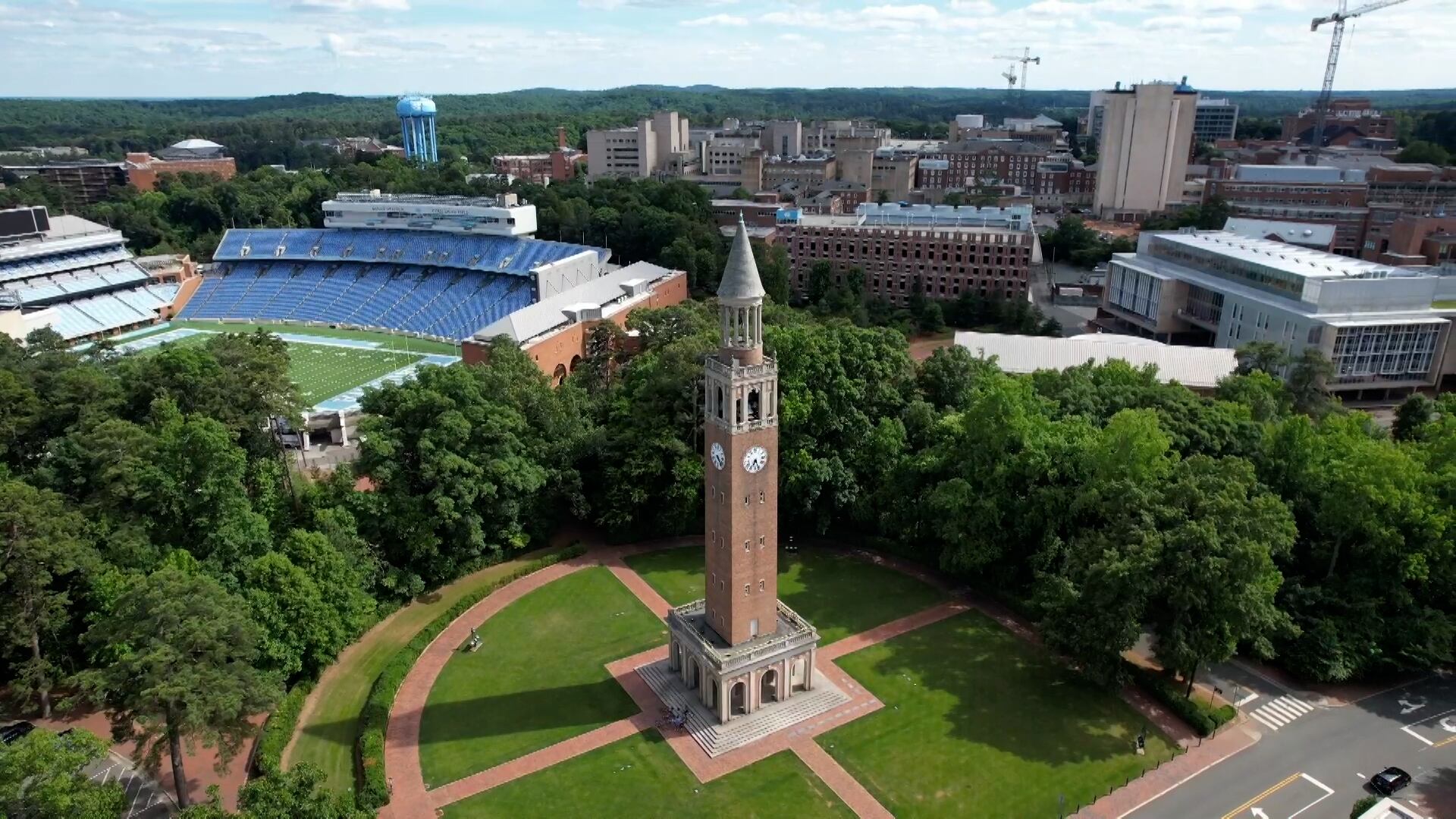
The Supreme Court will reconsider race-based affirmative action in college admissions. The court will examine admissions policies at Harvard University and The University of North Carolina Chapel Hill, which count the race of applicants as a factor in admissions. The court has upheld affirmative action policies in the past, saying it helps to create more diverse student bodies. However, the conservative Supreme Court could be skeptical and even possibly hostile to such policies. Nick Anderson, Higher Education Writer, Washington Post joined Cheddar's Opening Bell to discuss.