No fingerprints or DNA turned up on the baggie of cocaine found in a lobby at the White House last week despite a sophisticated FBI crime lab analysis, and surveillance footage of the area didn’t identify a suspect, according to a summary of the Secret Service investigation obtained by The Associated Press. There are no leads on who brought the drugs into the building.

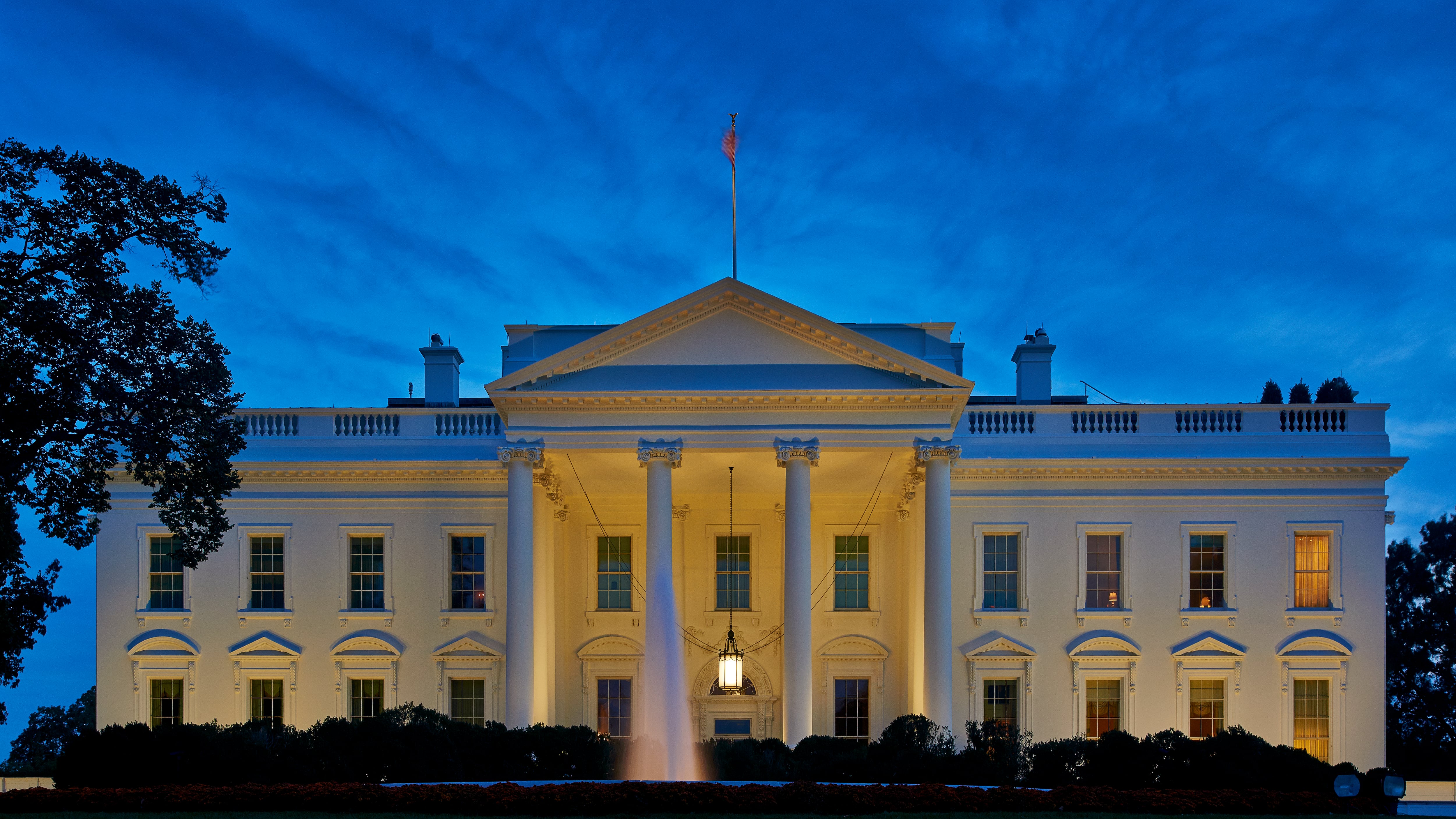
U.S. Secret Service agents found the white powder during a routine White House sweep on July 2, in a heavily trafficked West Wing lobby where staff go in and out, and tour groups gather to drop their phones and other belongings.

"Without physical evidence, the investigation will not be able to single out a person of interest from the hundreds of individuals who passed through the vestibule where the cocaine was discovered," Secret Service officials said in the summary.

It's most likely the bag was left behind by one of the hundreds of visitors who traveled in and out of the building over the weekend, according to a person familiar with the investigation who was not authorized to publicly discuss the ongoing probe and spoke to The Associated Press on condition of anonymity.

The presence of cocaine at the White House prompted a flurry of criticism and questions from Republicans, who requested a briefing Thursday on the probe. White House press secretary Karine Jean-Pierre said President Joe Biden believed it was “incredibly important” for the Secret Service to get to the bottom of how the drugs ended up in the White House. The Secret Service is responsible for securing the White House and led the investigation.

Biden wasn’t there at the time of the discovery. He was at Camp David with members of his family for the holiday weekend.

The complex was briefly evacuated as a precaution when the white powder was found. The fire department was called in to test the substance on the spot to determine whether it was hazardous, and the initial test came back negative for a biohazard but positive for cocaine.

The bag was sent for a secondary, more sensitive lab analysis. Homeland Security’s National Biodefense Analysis and Countermeasures Center analyzed the item for any biothreats. Tests conducted at the facility came back negative.

The cocaine and packaging underwent further forensics testing, including advanced fingerprint and DNA work at the FBI's crime laboratory, according to the summary. The FBI also did chemical testing.

Meanwhile, Secret Service investigators put together a list of several hundred individuals who may have accessed the area where the drugs were found. Anyone who comes through the White House must give identifying information and pass through security before entering.

But the lab results didn’t turn up latent fingerprints or DNA, so agents can’t compare anything to the possible suspect pool. White House staff are fingerprinted; participants in tour groups are not.

Video of the West Executive street lobby entrance did not identify the person or provide any solid investigative leads, the Secret Service said.

The lobby is open to staff-led tours of the West Wing, which are scheduled for nonworking hours on the weekends and evenings. Those tours are invitation-only and led by White House staff for friends, family and other guests. Most staffers who work in the complex can request an evening or weekend tour slot, but there is often a long wait list. There were tours on the day, a Sunday, the drugs were found, as well as on the two preceding days.

The Situation Room, where staffers would drop their phones before entering, has been undergoing construction work and was not in use at the time the baggie was found, National Security Adviser Jake Sullivan said last week.
Share:
More In Politics
New Rules for International Travelers When U.S. Lifts COVID Restrictions
Beginning in November, fully vaccinated international travelers will be able to enter the United States after months of travel restrictions. People under the age of 18 and those from countries without easy access to vaccines will not be required to be vaccinated but all travelers will need to show negative COVID test results before entering.
Apple Likely to Face Antitrust Lawsuit From Justice Department
Apple could soon face a Department of Justice antitrust lawsuit after intensifying its probe into the tech giant, according to a report. The added scrutiny comes after the tech giant had already faced questioning in Washington and concluded an antitrust case brought by Epic Games.
SPAC Linked to President Trump Sees Massive Boom
Last week, shares of Digital World Acquisition Corp skyrocketed after following Former Present Trump's announcement that he would be partnering with the company as part of a Special Purpose Acquisition Company, or SPAC. Christian Munafo, Chief Investment Officer of Liberty Street Advisors and portfolio Manager of the Private Shares Fund broke down the latest, including whether or not Wall Street is currently experiencing a SPAC boom.
Dow, S&P 500 Hit Record Close as Stocks End Monday Higher
Stocks began the week on a high note, with two indexes - the Dow and the S&P 500 - each closing at a record high. Brian Levitt, Global Market Strategist at Invesco, joins Cheddar News' Closing Bell, where he explains why the conditions were in place for a jump during the session and provides insight on inflation concerns in the United States.
Evaluating Future Path for Cryptocurrencies as Bitcoin ETFs Go Public
The price of Bitcoin hit a new all-time high last week following the Wall Street debut of ProShares Bitcoin Strategy ETF. Todd Cipperman, Founding Principal for Cipperman Compliance Services, joins Cheddar News' Closing Bell, where he explains why ProShares' ETF got off to a hot start while Valkyrie's Bitcoin Strategy ETF, which debuted just days later, did not.
Facebook Criticisms Reach 'Boiling Point' With Calls for New Laws, Investigation
Rishi Bharwani, the director of partnerships and policy for nonprofit Accountable Tech, joined Cheddar to discuss the hot button topic of regulatory oversight of social media giant Facebook. Bharwani discussed the bipartisan pieces of legislation already making their way through Congress and said the body should pass stronger data privacy laws, ban surveillance advertising, and require meaningful accountability and transparency from the company. "Now I think we've reached a boiling point where congressional action is needed and inaction is no longer acceptable," he said. Bharwani also called for a concurrent investigation into Mark Zuckerberg's company.
Siemens U.S. CEO Calls for Large Climate Commitments at COP26 Talks
The United Nations COP26 climate talks are scheduled for October 31 to November 12 in Glasgow, Scotland. Heads of state will be joined by private sector leaders to once again discuss the shrinking window of time left to take action against global temperature rise. Barbara Humpton, CEO of focused technology company Siemens U.S., is also attending and spoke to Cheddar about what she hopes to see during the conference for both the public and private spheres. "What we are really urging is that there are large commitments made in Glasgow and that we really commit to this next decade of action," she said.
Supreme Court to Review Texas Abortion Law in November
Jessica Mason Pieklo, Senior Vice President and Executive Editor at Rewire News Group and co-host of the Rewire News Group podcast, 'Boom! Lawyered,' joins Cheddar News to discuss the Supreme Court decision to hear Texas abortion ban cases on Monday, November first and the complicated timeline of legal challenges up to this point.
Load More