Credit: Image by Erik Pronske Photography via Getty Images
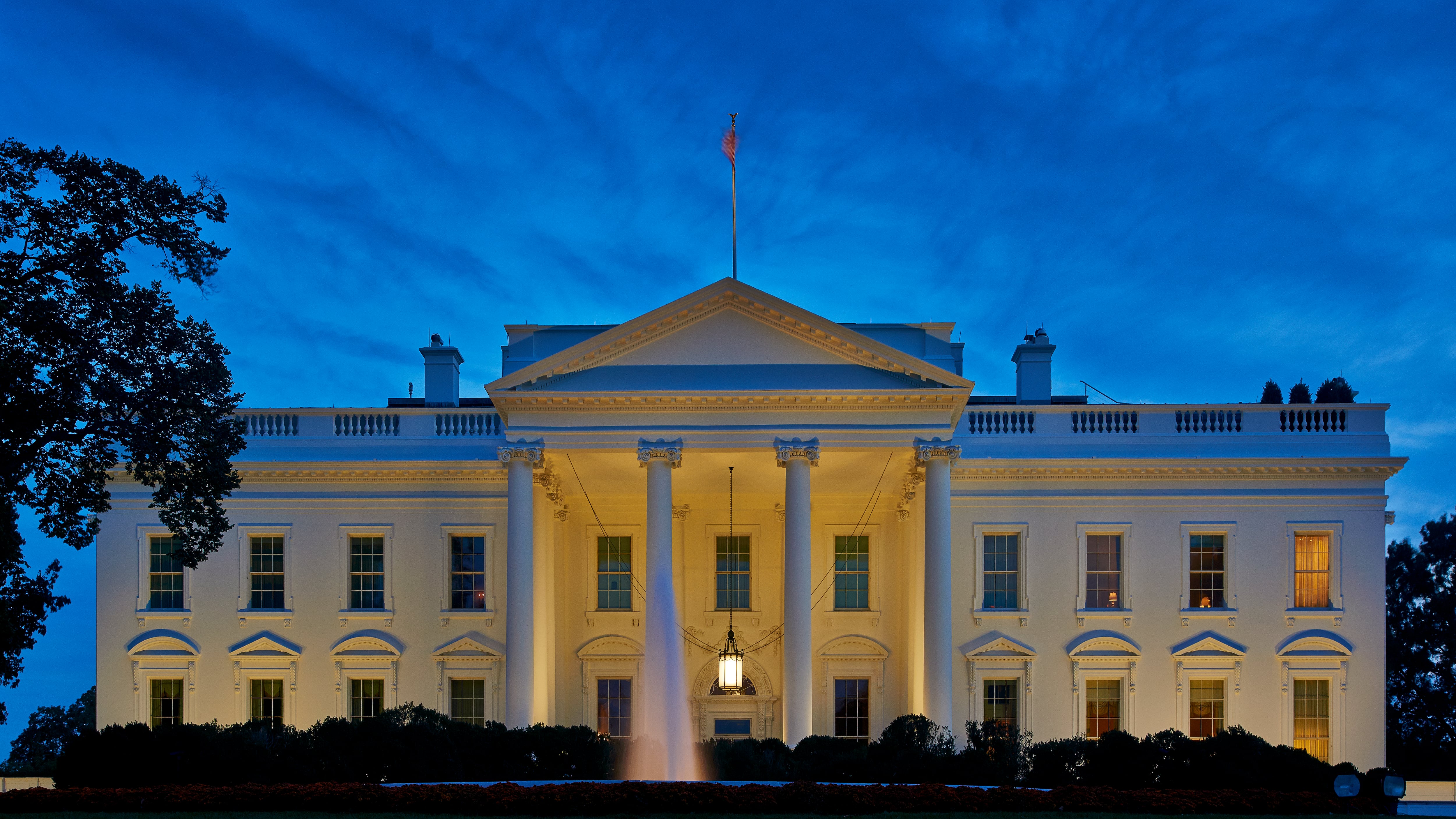
No fingerprints or DNA turned up on the baggie of cocaine found in a lobby at the White House last week despite a sophisticated FBI crime lab analysis, and surveillance footage of the area didn’t identify a suspect, according to a summary of the Secret Service investigation obtained by The Associated Press. There are no leads on who brought the drugs into the building.
U.S. Secret Service agents found the white powder during a routine White House sweep on July 2, in a heavily trafficked West Wing lobby where staff go in and out, and tour groups gather to drop their phones and other belongings.
"Without physical evidence, the investigation will not be able to single out a person of interest from the hundreds of individuals who passed through the vestibule where the cocaine was discovered," Secret Service officials said in the summary.
It's most likely the bag was left behind by one of the hundreds of visitors who traveled in and out of the building over the weekend, according to a person familiar with the investigation who was not authorized to publicly discuss the ongoing probe and spoke to The Associated Press on condition of anonymity.
The presence of cocaine at the White House prompted a flurry of criticism and questions from Republicans, who requested a briefing Thursday on the probe. White House press secretary Karine Jean-Pierre said President Joe Biden believed it was “incredibly important” for the Secret Service to get to the bottom of how the drugs ended up in the White House. The Secret Service is responsible for securing the White House and led the investigation.
Biden wasn’t there at the time of the discovery. He was at Camp David with members of his family for the holiday weekend.
The complex was briefly evacuated as a precaution when the white powder was found. The fire department was called in to test the substance on the spot to determine whether it was hazardous, and the initial test came back negative for a biohazard but positive for cocaine.
The bag was sent for a secondary, more sensitive lab analysis. Homeland Security’s National Biodefense Analysis and Countermeasures Center analyzed the item for any biothreats. Tests conducted at the facility came back negative.
The cocaine and packaging underwent further forensics testing, including advanced fingerprint and DNA work at the FBI's crime laboratory, according to the summary. The FBI also did chemical testing.
Meanwhile, Secret Service investigators put together a list of several hundred individuals who may have accessed the area where the drugs were found. Anyone who comes through the White House must give identifying information and pass through security before entering.
But the lab results didn’t turn up latent fingerprints or DNA, so agents can’t compare anything to the possible suspect pool. White House staff are fingerprinted; participants in tour groups are not.
Video of the West Executive street lobby entrance did not identify the person or provide any solid investigative leads, the Secret Service said.
The lobby is open to staff-led tours of the West Wing, which are scheduled for nonworking hours on the weekends and evenings. Those tours are invitation-only and led by White House staff for friends, family and other guests. Most staffers who work in the complex can request an evening or weekend tour slot, but there is often a long wait list. There were tours on the day, a Sunday, the drugs were found, as well as on the two preceding days.
The Situation Room, where staffers would drop their phones before entering, has been undergoing construction work and was not in use at the time the baggie was found, National Security Adviser Jake Sullivan said last week.
As we move into the colder months in the U.S., health experts are warning of a more active flu season than last year, sounding the alarm on what many are calling a 'twindemic.' Dr. Syra Madad, infectious disease epidemiologist, joined Cheddar's 'Search for the Cure' to discuss the intersection of the flu season with the Covid-19 pandemic.
Schools across the country could expect to see billions of dollars towards providing a more accessible Universal Pre-K program. Steven Barnett, Board of Governors Professor and Director of the National Institute for Early Education Research at Rutgers University, joined Cheddar News to discuss more.
The Fifth Circuit Court of Appeals court temporarily held up President Biden's vaccine mandate for workplaces with more than 100 employees as the various lawsuits challenging it are combined. Marjorie Mesidor, a partner at the law firm Phillips & Associates, PLLC, joined Cheddar to break down the arguments in play. "They [the Biden Administration] say we have the authority to do this under the broad powers that are given under OSHA," she said. "What the Republic side then is saying, no, this is overbroad."
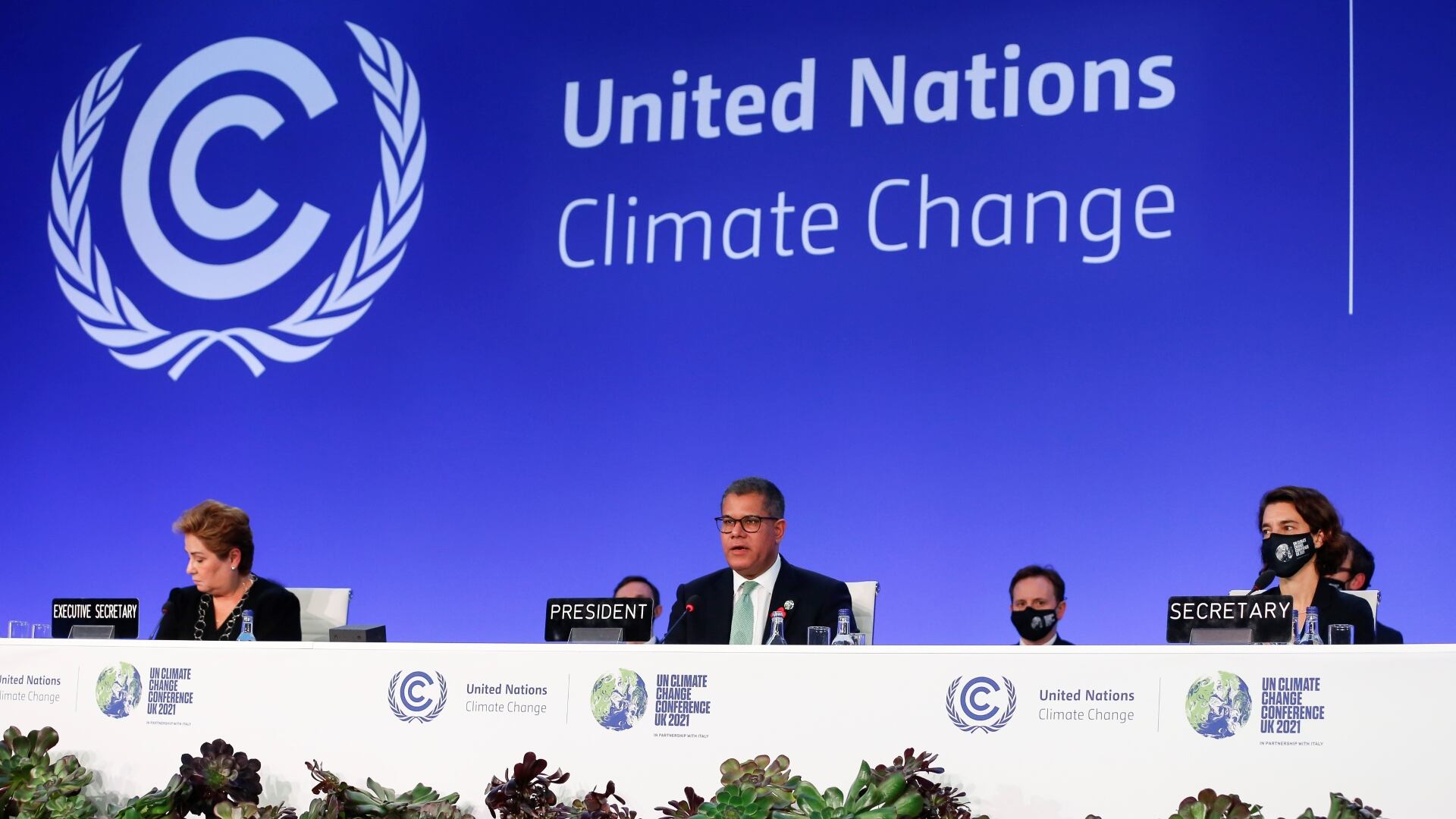
The UN climate summit wrapped up over the weekend after days of negotiations over the summit's final agreement. The agreement pushes countries to reassess their climate goals by the end of next year, do more for countries facing the worst effects of climate change, and also calls for a "phase down" of coal and other fossil fuel subsidies. The White House praised the agreement, but underscored the feelings of many world leaders by saying it isn't enough.
Deborah Brosnan, climate expert and president of Deborah Brosnan and Associates, joined Cheddar's News Wrap to discuss.
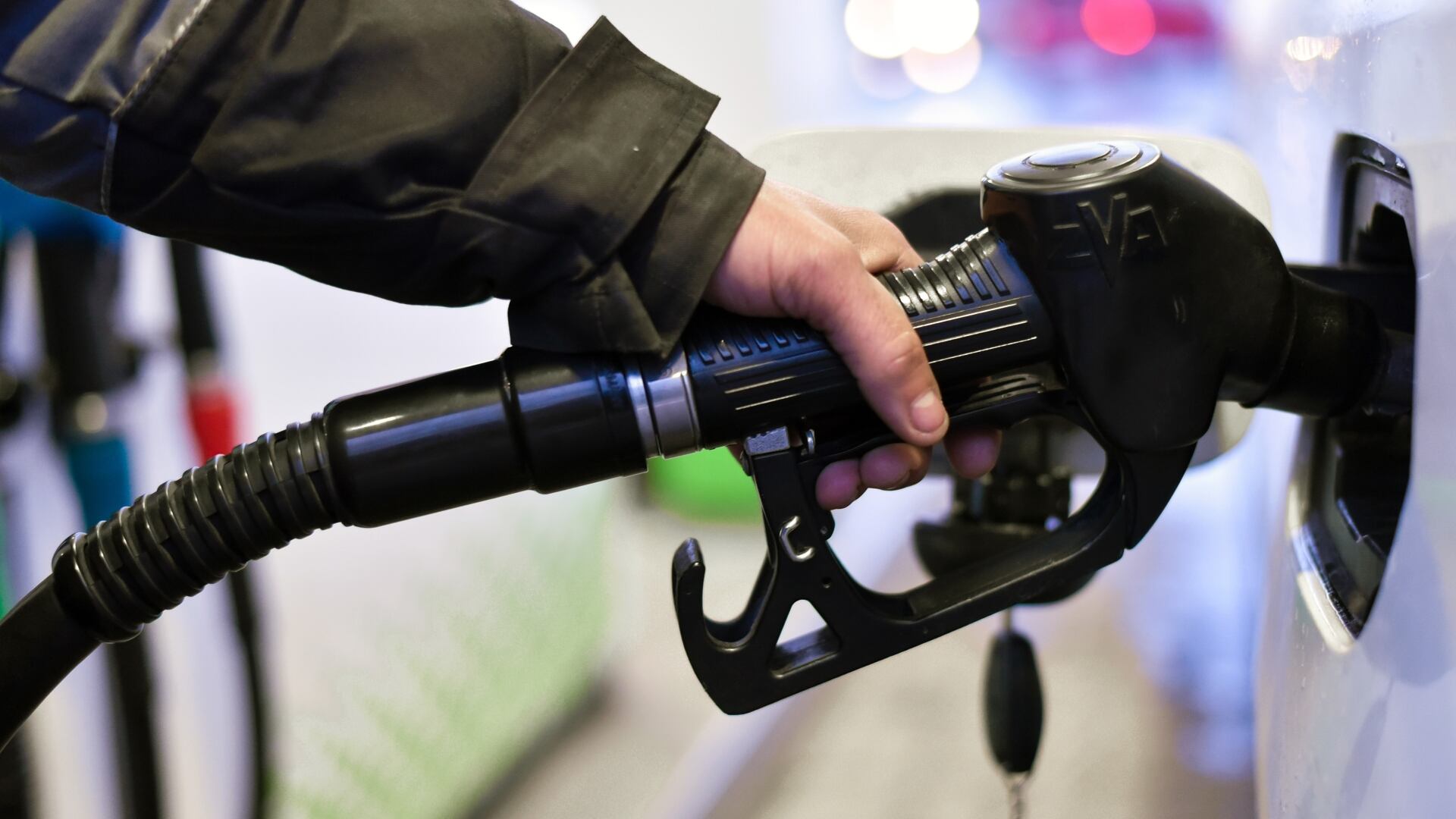
President Biden is under some pressure from members of his own party over rising gas prices. Senate Majority Leader Chuck Schumer has called for the president to utilize oil reserves to lower gas prices ahead of the holiday season, as gas prices are currently at a seven-year high. Energy Workforce & Technology Council CEO Leslie Beyer joins Cheddar News' Closing Bell to discuss.
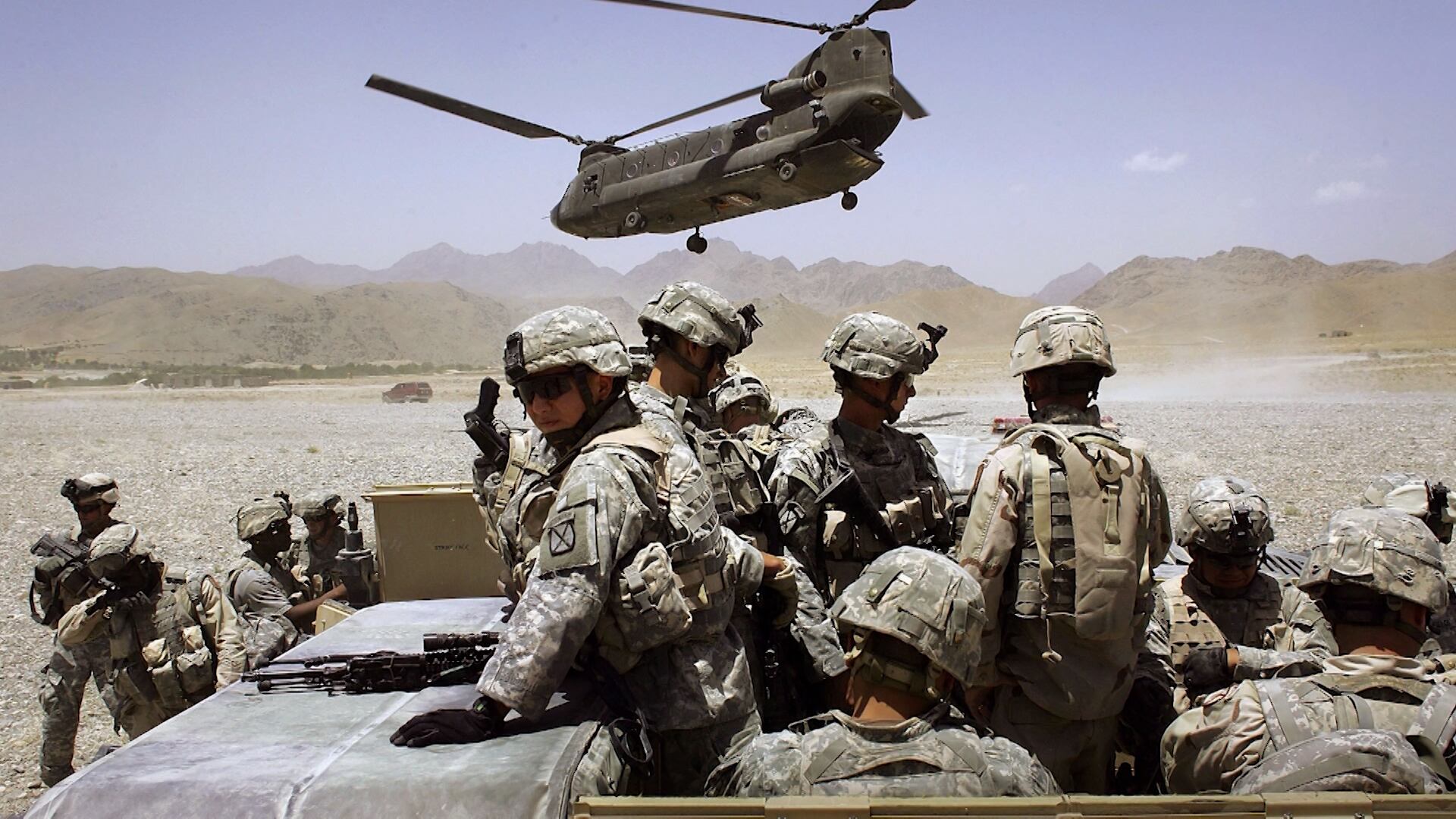
The men's brand Harry's is teaming up with Stop Soldier Suicide and Headstrong to help provide mental health support with a $500,000 financial commitment. The withdrawal of troops from Afghanistan triggered a range of mental health responses from veterans and active service members, as well as displaced refugees who are now acclimating to a new way of life. Maggie Hureau, Harry's head of social impact, joined Cheddar News to talk about the partnership and why Harry's chose to get involved in mental health care.
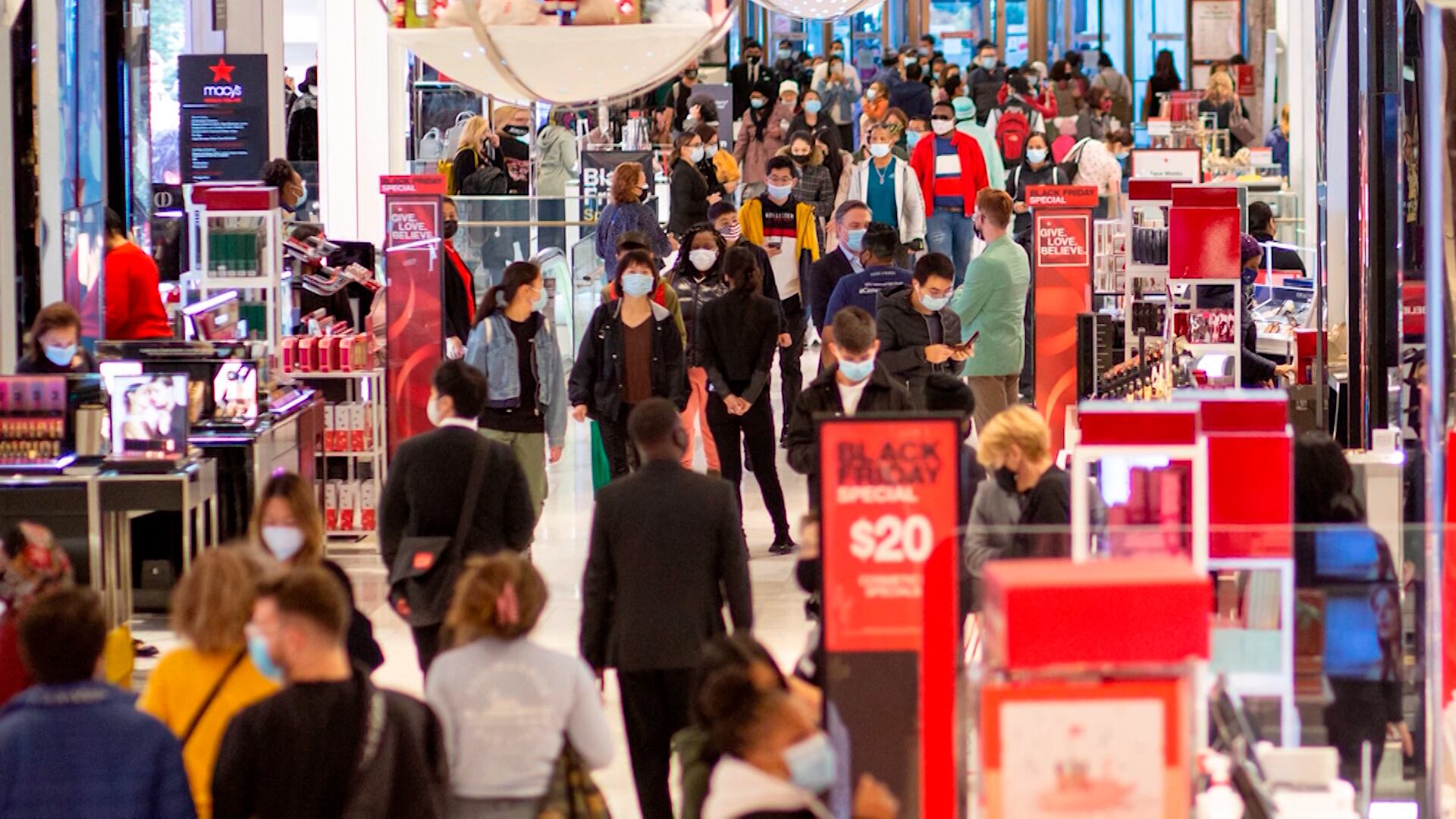
Inflation has risen to its highest level in 31 years, sending consumer prices on everything from groceries to gas to rent surging. For many businesses, that's good news as inflation typically means better profit margins. According to data from FactSet, nearly two out of three of the biggest U.S. publicly traded companies have reported fatter profit margins so far this year compared to the same stretch of 2019, before the pandemic. Gregory Daco, chief U.S. economist for Oxford Economics, breaks down how the top businesses are reaping the benefits of inflation, and when consumers can expect inflation to ease.
Meta, the parent company of Facebook, is facing a lawsuit from Ohio's attorney general Dave Yost, who said the company misled the public about safety on the platform.
Cases of covid-19 are climbing in the Upper Midwest, Southwest, and parts of the Northeast. The seven-day national average is sitting at roughly 82,000 new cases which is an 11 percent jump from the week before. Dr. Amesh Adalja, Infectious Disease, Specialist, Sr. Scholar at Johns Hopkins Center for Health Security joined Cheddar's Opening Bell to discuss this recent uptick ahead of the holiday season.