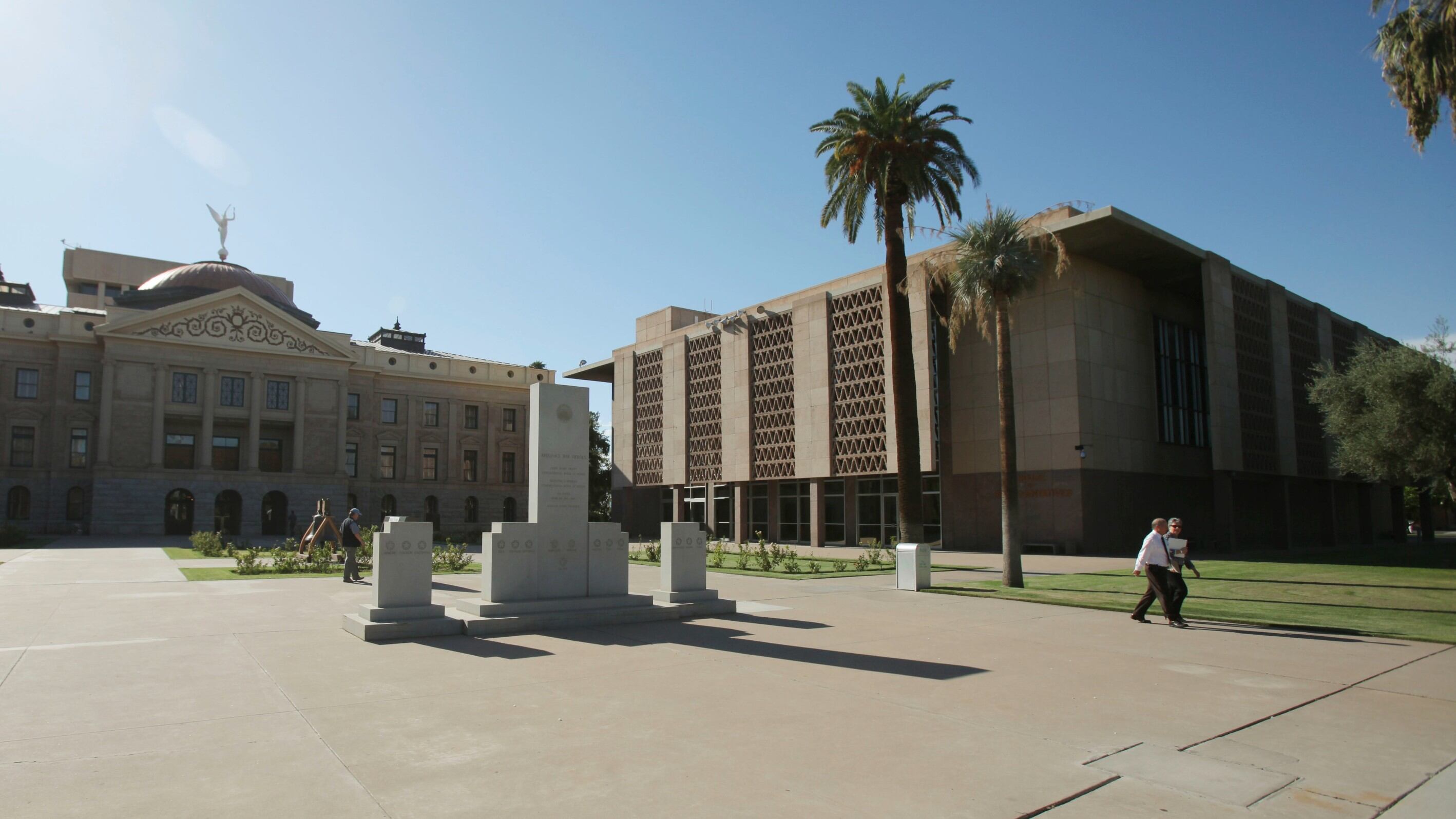
In this Sept. 10, 2009 photo, The Old Arizona Capitol Building, left, and the State House of Representatives building, right, is the center of a state government complex of buildings shown in Phoenix. (AP Photo/Ross D. Franklin, File)
A body has been found on the grounds of the Arizona State Capitol in Phoenix for the second time in less than two weeks, according to authorities.
Arizona Department of Public Safety officials said the body was discovered Monday morning in the west parking lot of the Capitol.
Public Safety officials are working to identify the body and how it ended up at the Capitol’s premises.
On July 26, another body was found outside the Capitol by Phoenix police. DPS, which has jurisdiction over state Capitol property, is investigating that case as well. The identity of that individual, as well as their cause of death, hasn't yet been released.
DPS didn’t immediately return a call seeking information about the two cases.
No fingerprints or DNA turned up on the baggie of cocaine found in a lobby at the White House last week despite a sophisticated FBI crime lab analysis, and surveillance footage of the area didn’t identify a suspect, according to a summary of the Secret Service investigation obtained by The Associated Press. There are no leads on who brought the drugs into the building.
Kamala Harris, who made history as the first woman or person of color to serve as vice president, has made history again by matching the record for most tiebreaking votes in the Senate.
Republicans on the House Judiciary Committee accused the agency of targeting conservatives, suppressing evidence that Covid-19 came from a lab leak and abusing its surveillance powers.
The Biden administration calls it a “student loan safety net.” Opponents call it a backdoor attempt to make college free. And it could be the next battleground in the legal fight over student loan relief.
Nearly 30,000 people in Mississippi were dropped from the state's Medicaid program after an eligibility review that the government ended during the pandemic.
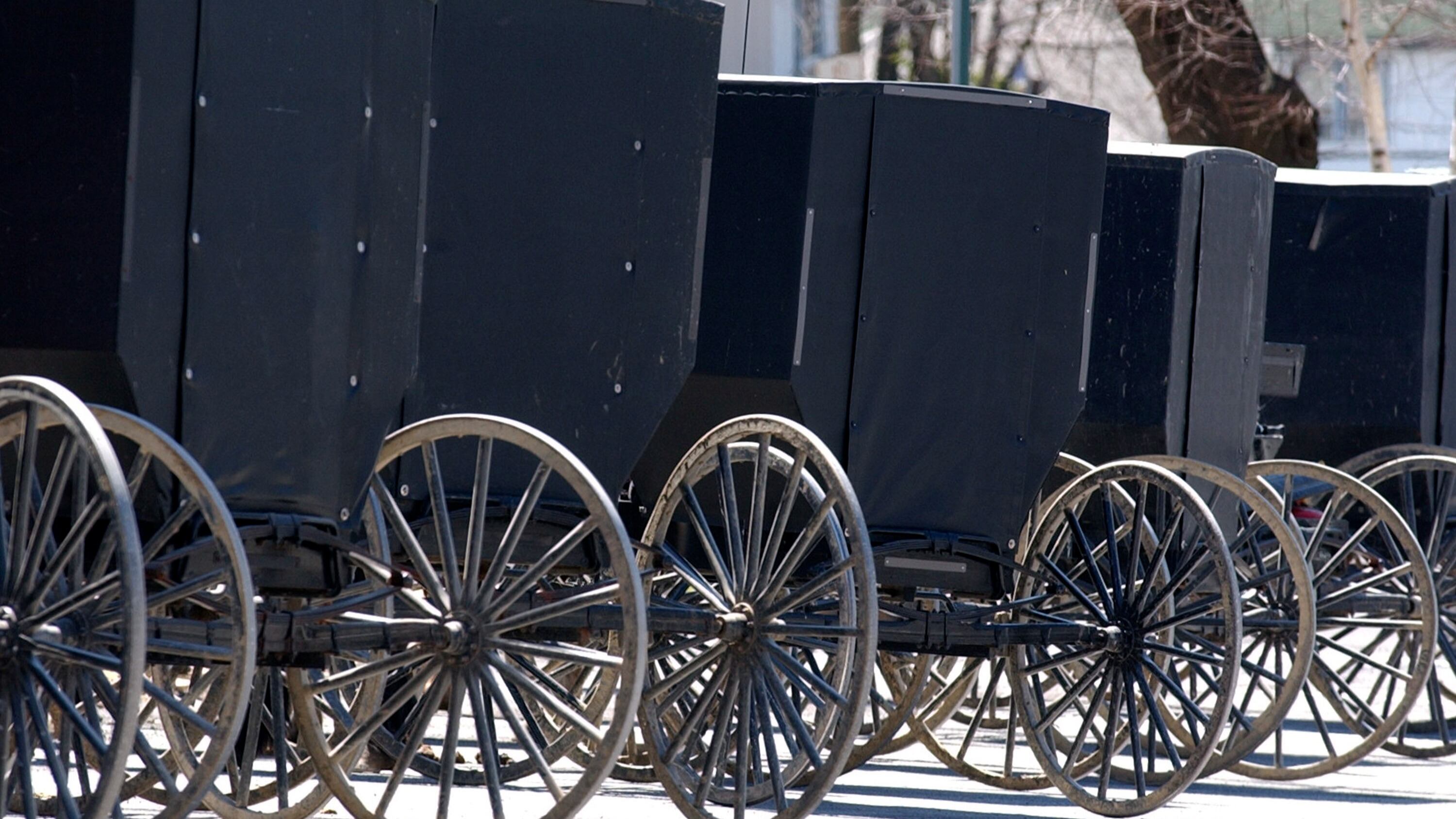
Members of a deeply conservative Amish community in Minnesota don't need to install septic systems to dispose of their “gray water,” the state Court of Appeals ruled Monday in a long-running religious freedom case that went all the way up to the U.S. Supreme Court.