The mobile phone icon for the Coinbase app is shown in this photo, in New York, Tuesday, April 13, 2021. The Securities and Exchange Commission is charging Coinbase with operating its crypto asset trading platform as an unregistered national securities exchange, broker, and clearing agency. (AP Photo/Richard Drew, File)
By Michelle Chapman
Coinbase has been targeted by U.S. regulators in a new lawsuit Tuesday that alleges the cryptocurrency platform is operating as an unregistered securities platform and brokerage service.
The lawsuit from the Securities and Exchange Commission comes only a day after it filed charges against Binance, the world's largest crypto exchange, and its founder Changpeng Zhao are accused of misusing investor funds, operating as an unregistered exchange and violating a slew of U.S. securities laws.
Coinbase shares plunged nearly 15% early Tuesday.
In its complaint, the SEC said Coinbase made billions acting as the middle man for cryptocurrency buyers and sellers but did not give investors lawful protections while acting as a broker.
“Coinbase has for years defied the regulatory structures and evaded the disclosure requirements that Congress and the SEC have constructed for the protection of the national securities markets and investors,” the SEC said in its complaint, which was filed in U.S. District Court for the Southern District of New York. It seeks injunctive relief, disgorgement of ill-gotten gains plus interest, penalties, and other equitable relief.
Coinbase said the SEC has not been transparent in how it regulates cryptocurrencies.
“The SEC’s reliance on an enforcement-only approach in the absence of clear rules for the digital asset industry is hurting America’s economic competitiveness and companies like Coinbase that have a demonstrated commitment to compliance," said Paul Grewal, chief legal officer and general counsel for Coinbase, said in a written statement. The solution is legislation that allows fair rules for the road to be developed transparently and applied equally, not litigation. In the meantime, we’ll continue to operate our business as usual.”
The SEC had warned Coinbase in March that it could face securities charges and had long signaled that Coinbase had been flouting securities laws with its position that cryptocurrencies were not securities and therefore did not need to register as a broker.
“You simply can’t ignore the rules because you don’t like them or because you’d prefer different ones: the consequences for the investing public are far too great,” said Gurbir S. Grewal, director of the SEC’s Division of Enforcement, in a prepared statement.
Catching you up on what you need to know on April 6, 2022, with updates on the FDA’s meeting to discuss a second COVID booster shot, more on the war in Ukraine, tornadoes on the Gulf coast, a third suspect arrested in connection to the mass shooting in California, Darwin’s lost notebooks mysteriously returned, and more.
General Motors and Honda are teaming up to produce more affordable electric vehicles. The two carmaking giant are looking to hit a price point of less than $30,000, a much lower price when compared to most other electric vehicles priced toward luxury buyers..
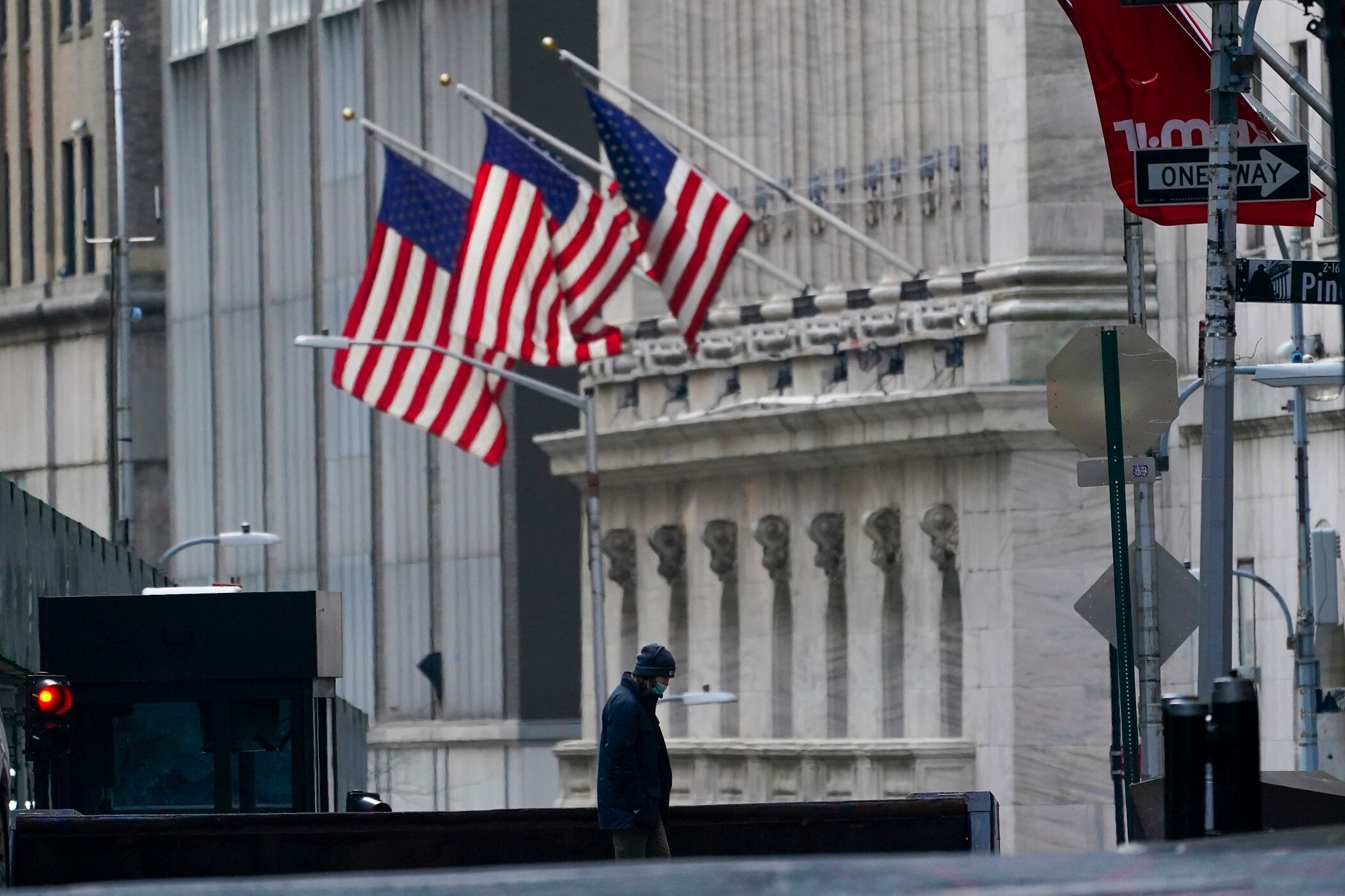
Stocks fell and bond yields rose on Wall Street Wednesday after details from last month’s Federal Reserve meeting showed the central bank intends to be aggressive in its efforts to fight inflation.
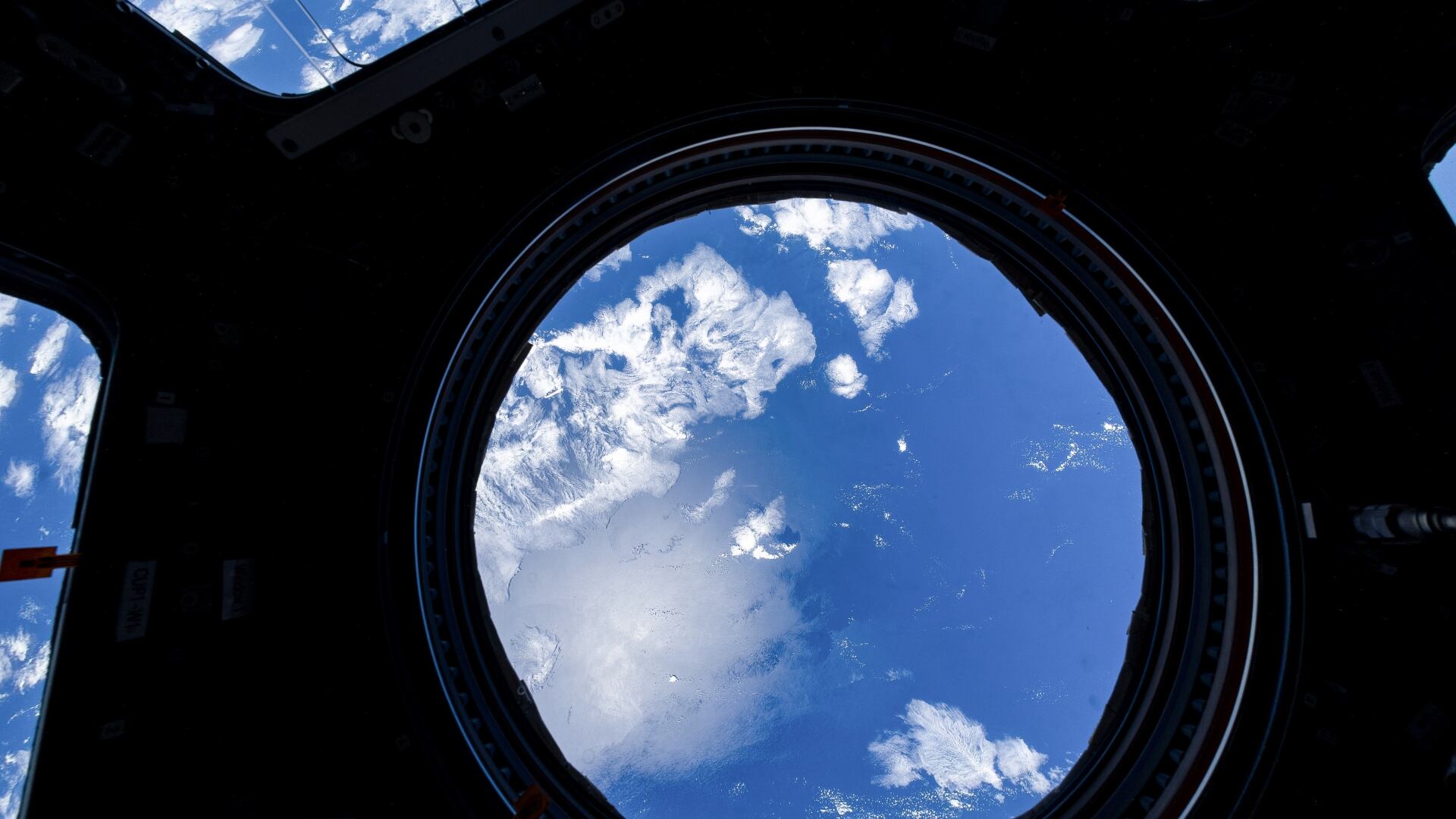
Tensions from the Russia-Ukraine war have spilled into space. The head of Russia's space agency has threatened to pull the country out of the International Space Station if sanctions aren't lifted on the country — but that doesn't seem to be happening any time soon. What would it mean if Russia really did leave the ISS, who would it harm the most, and what would the consequences be both for the other ISS partners, and private space travel? Casey Dreier, Chief Advocate & Senior Space Policy Adviser at The Planetary Society, joins Closing Bell to discuss.
If you've purchased groceries or ordered at a restaurant, you know that prices are going up across the board. You've probably made the switch to cheaper versions of the same products you'd normally buy in an effort to save a few dollars — but did you know that a consumer shift away from brand loyalty is closely followed by grocery chains and big brands? Both need to know where consumers are looking so they can stock shelves, lower prices, and market their products. Brian Mandelbaum, CEO of Klover, joins Closing Bell to discuss how inflation seems to be making brand loyalty disappear, why consumers aren't inclined to be loyal to certain brands or products, how this pattern impacts stores, and more.
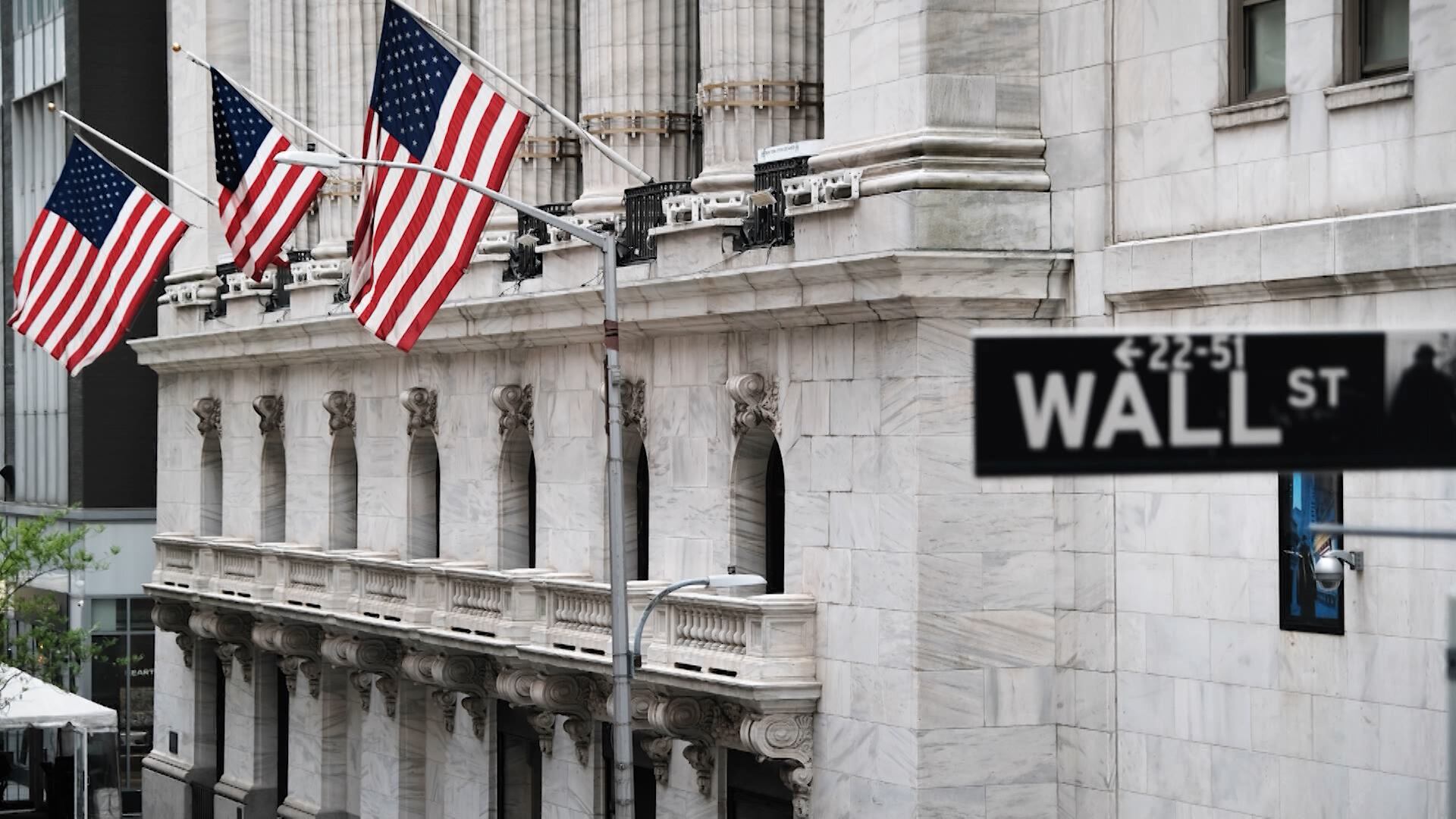
Stocks closed near session lows Tuesday as investors digest potentially aggressive rate hikes, and a potential recession.
Both consumers and big banks are starting to think similarly on one topic: both groups think a recession is on the horizon. What does this mean for an American economy still struggling to gain its footing, and for the Federal Reserve which is just starting to implement rate hikes in an attempt to cool inflation? Sam Stovall, Chief Investment Strategist at CFRA, joined Closing Bell to discuss today's close, earnings season, whether a recession is on the horizon, and more.