By Michelle Chapman
Coinbase has been targeted by U.S. regulators in a new lawsuit Tuesday that alleges the cryptocurrency platform is operating as an unregistered securities platform and brokerage service.
The lawsuit from the Securities and Exchange Commission comes only a day after it filed charges against Binance, the world's largest crypto exchange, and its founder Changpeng Zhao are accused of misusing investor funds, operating as an unregistered exchange and violating a slew of U.S. securities laws.
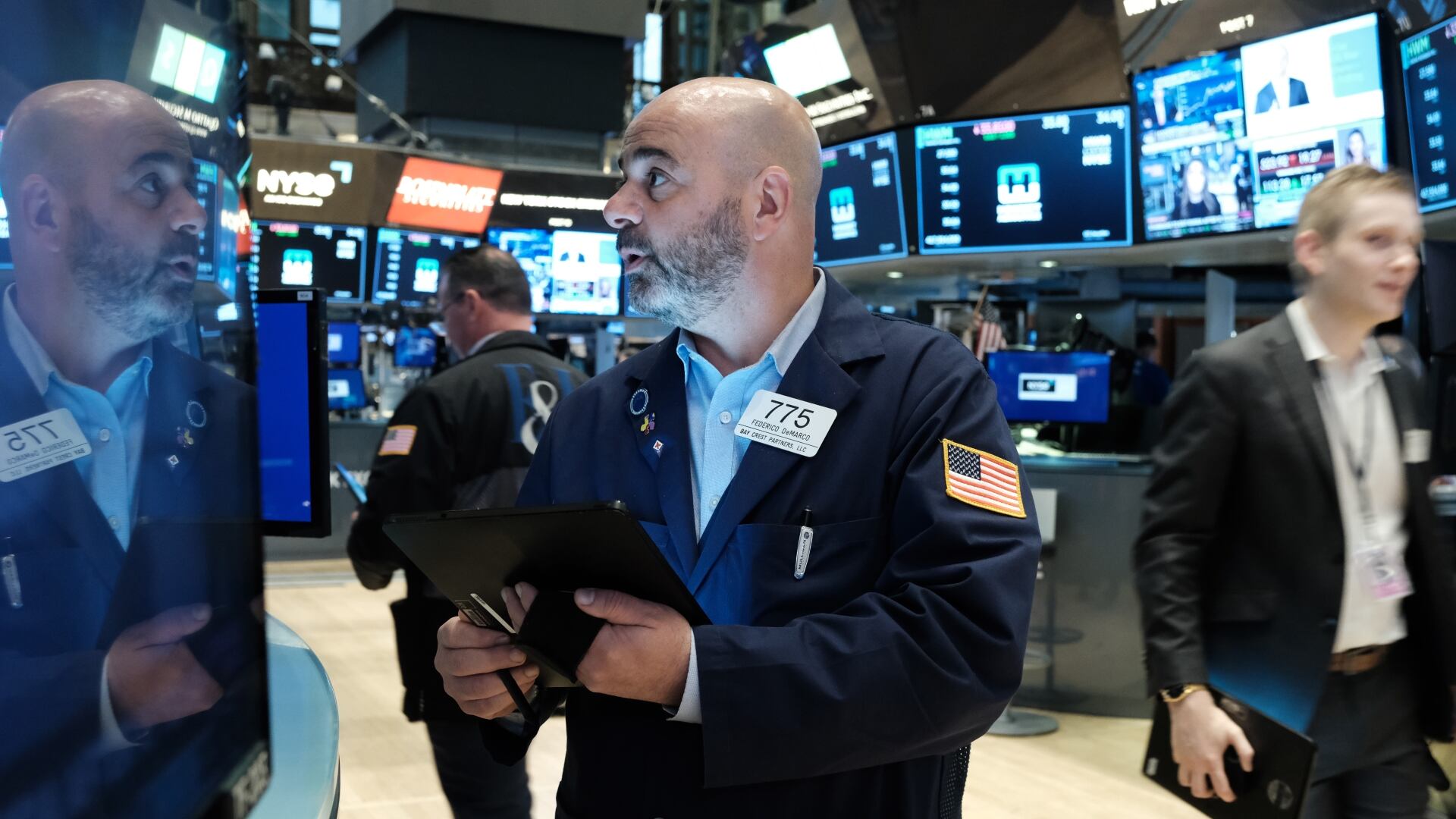
Coinbase shares plunged nearly 15% early Tuesday.
In its complaint, the SEC said Coinbase made billions acting as the middle man for cryptocurrency buyers and sellers but did not give investors lawful protections while acting as a broker.
“Coinbase has for years defied the regulatory structures and evaded the disclosure requirements that Congress and the SEC have constructed for the protection of the national securities markets and investors,” the SEC said in its complaint, which was filed in U.S. District Court for the Southern District of New York. It seeks injunctive relief, disgorgement of ill-gotten gains plus interest, penalties, and other equitable relief.
Coinbase said the SEC has not been transparent in how it regulates cryptocurrencies.
“The SEC’s reliance on an enforcement-only approach in the absence of clear rules for the digital asset industry is hurting America’s economic competitiveness and companies like Coinbase that have a demonstrated commitment to compliance," said Paul Grewal, chief legal officer and general counsel for Coinbase, said in a written statement. The solution is legislation that allows fair rules for the road to be developed transparently and applied equally, not litigation. In the meantime, we’ll continue to operate our business as usual.”
The SEC had warned Coinbase in March that it could face securities charges and had long signaled that Coinbase had been flouting securities laws with its position that cryptocurrencies were not securities and therefore did not need to register as a broker.
“You simply can’t ignore the rules because you don’t like them or because you’d prefer different ones: the consequences for the investing public are far too great,” said Gurbir S. Grewal, director of the SEC’s Division of Enforcement, in a prepared statement.
U.S. prosecutors and the SEC charged FTX’s founder Sam Bankman-Fried with a host of money laundering, fraud and securities fraud charges in December. His criminal trial is likely to be in the fall.