The Securities and Exchange Commission has charged former McDonald's CEO Stephen J. Easterbrook with making "false and misleading statements" to investors about his firing in 2019.
The executive entered into a $40 million separation agreement on the basis that he was fired without cause, when in reality it was related to his inappropriate relationship with an employee. At issue was Easterbrook's equity holdings. The agreement stating the termination was without cause allowed him to hold onto his shares, which otherwise would have been forfeited.
"When corporate officers corrupt internal processes to manage their personal reputations or line their own pockets, they breach their fundamental duties to shareholders, who are entitled to transparency and fair dealing from executives," said Gurbir S. Grewal, director of the Division of Enforcement. "By allegedly concealing the extent of his misconduct during the company’s internal investigation, Easterbrook broke that trust with — and ultimately misled — shareholders."
The SEC charges also state that Easterbook withheld the fact that he had maintained additional relationships with employees in order to give himself a better deal.
"Public issuers, like McDonalds’s, are required to disclose and explain all material elements of their CEO’s compensation, including factors regarding any separation agreements," said Mark Cave, associate director of the Division of Enforcement.
The agency said Easterbrook has consented to a cease-and-desist order that imposes a $400,000 civil penalty and a five-year ban on holding officer and director positions at public companies.
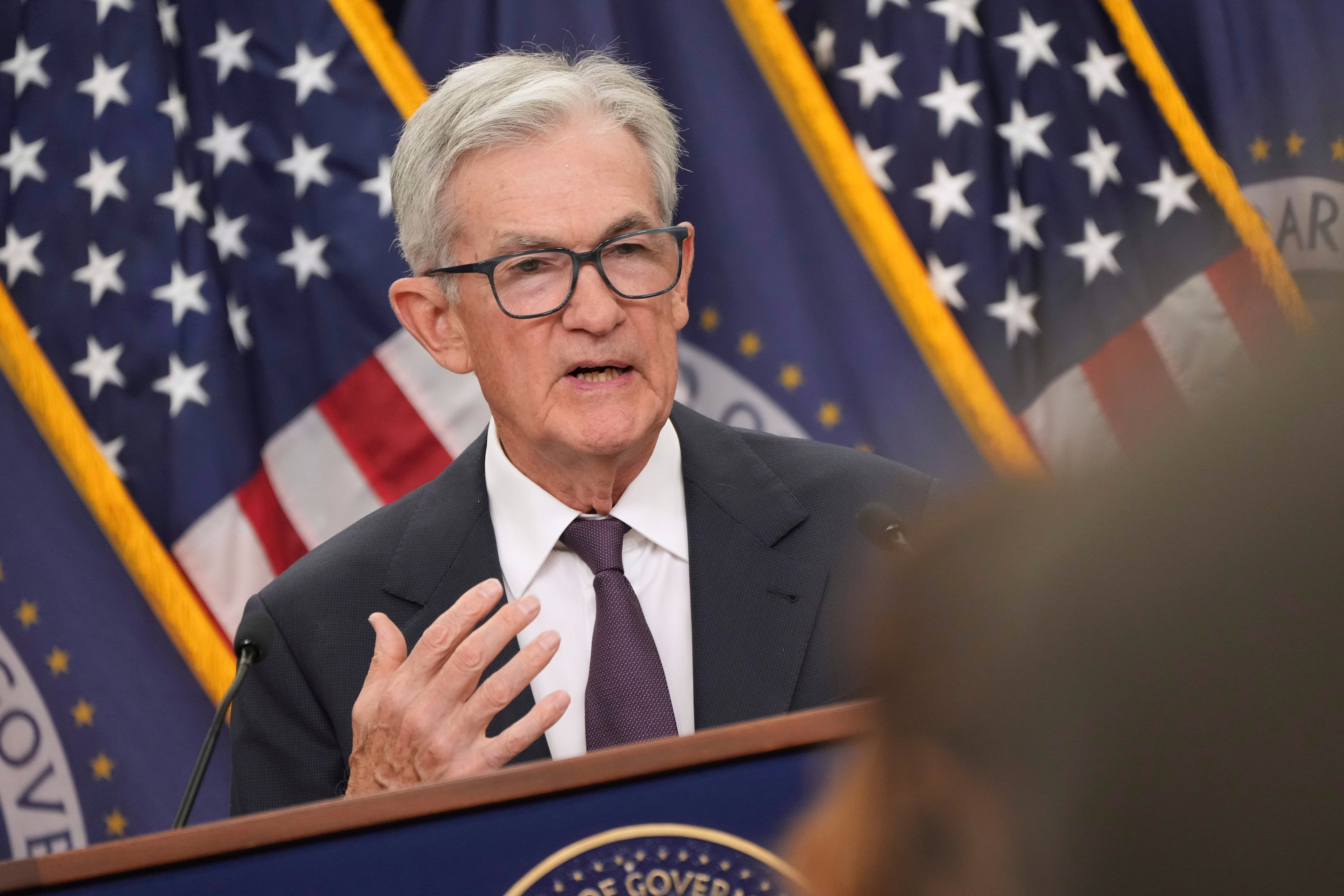
Most members of the Federal Reserve’s interest-rate setting committee supported further reductions to its key interest rate this year, minutes from last month’s meeting showed.
Sinead O’Sullivan breaks down Taylor Swift’s genius marketing for The Life of a Showgirl, which just set the record for most albums sold in a single week.
Markets are emerging from a turbulent Q3. Horizon’s Mike Dickson shares insights on interest rates, small caps, and where investors should look in Q4 and beyond
Bambu Ventures's Kyle Pretsch dives into Lemonaid’s $10M buyout, down from 23andMe’s $400M price tag, and what’s next after Chrome Co.’s dramatic pivot.
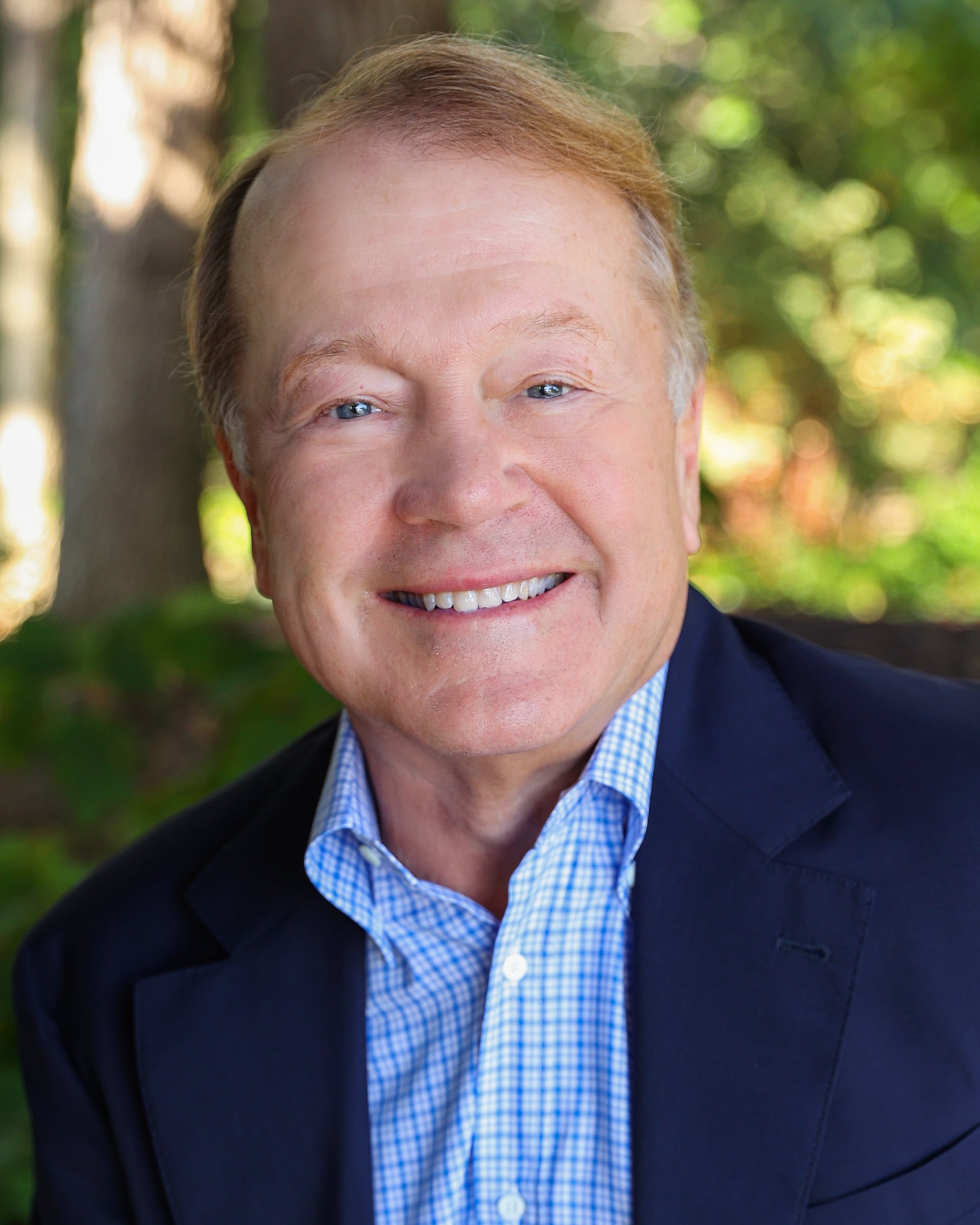
Former Cisco Systems CEO John Chambers learned all about technology’s volatile highs and lows as a veteran of the internet’s early boom days during the late 1990s and the ensuing meltdown that followed the mania. And now he is seeing potential signs of the cycle repeating with another transformative technology in artificial intelligence. Chambers is trying take some of the lessons he learned while riding a wave that turned Cisco into the world's most valuable company in 2000 before a crash hammered its stock price and apply them as an investor in AI startups. He recently discussed AI's promise and perils during an interview with The Associated Press.
Grove Collaborative’s CEO shares how the company is reinventing everyday goods with sustainability at the core and working toward a plastic-free future.
Atlanta Mayor Andre Dickens shares plans for affordable housing, community-led growth, and why private and public grocery stores could be key to food equity.