Supreme Court Upholds Trump's Travel Ban on Muslim Countries
*By Alisha Haridasani*
The Supreme Court on Tuesday upheld President Trump’s temporary ban on immigrants and refugees from several mostly Muslim countries, rejecting the arguments that the policy went beyond presidential powers and discriminated against one religion.
“The president has lawfully exercised the broad discretion granted to him,” said Chief Justice John Roberts, [writing](http://cdn.cnn.com/cnn/2018/images/06/26/travel.ban.pdf) for the majority.
The 5-4 ruling fell along partisan lines, and the difference between the two sides fundamentally boiled down to a close reading of the Constitution as it applied to the travel policy versus a broader approach to the case.
"Certainly the conservative block of the Supreme Court was looking very narrowly at the president's power," said Joe Williams, senior news editor at U.S. News. "The opposing side was looking more at whether or not this was the right thing to do."
The justices who dissented pointed to Trump's campaign promise to ban Muslims from entering the U.S. as potentially motivating the policy, in which case it would be unlawful.
“The United States of America is a nation built upon the promise of religious liberty,” wrote Justice Sonia Sotomayor in a strongly-worded dissent. “The court’s decision today fails to safeguard that principle.”
Judge Sotomayor even went so far as to compare Trump's policy to the internment of Japanese people during the second World War.
But the majority of conservative judges concluded that the president's campaign rhetoric was irrelevant and didn't negate his right to determine immigration policies.
The president responded jubilantly, describing the ruling as “a tremendous victory for the American people and for our Constitution.”
Trump, in one of his first acts as commander-in-chief, signed an executive order last year that banned travel from Iraq, Syria, Iran, Libya, Somalia, Sudan, and Yemen for national security reasons. The policy, which many opponents perceived as thinly veiled religious bias, set off a national backlash and widespread protests.
After two lower courts decided that the policy was both unconstitutional and [unlikely to protect the country](https://www.cnn.com/2017/02/09/politics/travel-ban-9th-circuit-ruling-full-text/index.html) from terrorism, the administration drew up a version that excluded Iraq and Sudan, added Chad, Venezuela, and North Korea, and contained waivers for green card holders or students. It didn't single out any religion in the text.
A federal judge in Hawaii halted the implementation of that modified policy nationwide in October, and the Supreme Court ruling is related to that ruling.
In December, the Supreme Court allowed the current version of the ban, weakened from its controversial initial form, to take effect while the case worked its way through the legal system.
For the full segment, [click here.](https://cheddar.com/videos/scotus-upholds-trumps-travel-ban-2)
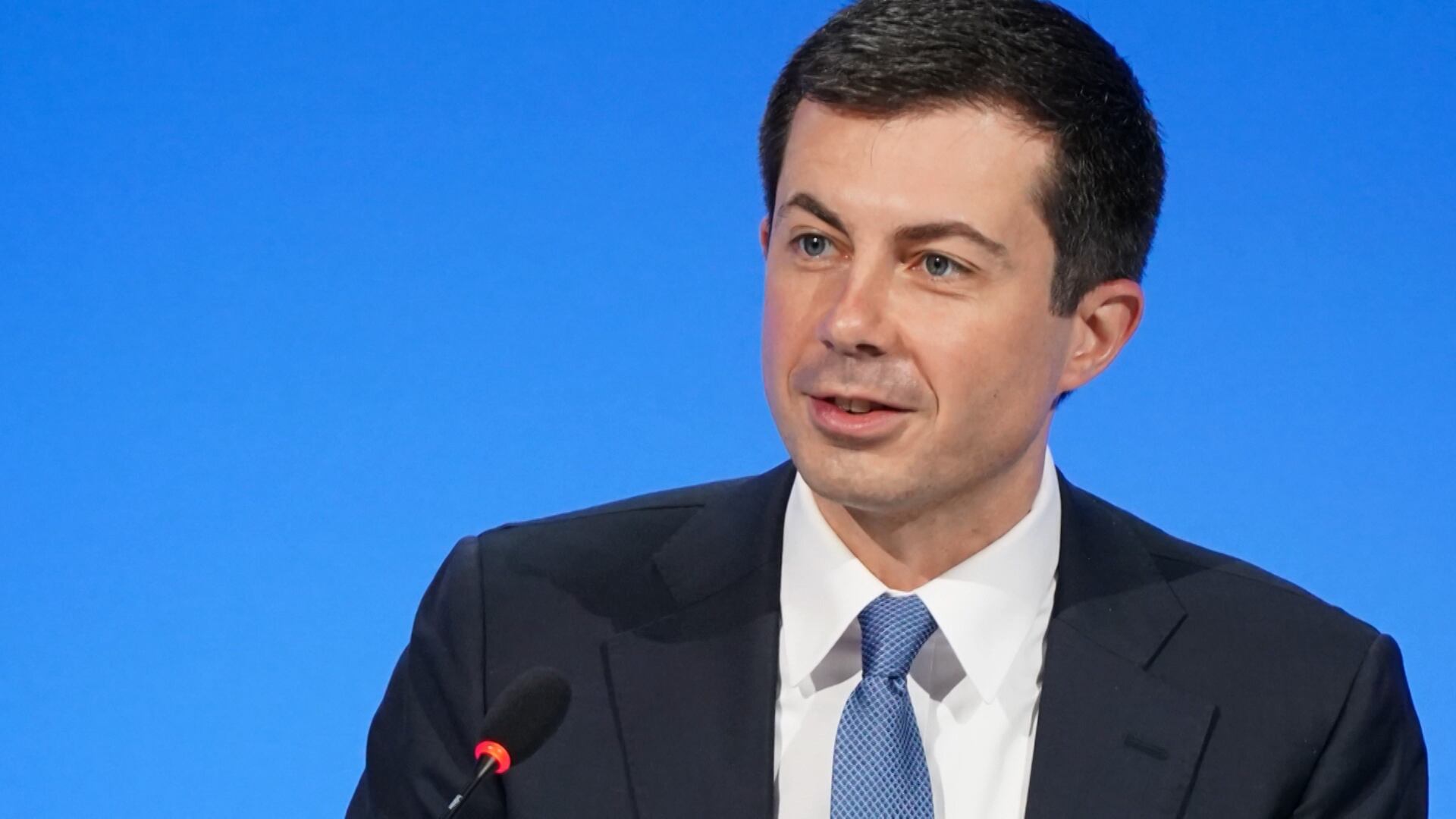
Transportation Secretary Pete Buttigieg joined Cheddar's Michelle Castillo from South By Southwest to boost President Biden's bipartisan infrastructure legislation and talk about the big transportation issues of the day, including electric vehicle charging infrastructure and the future of public transit. "It means we have a huge wind at our back delivering on the kinds of transportation solutions that are going to define the 2020's 2030s, 2040s even," he said. "And that's what makes it exciting to come to South by Southwest and talk with some of the people who are following these technologies and ideas the most closely and talk about where we're headed." Buttigieg also touched on the "Don't Say Gay" legislation in Florida, noting that such legislative pushes were likely coming from politicians deflecting from lacking answers to pressing economic concerns, in his opinion.
Following President Biden's executive order that could lead toward regulating digital currency in the United States. Representative Josh Gottheimer (D-N.J. 5th District), the congressman responsible for proposing a bill to regulate stablecoins, digital assets backed by fiat currencies, joined Cheddar News to discuss the bill. "I just want to make sure that we're doing everything we can to be helpful to encourage this innovation and growth here in the United States," he said.
European antitrust regulators gave Amazon approval for its MGM acquisition deal. Amazon expects MGM's collection of content will help it compete in the increasingly crowded world of streaming services.
Lisa Whalen, managing director of automotive and mobility analysis at Morning Consult, joins Cheddar News to discuss Uber and Lyft's decision to enact price surcharges on riders.
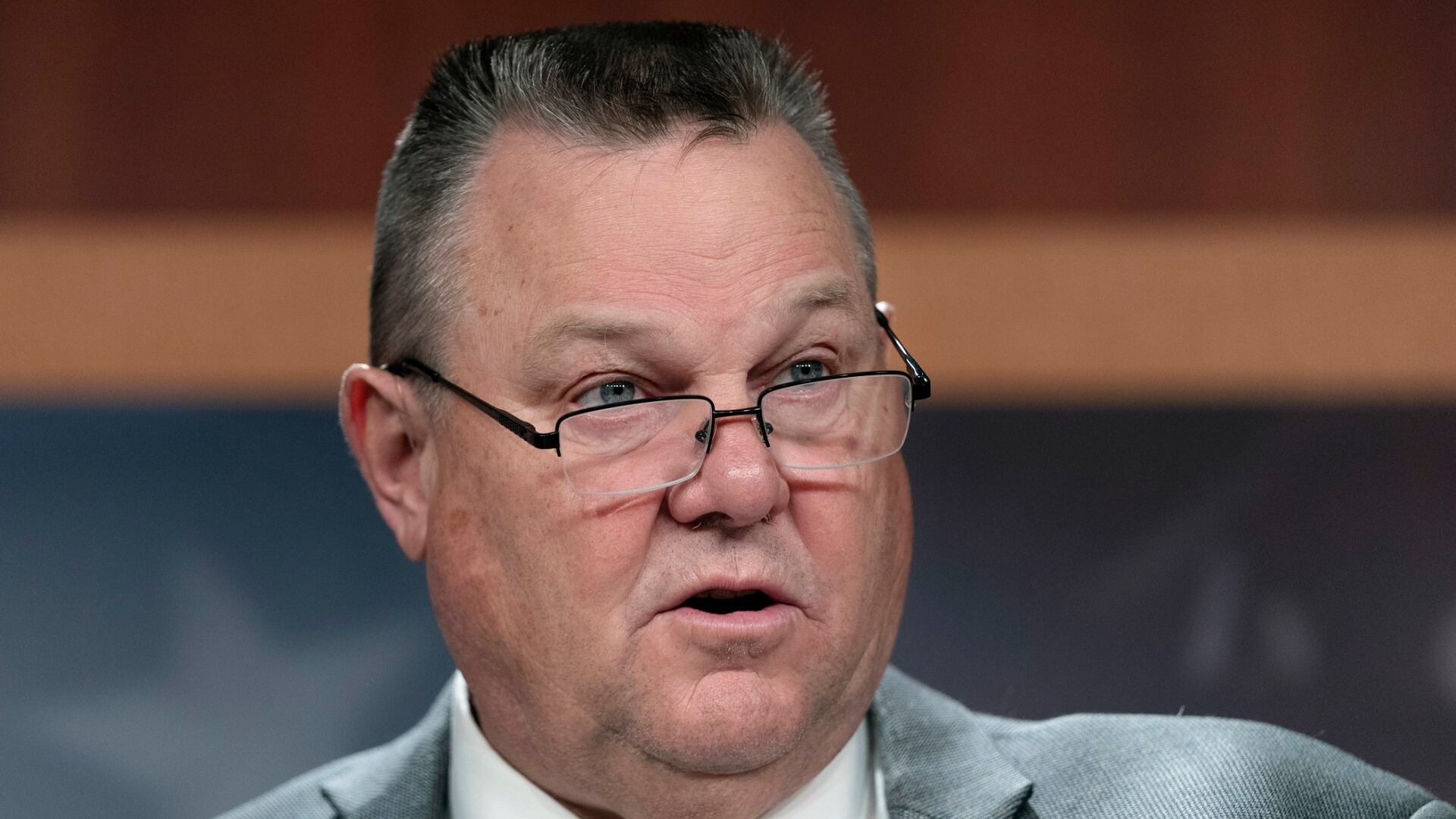
Senator Jon Tester (D-Mont.) joined Cheddar News to talk about a range of topics including Sarah Bloom Raskin's recent withdrawal as a nominee to the Federal Reserve, the impact the Federal Reserve will have on inflation, and the ongoing crisis in Ukraine. "I think it's unfortunate she had to withdraw. I think she was very, very qualified for the position by everything she's done in her past, especially in the area of cyber," he said. "She would have been good to have on the Fed."
With a zero-covid policy in China, country officials are imposing lockdowns in the region in an attempt to control the spread. With China being home to about one-third of global manufacturing, these lockdowns are wreaking havoc on the already fragile supply chain, causing disruption to production of phones and cars alike. Suketu Gandhi, Supply Chain Partner at Kearney joined Cheddar's Azia Celestino to discuss.
Markets opened higher this morning as oil prices fall and investors await a decision from the Federal Reserve. Keith Fitz-Gerald, Chief Investment Officer, Fitz-Gerald Group joined Cheddar's Opening Bell to discuss.
Catching you up on what you Need to Know on March 16, 2022, with updates on Ukraine and Russia, a container ship gets stuck in the Chesapeake Bay, Disney employees stage a walkout over the "Don't Say Gay" law in Florida, and NASA completes its first spacewalk of 2022.
With the Fed about to the announce a 25 basis point interest rate hike on Wednesday, what exactly does this mean for investors, consumers, and businesses?
Ukrainian President Volodymyr Zelenskyy has summoned the memory of Pearl Harbor and the Sept. 11 terror attacks in an impassioned video plea to Congress to send more help for Ukraine’s fight against Russia.