Supreme Court Upholds Trump's Travel Ban on Muslim Countries
*By Alisha Haridasani*
The Supreme Court on Tuesday upheld President Trump’s temporary ban on immigrants and refugees from several mostly Muslim countries, rejecting the arguments that the policy went beyond presidential powers and discriminated against one religion.
“The president has lawfully exercised the broad discretion granted to him,” said Chief Justice John Roberts, [writing](http://cdn.cnn.com/cnn/2018/images/06/26/travel.ban.pdf) for the majority.
The 5-4 ruling fell along partisan lines, and the difference between the two sides fundamentally boiled down to a close reading of the Constitution as it applied to the travel policy versus a broader approach to the case.
"Certainly the conservative block of the Supreme Court was looking very narrowly at the president's power," said Joe Williams, senior news editor at U.S. News. "The opposing side was looking more at whether or not this was the right thing to do."
The justices who dissented pointed to Trump's campaign promise to ban Muslims from entering the U.S. as potentially motivating the policy, in which case it would be unlawful.
“The United States of America is a nation built upon the promise of religious liberty,” wrote Justice Sonia Sotomayor in a strongly-worded dissent. “The court’s decision today fails to safeguard that principle.”
Judge Sotomayor even went so far as to compare Trump's policy to the internment of Japanese people during the second World War.
But the majority of conservative judges concluded that the president's campaign rhetoric was irrelevant and didn't negate his right to determine immigration policies.
The president responded jubilantly, describing the ruling as “a tremendous victory for the American people and for our Constitution.”
Trump, in one of his first acts as commander-in-chief, signed an executive order last year that banned travel from Iraq, Syria, Iran, Libya, Somalia, Sudan, and Yemen for national security reasons. The policy, which many opponents perceived as thinly veiled religious bias, set off a national backlash and widespread protests.
After two lower courts decided that the policy was both unconstitutional and [unlikely to protect the country](https://www.cnn.com/2017/02/09/politics/travel-ban-9th-circuit-ruling-full-text/index.html) from terrorism, the administration drew up a version that excluded Iraq and Sudan, added Chad, Venezuela, and North Korea, and contained waivers for green card holders or students. It didn't single out any religion in the text.
A federal judge in Hawaii halted the implementation of that modified policy nationwide in October, and the Supreme Court ruling is related to that ruling.
In December, the Supreme Court allowed the current version of the ban, weakened from its controversial initial form, to take effect while the case worked its way through the legal system.
For the full segment, [click here.](https://cheddar.com/videos/scotus-upholds-trumps-travel-ban-2)
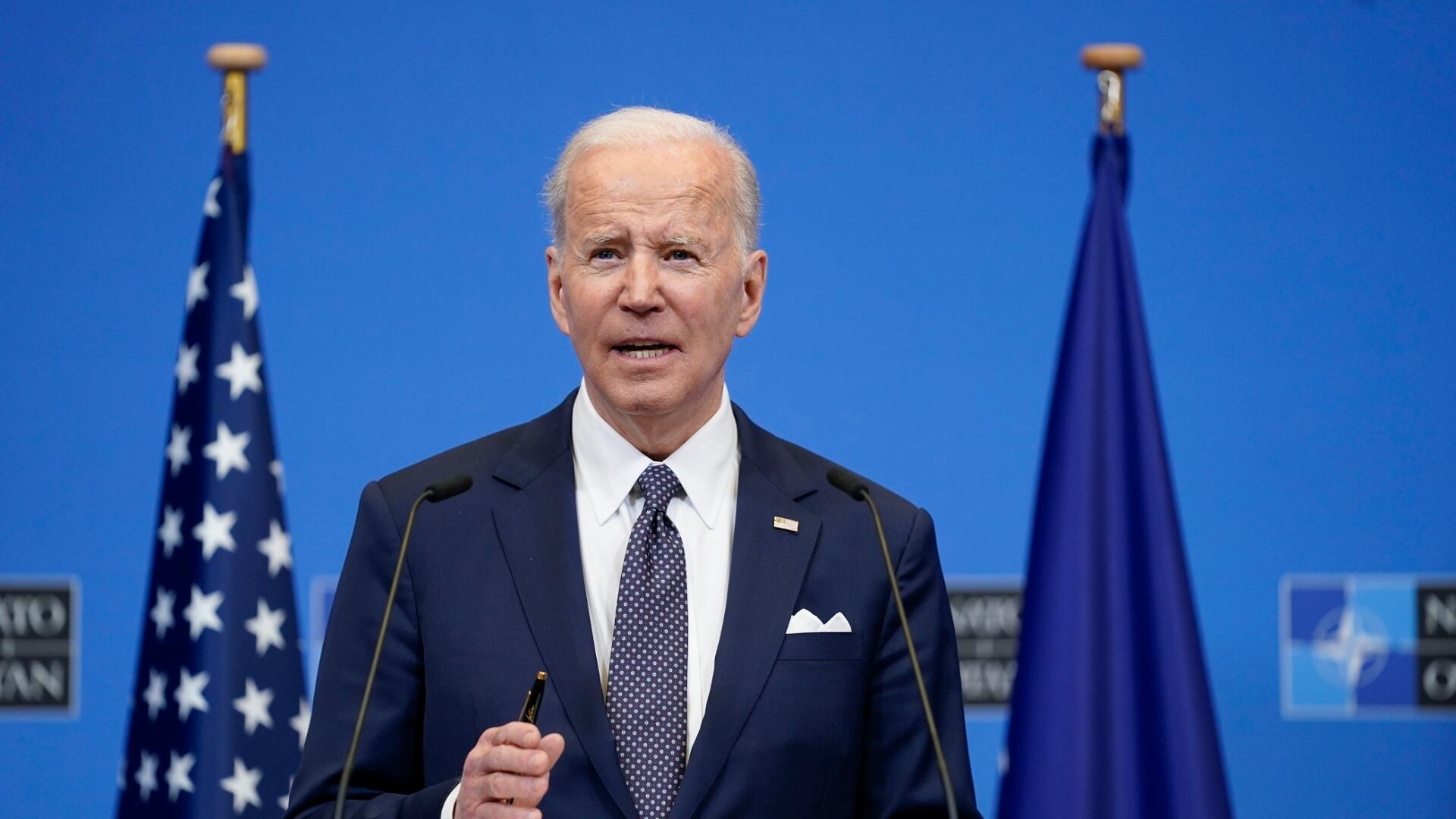
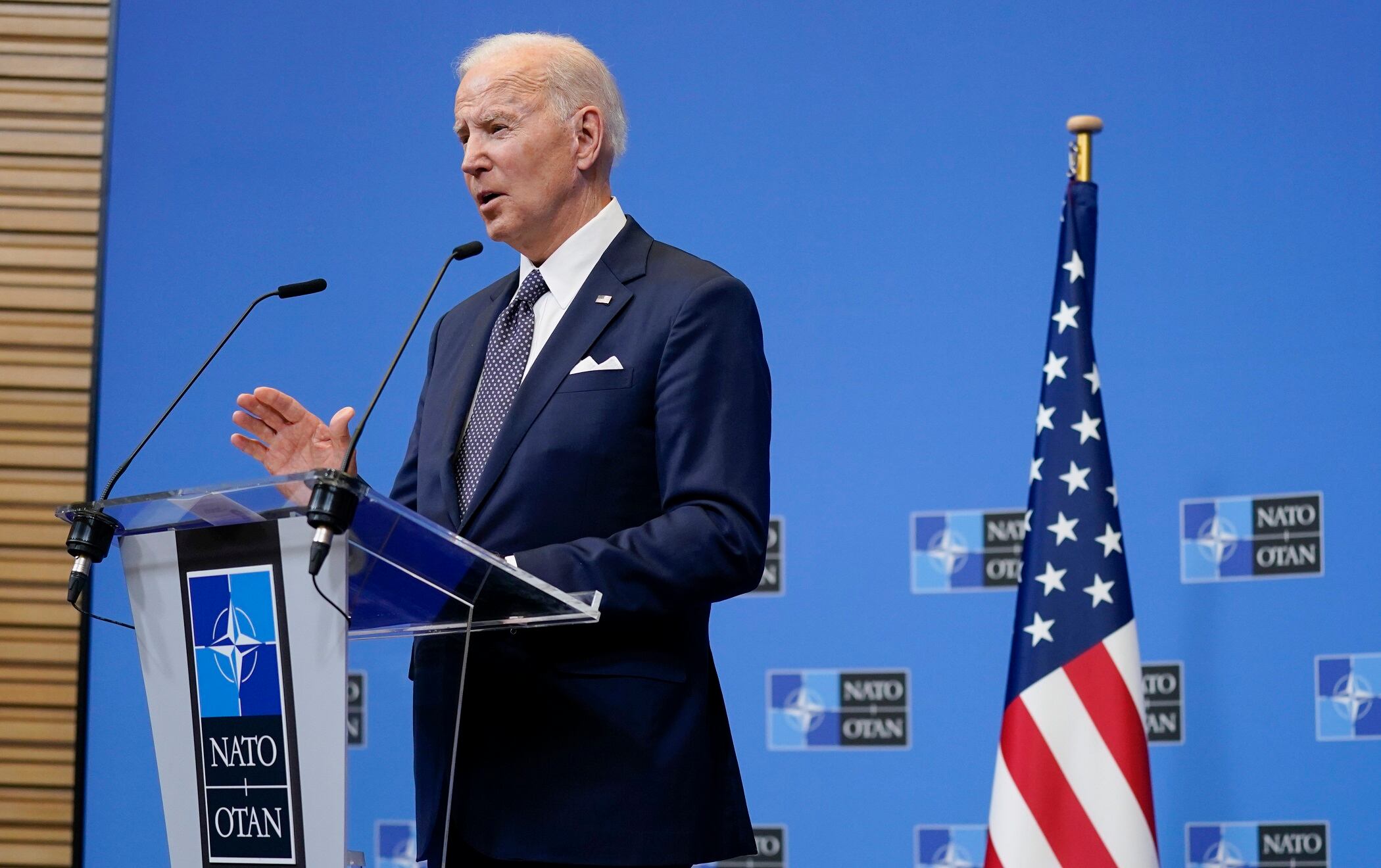
As President Biden travels to Europe this week amid Russia's ongoing invasion of its neighbor Ukraine, former Obama campaign foreign policy advisor and former Bush administration State Department official David Tafuri, joined Cheddar News to discuss the president's stop in Brussels, Belgium, to coordinate with NATO leaders efforts to dissuade Russian President Putin's war. "The maintenance of sanctions and increasingly ratcheting up the sanctions is what he thinks will cause a country like Russia to back off," Tafuri said of Biden. "And so he's committed to that strategy."
John Logan, Director of Labor and Employment Studies at San Francisco State University, joined Cheddar News to discuss the growing unionization push by employees at Starbucks and Amazon, and the wider implications of employee organization at these big companies.
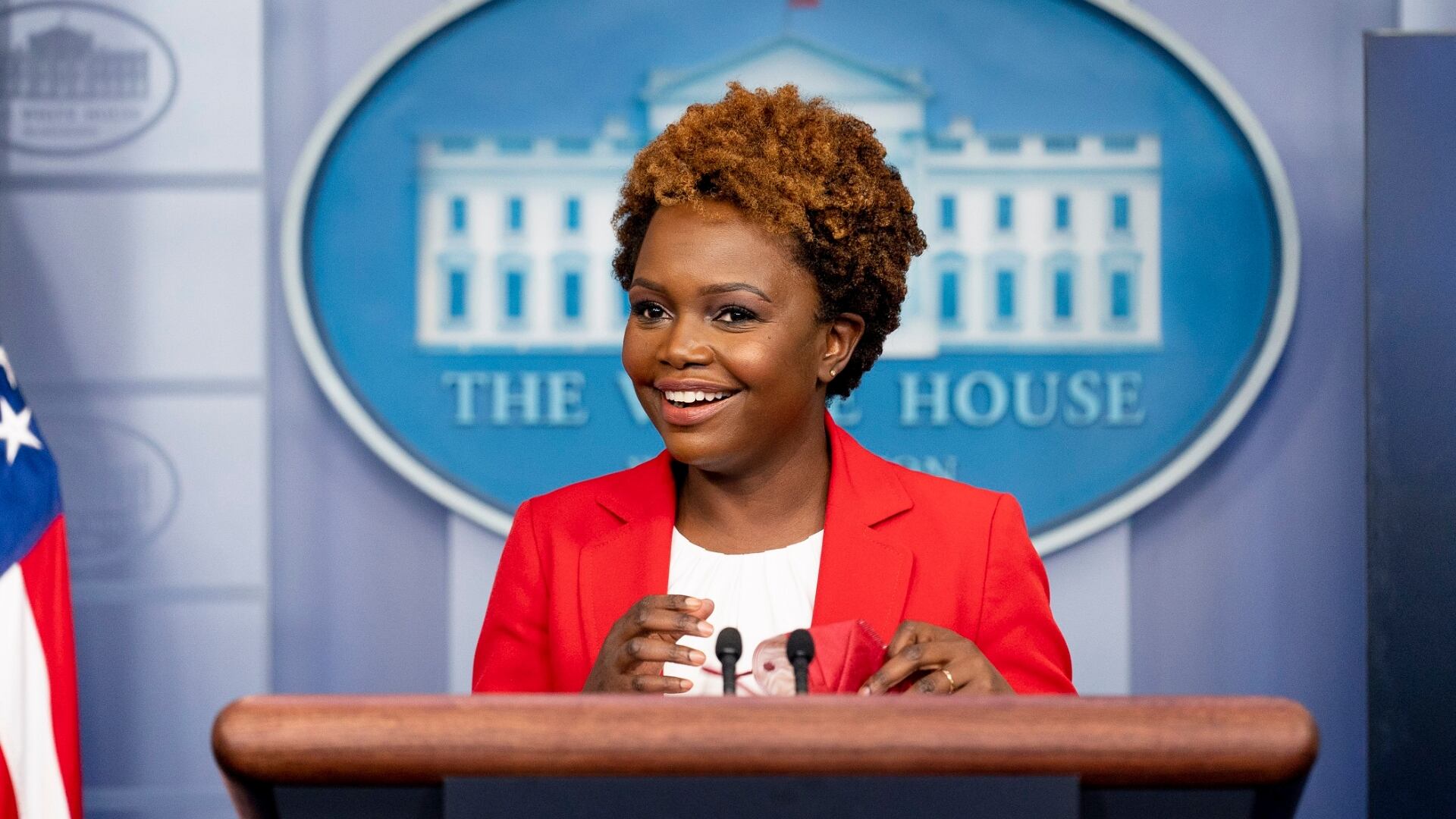
Cheddar's Arielle Hixson sat down with five Black women making history as part of the Biden administration's communications team. Karine Jean-Pierre, the principal deputy press secretary; Khanya Brann, the chief of staff to Kate Bedingfield; Amanda Finney, the chief of staff to Jen Psaki; Erica Loewe, the director of African American media; and Rykia Dorsey, the senior regional communications director, shared their stories.
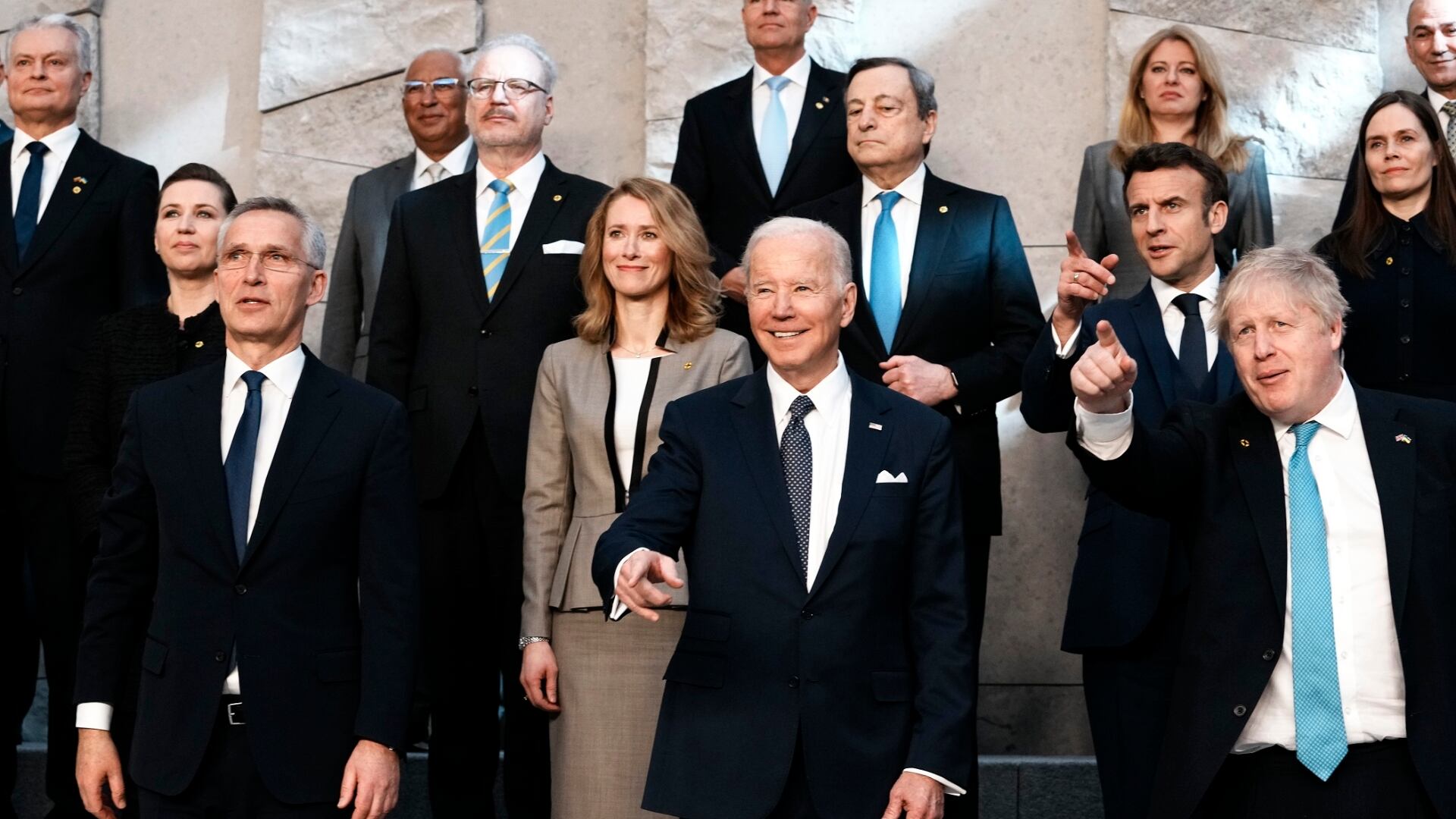
President Biden has embarked on a crucial trip to meet with allies in Belgium and Poland to discuss new sanctions on Russia as it continues to wage war on Ukraine. The president will seek to address the growing humanitarian crisis out of Ukraine, demonstrate a united Western front against Russia, and reassure Ukraine that it has support from the U.S. Joel Rubin, Former Deputy Assistant Secretary of State & President of the Washington Strategy Group, breaks down what to expect from the President's crucial visit to Europe.
Catching you up on what you need to know Mar 24, 2022, with NATO meeting updates, Ukraine retaking suburbs around Kyiv, the spread of omicron subvariant BA.2 in China, Google Pay launching a third-party billing option, and a 16-year-old is suspected of being the Lapsus$ mastermind behind hacks of Microsoft and others.
The number of Americans applying for unemployment benefits last week fell to its lowest level in 52 years as the U.S. job market continues to show strength in the midst of rising costs and an ongoing virus pandemic.
Alicia Garza joined Cheddar News to talk about the Black Futures Lab where serves as founder and principal. The non-profit organization seeks to develop grassroots power in the Black community with projects like the Black Census, which takes into account the granular experiences of the demographic. "What we know about Black folks and the reason that we decided to focus on black communities again, it's because we're being left out and left behind their stories being told about us without our input and without our shaping," she said. "If we want a robust democracy in this country, we have to change that equation." Garza also touched on issues around voter suppression and the midterm elections.
Sean O'Hara, President of Pacer ETF's, explains why investors who were down after Jerome Powell's remarks on inflation Monday were more optimistic on Tuesday as the major indexes ended the day near session highs.