Supreme Court Upholds Trump's Travel Ban on Muslim Countries
*By Alisha Haridasani*
The Supreme Court on Tuesday upheld President Trump’s temporary ban on immigrants and refugees from several mostly Muslim countries, rejecting the arguments that the policy went beyond presidential powers and discriminated against one religion.
“The president has lawfully exercised the broad discretion granted to him,” said Chief Justice John Roberts, [writing](http://cdn.cnn.com/cnn/2018/images/06/26/travel.ban.pdf) for the majority.
The 5-4 ruling fell along partisan lines, and the difference between the two sides fundamentally boiled down to a close reading of the Constitution as it applied to the travel policy versus a broader approach to the case.
"Certainly the conservative block of the Supreme Court was looking very narrowly at the president's power," said Joe Williams, senior news editor at U.S. News. "The opposing side was looking more at whether or not this was the right thing to do."
The justices who dissented pointed to Trump's campaign promise to ban Muslims from entering the U.S. as potentially motivating the policy, in which case it would be unlawful.
“The United States of America is a nation built upon the promise of religious liberty,” wrote Justice Sonia Sotomayor in a strongly-worded dissent. “The court’s decision today fails to safeguard that principle.”
Judge Sotomayor even went so far as to compare Trump's policy to the internment of Japanese people during the second World War.
But the majority of conservative judges concluded that the president's campaign rhetoric was irrelevant and didn't negate his right to determine immigration policies.
The president responded jubilantly, describing the ruling as “a tremendous victory for the American people and for our Constitution.”
Trump, in one of his first acts as commander-in-chief, signed an executive order last year that banned travel from Iraq, Syria, Iran, Libya, Somalia, Sudan, and Yemen for national security reasons. The policy, which many opponents perceived as thinly veiled religious bias, set off a national backlash and widespread protests.
After two lower courts decided that the policy was both unconstitutional and [unlikely to protect the country](https://www.cnn.com/2017/02/09/politics/travel-ban-9th-circuit-ruling-full-text/index.html) from terrorism, the administration drew up a version that excluded Iraq and Sudan, added Chad, Venezuela, and North Korea, and contained waivers for green card holders or students. It didn't single out any religion in the text.
A federal judge in Hawaii halted the implementation of that modified policy nationwide in October, and the Supreme Court ruling is related to that ruling.
In December, the Supreme Court allowed the current version of the ban, weakened from its controversial initial form, to take effect while the case worked its way through the legal system.
For the full segment, [click here.](https://cheddar.com/videos/scotus-upholds-trumps-travel-ban-2)
After scrutiny over the negative impact on the mental health of children, social media apps have begun adding stricter limitations to parental controls. Jim Steyer, CEO of Common Sense Media, a nonprofit organization focusing on recommendations for entertainment platforms, joined Cheddar News to talk about the changes, why they might not be enough, and what parents can do to help. "It's almost that the companies — whether they're Snapchat, Instagram, YouTube, or whatever — have to start the process from the beginning of designing the product," he said. "They have to be much more clear about age verification so that a 12-year-old and 11-year-old can't get on there." Steyer also pushed for federal legislation to reign in the issue.
As Big Tech companies from the U.S. like Google and Apple managed to build market dominance overseas, the European Union has decided to curb what it sees as monopolistic growth. Greg Martin, the co-founder of Rainmaker Securities, joined Cheddar News to talk about how the impact of the antitrust regulations being adopted. "I think there's a lot of great outcomes here, but those will be far down the road [because] I do think there's some interoperability things that need to be worked out technologically," he said. "But it's going to be really good ultimately for the consumer in my opinion."
Tenicka Boyd is a digital creator making content that reflects her two passions: activism and style. The TikTok star joined Cheddar News to talk about her platform and new looks this Spring. Boyd admitted that at first she wanted to remain anonymous on the social media platform before finding her passion. "I just joined TikTok hoping that no one would find me, and I started creating colorful content," she said. "I didn't know that you could monetize this and really do it full time, and I just followed my passion because I realized that you can have multiple different lives and do multiple different things."
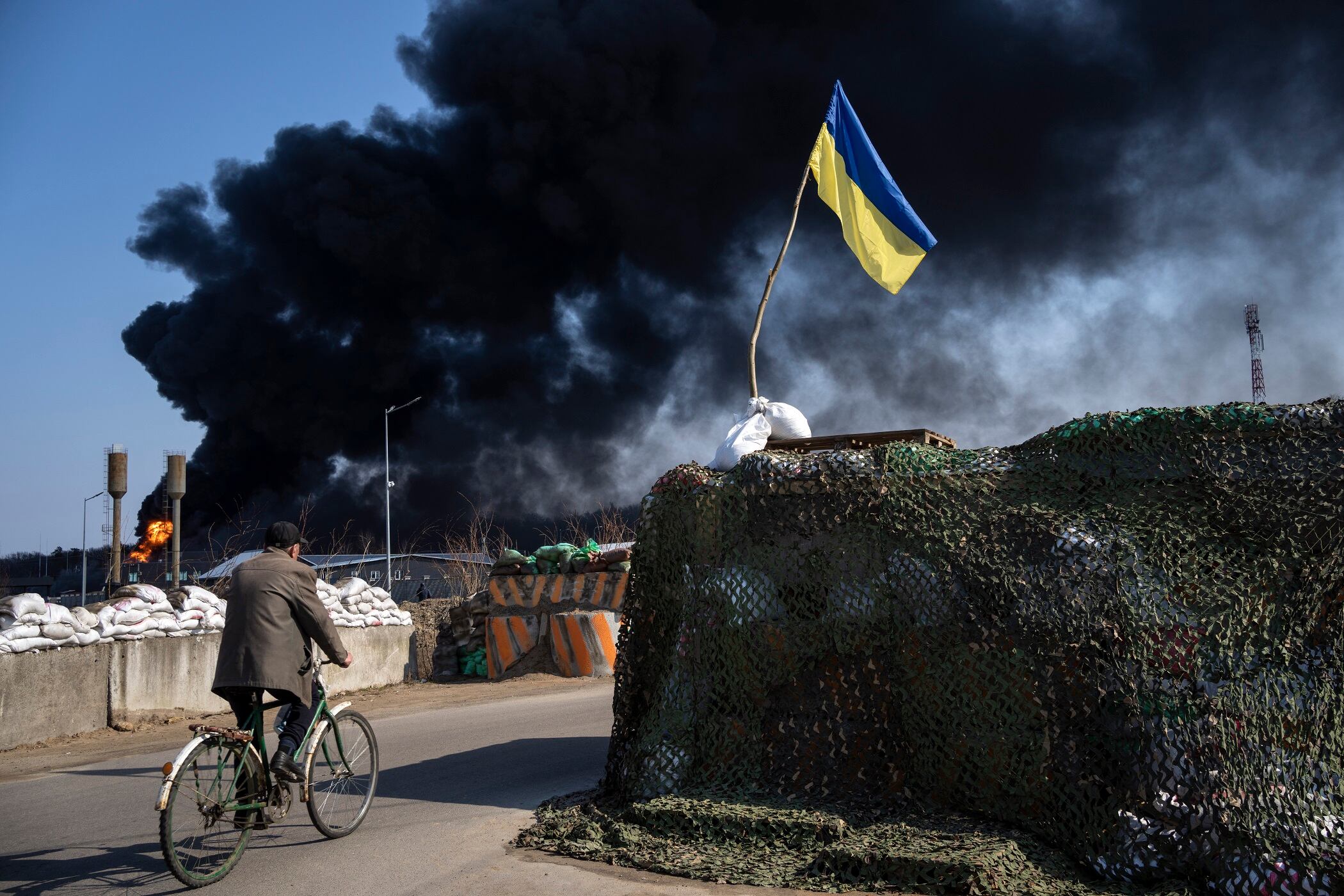
Catching you up on what you need to know on March 25, 2022, with Ukrainian forces retaking Kyiv, 300 deaths reported from the bombing of a theater used as a shelter in Mariupol, U.S. regulators ditch a climate review of natural gas projects, the 94th Academy Awards, and more.
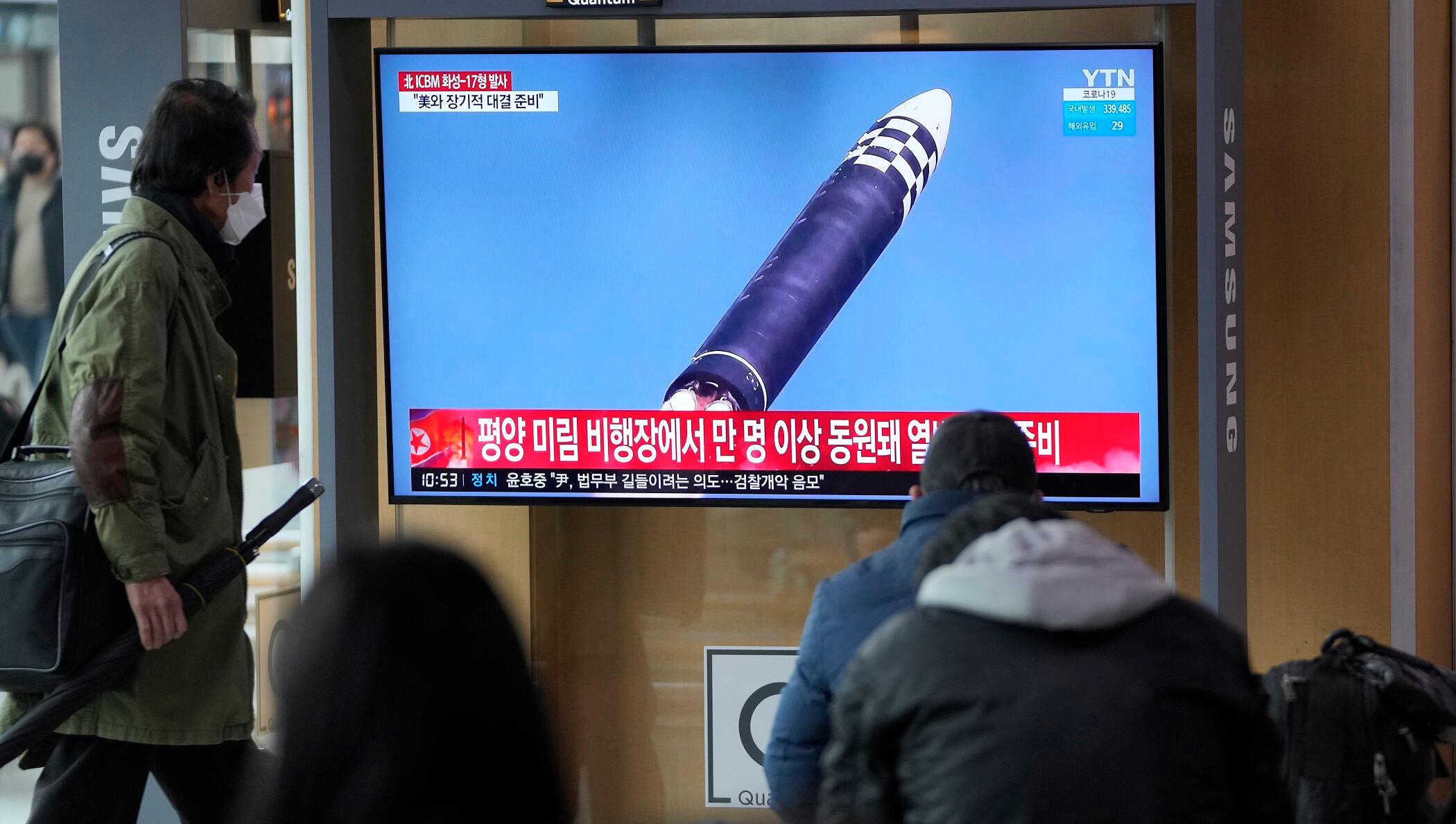
North Korea says it test-fired its biggest intercontinental ballistic missile under the orders of leader Kim Jong Un, who vowed to continue expanding his nuclear arsenal while preparing for a “long-standing confrontation” with the United States.
Ukrainian authorities in the besieged ruins of Mariupol say that about 300 people died when a Russian airstrike blew up a theater where hundreds of civilians were sheltering.
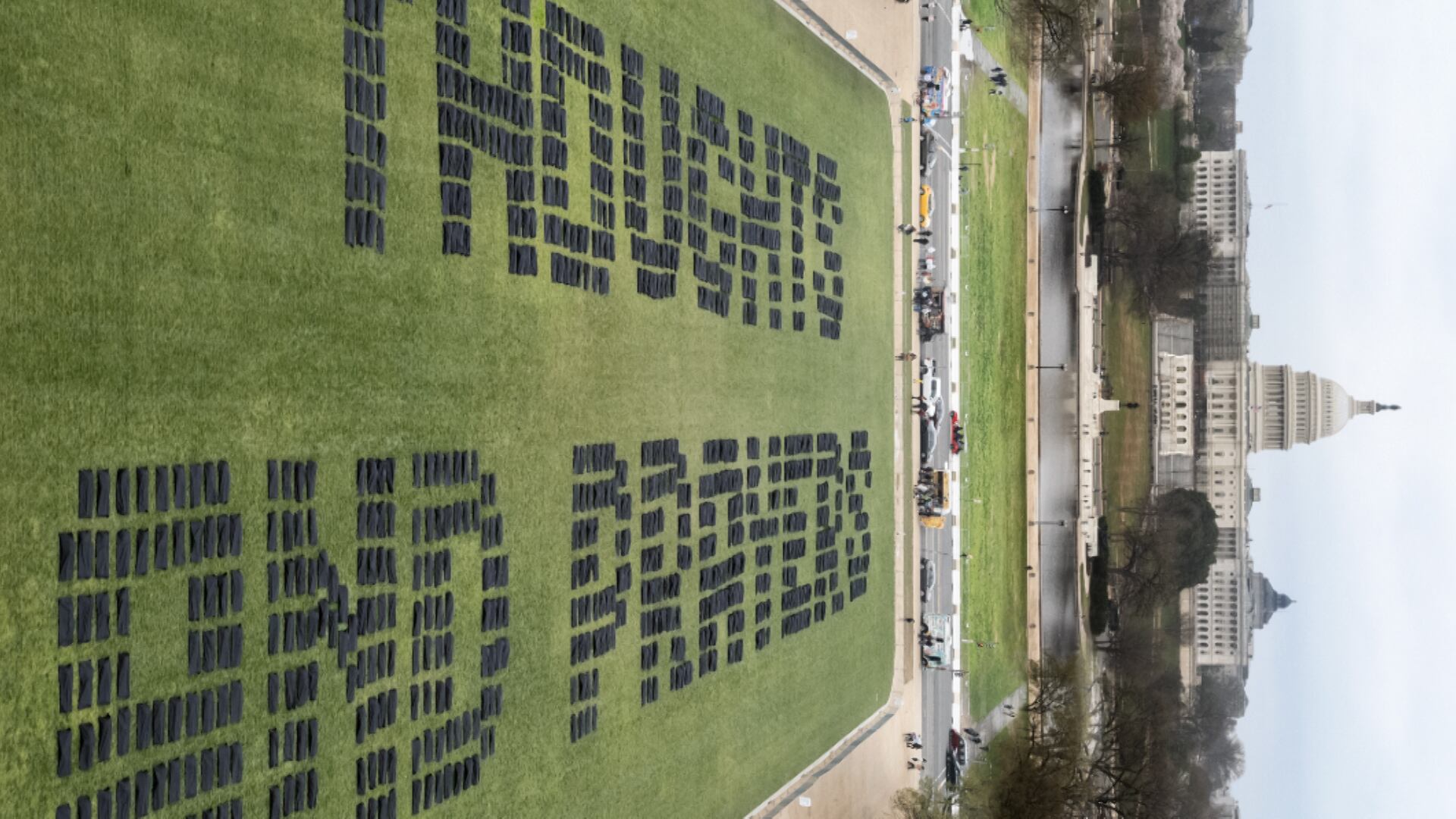
Survivors of the Parkland School Shooting along with activists from March For Our Lives set up on the National Mall on Thursday. Their demonstration displayed 1,100 bodybags that spelled out the phrase “Thoughts and Prayers” to remind lawmakers that condolences are not enough and to push for action on guns. Each bag represented 150 lives lost due to gun violence. Trevon Bosley, a board member of March For Our Lives, joined Cheddar News to discuss the organization's return to Washington, DC. "The main thing bringing us back is that we have not seen anything being done on the national level for gun violence.” Bosley said. “We’re not seeing anything changed, and we’re not seeing lives being saved”
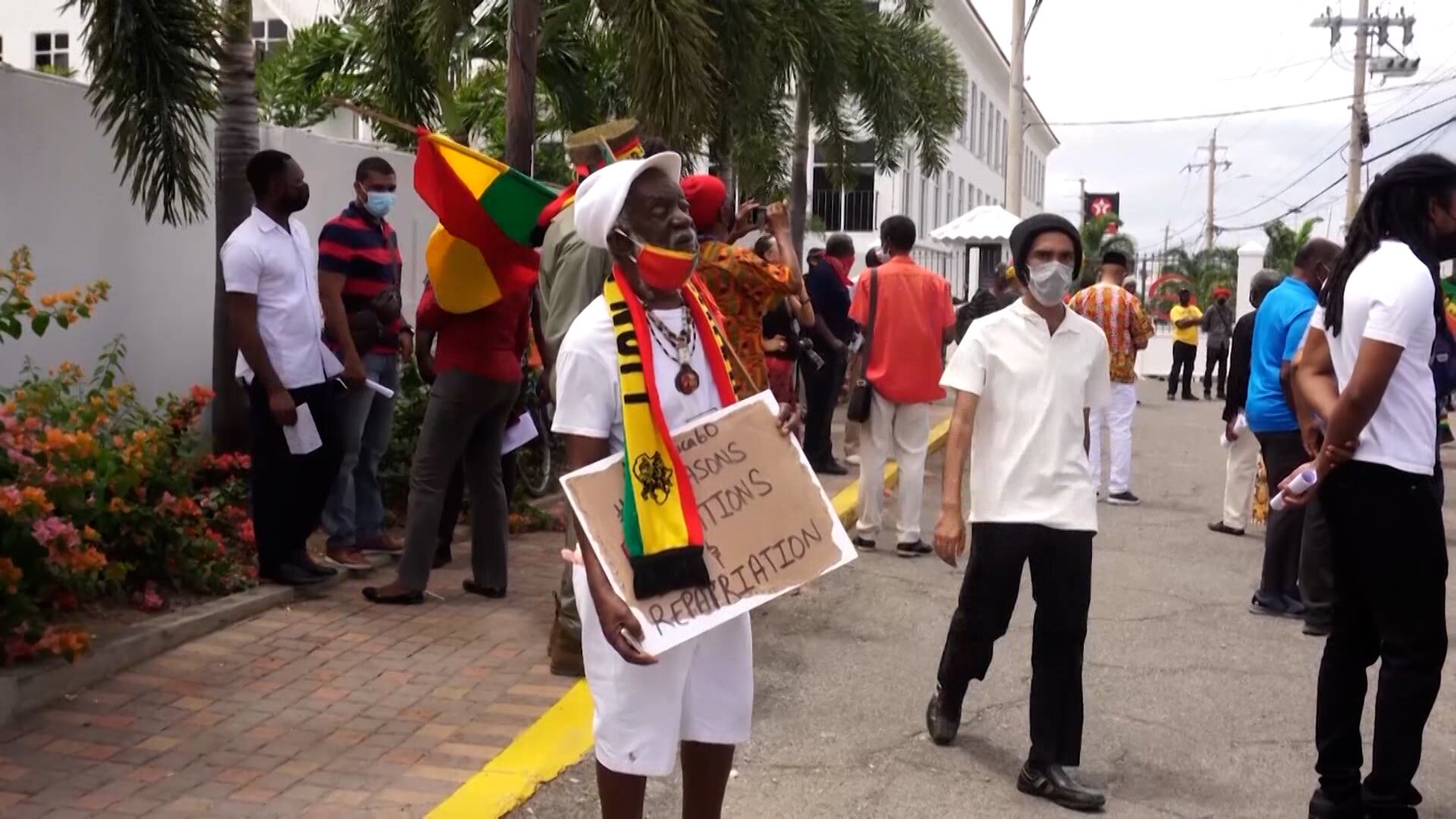
UK's prince William and his wife were met by protesters during their visit to Jamaica. Cheddar News speaks with political strategist Dee Dawkins-Haigler, who explains why the country's path to independence is relevant to Americans.