Supreme Court Upholds Trump's Travel Ban on Muslim Countries
*By Alisha Haridasani*
The Supreme Court on Tuesday upheld President Trump’s temporary ban on immigrants and refugees from several mostly Muslim countries, rejecting the arguments that the policy went beyond presidential powers and discriminated against one religion.
“The president has lawfully exercised the broad discretion granted to him,” said Chief Justice John Roberts, [writing](http://cdn.cnn.com/cnn/2018/images/06/26/travel.ban.pdf) for the majority.
The 5-4 ruling fell along partisan lines, and the difference between the two sides fundamentally boiled down to a close reading of the Constitution as it applied to the travel policy versus a broader approach to the case.
"Certainly the conservative block of the Supreme Court was looking very narrowly at the president's power," said Joe Williams, senior news editor at U.S. News. "The opposing side was looking more at whether or not this was the right thing to do."
The justices who dissented pointed to Trump's campaign promise to ban Muslims from entering the U.S. as potentially motivating the policy, in which case it would be unlawful.
“The United States of America is a nation built upon the promise of religious liberty,” wrote Justice Sonia Sotomayor in a strongly-worded dissent. “The court’s decision today fails to safeguard that principle.”
Judge Sotomayor even went so far as to compare Trump's policy to the internment of Japanese people during the second World War.
But the majority of conservative judges concluded that the president's campaign rhetoric was irrelevant and didn't negate his right to determine immigration policies.
The president responded jubilantly, describing the ruling as “a tremendous victory for the American people and for our Constitution.”
Trump, in one of his first acts as commander-in-chief, signed an executive order last year that banned travel from Iraq, Syria, Iran, Libya, Somalia, Sudan, and Yemen for national security reasons. The policy, which many opponents perceived as thinly veiled religious bias, set off a national backlash and widespread protests.
After two lower courts decided that the policy was both unconstitutional and [unlikely to protect the country](https://www.cnn.com/2017/02/09/politics/travel-ban-9th-circuit-ruling-full-text/index.html) from terrorism, the administration drew up a version that excluded Iraq and Sudan, added Chad, Venezuela, and North Korea, and contained waivers for green card holders or students. It didn't single out any religion in the text.
A federal judge in Hawaii halted the implementation of that modified policy nationwide in October, and the Supreme Court ruling is related to that ruling.
In December, the Supreme Court allowed the current version of the ban, weakened from its controversial initial form, to take effect while the case worked its way through the legal system.
For the full segment, [click here.](https://cheddar.com/videos/scotus-upholds-trumps-travel-ban-2)
Cheddar Politics breaks down the seismic shift in White House rhetoric surrounding Russia's war on Ukraine. President Biden began calling the alleged war crimes committed by Russian soldiers in the Kyiv region "genocide." Foreign policy and national security analyst A. Ari Aramesh joins Cheddar News to discuss what constitutes genocide and whether the developments in Ukraine qualify.
President Joe Biden said he is considering forgiving some federal student debt, a step that would help him fulfill a campaign promise and provide relief to borrowers who took out thousands of dollars in loans to finance their higher education.
Catching you up on what you need to know on April 28, 2022, with Elon Musk mocking Twitter's top legal exec Vijaya Gadde on the platform itself, a probe in George Floyd's death finding discrimination within the Minneapolis police force, the latest California drought leading to new water restrictions, and more.
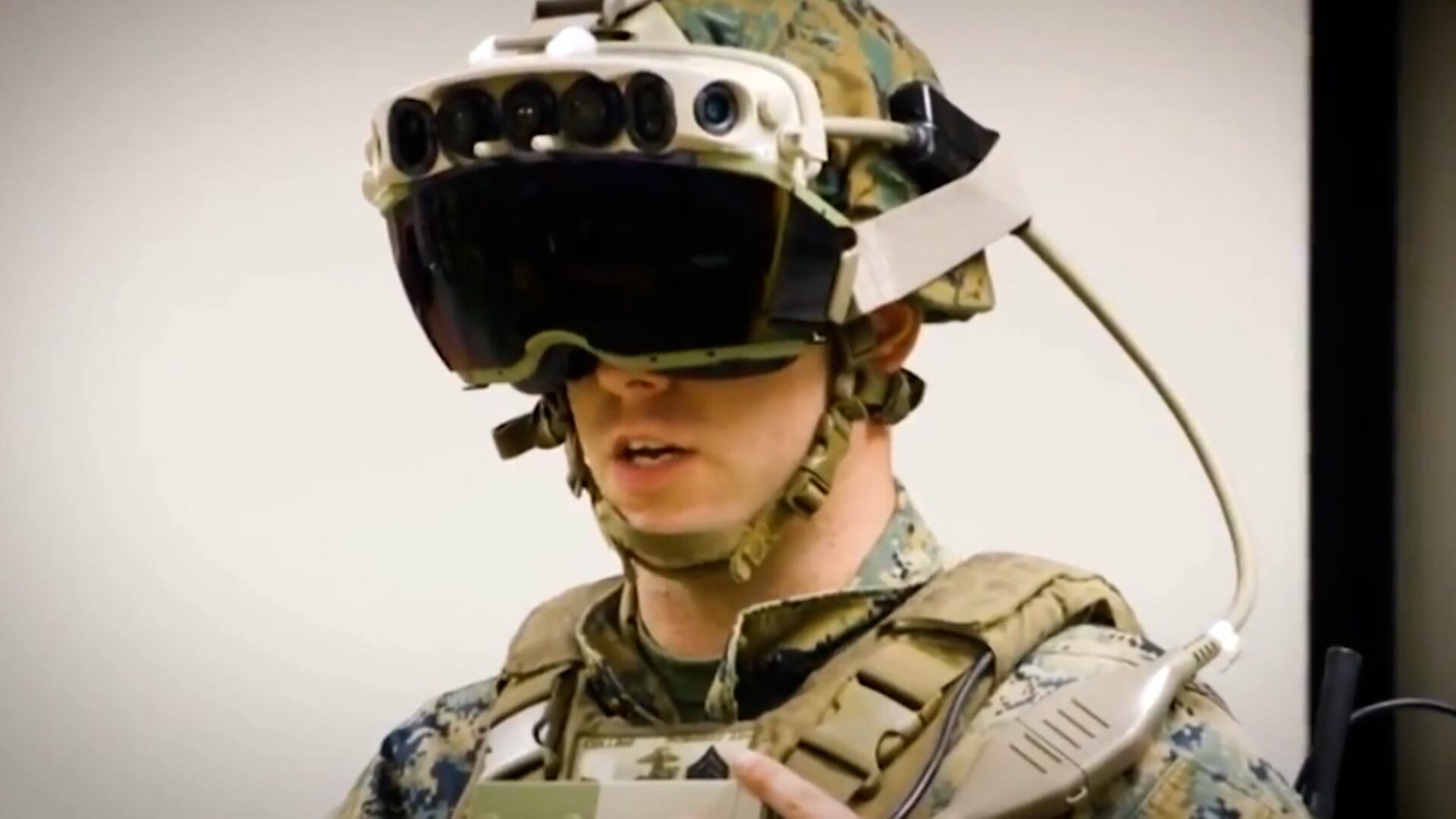
Tech giant Microsoft won a military contract for the production of its IVAS (integrated visual augmentation system) combat goggles, based on its HoloLens ARG tech, worth up to $21.9 billion over 10 years. However, the Pentagon is now saying that the device "has not yet demonstrated the capability to serve as a fighting goggle," and that the Army made mistakes in the program's initial stages by not clearly describing minimum performance standards. While testing continues, concerns have grown outside of the Defense Department to Congress and even within Microsoft itself. Cheddar's Ken Buffa takes a deeper look at the possible boondoggle.
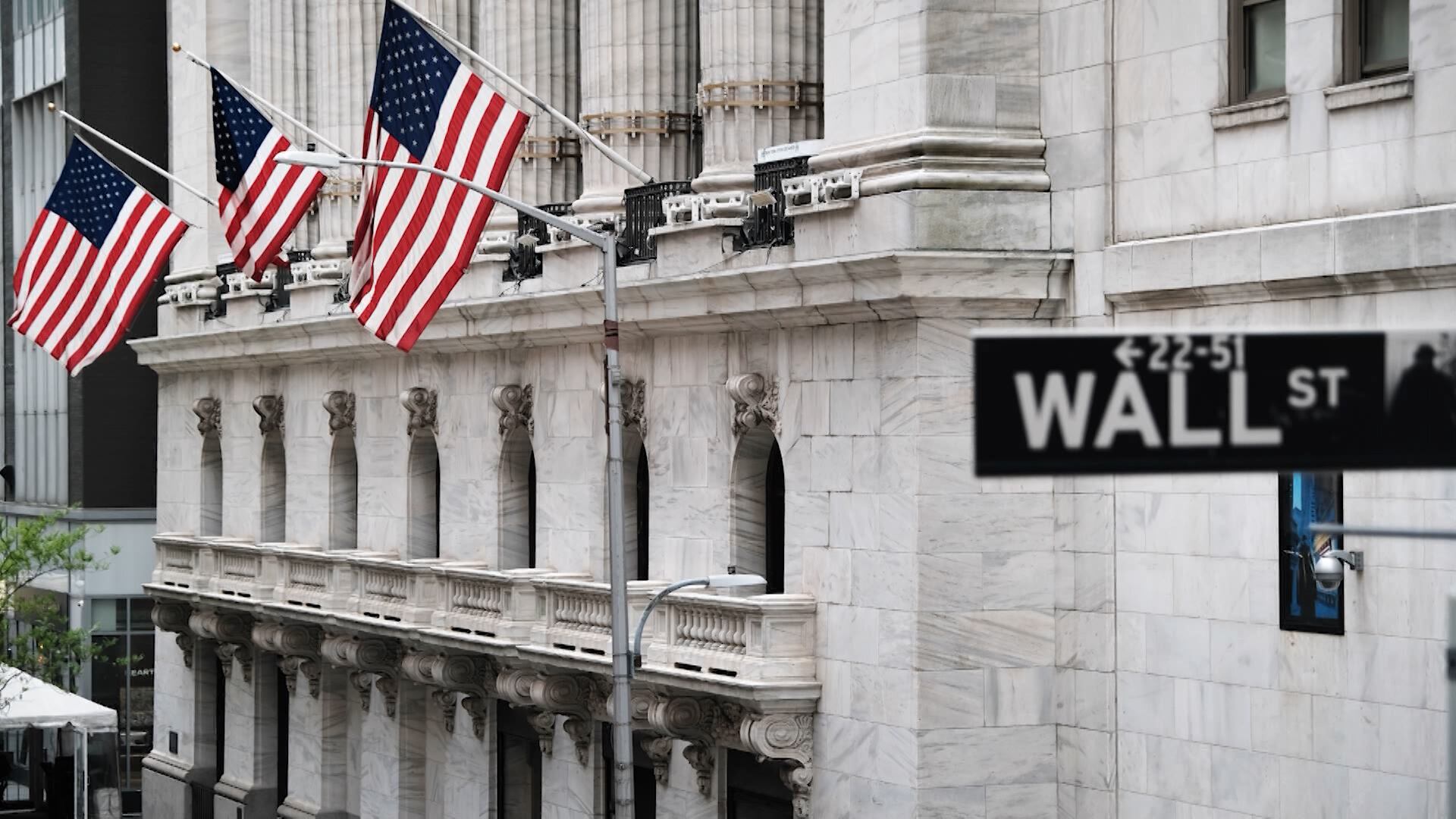
U.S. stocks fell sharply to close Tuesday's session, with the Nasdaq dropping 3.95% and hitting a new one-year low. Frances Newton Stacy, Director of Strategy for Optimal Capital, joins Cheddar News to discuss her reaction to how markets closed the session, and to break down Q3 2022 earnings from Microsoft. "Netflix was sort of the big warning, and I think Big Tech was down today in anticipation of these earnings," she says.
Florida Governor Ron DeSantis has signed into law a bill that strips Disney World of its special self-governing status. This came after Disney spoke out against Florida's so-called “Don’t Say Gay” bill, some saying in retaliation of that. Ben Means, Professor of Law and the John T. Campbell Chair in Business and Professional Ethics at the University of South Carolina School of Law, breaks down how the new law might impact Disney’s business moving forward.
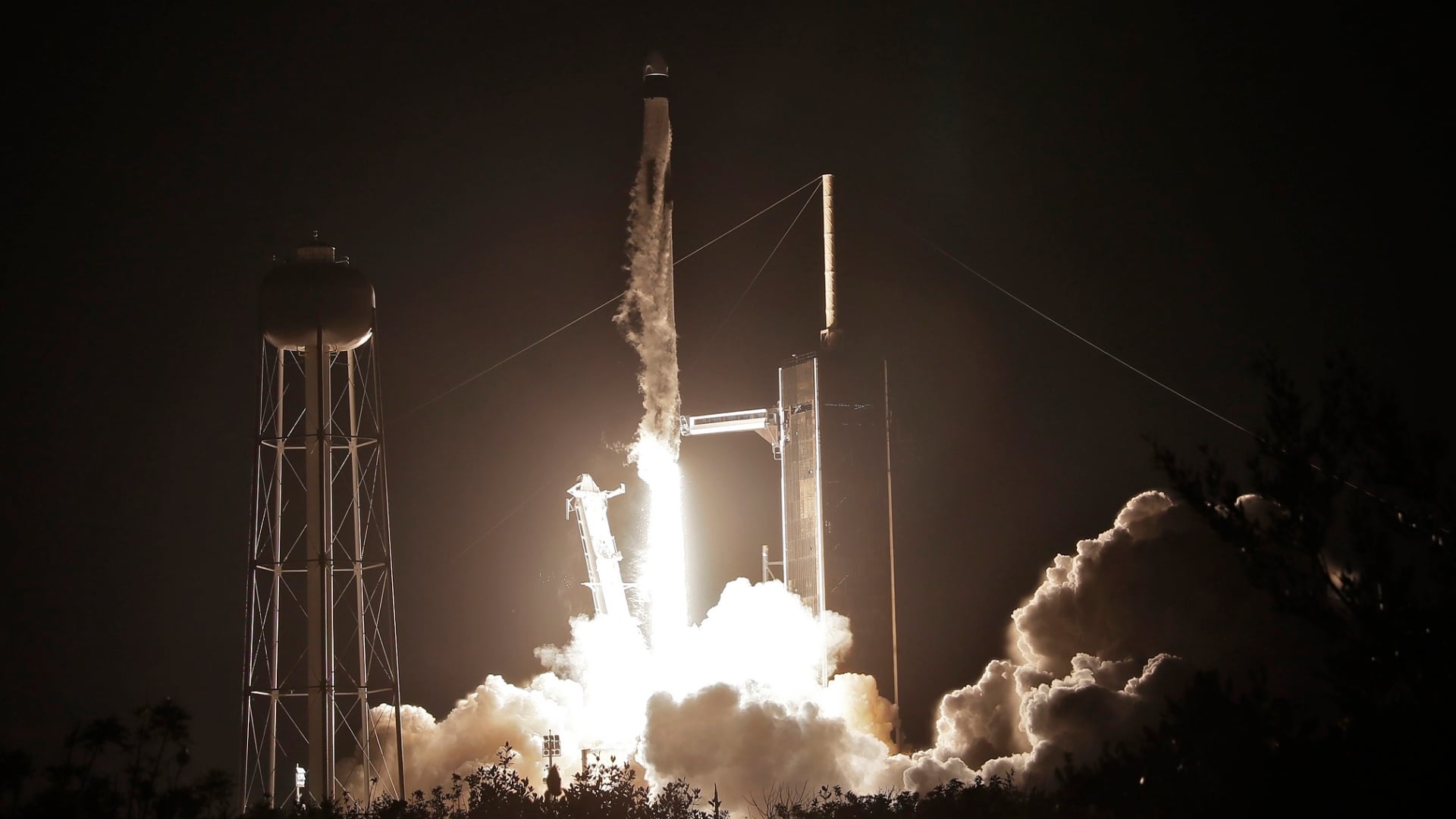
Catching you up on what you need to know on April 27, 2022, with Tesla stocks absorbing an initial hit following Elon Musk's purchase of Twitter, Russia pausing its natural gas supplies to Poland and Bulgaria, NASA's SpaceX Crew-4 mission taking off, and more.
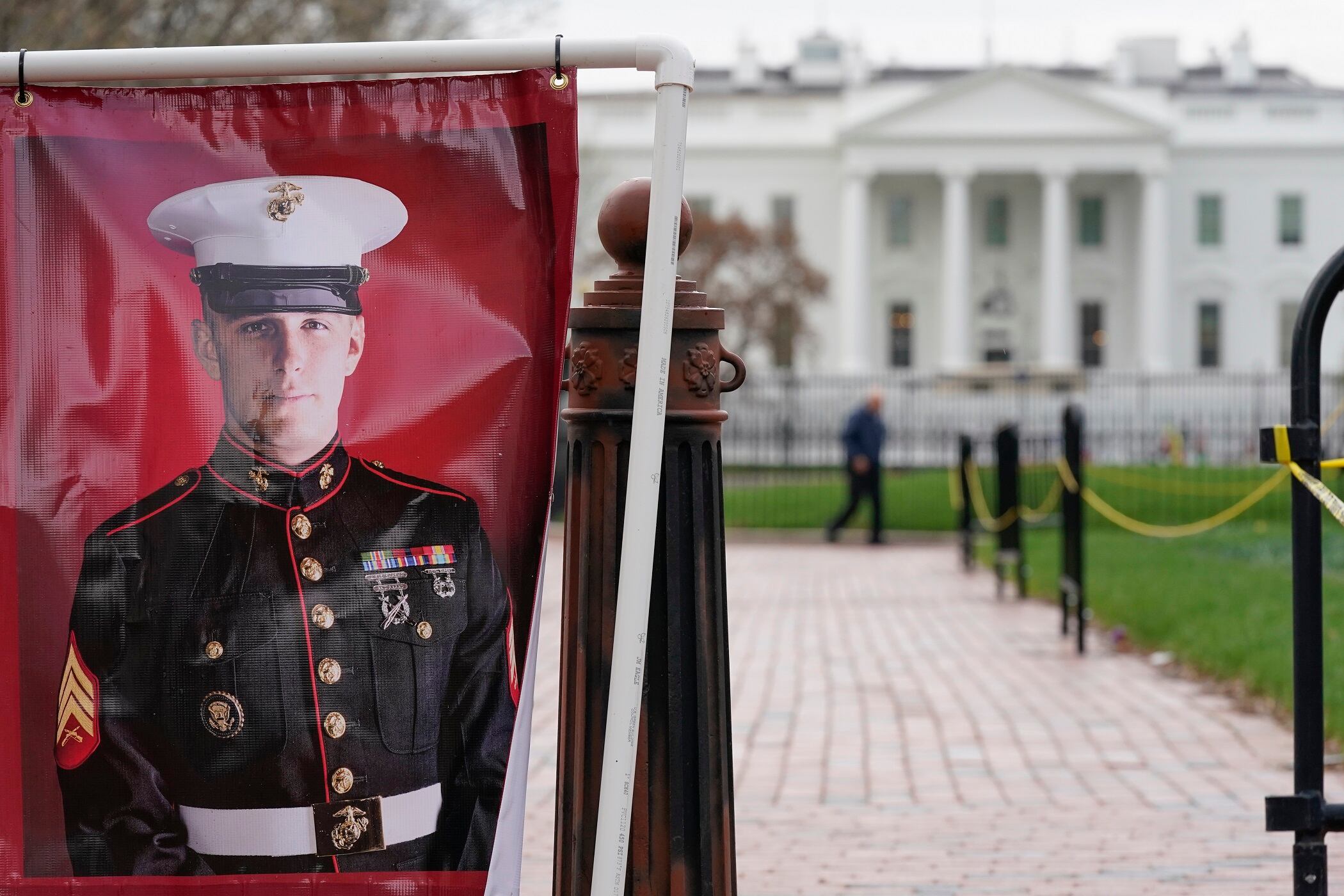
Russia and the United States have exchanged prisoners. Russia released a Marine veteran jailed in Moscow while the U.S. released a convicted Russian drug trafficker serving a prison sentence in Connecticut.