*By Alisha Haridasani* The Supreme Court on Tuesday upheld President Trump’s temporary ban on immigrants and refugees from several mostly Muslim countries, rejecting the arguments that the policy went beyond presidential powers and discriminated against one religion. “The president has lawfully exercised the broad discretion granted to him,” said Chief Justice John Roberts, [writing](http://cdn.cnn.com/cnn/2018/images/06/26/travel.ban.pdf) for the majority. The 5-4 ruling fell along partisan lines, and the difference between the two sides fundamentally boiled down to a close reading of the Constitution as it applied to the travel policy versus a broader approach to the case. "Certainly the conservative block of the Supreme Court was looking very narrowly at the president's power," said Joe Williams, senior news editor at U.S. News. "The opposing side was looking more at whether or not this was the right thing to do." The justices who dissented pointed to Trump's campaign promise to ban Muslims from entering the U.S. as potentially motivating the policy, in which case it would be unlawful. “The United States of America is a nation built upon the promise of religious liberty,” wrote Justice Sonia Sotomayor in a strongly-worded dissent. “The court’s decision today fails to safeguard that principle.” Judge Sotomayor even went so far as to compare Trump's policy to the internment of Japanese people during the second World War. But the majority of conservative judges concluded that the president's campaign rhetoric was irrelevant and didn't negate his right to determine immigration policies. The president responded jubilantly, describing the ruling as “a tremendous victory for the American people and for our Constitution.” Trump, in one of his first acts as commander-in-chief, signed an executive order last year that banned travel from Iraq, Syria, Iran, Libya, Somalia, Sudan, and Yemen for national security reasons. The policy, which many opponents perceived as thinly veiled religious bias, set off a national backlash and widespread protests. After two lower courts decided that the policy was both unconstitutional and [unlikely to protect the country](https://www.cnn.com/2017/02/09/politics/travel-ban-9th-circuit-ruling-full-text/index.html) from terrorism, the administration drew up a version that excluded Iraq and Sudan, added Chad, Venezuela, and North Korea, and contained waivers for green card holders or students. It didn't single out any religion in the text. A federal judge in Hawaii halted the implementation of that modified policy nationwide in October, and the Supreme Court ruling is related to that ruling. In December, the Supreme Court allowed the current version of the ban, weakened from its controversial initial form, to take effect while the case worked its way through the legal system. For the full segment, [click here.](https://cheddar.com/videos/scotus-upholds-trumps-travel-ban-2)

Share:
More In Politics
Sen. Blackburn Disappointed With Instagram's Lack of Specifics at Child Safety Hearing
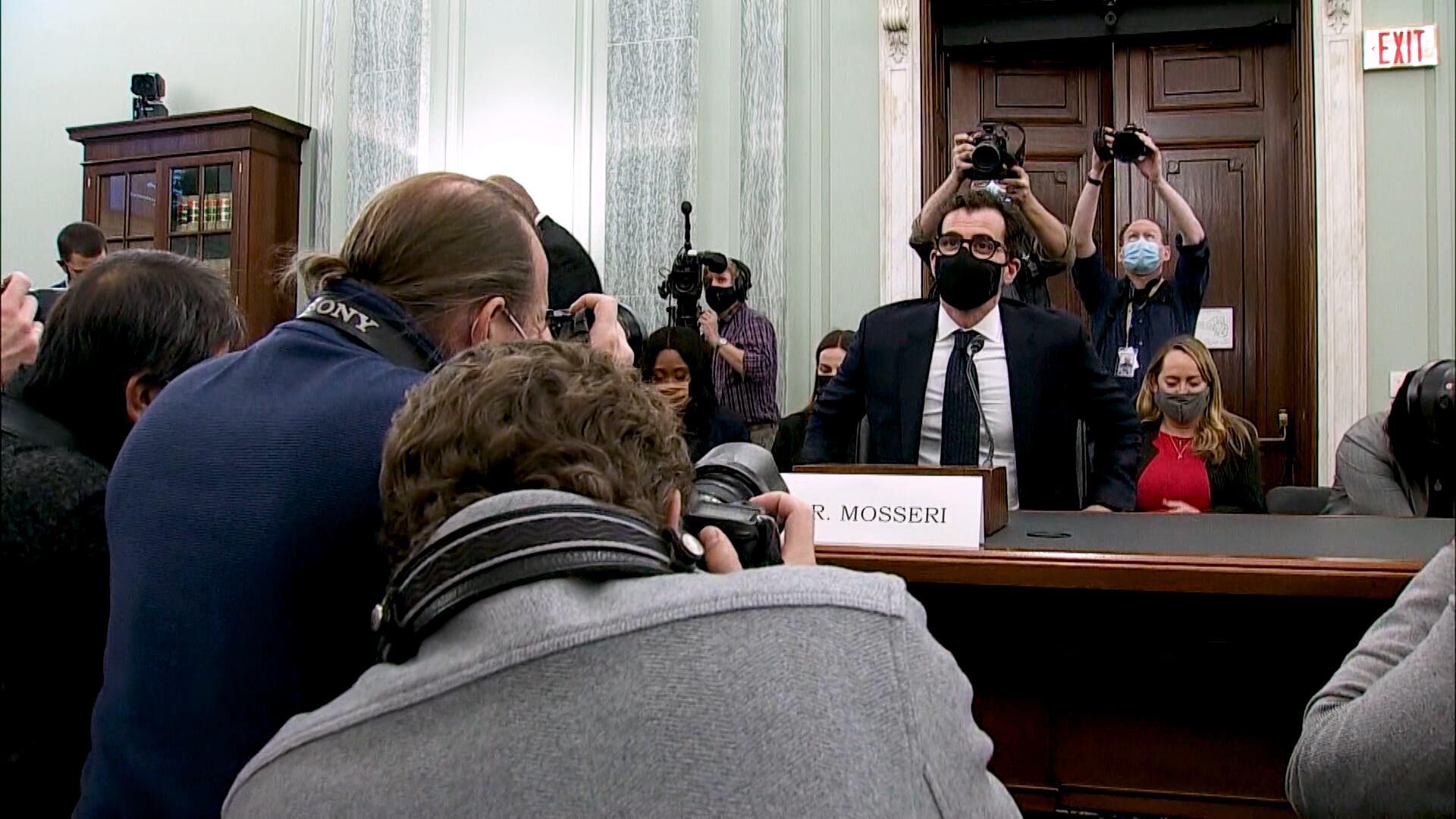
Instagram CEO Adam Mosseri faced a bipartisan Congressional grilling this week as the Senate inquired about safety practices for protecting the mental wellbeing of young people on the platform. Sen. Marsha Blackburn (R-Tenn.) joined Cheddar to talk about the hearing and how she was disappointed in Instagram coming unprepared with relevant information or documents. Blackburn also offered concern that the platform could continue with building a kids-only version despite having drawn significant opposition from the public.
Workers Demand Better Treatment Amid the Great Resignation
The Great Resignation has shown some signs of slowing in October with the number of those who quit their jobs falling by 4.7 percent to 4.16 million. This comes as worker strikes and calls for unionization ramp up. Jane Oates, president at WorkingNation joined Cheddar's "Opening Bell" to discuss the implications.
Markets Open Lower Despite Better-than-Expected Jobless Claims
U.S. markets opened lower despite positive jobs data, which saw weekly claims drop to a 52-year low. Kevin Nicholson, Co-CIO Global Fixed Income, RiverFront Investment Group joined Cheddar's Opening Bell to discuss the labor market, inflation, and the impact of the Omicron variant on global markets.
Trial Watch, Partygate & Fleeting Fame
A packed Thursday pod: Carlo and Baker cover the latest developments in the Ghislaine Maxwell, Jussie Smollett and Elizabeth Holmes trials. Plus, Dems are losing the Hispanic vote, Boris Johnson in trouble again, and is it possible that Adele has peaked?
Stocks Close Higher as Investors Shake Off Omicron Concerns
Jim Bruderman, Vice Chairman at 1879 Advisors, joins Cheddar News' Closing Bell, where he says investors experienced a 'panic attack' last week with the spread of the Omicron variant and the Fed's tapering plans. As a result, he says we're now seeing stocks climb due to a growing comfort level toward both developments.
Instagram Head Receives Bipartisan Anger Over App Impact on Teen Girl Mental Health"
Adam Mosseri, head of Instagram, faced withering questions on Capitol Hill about the reports the social media app was aware of the severe mental health impacts it was having on teenage girls. Karen Kornbluh, the director of digital innovation and democracy for the German Marshall Fund, joined Cheddar to discuss the rare show of bipartisan outrage on display at the Senate hearing. "The senators came really loaded for bear on both sides of the aisle," she said. Kornbluh explained how senators like Richard Blumenthal (D-Conn.) set up fake Instagram accounts with teen girl profiles in order to research the effects firsthand.
U.S.-China Relations Expert on Beijing Boycott
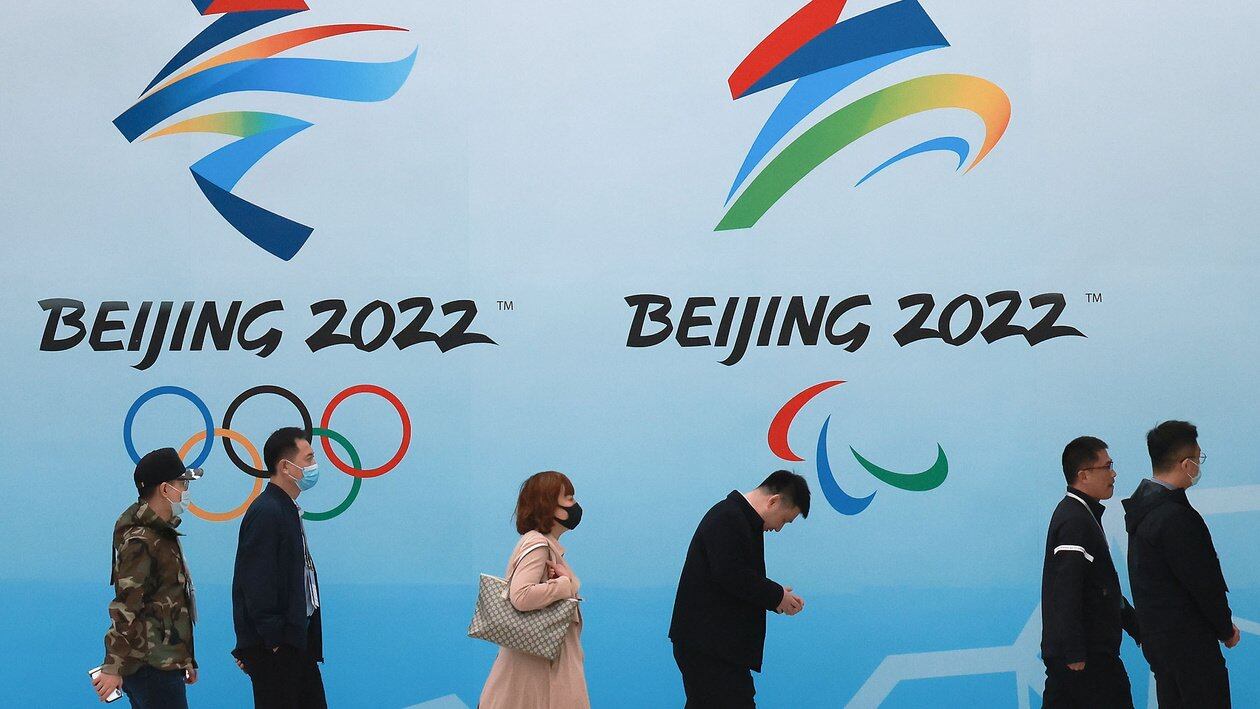
The Biden administration will not send an official U.S. delegation to the 2022 Winter Olympics in Beijing as a statement against China's "ongoing genocide and crimes against humanity in Xinjiang." Weifeng Zhong, senior research fellow at George Mason University's Mercatus Center, joins Cheddar News to discuss the boycott.
Load More