Scientific American Talks The Rise of Cryptocurrency
Jen Schwartz, senior editor and blockchain expert at Scientific American, talks the magazine's latest articles on the rise of Bitcoin and what impact cryptocurrencies may have on our future.
Schwartz digs into how what people currently love about cryptocurrency could be seen as a threat in the future. One of the positives of cryptocurrency is its lack of centralization and regulation. But if entire countries begin to use it as their national currency, everything citizens purchase will be seen by the government.
Schwartz digs into some of the biggest questions around the rise of Bitcoin today - how will it benefit everyday people in the long-term? What happens if the bubble bursts, and what will that do for investor trust in cryptocurrency?
Schwartz gives her advice for people looking to possibly invest in Bitcoin, adding that if you are not concerned with losing money and you're looking to experiment, make the investment. If risk is a big concern for you, investing in crypto right now may not be the right move.
Gerber parent company Perrigo issued a voluntary recall of Gerber's Good Start SoothePro Infant Formula "out of an abundance of caution" regarding a link to possible Cronobacter sakazakii contamination.
Sales of previously owned homes surged 14.5 percent in February, ending a 12-month streak of steady declines, according to the National Association of Realtors.
TikTok has rolled out updated rules and standards for content and its CEO warned against a possible U.S. ban on the video sharing app as he prepares to face Congress.
Foot Locker is planning to close 400 stores by 2026 as part of a "reset" of its retail brand. The relaunch could also introduce "experiential" new stores and shifting away from underperforming stores in malls, which currently account for 10 percent of its sales.
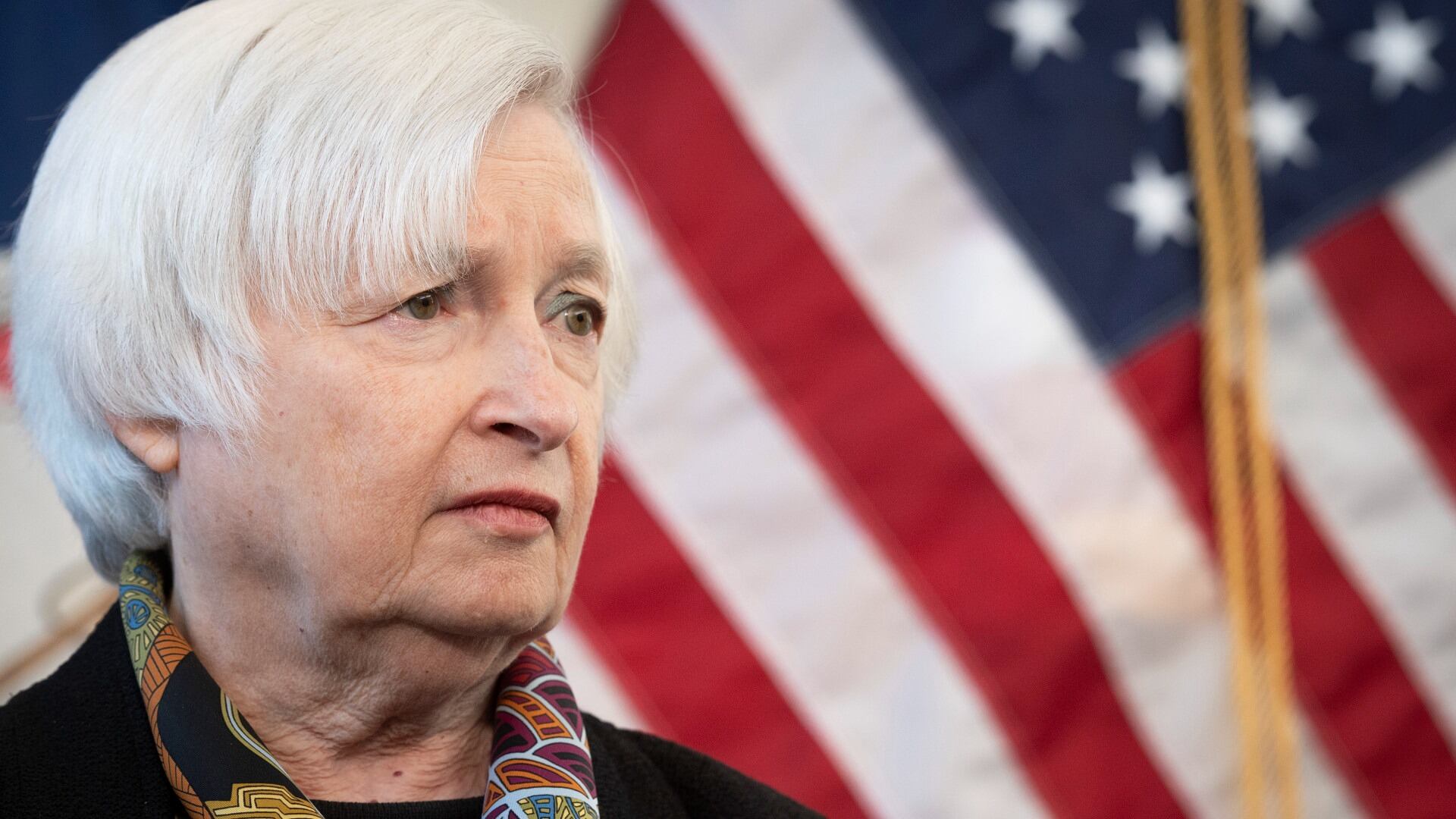
Treasury Secretary Janet Yellen is trying project calm after regional bank failures, saying the U.S. banking system is “sound” but additional rescue arrangements “could be warranted” if any new failures at smaller institutions pose a risk to financial stability.