Scientific American Talks The Rise of Cryptocurrency
Jen Schwartz, senior editor and blockchain expert at Scientific American, talks the magazine's latest articles on the rise of Bitcoin and what impact cryptocurrencies may have on our future.
Schwartz digs into how what people currently love about cryptocurrency could be seen as a threat in the future. One of the positives of cryptocurrency is its lack of centralization and regulation. But if entire countries begin to use it as their national currency, everything citizens purchase will be seen by the government.
Schwartz digs into some of the biggest questions around the rise of Bitcoin today - how will it benefit everyday people in the long-term? What happens if the bubble bursts, and what will that do for investor trust in cryptocurrency?
Schwartz gives her advice for people looking to possibly invest in Bitcoin, adding that if you are not concerned with losing money and you're looking to experiment, make the investment. If risk is a big concern for you, investing in crypto right now may not be the right move.
The Federal Deposit Insurance Corp. is set to pay almost $23 billion to stabilize the banking sector. That money comes from an insurance fund that is refilled through fees paid by banks. Now the agency is considering a special assessment on the entire industry to help make up the costs, according to a Bloomberg report.
About 61% of Americans say the economy is impacting their mental health, according to a PayPal survey. Shanthi Sarkar, vice president of financial services at PayPal, joined Cheddar News to break down some key takeaways from the survey and offer tips on saving and managing money.
Monthly VC funding fell below $20 billion in February, marking a two-year low. Jager McConnell, CEO of Crunchbase, joined Cheddar News to discuss the current funding climate and what lies ahead.
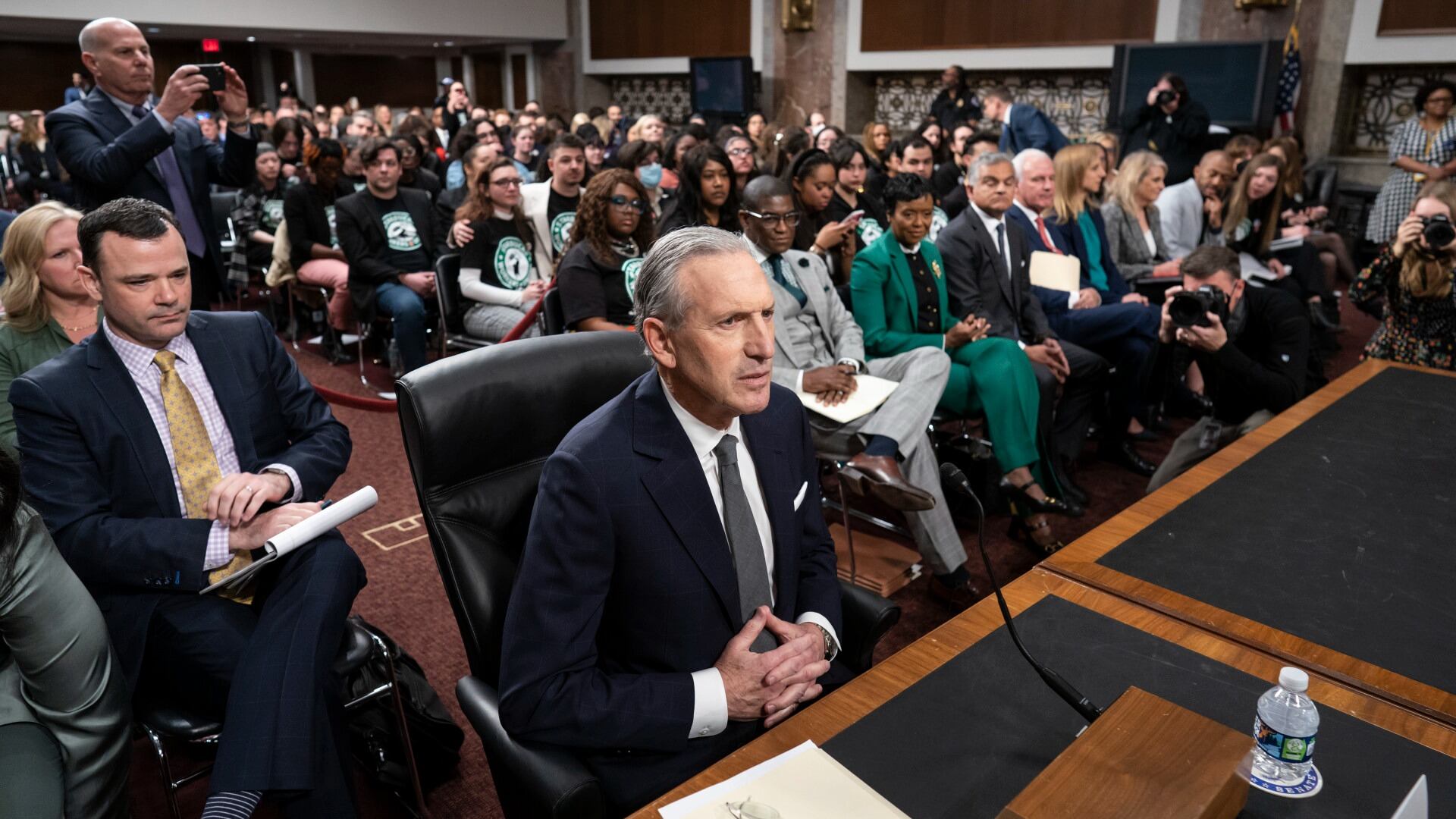
Longtime Starbucks CEO Howard Schultz is facing sharp questioning before the Senate Health, Education, Labor and Pensions Committee where he is defending the company’s actions during an ongoing unionizing campaign.
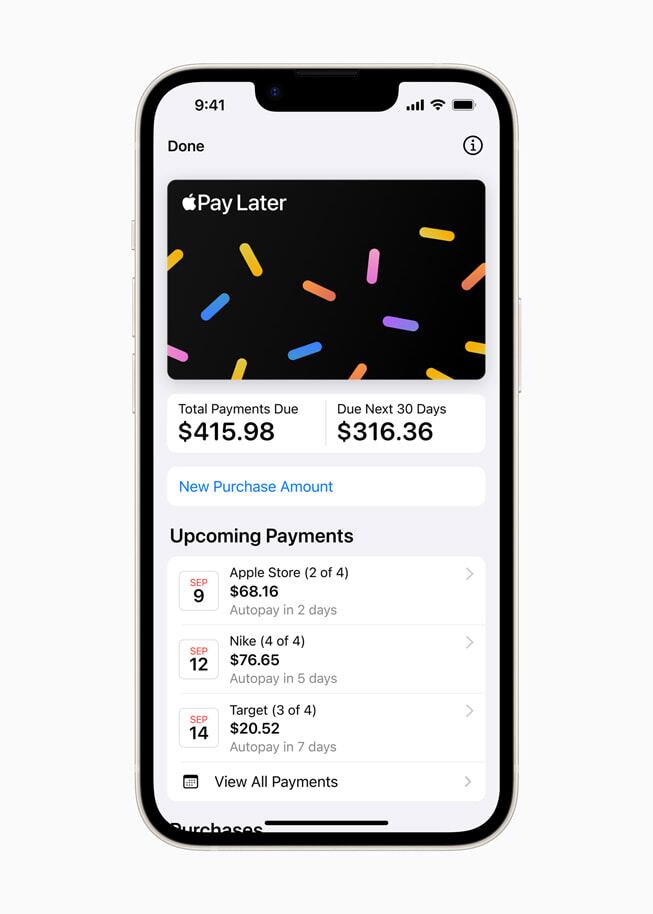
Apple Pay is getting in on the buy now pay later boom with a feature allowing users to split purchases into four separate payments over six weeks at no additional cost or interest.