Scientific American Talks The Rise of Cryptocurrency
Jen Schwartz, senior editor and blockchain expert at Scientific American, talks the magazine's latest articles on the rise of Bitcoin and what impact cryptocurrencies may have on our future.
Schwartz digs into how what people currently love about cryptocurrency could be seen as a threat in the future. One of the positives of cryptocurrency is its lack of centralization and regulation. But if entire countries begin to use it as their national currency, everything citizens purchase will be seen by the government.
Schwartz digs into some of the biggest questions around the rise of Bitcoin today - how will it benefit everyday people in the long-term? What happens if the bubble bursts, and what will that do for investor trust in cryptocurrency?
Schwartz gives her advice for people looking to possibly invest in Bitcoin, adding that if you are not concerned with losing money and you're looking to experiment, make the investment. If risk is a big concern for you, investing in crypto right now may not be the right move.
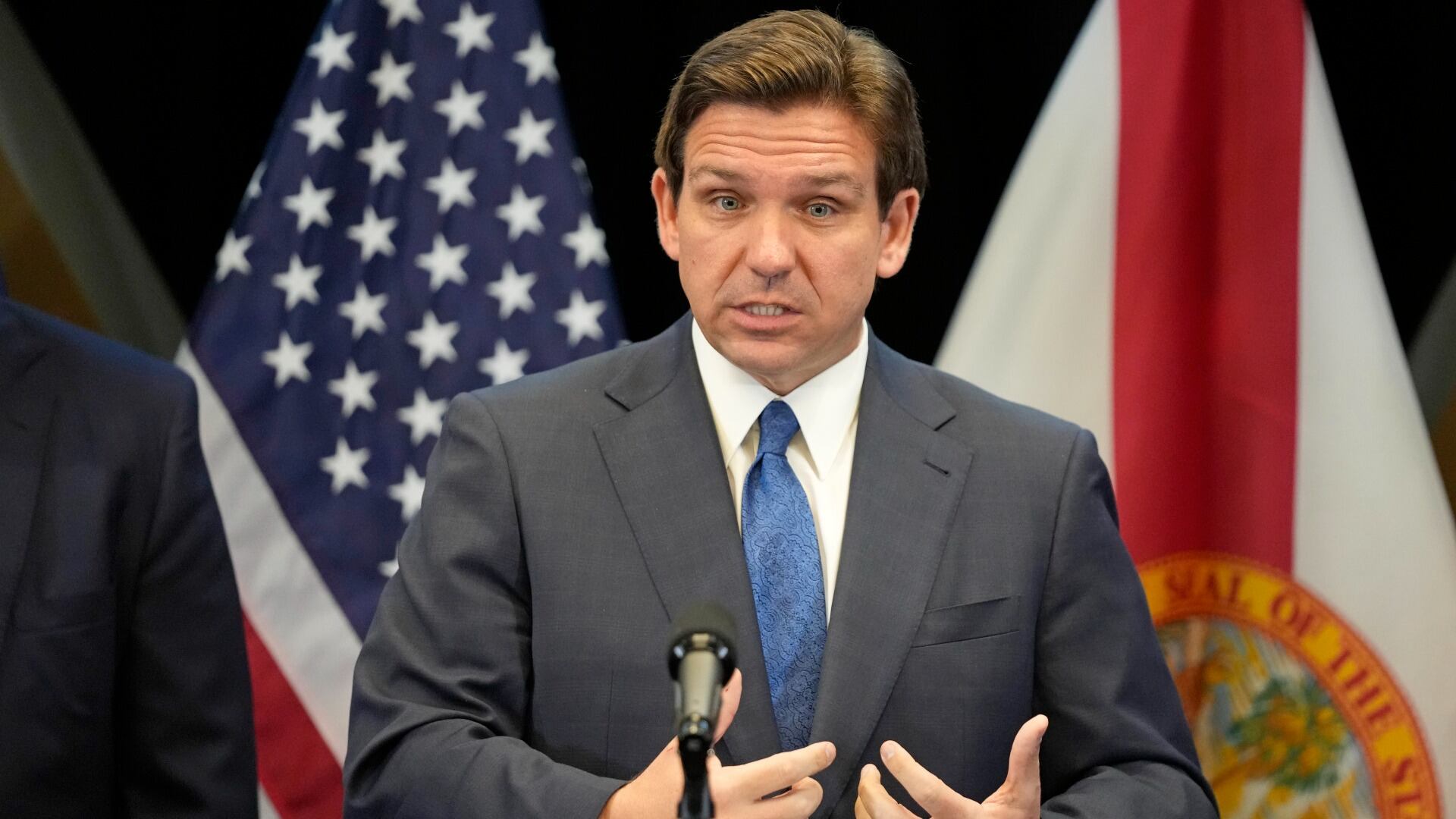
Farmers Insurance became the latest property insurance company to pull out of Florida on Tuesday despite repeated efforts by Republican Gov. Ron DeSantis and the Legislature have made to try to calm the volatile market that is making homeownership less affordable.
Nearly 30,000 people in Mississippi were dropped from the state's Medicaid program after an eligibility review that the government ended during the pandemic.
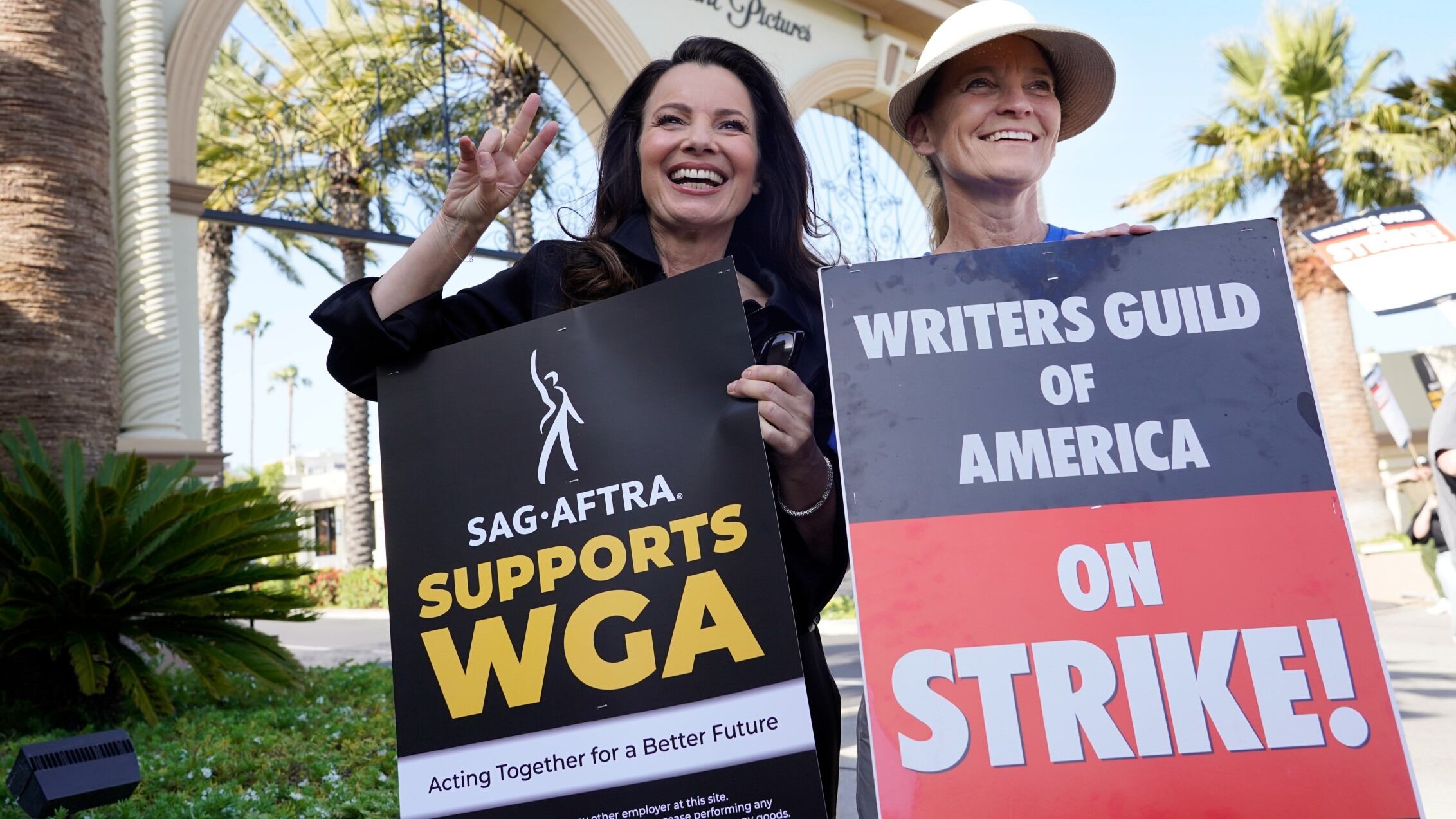
Unionized Hollywood actors on the verge of a strike have agreed to allow a last-minute intervention from federal mediators but say they doubt a deal will be reached by a negotiation deadline late Wednesday.
Squeezed by painfully high prices for two years, America’s households have gained some much-needed relief with inflation reaching its lowest point since early 2021 — 3% in June compared with a year earlier — thanks in part to easing prices for gasoline, airline fares, used cars and groceries.
A federal judge has handed Microsoft a major victory by declining to block its looming $69 billion takeover of video game company Activision Blizzard. Regulators sought to ax the deal saying it will hurt competition.