Scientific American Talks The Rise of Cryptocurrency
Jen Schwartz, senior editor and blockchain expert at Scientific American, talks the magazine's latest articles on the rise of Bitcoin and what impact cryptocurrencies may have on our future.
Schwartz digs into how what people currently love about cryptocurrency could be seen as a threat in the future. One of the positives of cryptocurrency is its lack of centralization and regulation. But if entire countries begin to use it as their national currency, everything citizens purchase will be seen by the government.
Schwartz digs into some of the biggest questions around the rise of Bitcoin today - how will it benefit everyday people in the long-term? What happens if the bubble bursts, and what will that do for investor trust in cryptocurrency?
Schwartz gives her advice for people looking to possibly invest in Bitcoin, adding that if you are not concerned with losing money and you're looking to experiment, make the investment. If risk is a big concern for you, investing in crypto right now may not be the right move.
If you're shopping on Amazon and want to save even more money after Prime Day, Cheddar News has got you covered. Senior reporter Michelle Castillo talked to the experts at the company to find out how you can keep an eye on deals and even get cash back on your household purchases.
Did you happen to watch the series The Bear? The show follows a struggling small business owner in Chicago who is trying to save his business. It's a story a lot of small business owners in the U.S. can relate to. To help out these struggling entrepreneurs, Cheddar News brought on an expert here to help take your company from stressful to successful.
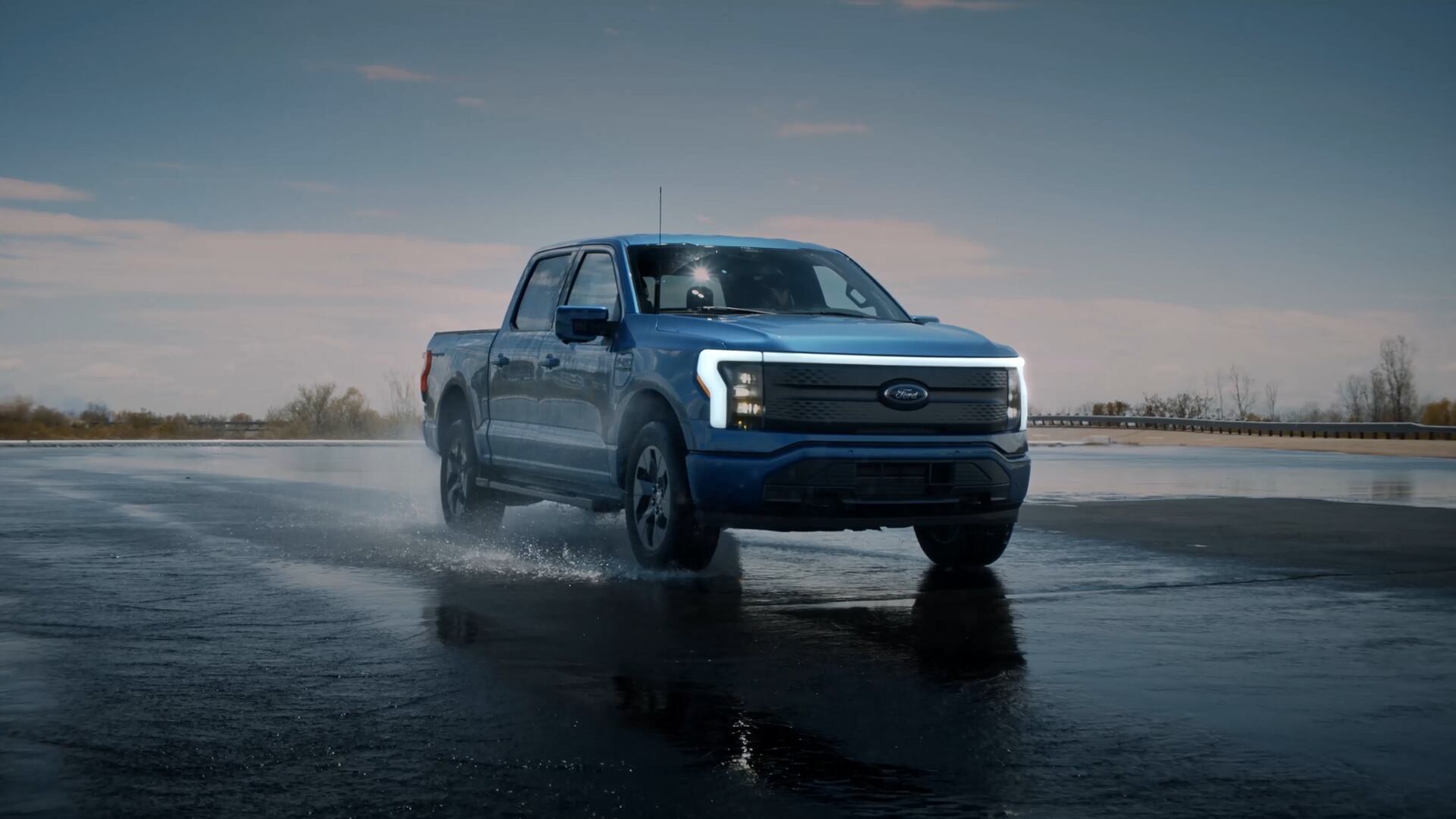
The sticker prices for Ford's F-150 Lightning electric pickup trucks are being lowered by thousands of dollars across the board, the company said Monday, due to increased plant capacity, falling costs for battery raw materials and internal efforts to scale production by the Detroit automaker.
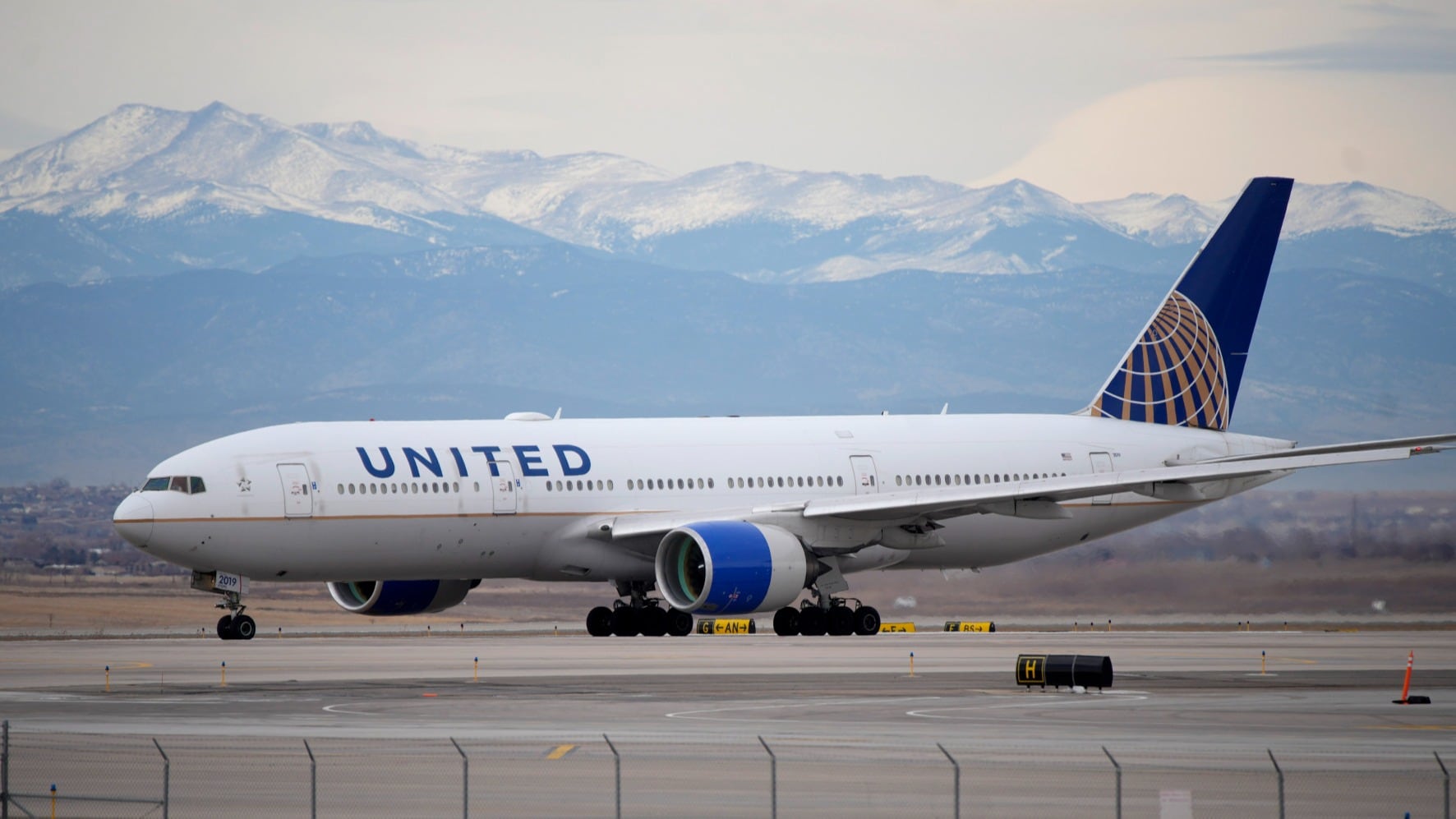
United Airlines and the union representing its pilots said Saturday they reached agreement on a contract that will raise pilot pay by up to 40% over four years.
The court’s ruling applies to higher education institutions and other entities that receive federal funding and doesn’t directly change private employer obligations, but business leaders might pull back diversity, equity and inclusion programs to avoid lawsuits.