Scientific American Talks The Rise of Cryptocurrency
Jen Schwartz, senior editor and blockchain expert at Scientific American, talks the magazine's latest articles on the rise of Bitcoin and what impact cryptocurrencies may have on our future.
Schwartz digs into how what people currently love about cryptocurrency could be seen as a threat in the future. One of the positives of cryptocurrency is its lack of centralization and regulation. But if entire countries begin to use it as their national currency, everything citizens purchase will be seen by the government.
Schwartz digs into some of the biggest questions around the rise of Bitcoin today - how will it benefit everyday people in the long-term? What happens if the bubble bursts, and what will that do for investor trust in cryptocurrency?
Schwartz gives her advice for people looking to possibly invest in Bitcoin, adding that if you are not concerned with losing money and you're looking to experiment, make the investment. If risk is a big concern for you, investing in crypto right now may not be the right move.
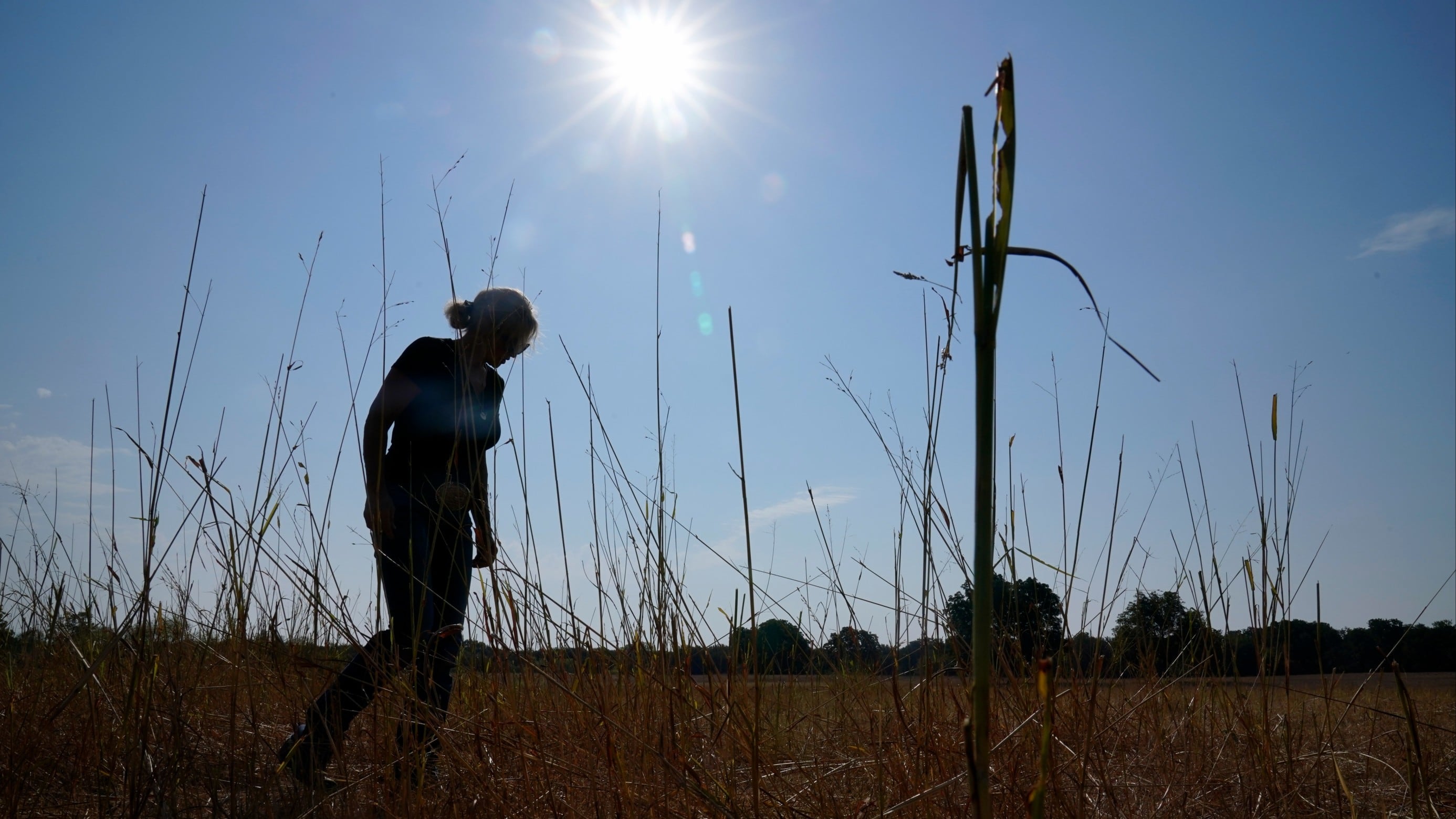
Irrigation might have saved Jackson's hay, but she and her husband rejected the idea about 10 years ago over the cost: as much as $75,000 for a new well and all the equipment. But now — with an extended drought and another U.S. heat wave this week that will broil her land about an hour northwest of Dallas for days in 100-degree-plus temperatures — Jackson said she is “kind of rethinking.”
Children’s advocacy groups including Fairplay and Common Sense Media are asking the Federal Trade Commission to investigate Google, saying the tech giant serves personalized ads to kids on YouTube despite federal law prohibiting the practice.
U.S. regulators on Wednesday announced a settlement with the company that runs Dollar Tree and Family Dollar aimed at improving worker safety at thousands of the bargain stores across the country.