Purdue Pharma, the embattled maker of the drug OxyContin, finds itself close to settling some of the thousands of lawsuits filed against it for the company's role in fueling the ongoing opioid epidemic.
The settlement forces the Sackler family to give up control of the Stamford, Connecticut-based business, according to the Associated Press, while the company will pay up to $12 billion over time.
Arizona Attorney General Mark Brnovic stated that the deal was the fastest way to help communities hit hard by the crisis while also increasing the payout initially offered by the defendant.
The pharmaceutical giant had been facing lawsuits from thousands of state, local, and Native American tribal governments. About 2,000 governments have agreed to the tentative deal, but about half of the states have not signed on.
"The families who were hurt by Purdue and the Sacklers have spoken loud and clear that this case demands real accountability, and I will continue to fight for that," Massachusetts Attorney General Maura Healey, who did not agree to the terms, wrote in a statement according to WBUR. “It’s critical that all the facts come out about what this company and its executives and directors did, that they apologize for the harm they caused, and that no one profits from breaking the law."
New Jersey Attorney General Gurbir Grewal also refrained from endorsing the settlement saying on Twitter, “New Jersey will continue to pursue all available legal options against those responsible. And if Purdue cannot pay for the harm it inflicted, the Sacklers will.”
The potential settlement comes two weeks after Johnson & Johnson was ordered to pay Oklahoma $572 million for its part in spreading addictive painkillers, a landmark first court decision during the opioid crisis that still fell short of the $17.2 billion the state was pursuing.
In March, Purdue and the Sacklers settled with the Sooner State for $272 million to pay for treatment, addiction research, and the state's legal fees.
Stephen Kates, Financial Analyst at Bankrate, joins to discuss the Fed’s 25-basis-point rate cut, inflation risks, and what it all means for consumers and marke
Big tech earnings take center stage as investors digest results from Alphabet, Meta, Microsoft, Amazon, and Apple, with insights from Gil Luria of D.A. Davidson
Disney content has gone dark on YouTube TV, leaving subscribers of the Google-owned live streaming platform without access to major networks like ESPN and ABC. That’s because the companies have failed to reach a new licensing deal to keep Disney channels on YouTube TV. Depending on how long it lasts, the dispute could particularly impact coverage of U.S. college football matchups over the weekend — on top of other news and entertainment disruptions that have already arrived. In the meantime, YouTube TV subscribers who want to watch Disney channels could have little choice other than turning to the company’s own platforms, which come with their own price tags.
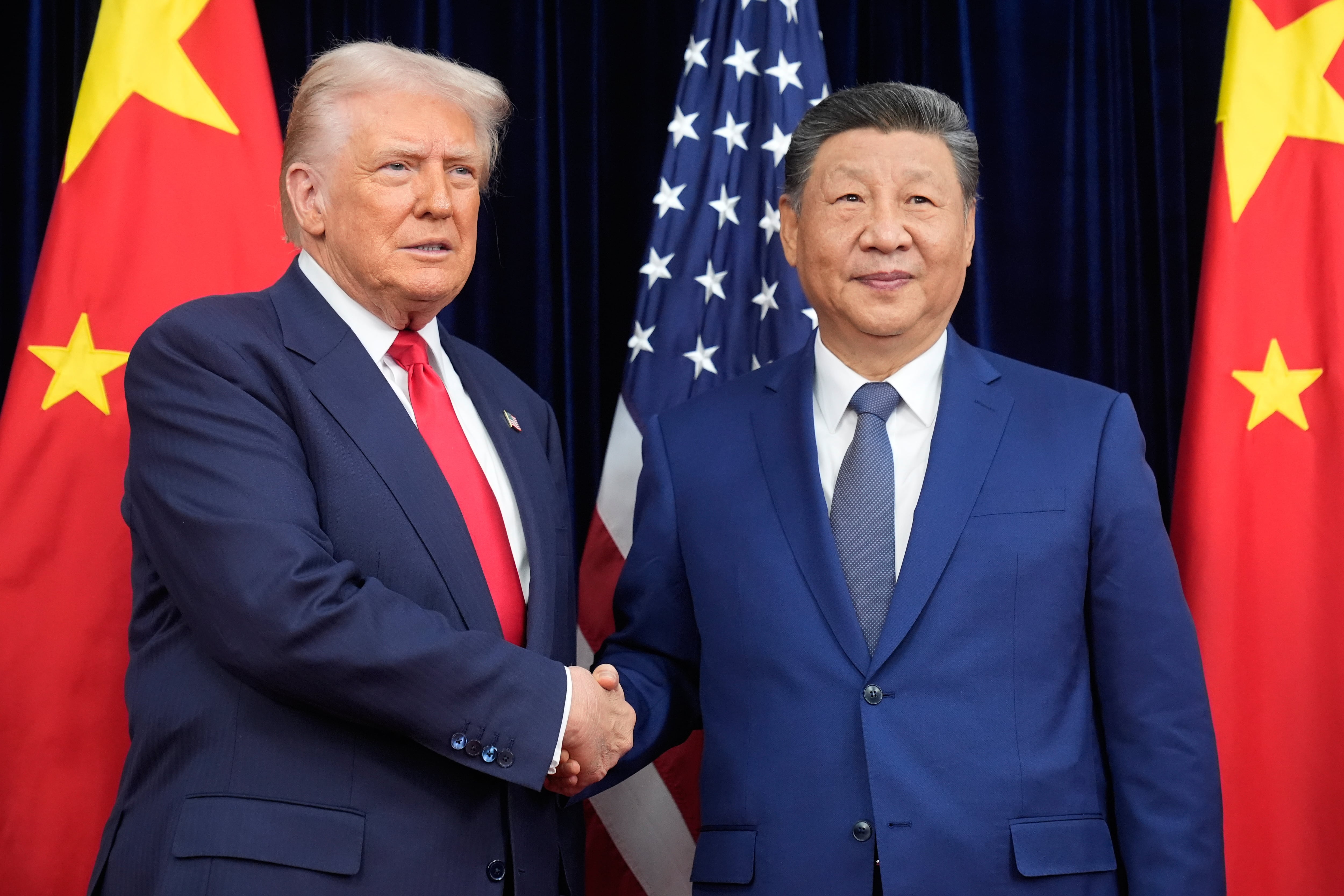
President Donald Trump said he has decided to lower his combined tariff rates on imports of Chinese goods to 47% after talks with Chinese leader Xi Jinping on curbing fentanyl trafficking.
Universal Music Group and AI platform Udio have settled a copyright lawsuit and will collaborate on a new music creation and streaming platform. The companies announced on Wednesday that they reached a compensatory legal settlement and new licensing agreements. These agreements aim to provide more revenue opportunities for Universal's artists and songwriters. The rise of AI song generation tools like Udio has disrupted the music streaming industry, leading to accusations from record labels. This deal marks the first since Universal and others sued Udio and Suno last year. Financial terms of the settlement weren't disclosed.