Russian officials on Tuesday rejected accusations that they endangered astronauts aboard the International Space Station by conducting a weapons test that created more than 1,500 pieces of space junk.
U.S. officials on Monday accused Russia of destroying an old satellite with a missile in what they called a reckless and irresponsible strike. The debris could do major damage to the space station as it is orbiting at 17,500 mph (28,000 kph).
Astronauts now face four times greater risk than normal, NASA Administrator Bill Nelson told The Associated Press.
The test clearly demonstrates that Russia, “despite its claims of opposing the weaponization of outer space, is willing to ... imperil the exploration and use of outer space by all nations through its reckless and irresponsible behavior,” U.S. Secretary of State Antony Blinken said in a statement.
The Russian space agency Roscosmos wouldn't confirm or deny that the strike took place, saying only that “unconditional safety of the crew has been and remains our main priority” in a vague online statement released Tuesday.
Russia's Defense Ministry on Tuesday confirmed carrying out a test and destroying a defunct satellite that has been in orbit since 1982, but insisted that “the U.S. knows for certain that the resulting fragments, in terms of test time and orbital parameters, did not and will not pose a threat to orbital stations, spacecraft and space activities” and called remarks by U.S. officials “hypocritical.” Defense Minister Sergei Shoigu said that the strike was carried out “with surgical precision” and posed no threat to the space station.
Russia's Foreign Minister Sergey Lavrov also charged that it is “hypocrisy" to say that Russia creates risks for peaceful activities in space.
Once the situation became clear early Monday morning, the four Americans, one German and two Russians on board the International Space Station were ordered to immediately seek shelter in their docked capsules. They spent two hours in the two capsules, finally emerging only to have to close and reopen hatches to the station’s individuals labs on every orbit, or 1 1/2 hours, as they passed near or through the debris.
NATO Secretary-General Jens Stoltenberg agreed that Russia’s actions endangered the space station.
“This was a reckless act by Russia to actually shoot down and destroy a satellite as part of a test of an anti-satellite weapon system,” which created a lot of space debris, Stoltenberg told reporters in Brussels.
He said it was of additional concern “because it demonstrates that Russia is now developing new weapons systems that can shoot down the satellites, can destroy important space capabilities for basic infrastructure on Earth, like communications, like navigation, or like early warning of missile launches.”
NASA Mission Control said the heightened threat could continue to interrupt the astronauts’ science research and other work. Four of the seven crew members only arrived at the orbiting outpost Thursday night.
A similar weapons test by China in 2007 also resulted in countless pieces of debris. One of those threatened to come dangerously close to the space station last week. While it later was dismissed as a risk, NASA had the station move anyway.
Anti-satellite missile tests by the U.S. in 2008 and India in 2019 were conducted at much lower altitudes, well below the space station at about 260 miles (420 kilometers.)
___
Marcia Dunn in Cape Canaveral, Florida, and Lorne Cook in Brussels contributed to this report.
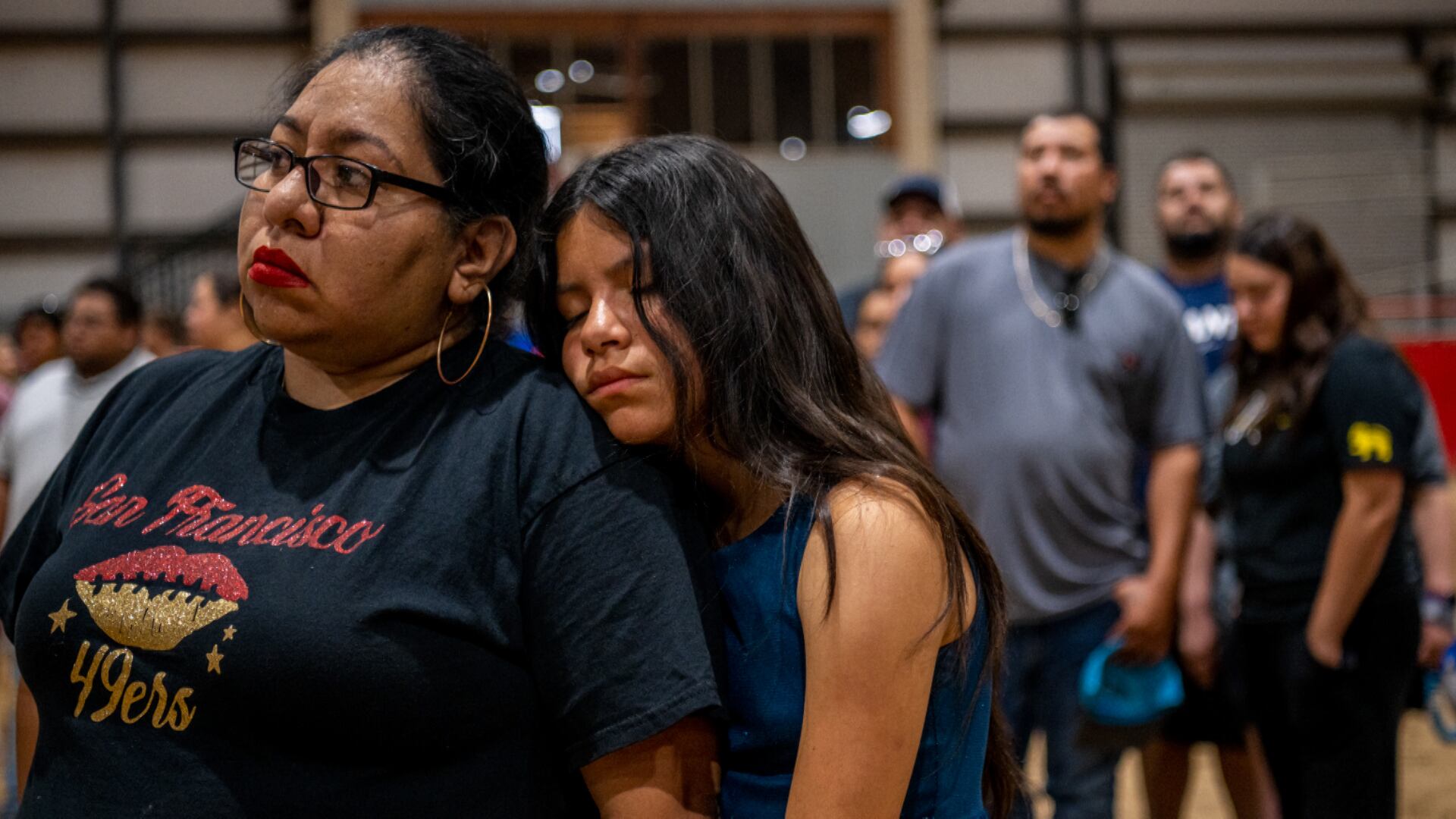
The school shooting in Texas that left 19 children and 2 teachers dead has reignited the debate over gun control.
The tragedy in Uvalde is the deadliest school shooting in nearly a decade and marks the latest in a string of mass shootings in the country. Jared Moskowitz, Broward County Commissioner and candidate for Congress in FL-23, joined Cheddar's Opening Bell to discuss why gun control measures are stalled in the Senate, and where legislation can move forward from here.
Police and detectives are still investigating the tragic school shooting in Uvalde, Texas that killed 19 children and two adults. Cheddar News was joined by Kirk Burkhalter, professor at New York Law School and former NYPD detective to gain some insight on what investigators are looking for and what comes next.
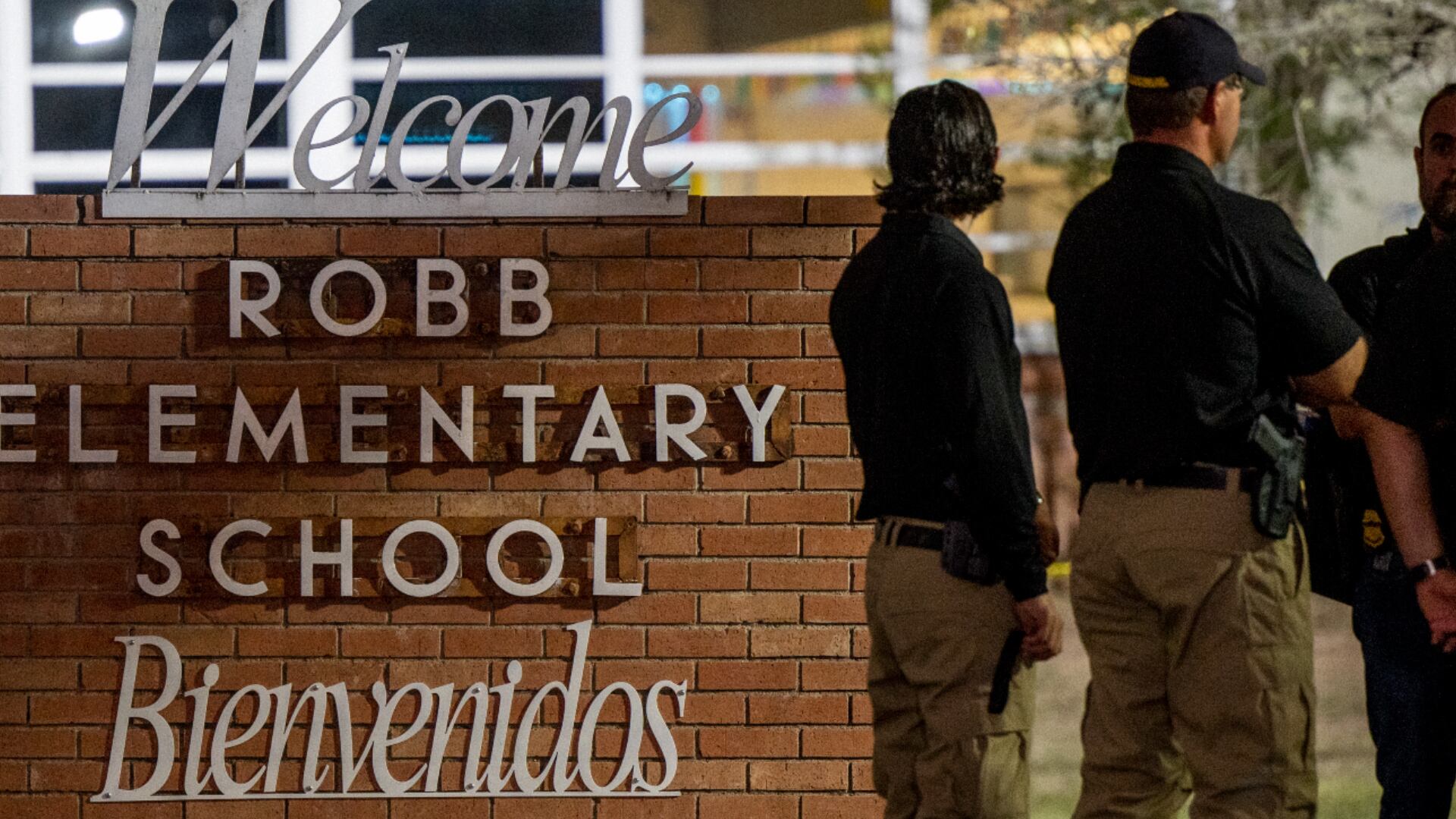
Texas authorities say the gunman who massacred 21 people at an elementary school was in the building for over an hour before he was killed by law enforcement officers.
Join Cheddar News as we break down the top headlines for Thursday, May 26 including updates on the Texas school shooting, President Joe Biden's executive order on police reform, and a recount in the Pennsylvania GOP Senate primary.
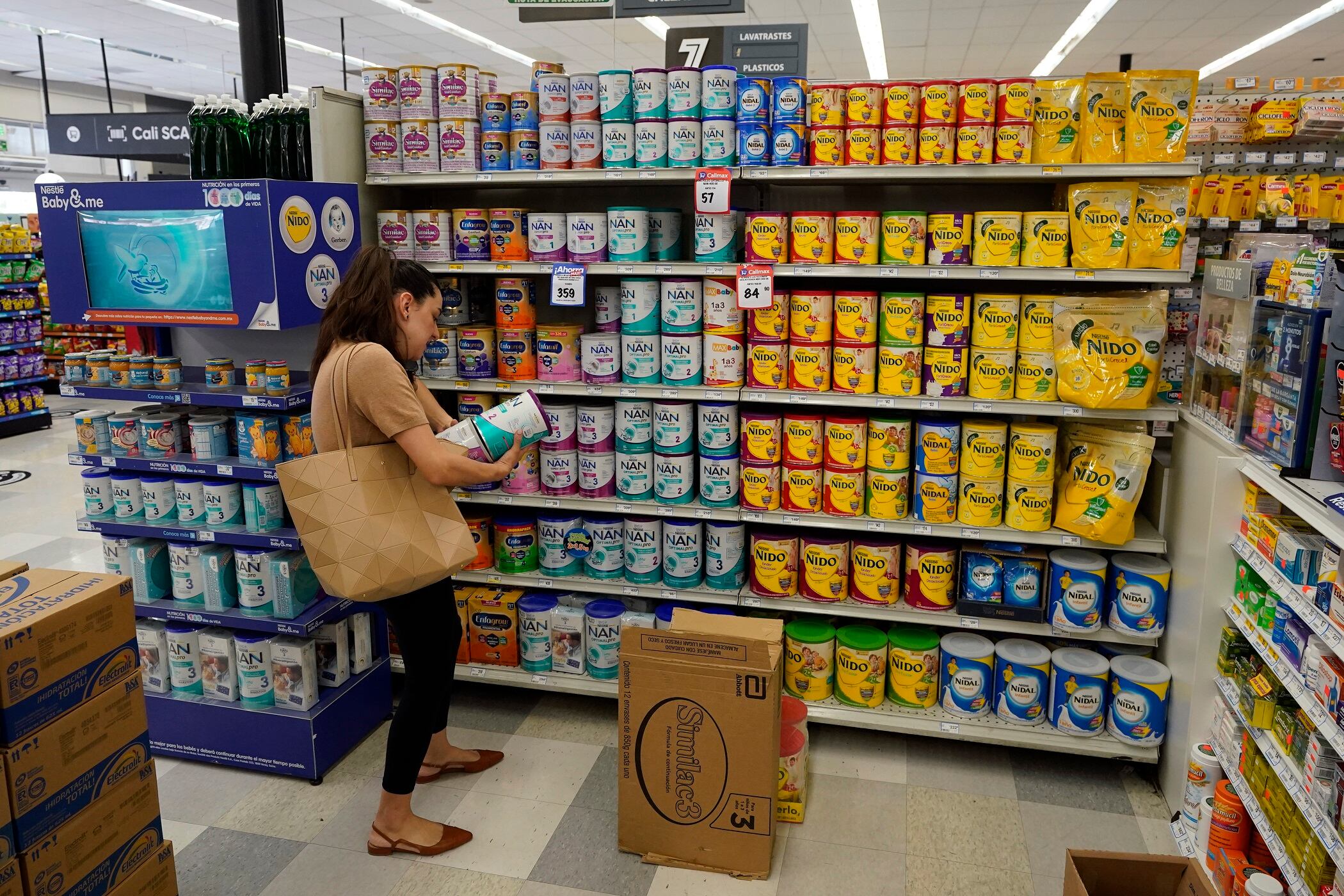
Representative Morgan Griffith of Virginia rebuked words from the FDA commissioner that could have been construed as blaming parents for stockpiling baby formula exacerbating the shortage.
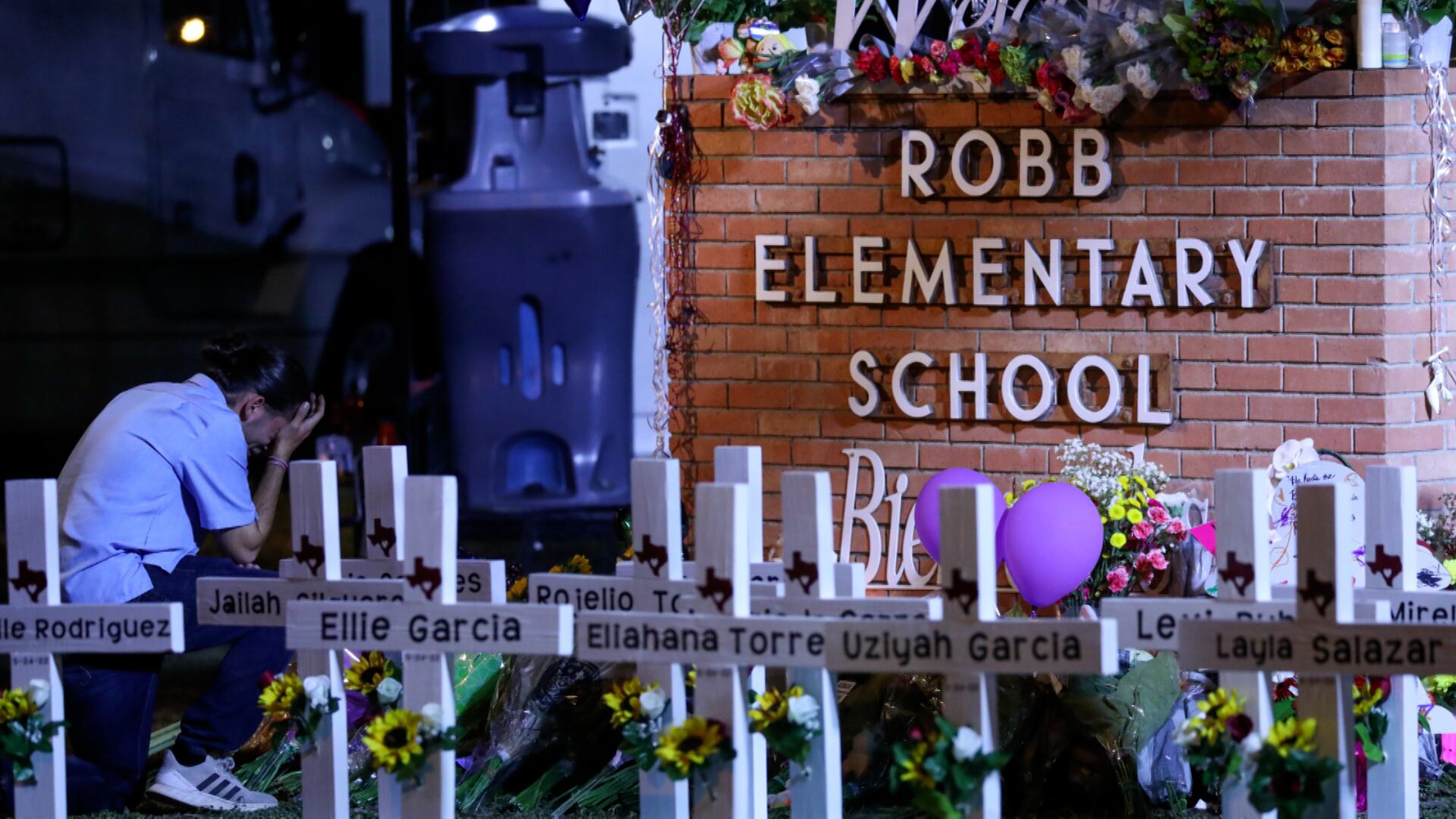
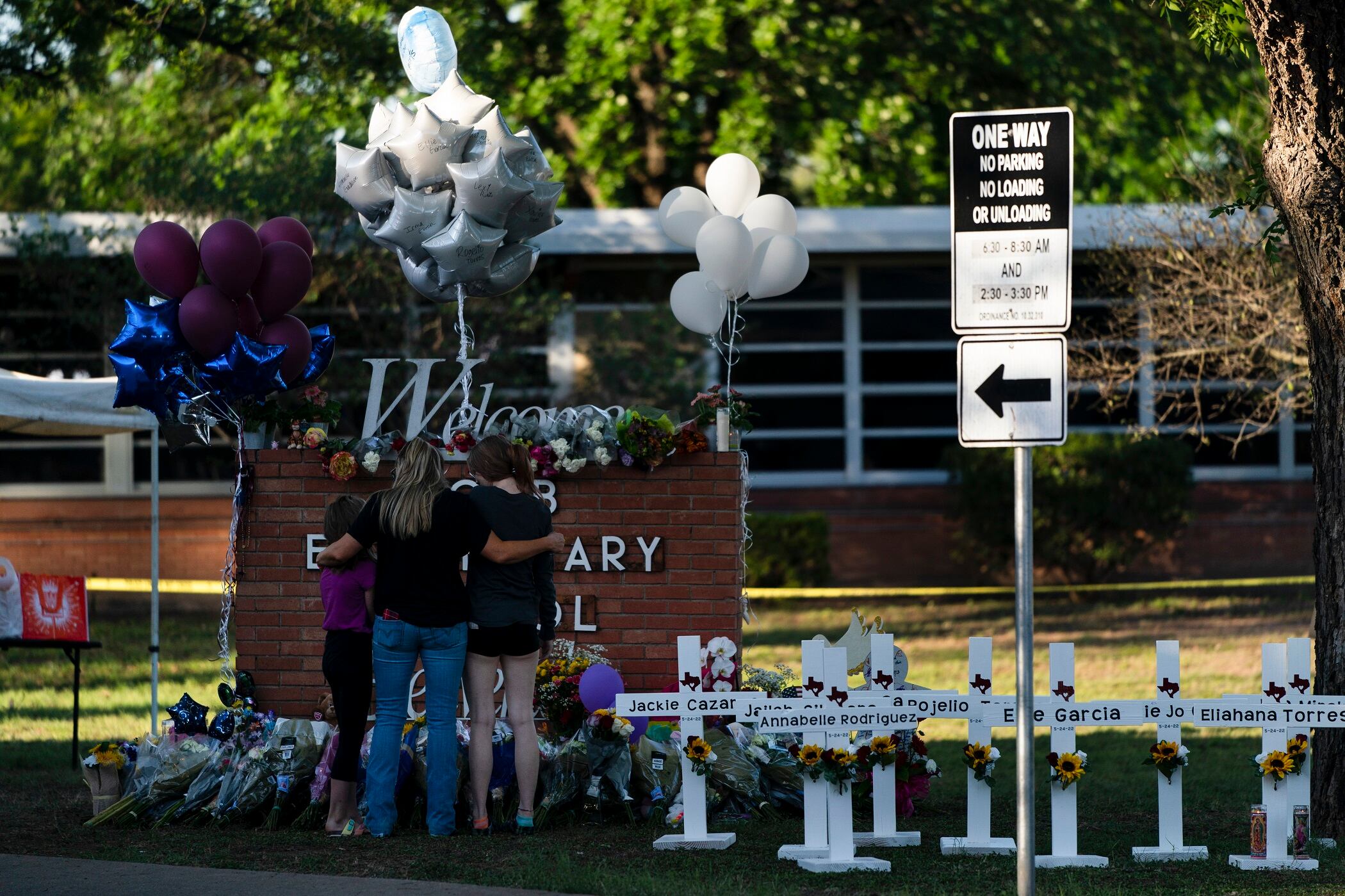
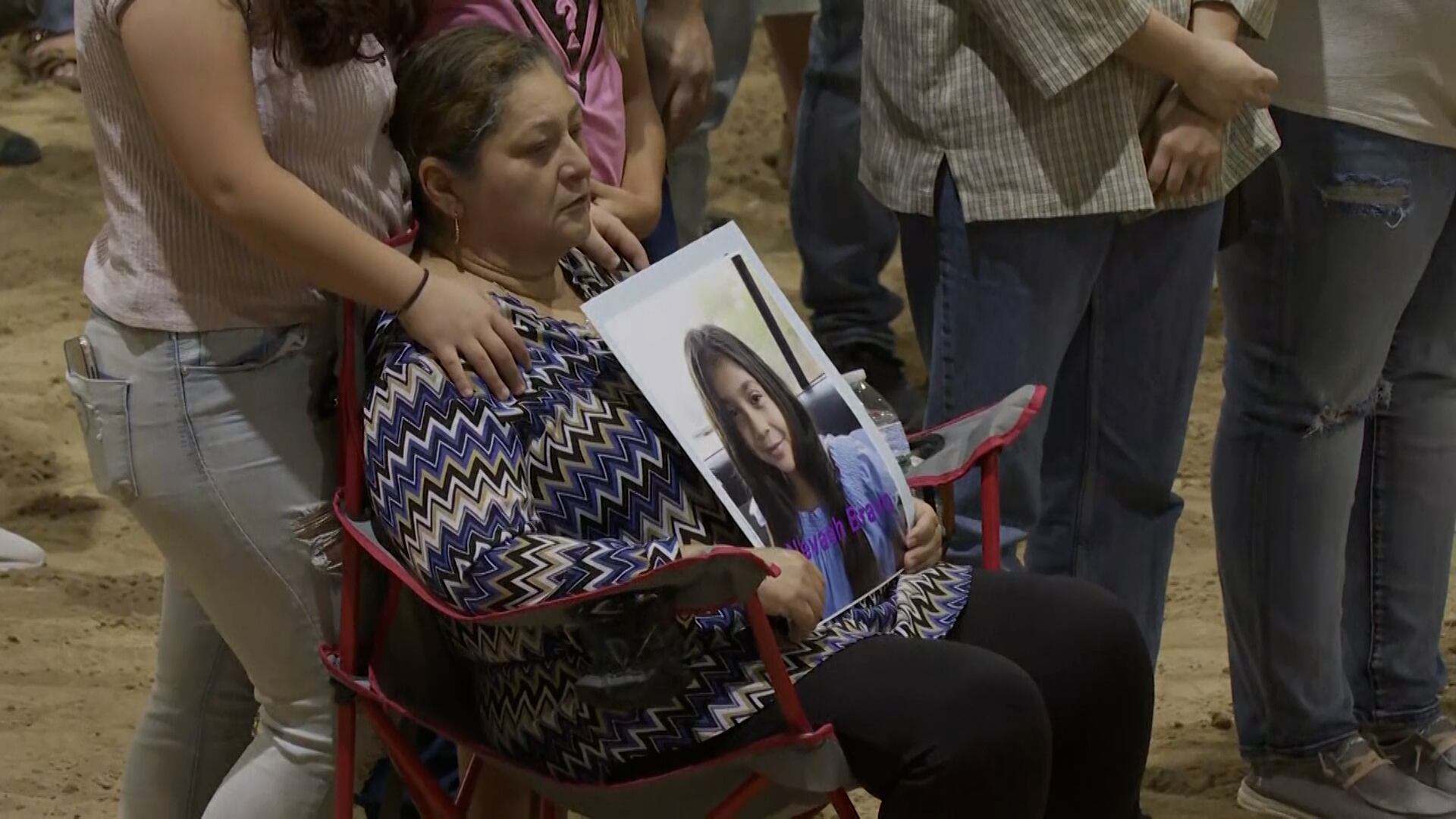
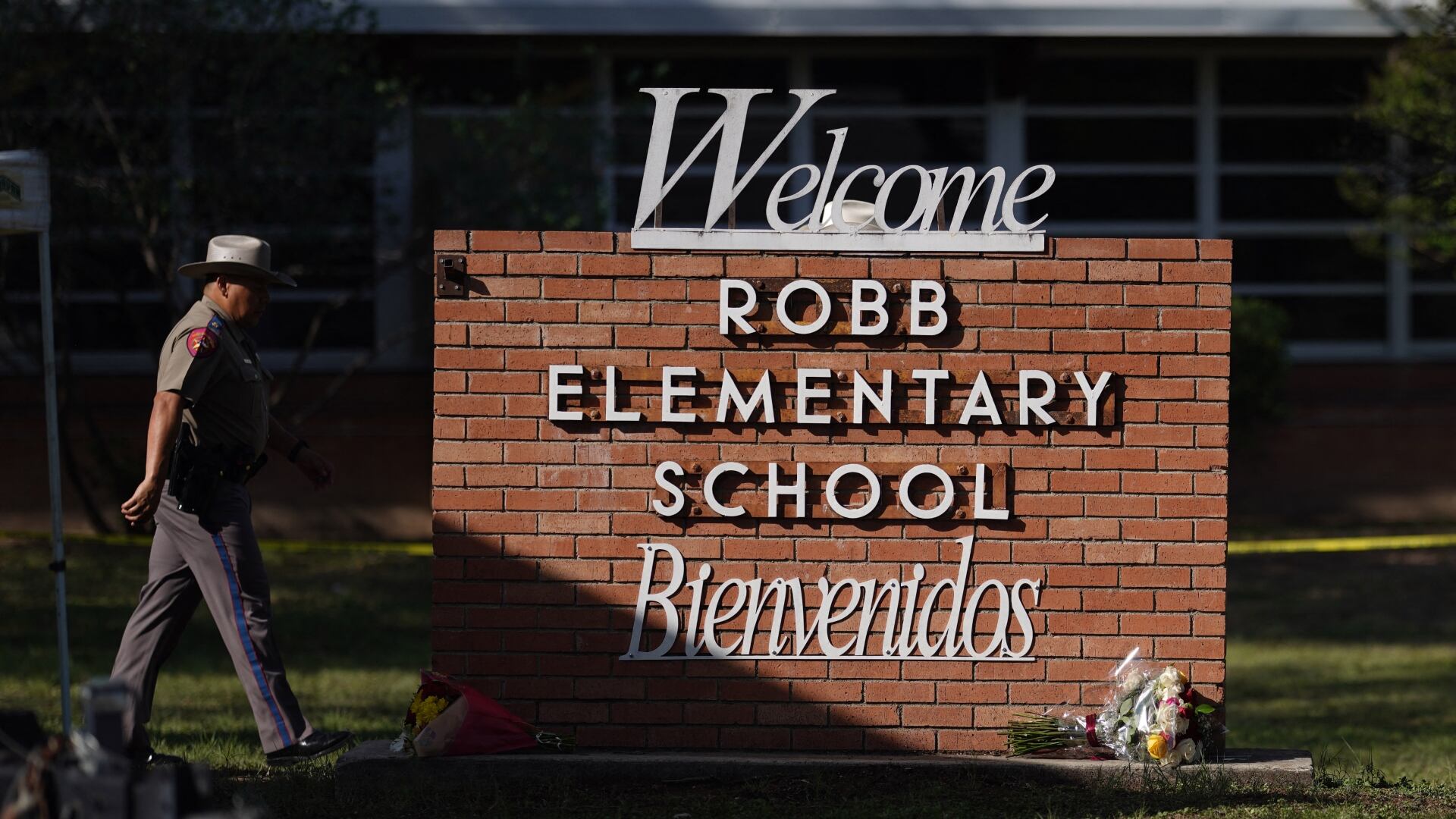
Cheddar News reporter Megan Pratz brings the latest from the scene of yesterday's horrific school shooting at a Robb Elementary School in Uvalde, Texas. Now the second-deadliest school shooting in U.S. history with 19 children and two adults killed, Pratz goes into comments by Texas Gov. Greg Abbott, details about the deceased shooter, and reactions from members of the community.
The Robb Elementary School mass shooting killing 19 children and two adults in Uvalde, Texas pm Tuesday was the deadliest school shooting since the 2012 Sandy Hook massacre in Newtown, Connecticut, and came just 10 days after the grocery store shooting in Buffalo, New York. Nelson Vergara, the founder and CEO of 360 Protective Solutions, joined Cheddar’s Opening Bell to discuss. "Right now what law enforcement is concentrating on is trying to trace his steps as to what motivated the gunman to act the way he did. What it boils down to just trying to figure out what led to his motivation to do such a horrific act.”
An recently conducted AP-NORC poll found that majorities of the Black and Hispanic populations in the U.S. still find themselves either somewhat worried or extremely worried over the pandemic, while more than half of white Americans responded with either being not too worried or not worried at all. Dr. Chris Pernell, the chief strategic integration and health equity officer at University Hospital, joined Cheddar News to talk about how perceptions of COVID-19 differ between groups of Americans. "We’re still seeing people get infected, and because of the toll of the disproportionate impact, we have concerns among the Black and brown community about whether or not they have an increased risk of exposure because of where they work, because of the use of public transportation, because they live in homes that they may not be able to safely quarantine and or isolate in, and because they have at baseline chronic health conditions that may make coronavirus more severe in those persons," she said.
Judith Enck, a former regional administrator for the EPA and the president of Beyond Plastics, joined Cheddar News to talk about the role of plastics in the climate crisis and California's investigation of ExxonMobil and other oil companies for misleading the public on the ability to recycle plastics. "The reason why petrochemical companies like Exxon have gotten away with selling more and more plastic is that they've lied to the public and told us don't worry about all those negative upstream impacts and downstream impacts of plastics. Just be sure to recycle it. Well, guess what? Plastics largely are not recycled," Enck said.